


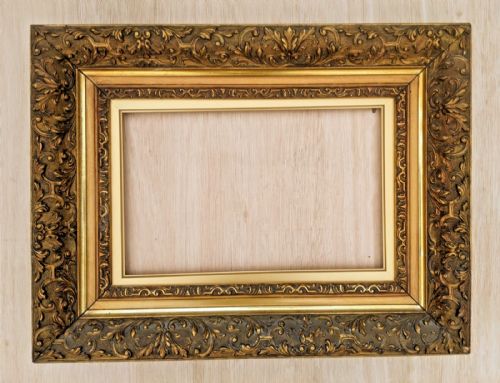

Gilt Gesso Framed Painting
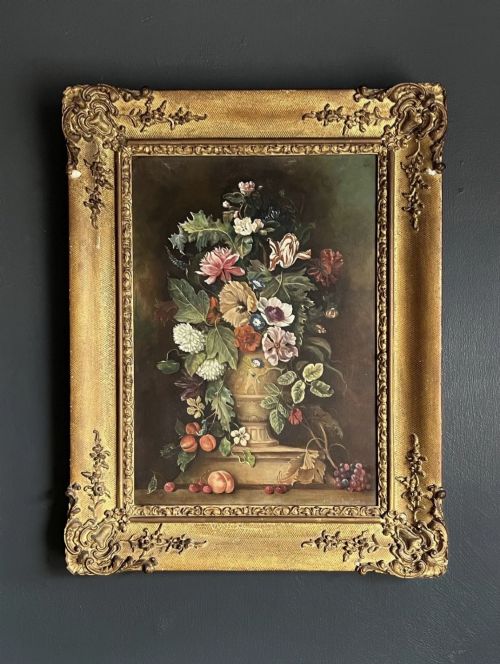
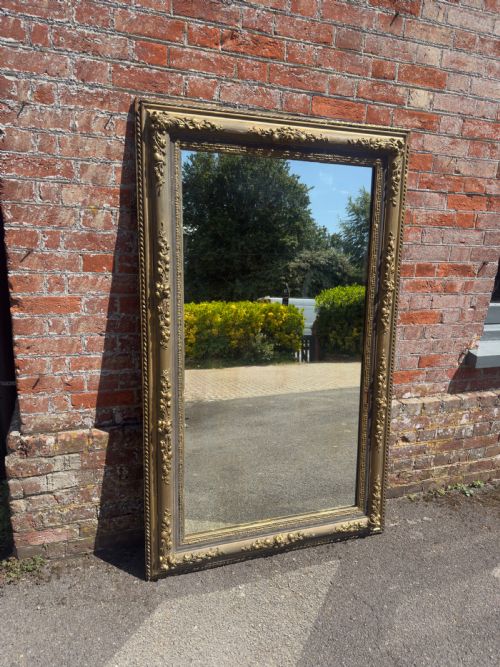
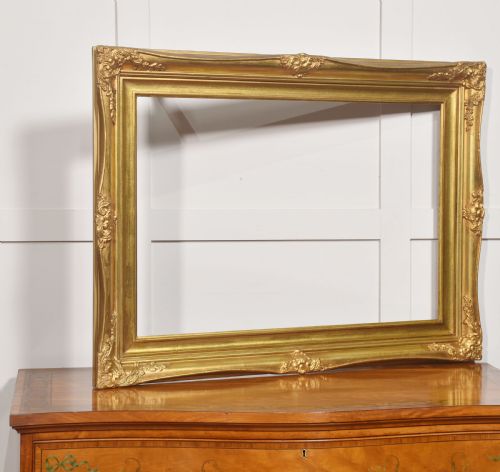
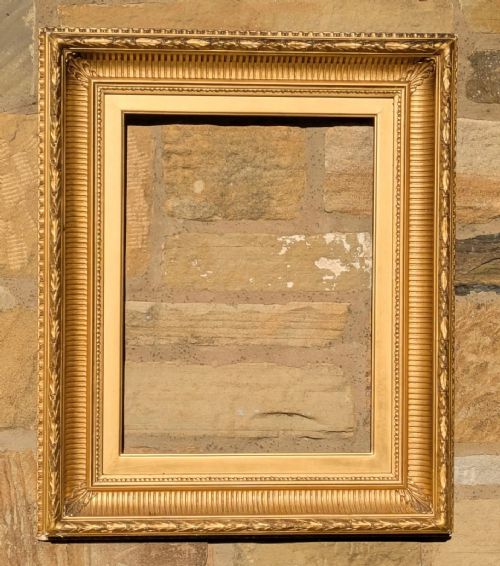
These gilt gesso framed painting examples combine carved wood foundations with metallic leaf surfaces to hold portraits, landscapes, and mirrors across Victorian and continental periods.
Gilt Gesso Framed Painting
When searching for a gilt gesso framed painting, collectors encounter a selection that bridges fine art and decorative wall furnishings. The grouping contains original oil paintings on canvas and board alongside substantial mirrors housed in matching surrounds.
Most pieces date from the nineteenth century, including specific Victorian works and French 19th Century examples alongside Dutch Golden Age style compositions. Makers employed heavy wooden structures coated in gesso to build up high-relief ornament before applying metallic leaf and paint.
The objects serve dual purposes as pictorial art and architectural wall decoration. Overmantel mirrors and wall mirrors appear frequently alongside portrait and landscape paintings sharing the same decorative vocabulary.
What Varies in Quality
The crispness of the carved wood and gesso ornamentation dictates the visual weight and refinement of the piece. Deeply modelled relief work and original surface gilding demonstrate superior craftsmanship compared to flat or heavily restored mouldings.
The integrity of the underlying wooden frame and the preservation of the original paint or gold leaf layer determine the overall standard. Pieces retaining their early gilt and painted finishes without excessive overpainting offer greater historical consistency.
Object forms span oil paintings, wall mirrors, and large overmantel mirrors spanning the nineteenth and early twentieth centuries.
Bryce Smith
The Gilt Gesso Framed Painting Glossary
- Gesso
- A plaster mixture applied to wood frames to create a smooth or raised surface for gilding and painting. It allows artisans to carve intricate relief details before applying gold leaf.
- Giltwood
- Wood that has been coated with gold leaf or gold paint to give the appearance of solid gold. This technique was widely used on decorative frames and mirrors.
- Overmantel Mirror
- A large mirror designed specifically to hang above a fireplace mantel. These pieces often feature ornate carved wood and gesso frames to anchor a room.
- Rococo Revival
- A nineteenth-century design style characterised by asymmetrical scrolls, C-curves, and naturalistic plant motifs. It heavily influenced the ornamentation of Victorian picture frames and mirrors.
- Oil Painting
- A work executed with pigments suspended in a drying oil medium, commonly applied to canvas or board. These paintings frequently appear paired with elaborate gilt surrounds.
Gilt Gesso Framed Painting: Frequently Asked Questions
How do I clean a gilt gesso frame?
Dust the carved surfaces gently with a soft, dry brush to remove particles without disturbing the delicate metallic leaf. Avoid using water, chemical solvents, or modern cleaning sprays, which can strip the historic gesso and gilding layers.
Take care around areas where the gesso meets the wooden base, as moisture can cause the plaster ground to lift or flake. Professional conservation is recommended for deep cleaning or securing loose sections of ornament.
Can I hang these heavy mirrors on plaster walls?
These substantial carved wood and gesso mirrors require secure fixing directly into wall studs or solid masonry using appropriate hardware. Due to the combined weight of the timber frame, gesso relief, and thick glass, standard picture hooks are generally insufficient.
Distribute the weight evenly using heavy-duty mirror plates or robust hanging wire rated for the specific load. Inspect the original wooden frame joints beforehand to ensure the structure remains rigid enough to support being hung.
What is the difference between a mirror and a painting frame?
While both utilise carved wood and gesso finished with gold leaf, picture frames are proportioned to enclose canvas or board compositions. Mirrors incorporate heavy glass plates and often feature broader overmantel proportions designed for architectural impact.
Many nineteenth-century pieces share identical stylistic motifs such as Rococo revival scrolls or ribbed mouldings regardless of whether they hold art or glass. Examine the rebate depth and internal corners to determine if the frame originally housed a stretcher or a mirror plate.
How do I identify a nineteenth-century gesso frame?
Nineteenth-century examples typically display hand-carved wooden foundations beneath thick layers of gesso and gold leaf rather than modern cast resin. Look for signs of age in the material, including fine craquelure in the surface finish and hand-tooled adjustments in the relief.
Examine the reverse of the frame for period construction methods, such as joined timber corners, early fixings, and historical patina. The weight and density of the carved wood distinguish these older pieces from lightweight contemporary reproductions.