
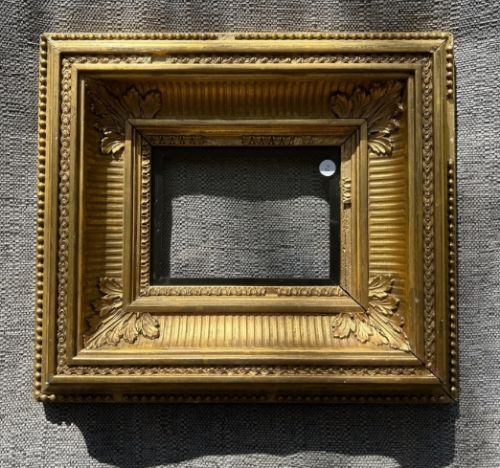
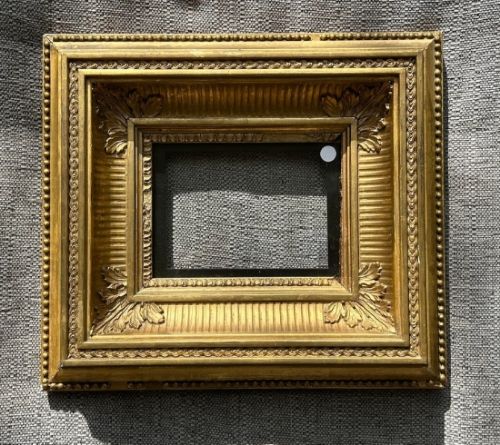
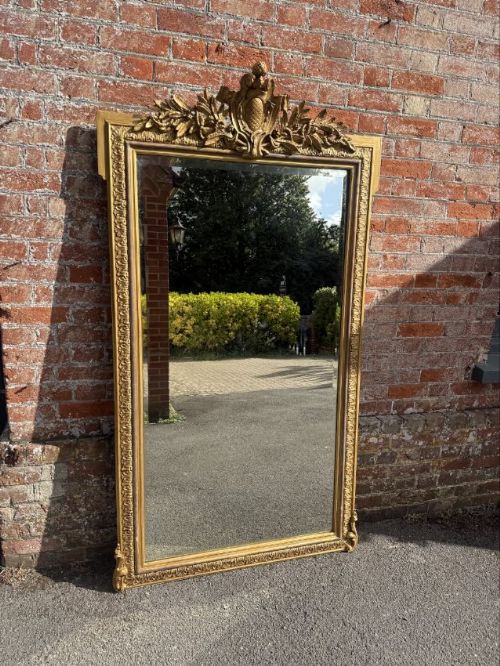
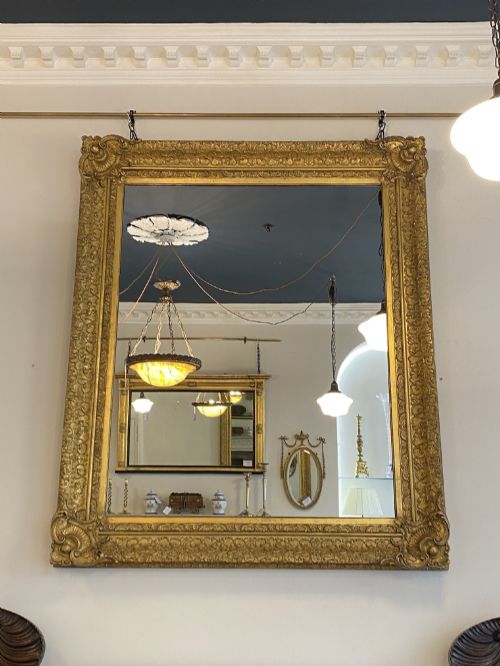

Gilt Gesso Frame
A gilt gesso frame brings together carved wooden structures and modelled plaster surfaces coated in brilliant gold leaf to house paintings and mirrors.
Gilt Gesso Frame
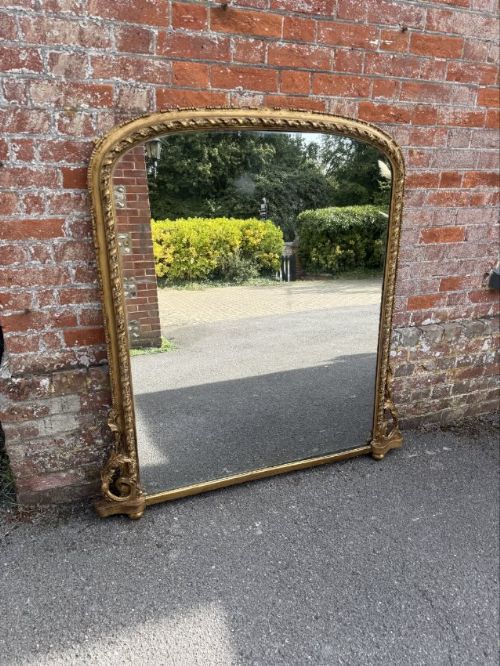
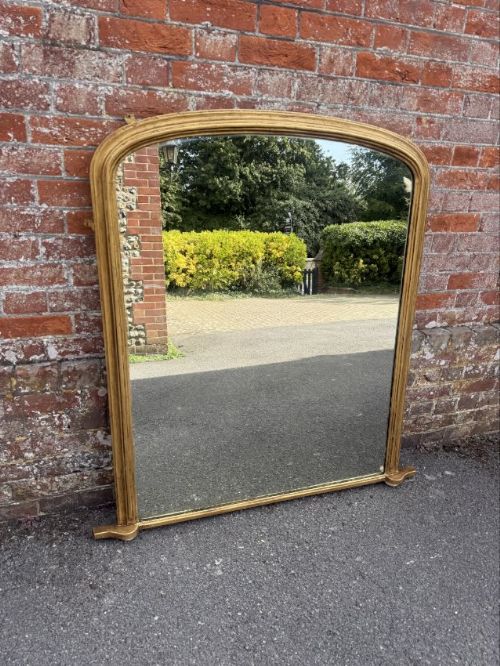
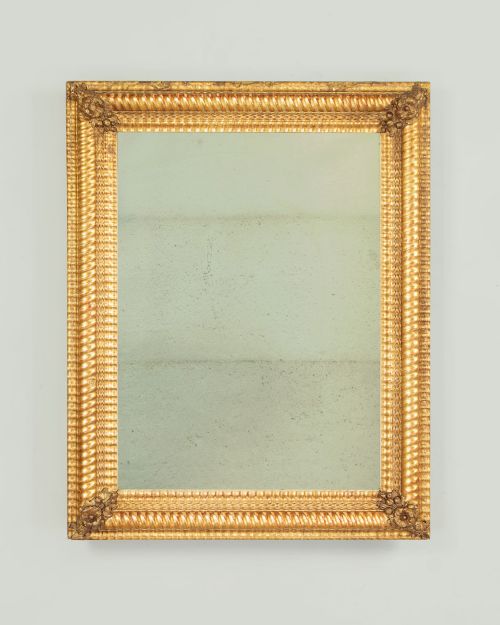
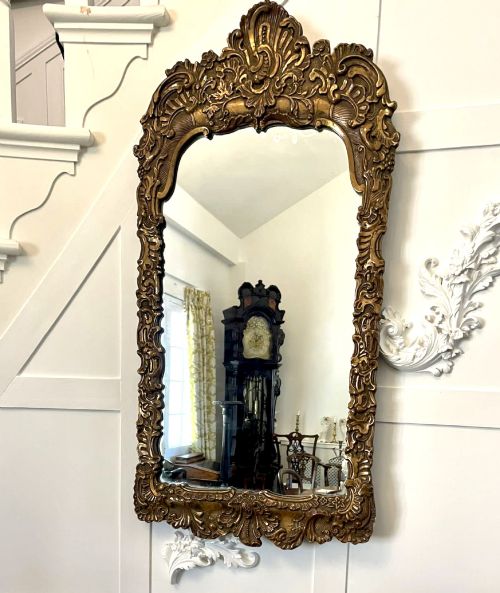
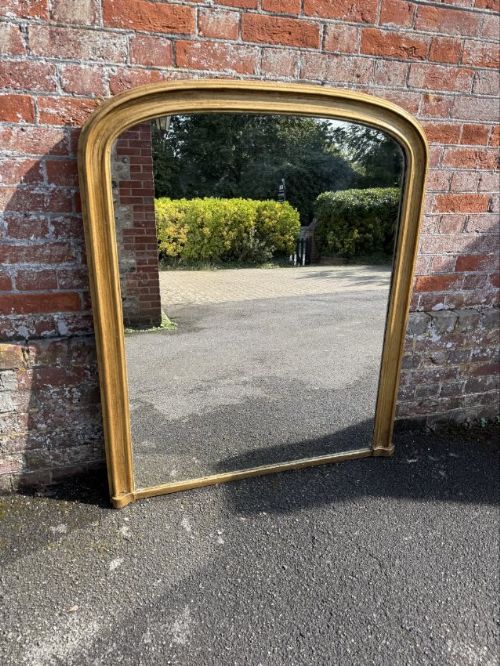
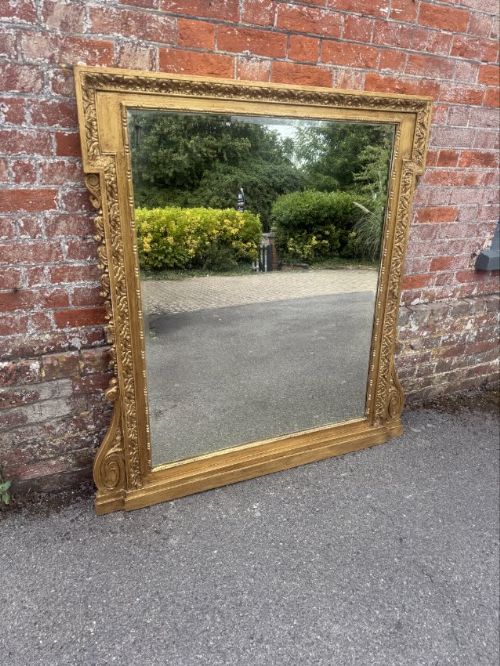
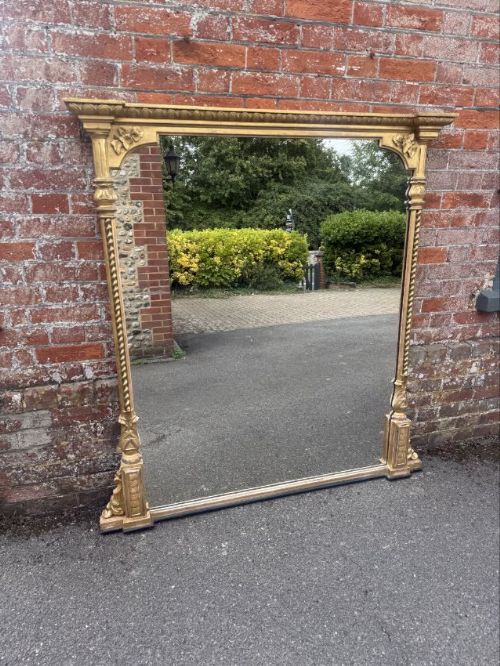
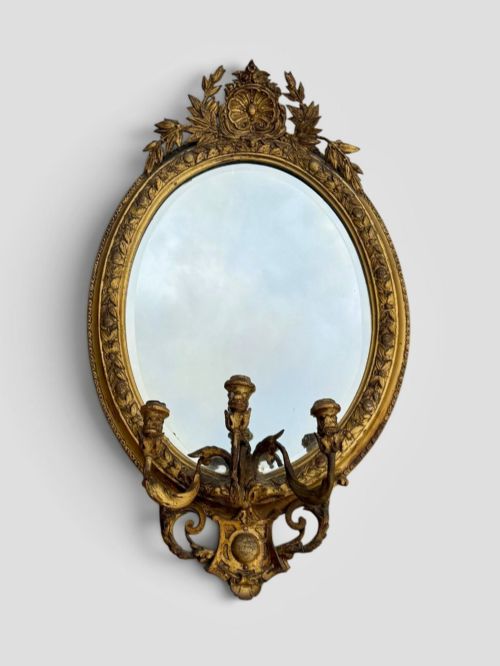
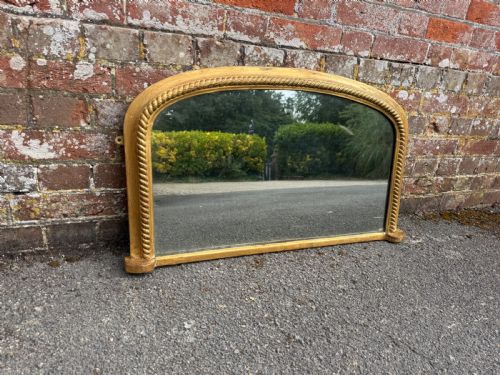
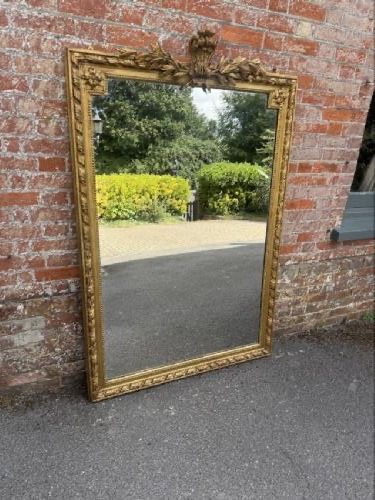
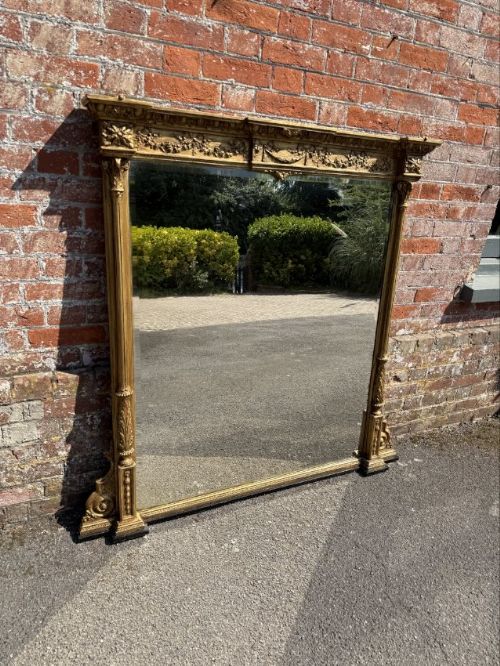
When you search for a gilt gesso frame, you are looking at decorative surrounds made from carved wood and plaster compositions designed to hold mirrors and artwork. The items on this page span the eighteenth, nineteenth, and early twentieth centuries, encompassing Victorian, Regency, and Rococo Revival styles.
The most common form you will meet here is the large nineteenth-century English overmantel mirror, often featuring an arched top and decorative elements like rope twist or ribbing. Alongside these, you will find wall mirrors, pier mirrors, and picture frames originating from English, French, and Dutch contexts.
Objects range from simple fluted picture mouldings to highly ornate, carved creations incorporating glass and oil paintings. Whether serving as a focal point above a fireplace or framing a canvas, these pieces reflect historical periods of heavy ornamentation and meticulous craftsmanship.
How they were made
Makers constructed the foundational core of these objects using carved wood, forming the structural shape and any deep relief details. Upon this wooden base, they applied gesso, a mixture of chalk, gypsum, and glue, which provided a smooth surface for further modelling and finishing.
The decorative relief elements were built up using this pliable gesso or pressed composition moulded onto the wood. Finally, artisans applied thin layers of gold leaf or gilt paint over the prepared gesso ground, creating the characteristic metallic sheen.
Listings feature items dated across the nineteenth century, alongside eighteenth-century George I period designs and early twentieth-century interpretations.
What varies in quality
The distinction between tiers often lies in the depth and crispness of the wood carving beneath the gesso layer. Hand-carved wooden elements show sharp, deliberate undercut details, whereas lower-tier pieces rely heavily on moulded composition pastes to simulate complex ornamentation.
Quality also appears in the application of the gilding and the preparation of the gesso ground. A superior surface exhibits an even, warm metallic tone with subtle burnishing, while lesser examples show flat, uniform modern metallic paints masking the underlying plaster.
The Gilt Gesso Frame Glossary
- Gesso
- A dense plaster mixture of chalk and binder applied to a wooden base to create a smooth surface for gilding. It allows for intricate relief moulding.
- Giltwood
- Timber that has been coated with gold leaf or gold paint. This material forms the primary structure of many antique mirror and picture frames.
- Overmantel
- A large mirror or frame specifically proportioned to hang on the wall directly above a fireplace mantelpiece. They frequently feature arched tops.
- Pier mirror
- A tall, narrow mirror designed to fit on the wall space between two windows. These pieces often coordinate with matching console tables.
- Rococo Revival
- A nineteenth-century design style emulating the asymmetric scrolls, curves, and natural motifs of the eighteenth-century French Rococo movement.
Gilt Gesso Frame: Frequently Asked Questions
How do I hang a heavy overmantel mirror safely?
These large frames carry substantial weight due to the combination of thick wood, dense gesso, and mirror glass. They require heavy-duty wall fixings anchored directly into structural studs or masonry.
Professional mirror plates screwed securely into the wooden frame structure provide the necessary support to distribute the load evenly across the wall.
What is the difference between a pier mirror and an overmantel mirror?
Pier mirrors are traditionally tall and narrow, built to occupy the narrow wall space between windows. Their vertical proportions suit tighter architectural gaps.
Overmantel mirrors are wider and often feature arched tops designed to sit horizontally above a fireplace opening. Both utilise carved wood and gesso frames but serve different architectural positions.
How can I tell a nineteenth-century frame from a later reproduction?
Examine the construction joints, the backing boards, and the wear patterns on the gilt surface. Nineteenth-century pieces typically show hand-cut joinery and natural shrinkage in the wood.
The gesso on older items exhibits a fine network of age cracks and softer patination compared to the flat, uniform appearance of modern synthetic replicas.