


Gilt Framed Wall Painting
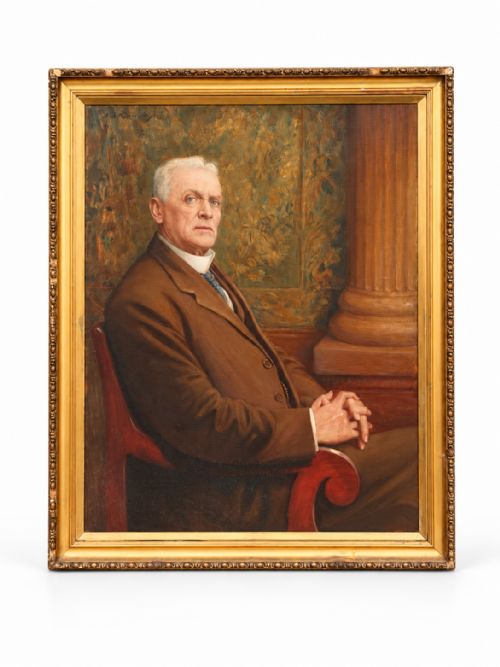
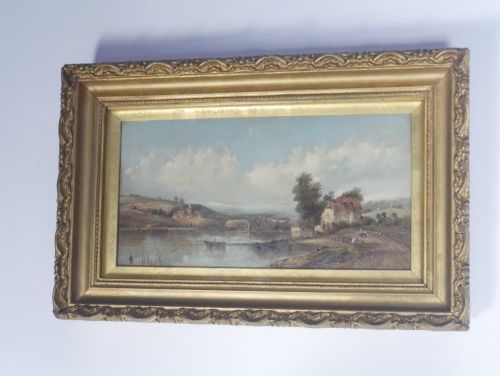
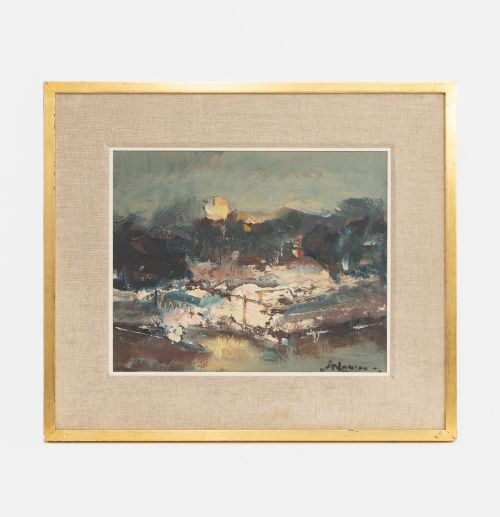
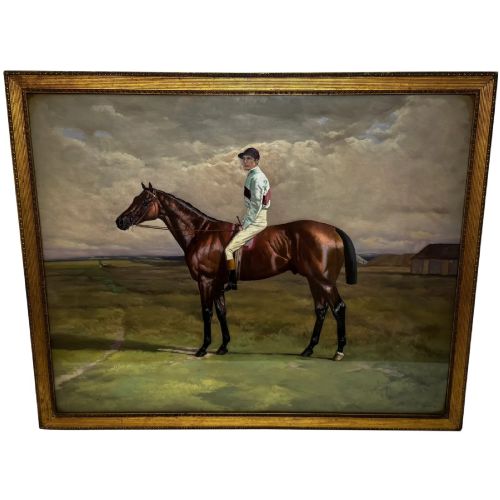
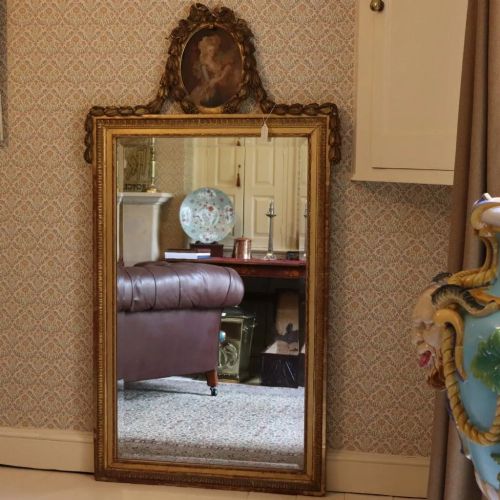
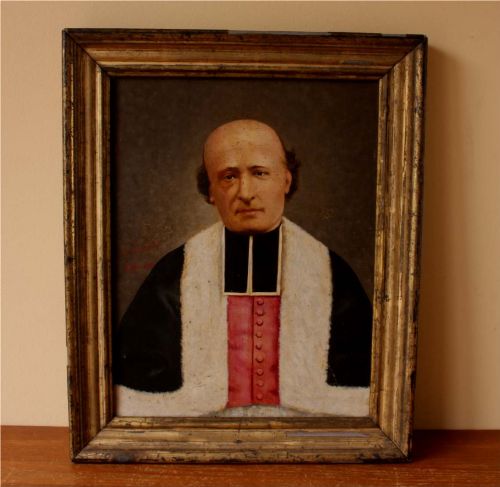
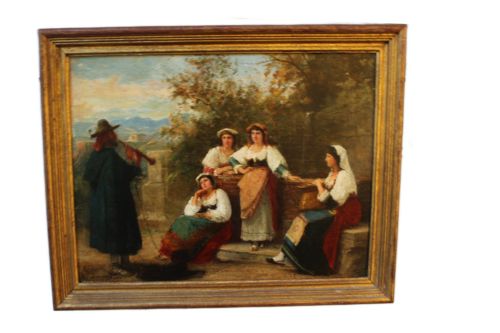
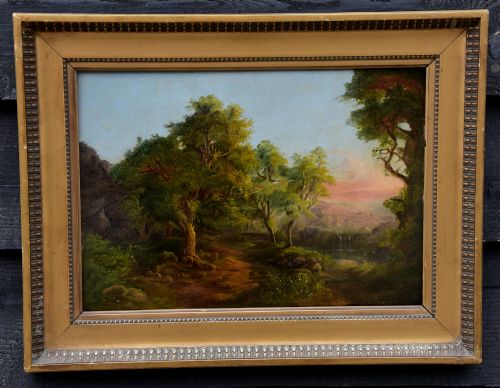
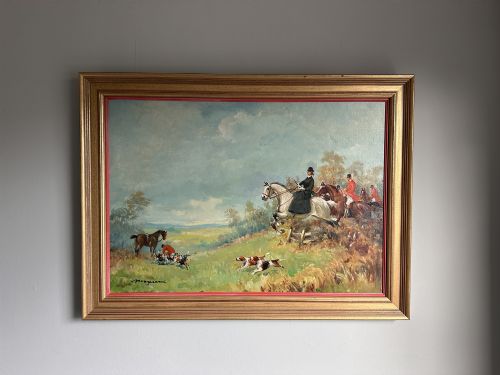
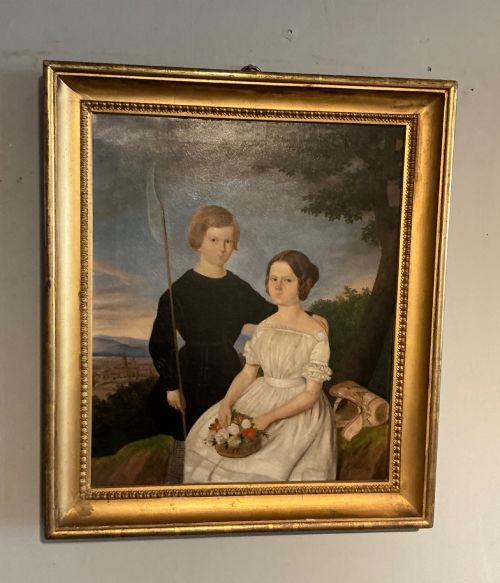
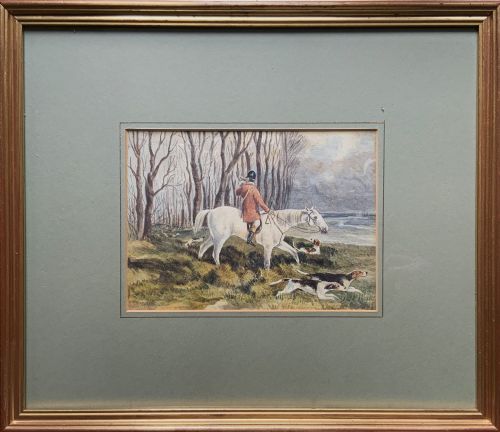
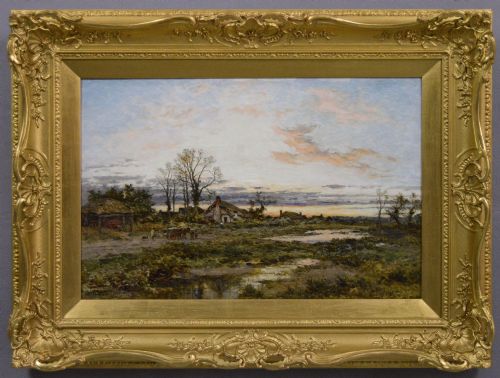
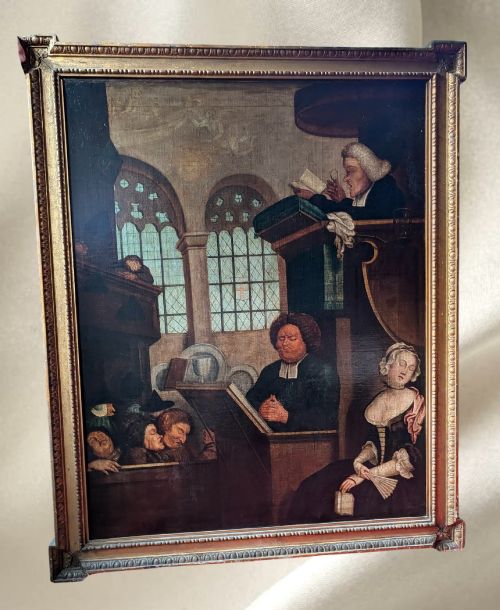
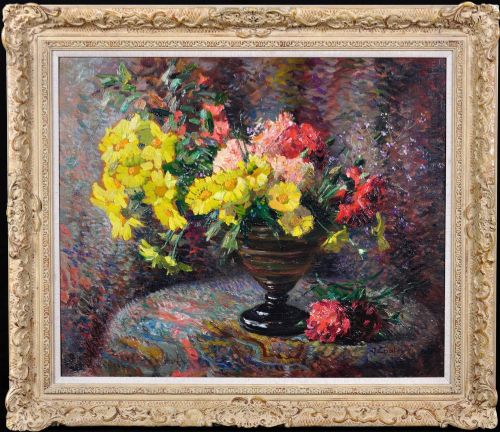
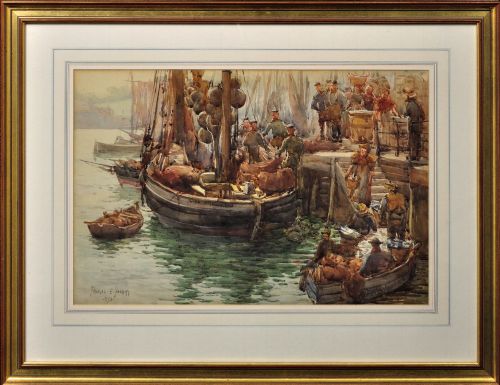
A gilt framed wall painting brings together historical portraiture, landscape and decorative gold leaf moulding to anchor a room.
Gilt Framed Wall Painting
A gilt framed wall painting combines canvas, panel or paper artwork with a gilded wood surround designed for interior display. When searching for a gilt framed wall painting, buyers encounter works spanning from the seventeenth century through to the mid-twentieth century.
The selections on this page encompass oil on canvas, watercolours, pastels and oil on panel framed in giltwood or painted and gilded mouldings. Common subjects range from British and European portraits and maritime scenes to romantic landscapes and still lifes.
Nineteenth-century oils and Edwardian watercolours dominate the available pieces, alongside seventeenth-century portraiture and French decorative mirrors incorporating painted panels. These works reflect stylistic shifts from British Baroque and French Rococo to Victorian realism and Belle Epoque elegance.
How They Were Made
Artists applied oil paint or watercolour onto prepared canvas, wooden panels or paper substrates using traditional brushes and layering techniques. Canvases were stretched over wooden frames, whilst panels utilised solid timber supports.
The accompanying frames consist of carved wood, often giltwood, utilising applied gesso and gold leaf to achieve a metallic surface finish. Some pieces incorporate mercury glass alongside painted canvas panels within trumeau mirror structures.
Gilt Framed Wall Painting Retail Price Guide 2026
Typical asking prices for gilt framed wall painting among the pieces listed under this phrase on Sellingantiques today, from the lower quarter to the upper quarter. They describe what is for sale here now, not the wider market.
Listings feature works spanning the seventeenth century to the twentieth century, utilising oil paint, watercolour and pastel on canvas, wood and paper.
What Varies in Quality
The refinement of brushwork and the anatomical or spatial accuracy of the composition distinguish standard decorative works from master-level execution. Portraiture demonstrates this through the handling of fabric drapery, facial expression and lighting.
Frame construction and gilding technique dictate the overall integrity and visual impact of the piece. Hand-carved wooden mouldings with original gold leaf exhibit greater depth and craftsmanship than later cast plaster replacements.
Henry Barraud·Theude Grönland·Sir Joshua Reynolds·Richard Sebastian Bond·William Beattie Brown·Felix Stone Moscheles
The Gilt Framed Wall Painting Glossary
- Giltwood
- Wood that has been coated with gold leaf or gold dust. This finish is characteristic of decorative frames from the seventeenth century onwards.
- Oil on Canvas
- Pigment mixed with drying oil applied to a woven fabric support. This technique allowed artists to achieve rich colour saturation and subtle tonal blending.
- Trumeau
- A decorative wall mirror or panel featuring an oil painting or carving in the upper section. These French interior fixtures date frequently to the eighteenth and nineteenth centuries.
- Gesso
- A paint mixture consisting of a neutral binder mixed with chalk, gypsum, or pigment. It served as the smooth base layer for applying gold leaf onto wooden frames.
- Watercolour
- Paint consisting of transparent pigment suspended in a water-based solution. It was widely utilised by British artists on paper for landscapes and portraits.
Gilt Framed Wall Painting: Frequently Asked Questions
How do I clean a gilt frame?
Dust the gilded wooden mouldings gently with a soft, dry brush to prevent accumulating grime. Avoid using water, chemical solvents or commercial cleaning sprays, as these can strip the delicate gold leaf finish.
Inspect the surface periodically for loose gesso or flaking areas. Professional conservators should handle structural repairs or deep cleaning of antique frames.
Can I hang these paintings in direct sunlight?
Ultraviolet light from direct sun exposure causes pigments in oil paintings and watercolours to fade over time. Position these artworks on interior walls away from south-facing windows to preserve the original colours.
Consistent indoor humidity and temperature also protect canvas and wood panels from warping or cracking. Using picture lights with low-heat LED bulbs minimises thermal stress on the framing and paint.
What does an attribution to a school mean?
Labelling a work as English School or Flemish School indicates that the artist remains unknown but worked within the artistic tradition of that specific region and era. These paintings reflect the prevailing techniques and styles taught in local workshops during periods like the seventeenth century.
Such attributions rely on stylistic comparison with documented masters of the same period. They provide historical context even when an individual signature is absent.
How do I date a framed painting?
Examine the construction of the wooden stretcher or panel, alongside the ageing of the canvas and the medium used. Pigment analysis and canvas texture offer reliable clues to the century of creation.
The joining techniques, wood type and gesso application of the frame often correspond to the period of the artwork. Secondary labels, inscriptions or signatures on the reverse provide further chronological evidence.