



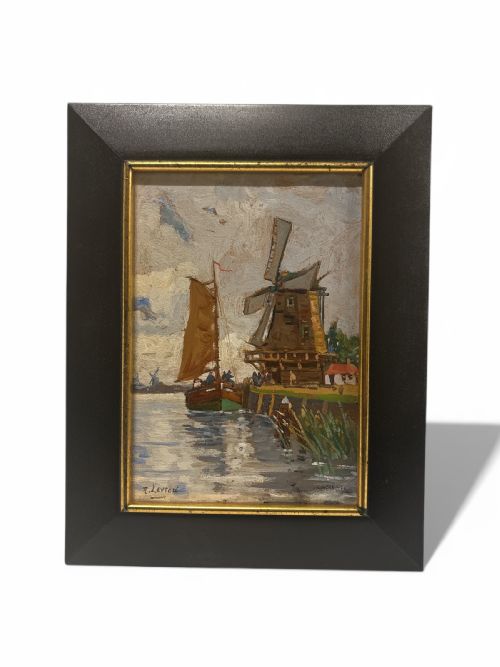
Gilt Framed Wall Painting
A gilt framed wall painting brings centuries of portraiture and landscape into a room through carved and burnished surrounds.
Gilt Framed Wall Painting
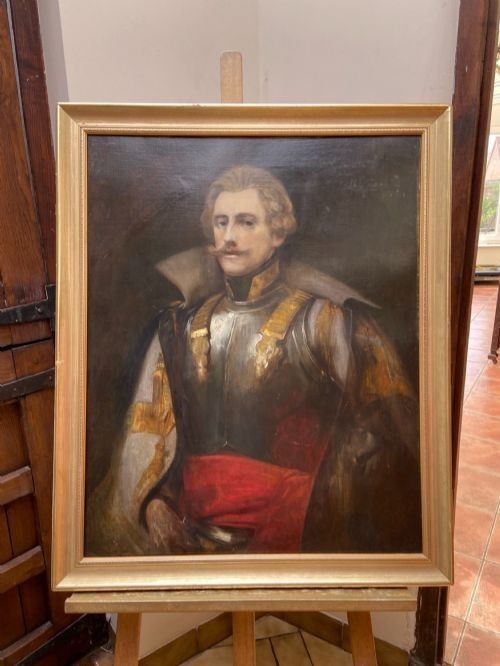
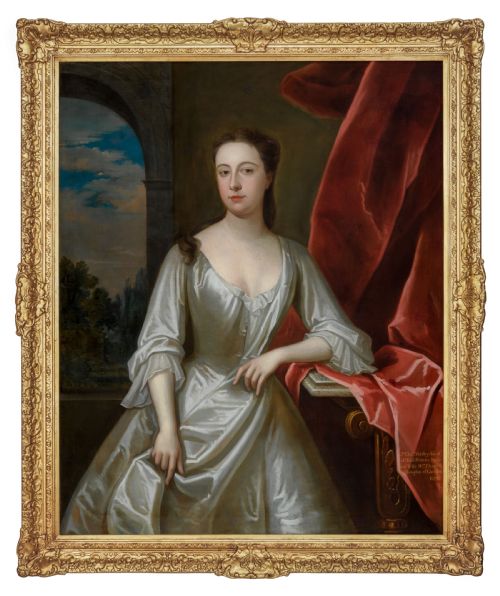
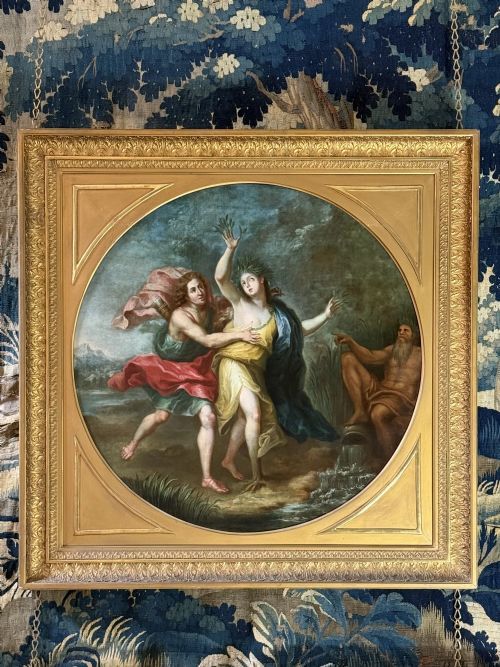
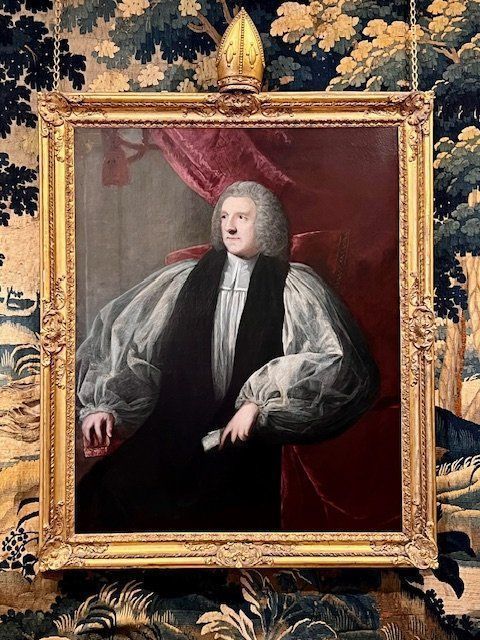
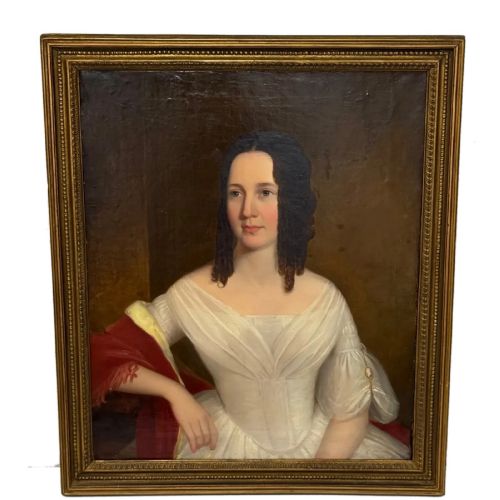
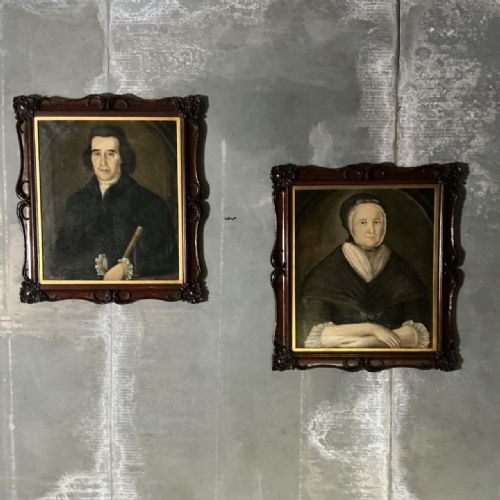
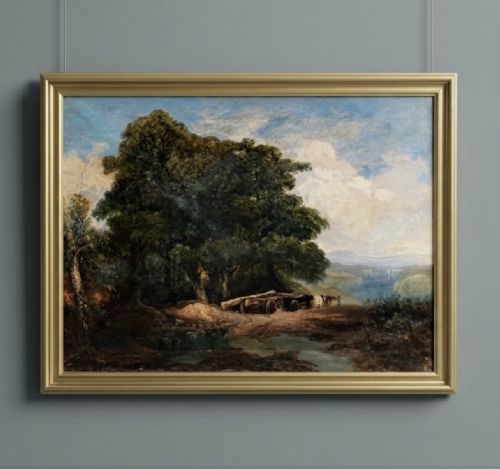
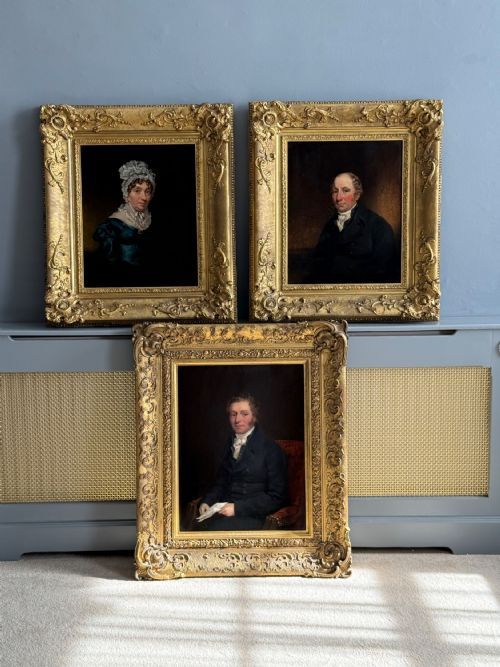
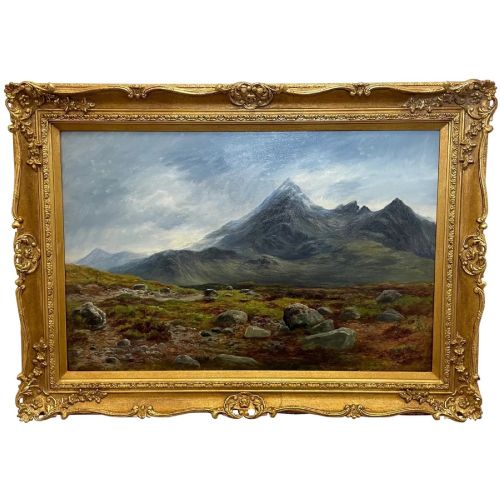
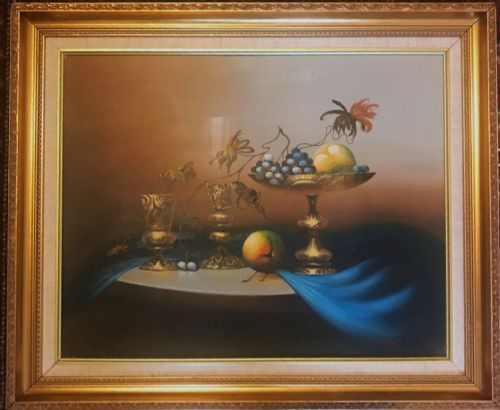
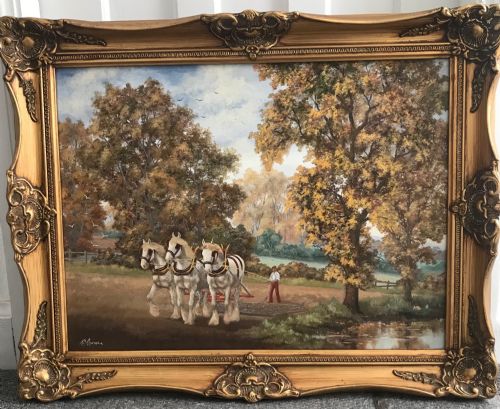
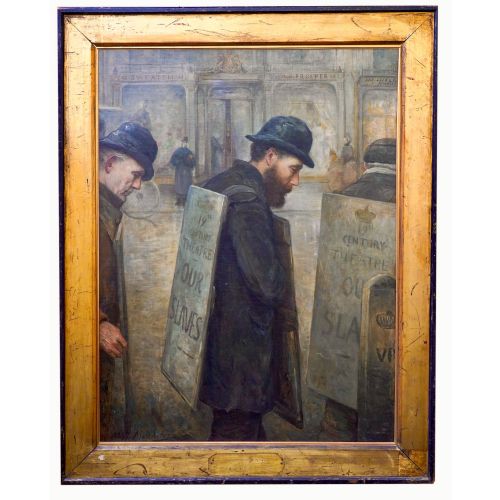
A gilt framed wall painting spans portraits, landscapes, and maritime scenes created across the seventeenth, eighteenth, nineteenth, and twentieth centuries. These artworks frequently take the form of oil on canvas or oil on board, housed within decorative timber mouldings covered in gold leaf or gilt composition.
The selection ranges from early British school noblewomen and classical mythological pairs to Victorian social history scenes and Edwardian watercolours. Buyers encounter grand aristocratic commissions alongside intimate rural studies and still lifes, each defined by the interplay between the canvas and its gilded border.
Originating from British, French, and continental workshops, these pieces bridge centuries of fine art tradition. The surviving examples demonstrate how artists and framers collaborated to present historical subjects, equine portraits, and romantic landscapes for domestic display.
Materials and Construction
Makers built these works using oil paint applied to stretched canvas, wooden panel, or board, occasionally utilising watercolour on paper for lighter compositions. The support structures relied on solid timber stretchers or frames joined to sustain the tension of the fabric over generations.
The surrounding frames combine carved wood, gesso, and applied giltwood or gold leaf finishes. Artisans built up intricate mouldings with layers of chalk preparation before burnishing the gold surface to achieve varying degrees of reflection and matte contrast.
Listings feature works spanning the seventeenth to the twentieth centuries, utilising oil paint and watercolours on canvas, wood, and paper.
Quality Variations
The standard of a gilt framed wall painting rests upon the painterly execution of the brushwork, the anatomical accuracy of portraiture, and the depth of the composition. Master works display confident handling of light, shadow, and texture that distinguishes professional academic output from routine studio production.
Frame craftsmanship contributes significantly to the overall merit of the piece. Hand-carved wooden mouldings with crisp gesso relief and original gilding represent a higher tier of historic preservation compared to later replacements or heavily restored surrounds.
Sir Godfrey Kneller·Charles-Antoine Coypel·Sir Joshua Reynolds·Richard Sebastian Bond·Joseph Clover·William Beattie-Brown·Jozsef Molnar·George Fotherly Hargitt·Felix Stone Moscheles·John Hayls·Emily Eyres·John Maler Collier·Dumini Leopoldo·Sir Peter Lely·Percy Lancaster·Francois Boucher·Eugène-Louis Gillot·John Horace Hooper·William McAlpine·Reginald Arthur Borstel·Michael Dahl·Thomas Murray·Constantyn Netscher·Lemuel Francis Abbott·Stickland Lowry
The Gilt Framed Wall Painting Glossary
- Giltwood
- Wood carved and covered with thin sheets of gold leaf or gold metal powder. This material defines the luxurious finish of classical and period picture frames.
- Oil on Canvas
- Pigments bound in a medium of drying oil applied to a woven fabric support. This technique allowed artists to achieve rich colour saturation and subtle tonal gradations.
- Gesso
- A paint mixture consisting of a neutral binder mixed with chalk, gypsum, or pigment. It served as the foundational preparation layer for gilding on wooden frames.
- Provenance
- The chronological ownership history of a work of art. Documented lineages validate the authenticity and historical context of antique portraits and landscapes.
- School
- A group of artists associated with a particular place, period, or master. Designations like the British School indicate regional stylistic traditions rather than an individual creator.
Gilt Framed Wall Painting: Frequently Asked Questions
How do I date a gilt frame?
Dating relies on examining the assembly methods of the wooden corners, the composition of the underlying gesso, and the style of the decorative carving. Earlier frames often feature pinned mitres and hand-carved ornament, whereas later nineteenth-century examples may incorporate moulded compo decoration.
Changes in gilding techniques and the ageing of the underlying wood provide further clues to the decade of manufacture. Comparing the framing style to the period of the canvas helps confirm whether the pairing is original.
What is an oil painting on panel?
An oil painting on panel uses a rigid wooden board as the support for the pigment rather than woven canvas. This method was common in earlier centuries because it provided a completely flat, stable surface for fine, detailed brushwork.
Panels are less prone to the sagging or tearing associated with fabric supports, though they require stable humidity conditions to prevent the wood from warping or splitting over time.
How should I clean a gilt frame?
Cleaning requires extreme caution because historic gold leaf and gesso layers are delicate and easily damaged by moisture or friction. Dusting should be done very gently with a soft, dry brush without applying pressure to raised decorative elements.
Liquid cleaners, abrasive cloths, and chemical solvents must be avoided entirely to prevent stripping the metallic surface. Professional conservators should handle any deep cleaning or repairs to damaged gilding.
Why are some portraits unsigned?
Many historical portraits were produced in busy workshops where assistants executed secondary elements while the master oversaw the commission. In other instances, artists considered their work finished without adding a signature, as the sitters and patrons already knew who created the piece.
Attribution for these unsigned works typically relies on stylistic analysis, costume details, contemporary records, and comparisons with documented pieces by the same hand or circle.