


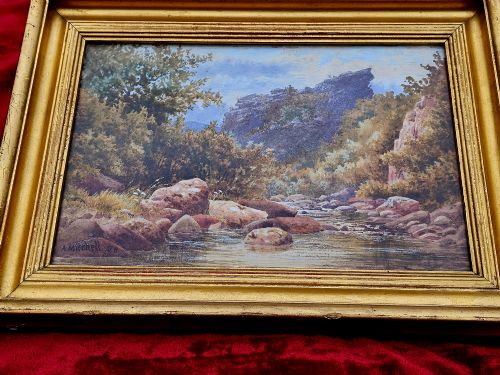
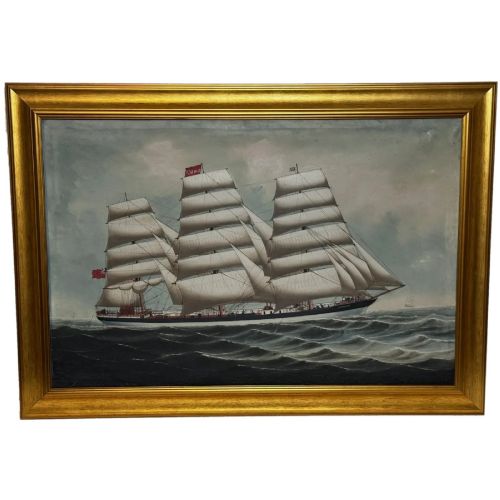
Gilt Framed Landscape Artwork
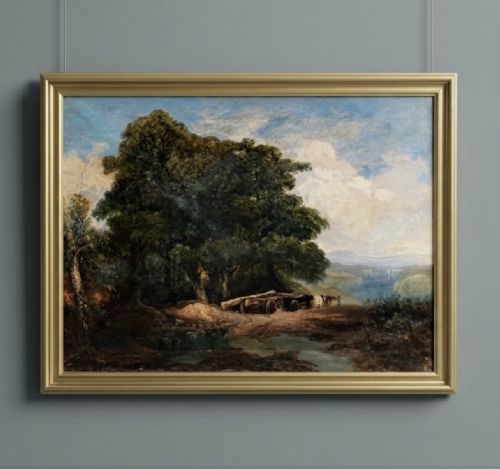
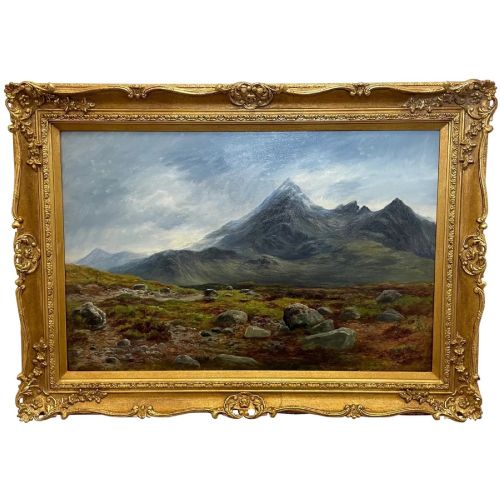
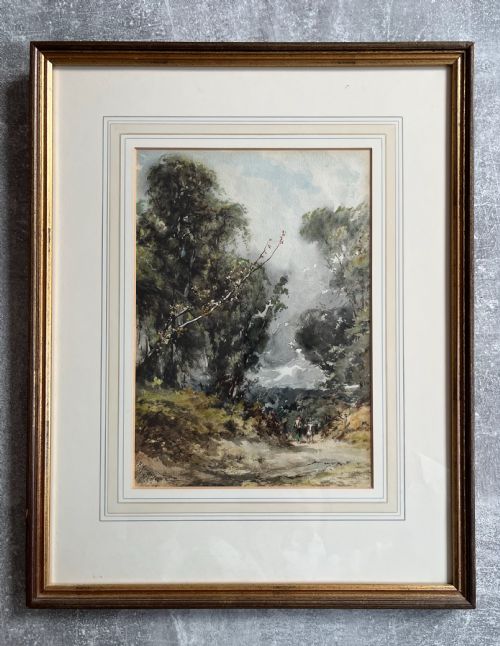
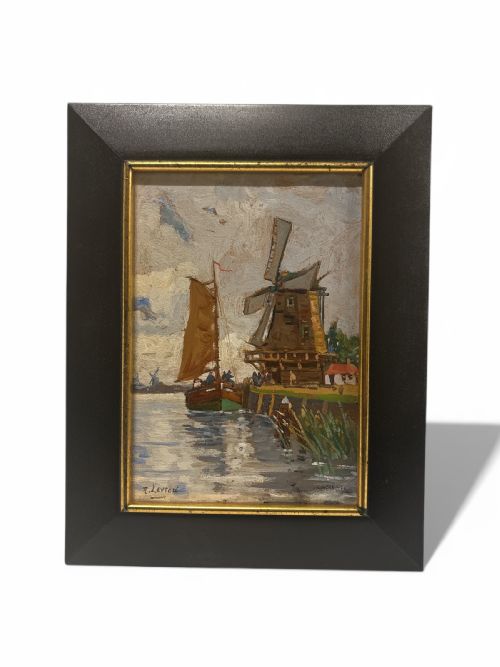
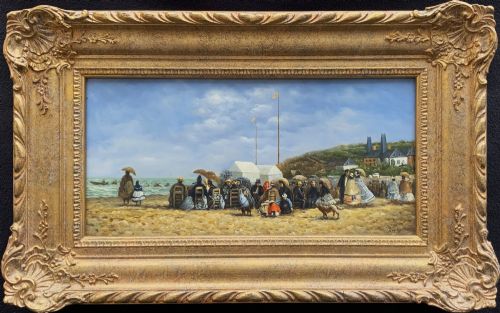
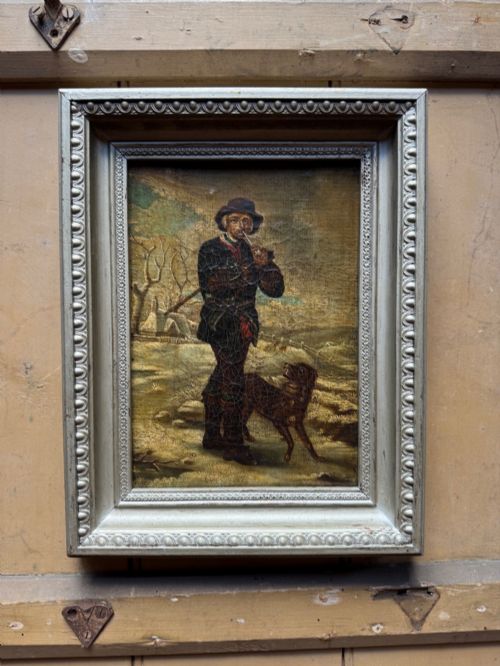
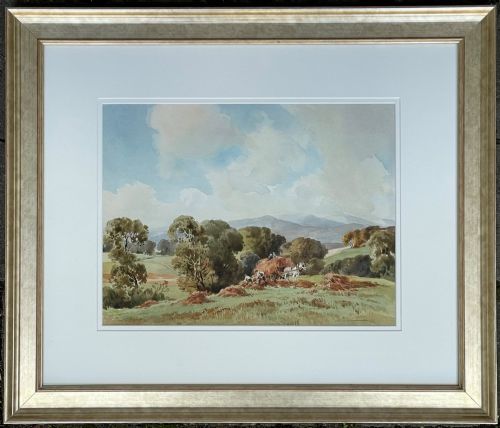
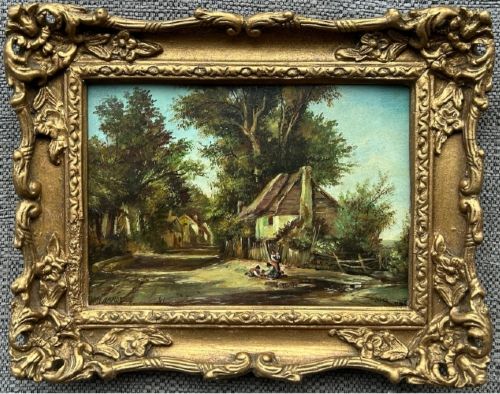
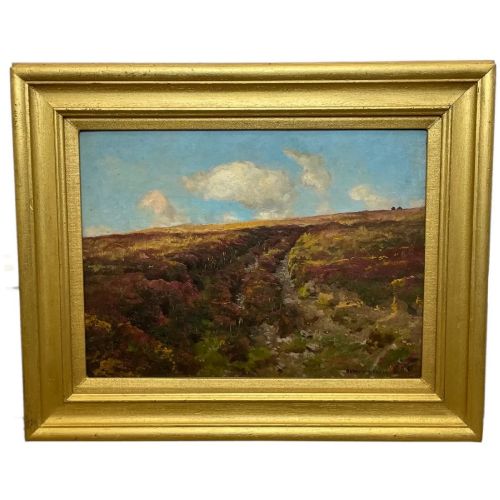
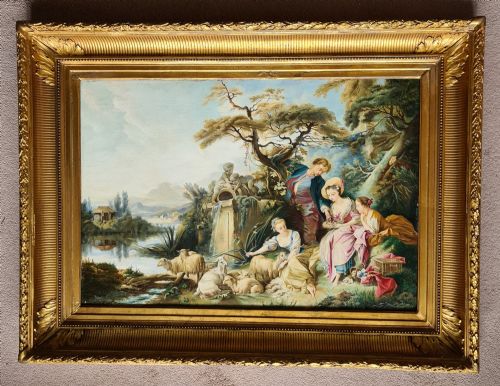
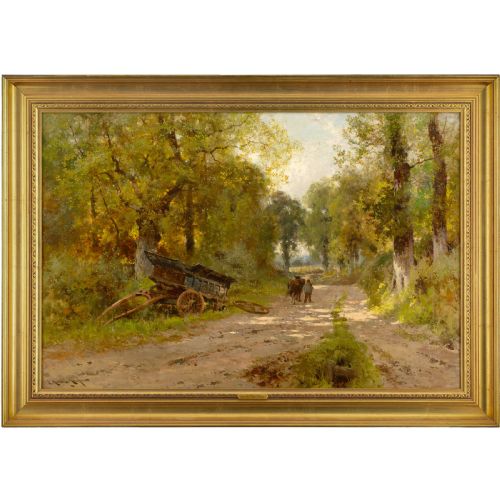
These gilt framed landscape artwork selections bring traditional pastoral scenery into a room through historic oils and watercolours.
Gilt Framed Landscape Artwork
When you search for gilt framed landscape artwork, you encounter historic paintings depicting natural scenery, coastal views, and rural life housed within ornate or moulded metallic surrounds. These pieces originate from periods spanning the Victorian era through the early twentieth century, capturing topographical scenes, waterways, and woodland settings.
The most common examples on this page are nineteenth-century and Edwardian oil paintings on canvas or panel, alongside watercolours on paper. Artists from British, Scottish, and French schools predominate, ranging from signed works by named painters to atmospheric studies from continental traditions.
How They Were Made
Makers applied oil paint or watercolour onto prepared canvas, wooden panels, or heavy paper sheets, often working en plein air or finishing compositions within studio settings. Pigments build rich depth across pastoral fields, marine harbours, and evening skies.
Surrounding the picture plane, frames consist of carved or moulded wood finished with metallic leaf or gilt pigment. These protective mounts complement the warm tones of the historic pigments within.
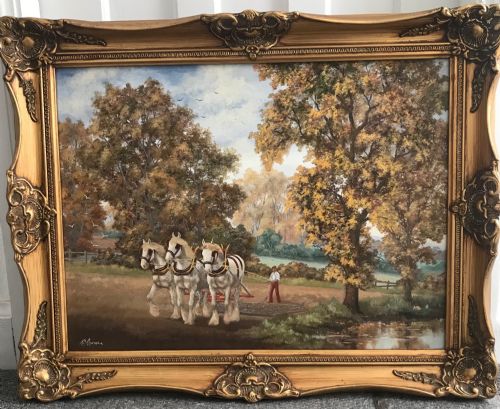
Several canvases quietly record Victorian livestock, including prized shorthorn bulls and ploughing shire horses posing patiently for posterity.
What Varies in Quality
The sophistication of brushwork and the precision of natural light handling distinguish finer compositions from simpler decorative studies. Masterful works capture atmospheric perspective and anatomical realism in figures and animals with notable confidence.
The integrity and craftsmanship of the wooden frame influence the overall presence of the piece. Hand-carved and gilded surrounds original to the period elevate the visual weight compared to later replacement mouldings.
Richard Sebastian Bond·William Beattie-Brown·George Fotherly Hargitt·Arthur Wardle·John Horace Hooper·Reginald Arthur Borstel·William Joseph Shayer Senior·Alfred Fontville de Breanski Jr·Kershaw Schofield·George Houston·William Banks Fortescue·Thomas W Lascelles·James Kay·Augusto Alberici·Gabriel Mathieu·David Bates
The Gilt Framed Landscape Artwork Glossary
- Gilt Wood
- Wood treated with gold leaf or metallic gilt finish. This technique creates a luminous, reflective border that enhances the tones of the painting.
- Oil on Canvas
- Pigment mixed with drying oil applied to stretched fabric support. This medium allows for rich blending and textured impasto work.
- Watercolour
- Pigment suspended in a water-soluble vehicle applied to paper. It yields translucent washes and delicate atmospheric effects.
- En Plein Air
- Painting outdoors to directly capture natural light and transient weather. This method produces immediate, observant representations of landscape scenes.
Gilt Framed Landscape Artwork: Frequently Asked Questions
How do I hang a heavy framed oil painting?
Ensure your wall fixings anchor directly into solid masonry or studwork to support the considerable weight of timber and plaster mouldings. Use heavy-duty picture wire attached securely to sturdy D-rings on the frame back.
Position the centre of the artwork at eye level to achieve balanced proportions within your interior space.
What lighting suits these historic landscapes best?
Warm, directional illumination accentuates the varied brushwork and metallic sheen of the gilt frame without generating excessive heat. Picture lights mounted above the frame project an even wash across the canvas.
Position pieces away from direct, harsh sunlight to prevent fading in sensitive historic pigments.
How should I clean the gilt frame?
Dust the ornate wooden mouldings gently using a soft, dry brush or a clean microfibre cloth. Avoid applying liquid cleaners or chemical polishes, which can strip away delicate metallic leaf.
Professional conservators should handle any structural repairs or restoration work on antique framing.
How can I identify the date of the painting?
Examine the reverse of the canvas, panel, or paper for artist signatures, dates, old exhibition labels, and maker stamps. stretcher frames and backing materials often reveal clues about the period of manufacture.
Stylistic elements, costume details in figures, and framing techniques further help narrow down the decade.