


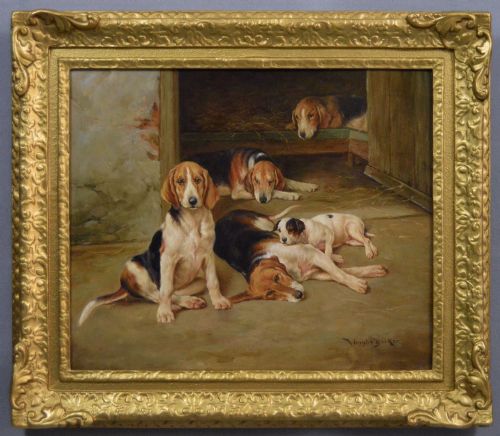
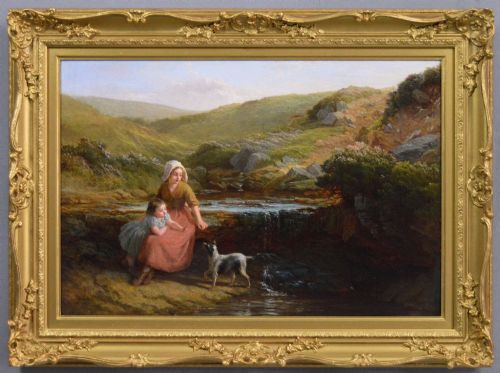
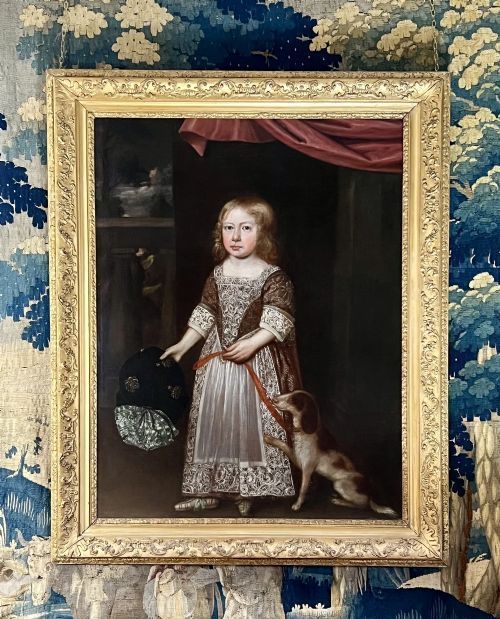
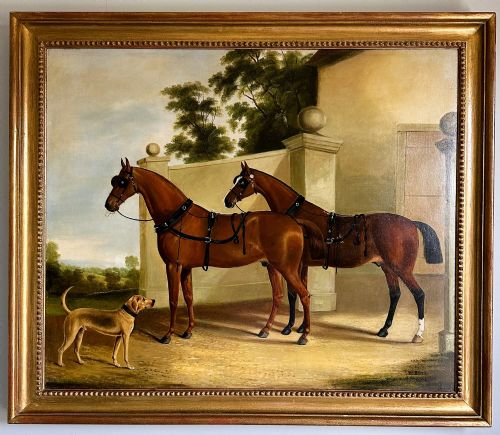

Gilt Frame Dog Painting
When you search for a gilt frame dog painting, you are looking for canine portraiture and sporting art bound in period surrounds of gold leaf and carved wood.
Gilt Frame Dog Painting
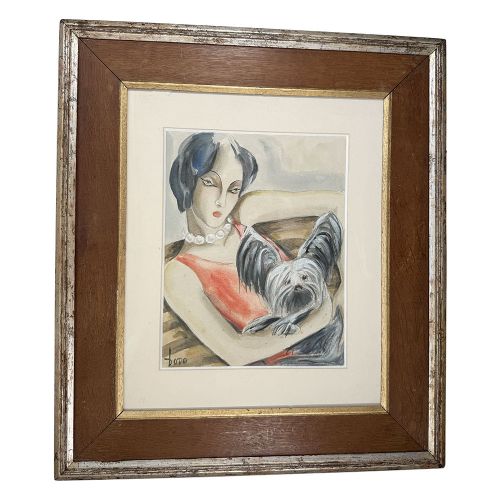
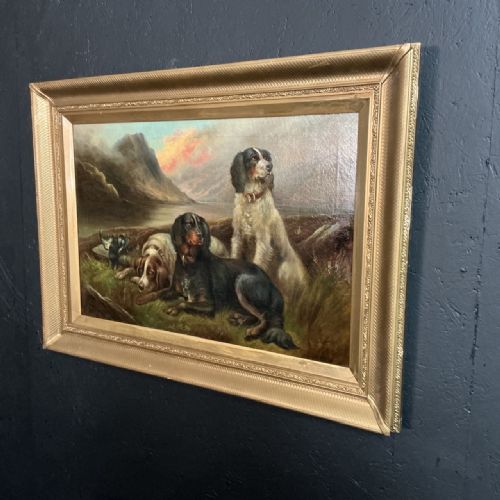
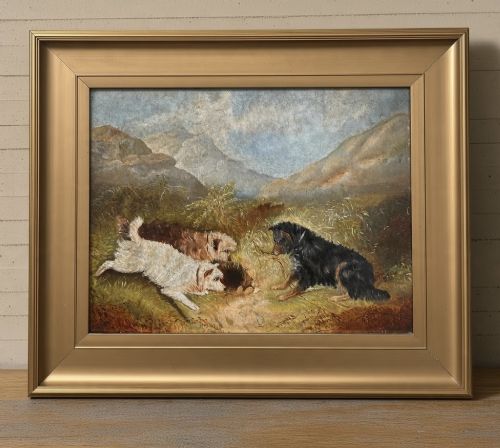
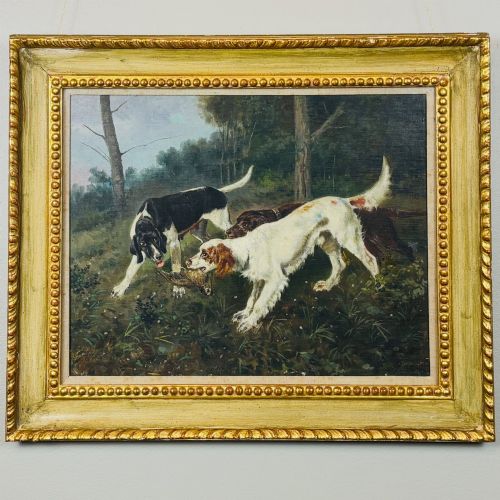
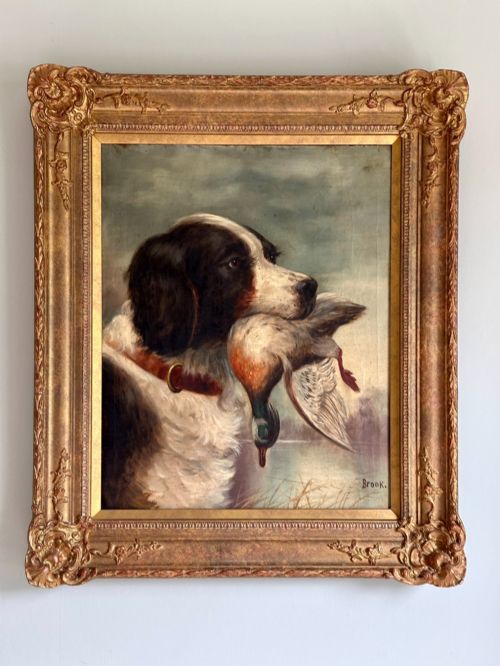
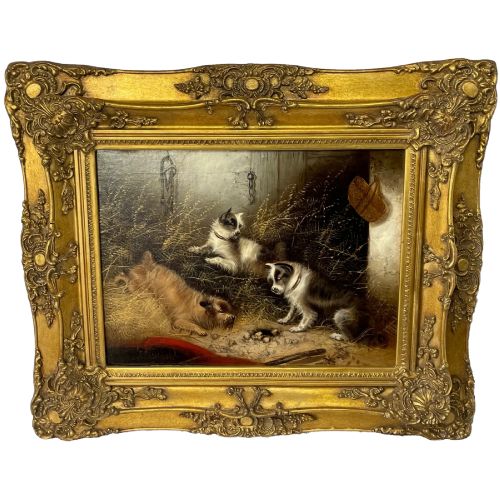
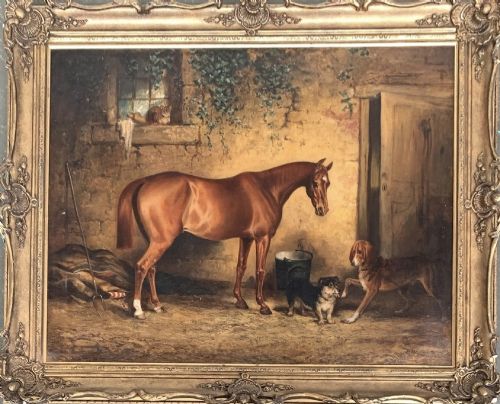
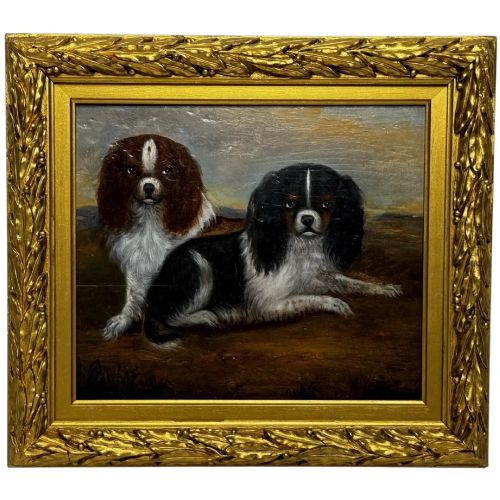
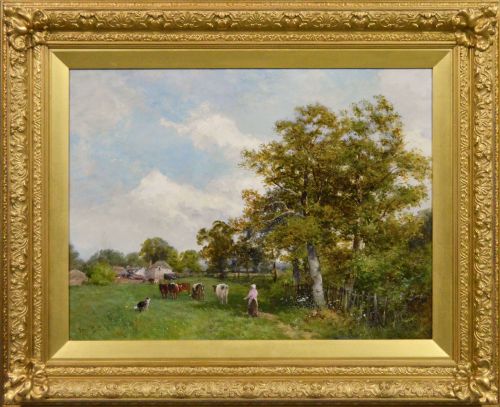
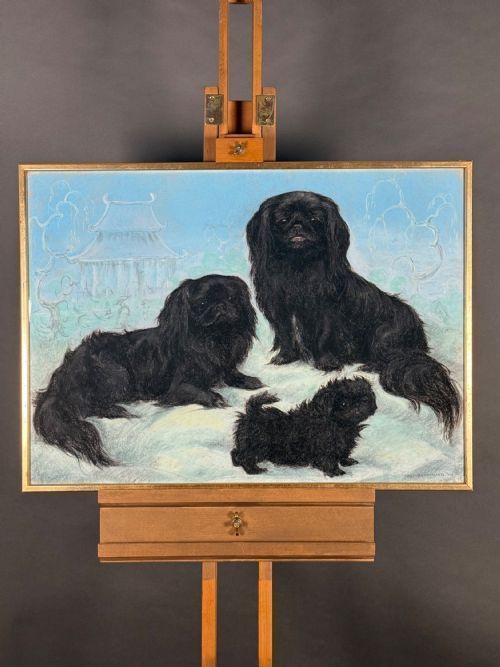
A gilt frame dog painting brings canine subjects into focus through historic mediums, most frequently encountered in Victorian sporting art and nineteenth-century portraits. Canvases depict working terriers, gundogs with mallards, spaniels, and collies, often rendered within detailed landscapes or interiors.
The selections span distinct periods, including seventeenth-century European works, eighteenth-century aristocratic portraits, and nineteenth-century realist depictions by named animal painters. These pieces range from intimate cabinet paintings of single terriers to large compositions featuring pack hounds and working gundogs.
How They Were Made
Artists worked primarily in oil paint on stretched canvas or prepared wooden boards, building rich layers to capture the texture of animal coats and the play of light in landscapes. Pastels on paper also appear among mid-twentieth-century examples.
Surrounding enclosures utilise traditional carpentry methods, combining carved wooden mouldings with layers of gesso and gold leaf or giltwood to create the characteristic metallic sheen.
Gilt Frame Dog Painting Retail Price Guide 2026
Typical asking prices for gilt frame dog painting among the pieces listed under this phrase on Sellingantiques today, from the lower quarter to the upper quarter. They describe what is for sale here now, not the wider market.
Listings feature oil paintings on canvas and board alongside pastel works, spanning from the seventeenth century through the mid-twentieth century.
What Varies In Quality
Anatomical accuracy and the deftness of brushwork separate accomplished animal painters from simpler folk-art or naive renderings. The lifelike rendering of fur, expression, and posture dictates the visual success of the portrait.
The craftsmanship of the housing matters equally, with hand-carved wooden mouldings and genuine gold leaf gilding representing a higher tier of historic presentation than later stamped or composition ornamentation.
Henry Barraud·Edward Armfield·David Bates·Martin Theodore Ward·John Sargent Noble·Sir Edwin Henry Landseer·John Emms·John Frederick Herring Senior·Arthur Wardle·William Barraud·Colin Graeme Roe·Valentine Thomas Garland·John Trivett Nettleship·Frans Snyders
The Gilt Frame Dog Painting Glossary
- Giltwood
- Wood that has been coated with thin sheets of gold leaf or metallic powder. This material defines the warm, reflective borders common to period picture frames.
- Sporting Art
- Depictions of rural pursuits, game, and working animals. This genre encompasses depictions of gundogs, hounds, and shooting scenes.
- Gesso
- A plaster-like mixture applied to wooden frame bases to create a smooth surface for gilding. It allows craftsmen to carve crisp decorative details before applying gold leaf.
- Oil on Board
- A painting executed on a rigid wooden panel rather than flexible canvas. This support offers stability and a smooth texture for detailed animal studies.
Gilt Frame Dog Painting: Frequently Asked Questions
What periods do these paintings come from?
The works span several centuries, with a heavy concentration originating in the nineteenth century and the Victorian era. Earlier European examples and mid-twentieth-century pieces also appear.
Creators utilised traditional painting techniques across these eras, evolving from formal seventeenth-century portraiture styles into naturalist nineteenth-century realism.
Are the frames original to the paintings?
Many pieces retain their period wooden and gilt surrounds, which often date to the same era as the canvas. Enclosures were frequently chosen to complement the status of the artwork.
Over the centuries, some canvases have been paired with replacement mouldings that match the historical aesthetic of the original work.
How do I identify a dog breed in a nineteenth-century painting?
Artists often documented working breeds with great precision, depicting distinct physical traits of collies, terriers, spaniels, and pointers. Examination of the dog's build and coat reveals the specific type.
Sporting art frequently reflects the exact working dogs utilised in rural field sports and hunts during the Victorian period.
Where should I hang a gilt frame dog painting?
These works suit traditional study spaces, living rooms, and hallways where traditional artwork anchors the interior decor. The reflective metallic finish pairs well with natural wood furniture.
Placement should avoid direct sunlight to protect the oil pigments and the delicate gold leaf surfaces of the wooden surrounds.