

Gilt Frame Artwork
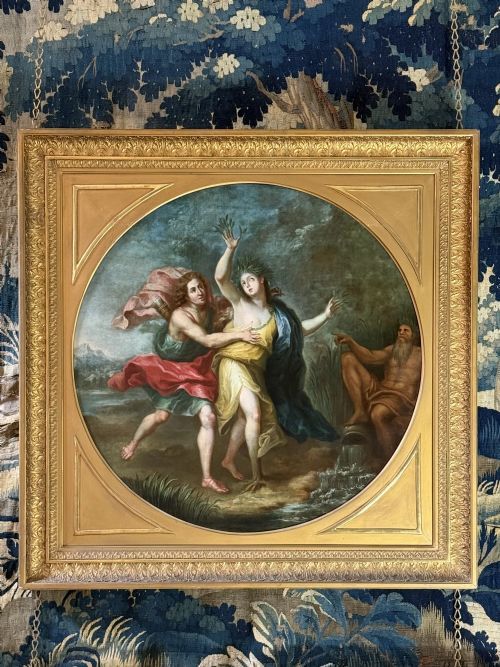
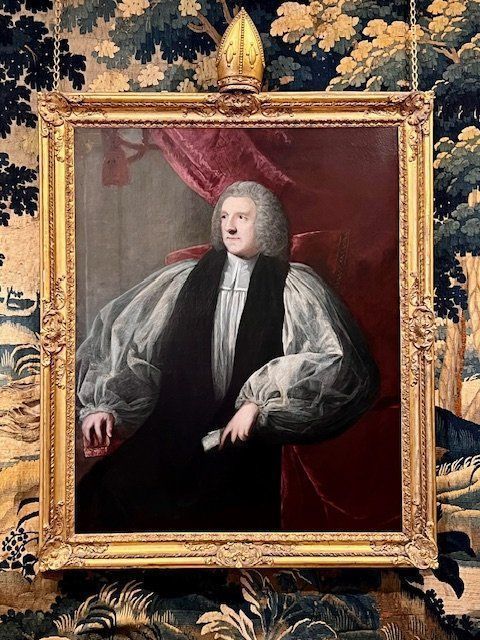
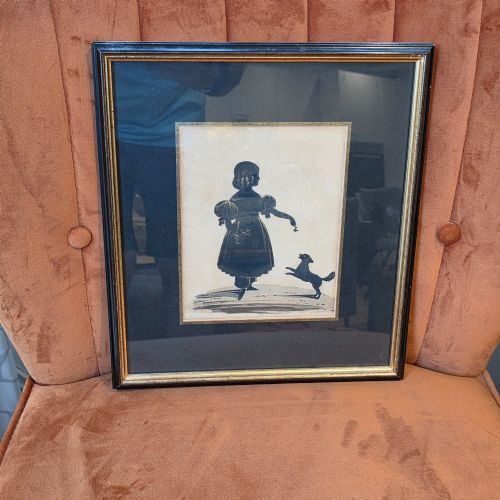
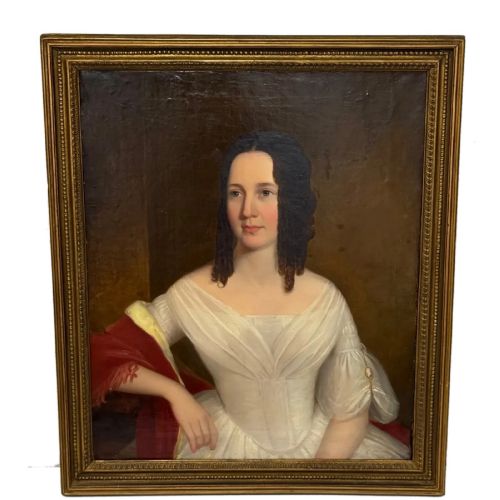
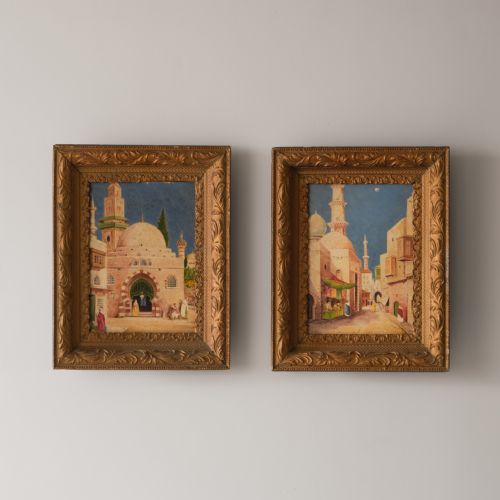
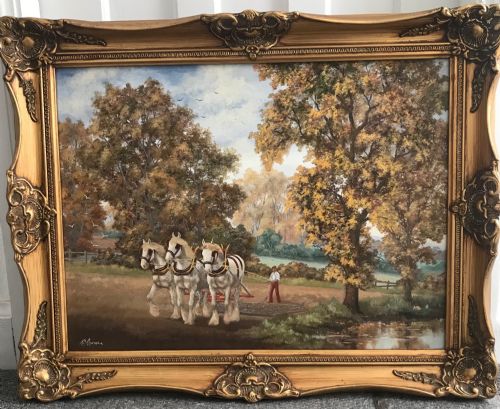
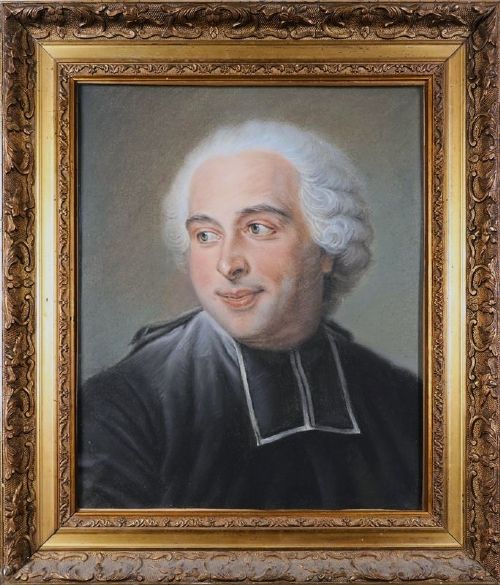
Gilt frame artwork brings warmth and reflection into a room, offering period charm through historic watercolours, oils and ornate wooden mounts.
Understanding Gilt Frame Artwork
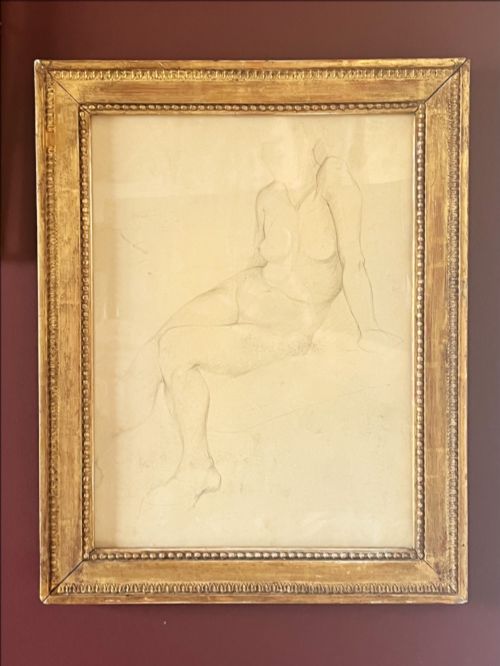
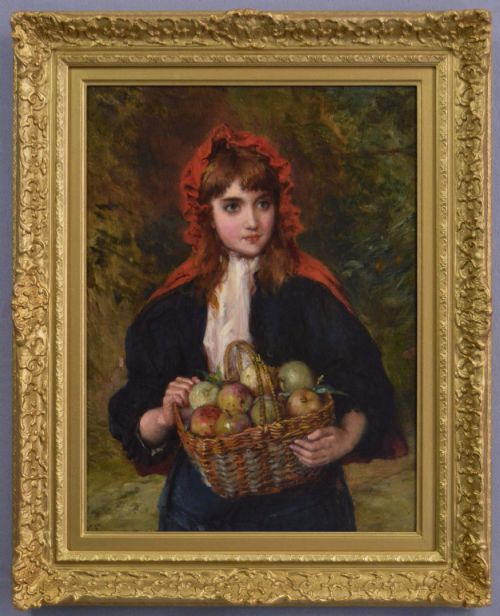
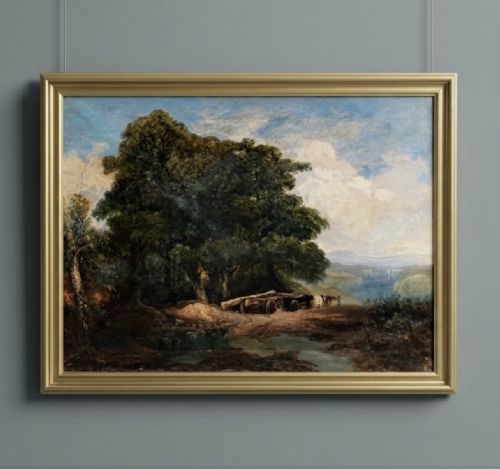
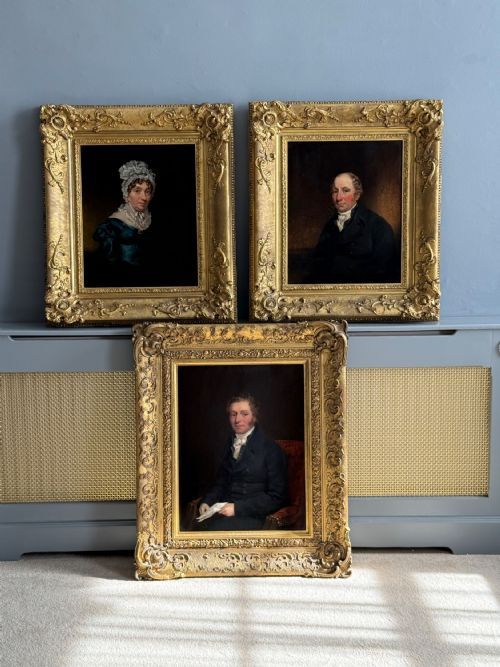
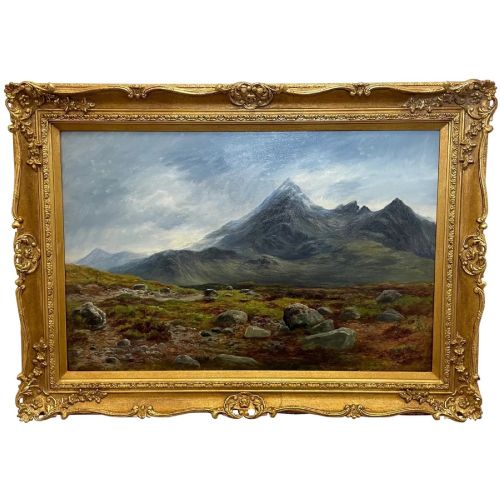
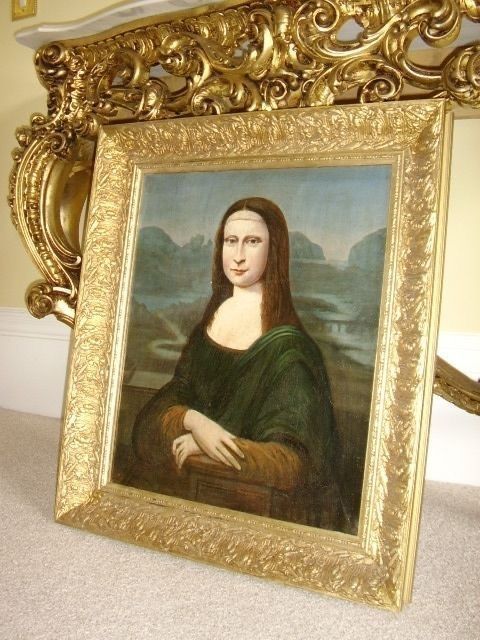
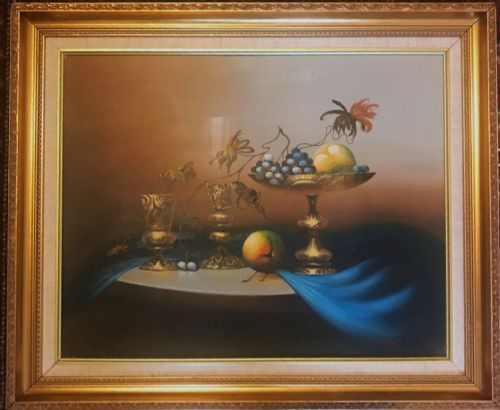
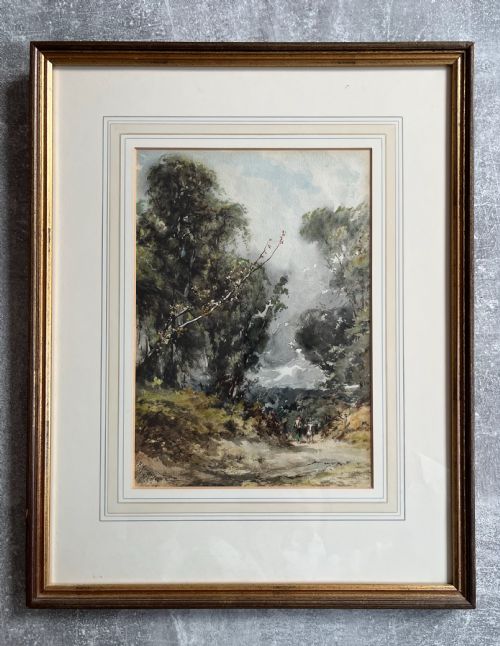
When you search for gilt frame artwork, you encounter paintings, watercolours and framed pictures housed within gilded wooden surrounds. The selection spans the nineteenth and early twentieth centuries, capturing landscape scenes, portraits and architectural subjects.
Most pieces on this page pair period watercolours or oil paintings with traditional wooden frames finished in gold leaf or gilt. Forms range from intimate landscape views to detailed character portraits and architectural studies.
Originating largely from English and European traditions, these works reflect the aesthetic preferences of the Victorian era and the early decades of the twentieth century. The dialogue between the painted surface and the gilded mount defines the overall visual impact.
Materials and Construction
Makers constructed the primary supports using paper, canvas and wood panels. Artists applied oil on canvas, watercolour and ink to these surfaces, creating depth and fine detail in landscapes and portraits alike.
The surrounds rely on gilt wood and giltwood, carved and finished to catch the light. Glass often protects works on paper, while oil paintings remain open to the room or sit within structured wooden profiles.
Listings feature works created across several decades, spanning the nineteenth century and the early twentieth century up to nineteen twenty.
Assessing Quality and Merit
The distinction between standard examples and finer pieces rests on the dexterity of the brushwork and the harmony between the picture and its mount. Superior watercolours and oil paintings demonstrate confident handling of light, shadow and composition.
The craftsmanship of the wooden frame itself plays a significant role in the overall standing of the piece. Ornate decoration and careful gilding elevate the presentation, whereas simpler mouldings offer a more understated presence.
M. C. Hider·Pio Panfili·Frank Dadd·William Jacob Baer
The Gilt Frame Artwork Glossary
- Giltwood
- Wood that has been coated with gold leaf or a gold-coloured finish. This material brings a bright, reflective quality to picture frames.
- Watercolour
- A painting method where the pigments are suspended in a water-based solution. It is typically applied to paper surfaces to create translucent washes of colour.
- Oil on Canvas
- Pigments bound in an oil medium and applied to a stretched canvas support. This technique allows for rich colour saturation and textured brushwork.
- Rebate
- The recessed groove on the inner edge of a picture frame that holds the artwork in place. It determines the maximum dimensions of the picture that can be inserted.
Frequently Asked Questions
What periods do these pieces span?
The listings encompass works from the nineteenth century up to the early twentieth century, including items dated around eighteen seventy, nineteen ten and nineteen twenty.
This broad timeframe captures shifting artistic styles from Victorian watercolours to later landscape and portrait traditions.
How are these artworks displayed in a home?
These framed pieces suit placement on living room walls, hallways or studies where adequate lighting can highlight the gold leaf.
Consider pairing smaller watercolours with neutral wall backgrounds to let the ornate frames stand out without visual competition.
What is the difference between oil and watercolour here?
Oils utilise pigment mixed with oil on canvas or wood, offering rich textures and opaque coverage. Watercolours use water-soluble pigments on paper, creating lighter, more transparent atmospheric effects.
Both mediums appear frequently within these gilded surrounds.
Are the frames original to the art?
Many pieces retain frames appropriate to their period of creation, echoing the stylistic norms of nineteenth and early twentieth-century framing.
Ornate wooden surrounds were often selected specifically to complement the tone and subject matter of the enclosed painting.