



Gilt Display Pedestal
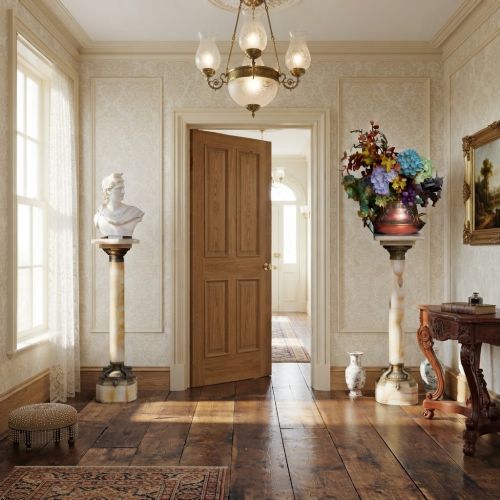
A gilt display pedestal elevates an objet d'art or flora, bringing height and gilded presence to a room.
Gilt Display Pedestal
When you search for a gilt display pedestal, you encounter columns, torcheres, and plinths designed to showcase sculptures, urns, and plants. The examples gathered here span the nineteenth century, including Victorian, Regency, and Edwardian periods, alongside continental European workshops.
The objects take diverse structural shapes, from cylindrical cabinets and tripod stands to tall architectural columns. Many pieces originate from France, Italy, and Britain, displaying forms ranging from neoclassical proportions to ornate rococo curves.
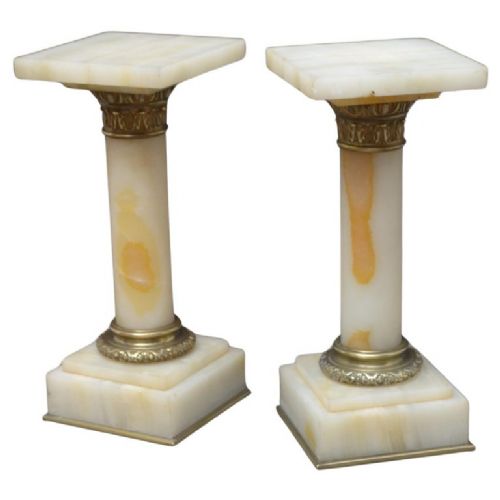
Makers and designers utilised these tall stands for interior display, matching the decorative tastes of periods such as the Aesthetic Movement and French Empire. You will find matched pairs as well as individual columns intended to anchor corners or focal points in reception rooms.
Craftsmanship and Proportion
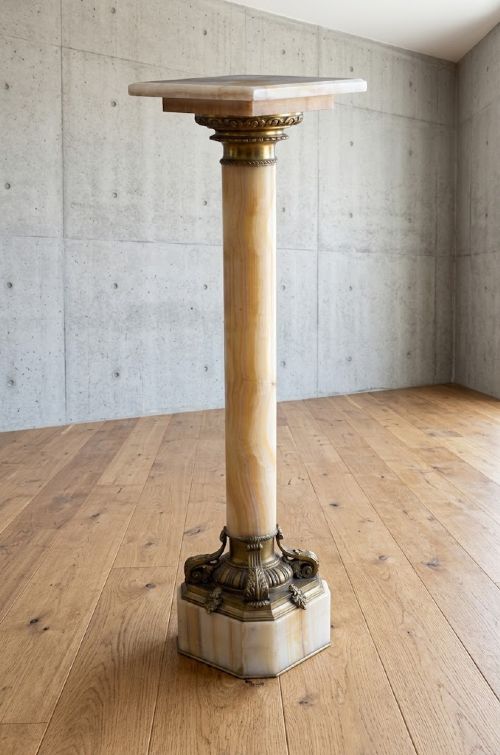
The distinction between standard utility stands and exceptional pieces lies in the crispness of the carved ornament and the weight of the bronze or ormolu mounts. Finer examples display meticulous gilding and hand-carved botanical or classical motifs that retain their definition beneath layers of historical surface finish.
Structural integrity and material selection dictate the upper tier of pieces, particularly where heavy stone elements like marble and onyx integrate seamlessly with timber columns. The harmony of proportions between the capital, shaft, and base separates ambitious workshop commissions from simpler commercial productions.
The listings incorporate diverse materials including marble, onyx, giltwood, ormolu, and paint across nineteenth-century styles.
Gillow & Co.·François Linke·Marguerite
The Gilt Display Pedestal Glossary
- Torchere
- A tall stand or ornamental candlestick designed to hold a light source or display an object at height. These slender columns often feature tripod bases or circular platforms.
- Ormolu
- Gilded bronze applied as decorative mounts, collars, or feet on nineteenth-century furniture and pedestals. The technique involves treating brass or bronze with an amalgam of gold.
- Gesso
- A plaster-like mixture applied to wood surfaces to create a smooth base for gilding or painting. Artisans carve intricate relief patterns directly into this hardened material.
- Plinth
- The lower square block or base supporting a column, statue, or pedestal. It provides physical stability and visual grounding for tall display pieces.
- Neoclassical
- A style drawing inspiration from classical antiquity, characterised by symmetry, straight lines, and architectural motifs such as fluting and acanthus leaves.
Gilt Display Pedestal: Frequently Asked Questions
What fits on a torchere?
Torcheres accommodate items with small footprints, such as bronze sculptures, porcelain urns, or trailing houseplants. The flat upper surface provides an elevated stage that draws the eye upward.
Heavier items require careful balancing to ensure stability, as these tall stands possess a high centre of gravity.
How do I style a pedestal?
Place a single column in an empty corner to break up monotonous wall space, or use a matched pair to frame a doorway or fireplace. Keeping the surrounding area uncluttered allows the architectural silhouette to stand out.
Avoid overcrowding the top surface so the decorative materials of the column remain visible.
Are marble tops original?
Many nineteenth-century stands feature inset marble or onyx slabs designed to withstand the weight of heavy vases and resist moisture from plants. These stone elements were fitted during the initial construction.
Checking the underside reveals how the stone sits within the wooden collar or frame.
How do I date these columns?
Dating relies on stylistic clues, such as neoclassical proportions pointing to the Regency era or elaborate ormolu mounts indicating the reign of Napoleon III. Timber types and construction methods beneath the gilding also offer chronological markers.
Comparing the decorative vocabulary against documented nineteenth-century design manuals clarifies the period.