

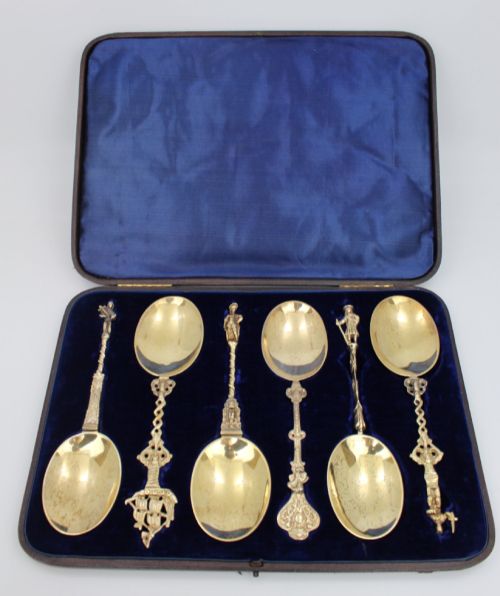


Gilt Dessert Plates
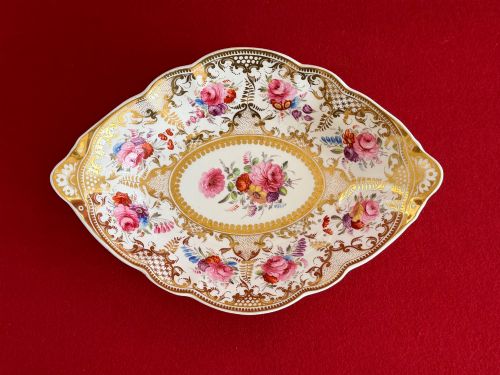
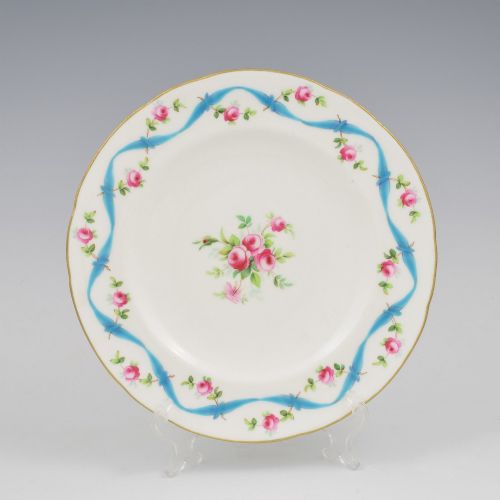
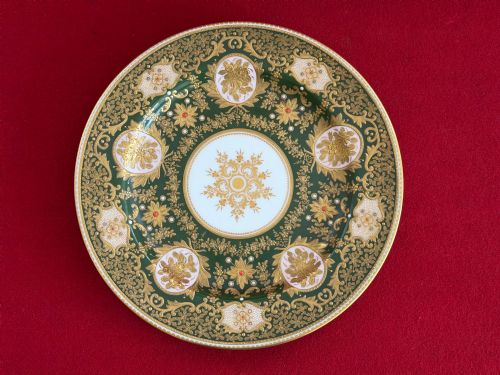
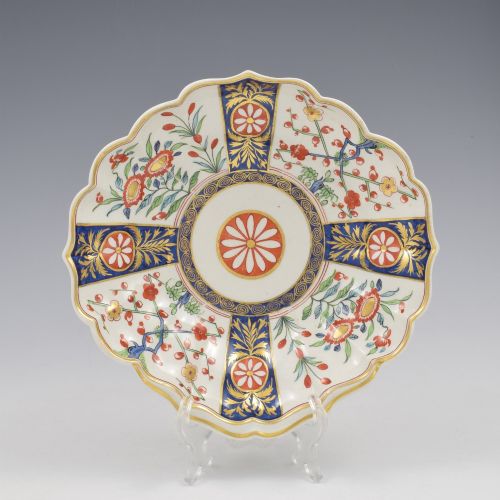
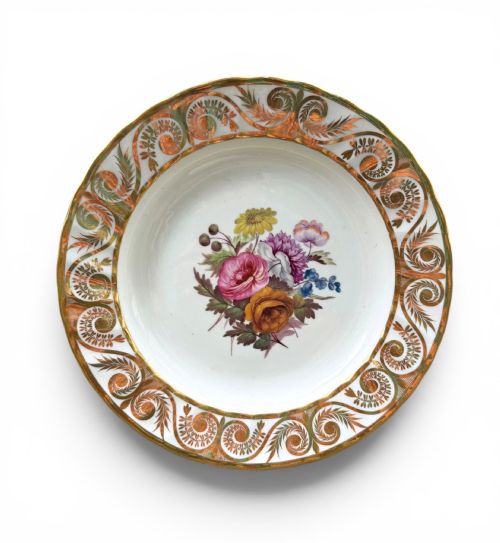
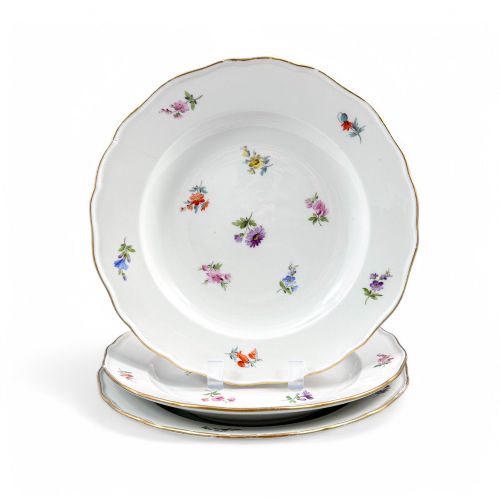
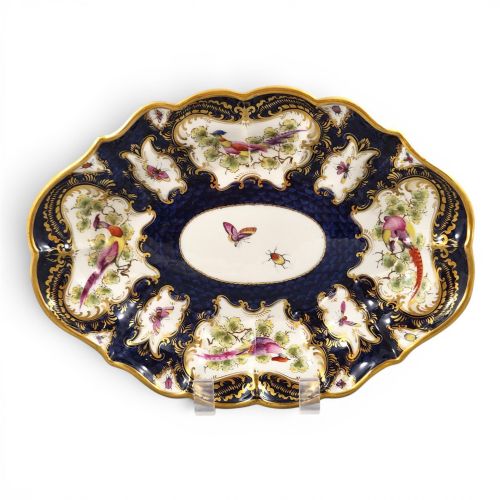
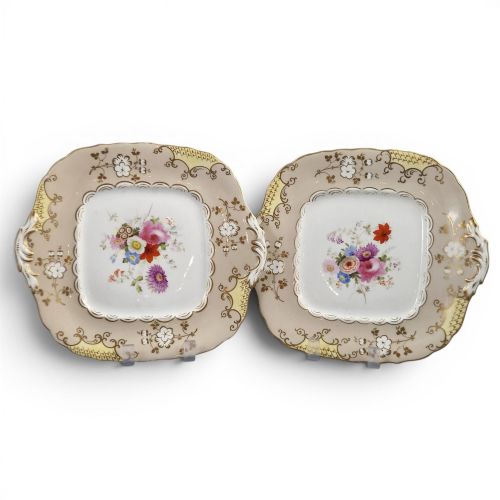
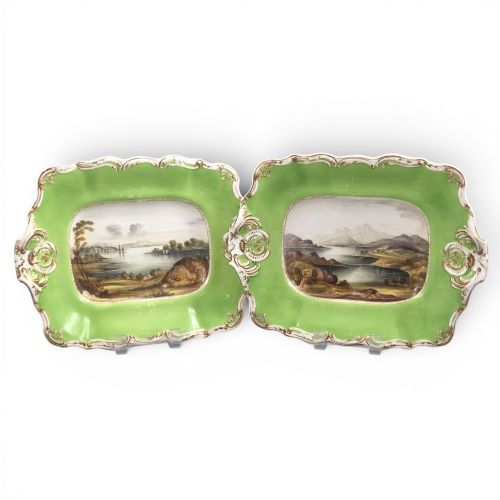
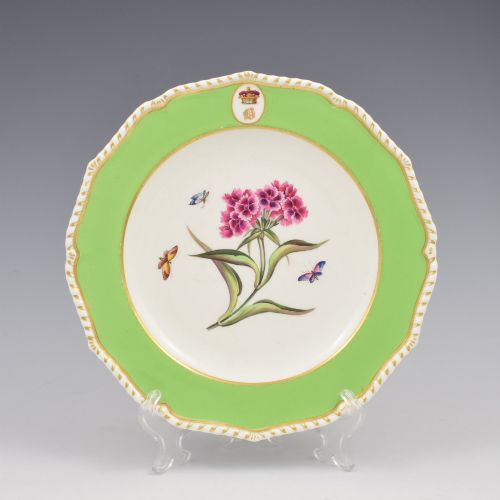
These gilt dessert plates bring rich ceramic bodies and hand-painted botanical or topographical scenes together from Georgian, Victorian, and Edwardian dining rooms.
Gilt Dessert Plates
Gilt dessert plates form part of larger table services or appear as individual cabinet pieces meant for display after the main meal. They emerge in porcelain, bone china, and soft-paste porcelain across the eighteenth, nineteenth, and early twentieth centuries.
The versions met most frequently on this page stem from English factories such as Worcester, Derby, Minton, and Coalport, alongside continental porcelain houses. They take the shape of round plates, shaped dishes, and shell forms.
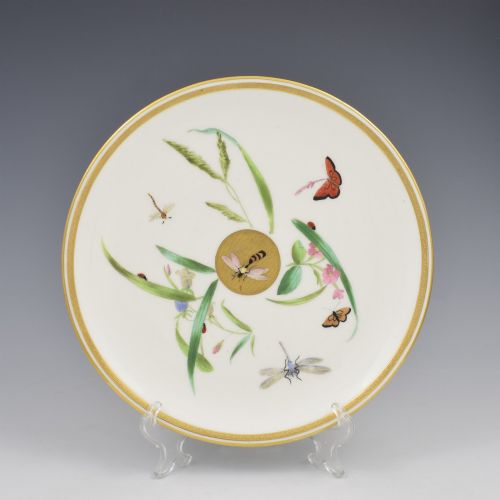
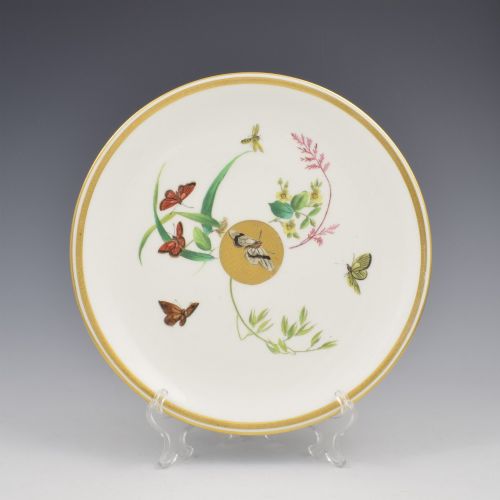
Makers decorated these surfaces with hand-painted flowers, armorial bearings, landscapes, and Japanese-inspired motifs, framing them with applied gold leaf and gilding along the borders.
How they were made
Potters shaped these vessels using hard porcelain, bone china, or soft-paste porcelain, firing the ceramic bodies before applying underglaze blue, enamel colours, and detailed hand-painting.
Gilding and gold leaf were hand-painted or applied as leaf onto the borders and patterns, then fixed with a subsequent low-temperature kiln firing to bond the metal to the glaze.
Gilt Dessert Plates Retail Price Guide 2026
Typical asking prices for gilt dessert plates among the pieces listed under this phrase on Sellingantiques today, from the lower quarter to the upper quarter. They describe what is for sale here now, not the wider market.
Listings feature porcelain, bone china, and soft-paste porcelain decorated with gold leaf, enamel, and velvet across the eighteenth, nineteenth, and twentieth centuries.
What varies in quality
The precision and detail of the hand-painted elements separate standard factory output from pieces bearing named artist attribution or specific armorial commissions. Botanical studies, topographical views, and complex enamelling demand greater skill than repeating transfer prints or simple floral borders.
The weight of the porcelain body, the purity of the white ground, and the richness of the gilding dictate the grade of the service. Thick, heavy potting sits at the lower end, while translucent bodies with burnished gold leaf represent the peak of production.
Daventport·Grainger Lee & Co·Derby·Minton·Royal Worcester·Coalport·Daniel Arter·Copeland & Garrett·Meissen·Bloor Derby·Rockingham Pottery·Chantilly·Flight Barr & Barr·Chamberlain Worcester·Sevres·Crescent China·Wedgwood·Royal Crown Derby
The Gilt Dessert Plates Glossary
- Gilding
- The application of gold leaf or powdered gold suspended in a medium to ceramic surfaces. It provides the metallic borders characteristic of these plates.
- Armorial
- A decoration featuring a coat of arms or family crest. These bespoke motifs denote commission for a specific noble household.
- Soft-paste porcelain
- An artificial ceramic body composed of clay, glass, and frit, fired at lower temperatures than hard paste. It produces a warm, creamy glaze popular in eighteenth-century French and English wares.
- Bone china
- A porcelain body containing bone ash, invented in England to create a strong, brilliantly white ceramic. It takes enamels and gilding cleanly.
- Enamel
- Opaque glass fused to the porcelain surface at high heat to create vibrant, permanent colours. Painters used enamels for botanical and figural scenes.
Gilt Dessert Plates: Frequently Asked Questions
How were gilt dessert plates used?
These plates served fruit, sweetmeats, and confections at the conclusion of formal Georgian and Victorian dinners. Guests used them after the main table had been cleared.
Many examples were later transferred to wall display or kept in cabinets as decorative cabinet plates rather than utilised for dining.
How can I tell the period?
Examine the paste, weight, and factory marks on the underside of the ceramic body. Eighteenth-century pieces often feature soft paste or early Worcester crescents, while Victorian examples display registration diamonds or impressed factory ciphers.
Stylistic shifts, such as the Japanese influence on Aesthetic Period Minton, also date the decoration accurately.
Are these plates safe for food?
Historic porcelains often carry lead-based enamels and worn surfaces from centuries of use. Most collectors treat them as display objects rather than functional tableware.
If utilised for serving dry foods, avoid acidic items that might interact with older enamel colours.