



Gilt Bronze Hardware
These gilt bronze hardware pieces are cast and finished metal fittings that lend an immediate touch of period grandeur to doors, cabinets, and windows.
Gilt Bronze Hardware
When you search for gilt bronze hardware, you encounter a selection of decorative metalwork designed for functional domestic use. The objects on this page range from nineteenth-century French ormolu curtain tie backs to Japanese door pulls and Art Deco cabinets.
The most common versions you will meet here are nineteenth-century French curtain tie backs created in revival styles. Alongside these European pieces, Japanese hikite door handles from the mid-nineteenth century also appear, offering an alternative aesthetic with enamel details.
Materials and manufacture
The items are constructed from metals such as bronze, brass, and patinated bronze, often enhanced with gold leaf, ormolu, or enamel. These materials provide the weight and durability necessary for everyday architectural use.
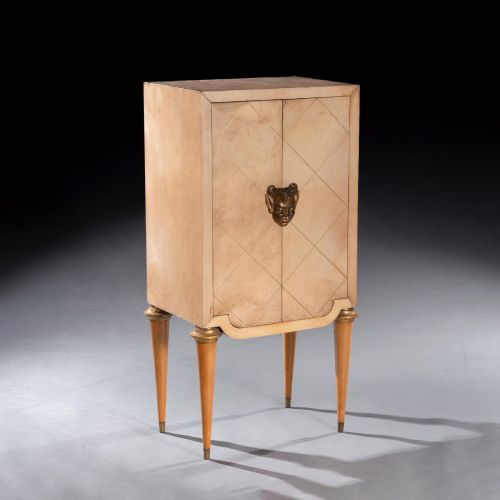
Finishes range from the bright gleam of fire-gilt ormolu to the delicate application of enamelwork on Japanese door pulls. Structural elements in cabinetry combine patinated bronze hardware with parchment inlays over wooden carcases.
Gilt Bronze Hardware Retail Price Guide 2026
Typical asking prices for gilt bronze hardware among the pieces listed under this phrase on Sellingantiques today, from the lower quarter to the upper quarter. They describe what is for sale here now, not the wider market.
Judging quality in metalwork
Quality rests upon the crispness of the cast and the depth of the chasing work applied to the metal. Superior pieces retain sharply defined motifs, whether rendering French Rococo scrolls or Gothic dragons with distinct clarity.
The integration of secondary materials, such as vitreous enamel on butterfly designs or parchment on cabinet doors, demonstrates the maker's technical ambition. Lesser items show softer surface details and simpler, less disciplined finishing.
Maurice Jallot·Henri Picard
The Gilt Bronze Hardware Glossary
- Ormolu
- A method of applying finely ground gold-mercury amalgam to a bronze object, creating a rich golden surface finish. It is characteristic of decorative French metalwork.
- Hikite
- A traditional Japanese recessed door pull handle used on sliding doors and fusuma. They often feature detailed metalwork and enamel decoration.
- Peltet
- A narrow wooden board placed above a window to conceal curtain fixtures, sometimes fitted with decorative metal borders. They frame drapery installations.
- Tie back
- A wall-mounted fixture used to hold back window curtains during the day. They appear frequently in nineteenth-century French interiors.
- Chasing
- The manual tooling of a metal casting with punches and hammers to refine surface details. Fine chasing separates standard commercial work from superior artistic production.
Gilt Bronze Hardware: Frequently Asked Questions
How do I install curtain tie backs?
Curtain tie backs mount directly into the wall timber or plaster adjacent to the window frame. Ensure you use appropriate fixings to support the projection of the metal arm.
Position them at a height that gathers the drapery gracefully without straining the fabric when the curtains are pulled back during daylight hours.
What is the difference between ormolu and brass?
Ormolu refers specifically to gilded bronze where a gold layer adheres to a bronze base, resulting in a deep, warm metallic lustre. Brass is an alloy of copper and zinc with a yellower, uniform composition throughout.
Victorian hardware often utilises both materials depending on the desired decorative effect and the manufacturing cost of the object.
How do I clean gilt bronze hardware?
Dust the surface gently with a soft, dry cloth to remove everyday accumulation without disturbing the finish. Avoid abrasive metal polishes that strip away gold leaf or ormolu.
Moisture should be kept away from enamel sections and parchment inlays to prevent lifting or staining the delicate decorative components.
Where were Japanese hikite used?
Japanese hikite are flush-fitting door pulls designed for traditional sliding interior doors in nineteenth-century buildings. Their recessed shape allows doors to pass smoothly past one another.
They function both as practical finger holds and as decorative focal points featuring motifs like butterflies.