


Gilt Bronze French Drawers
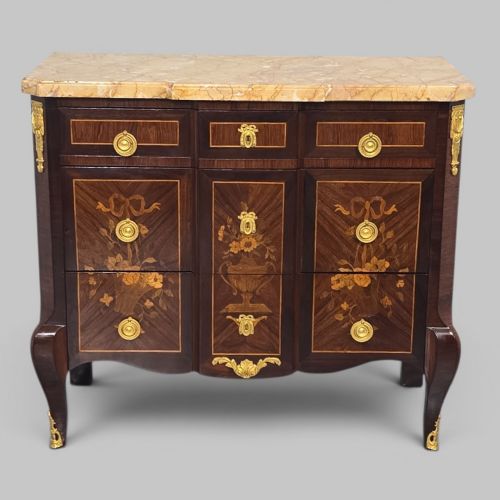
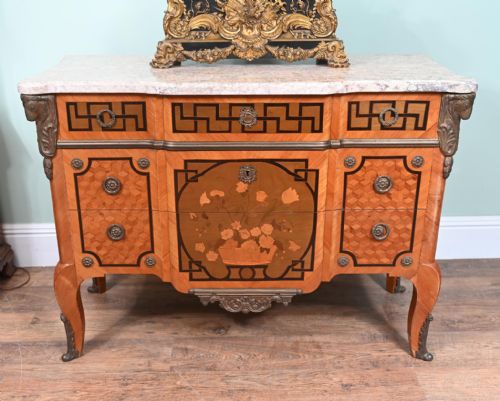
Gilt bronze french drawers encompass ornate commodes, bedside tables, and secretaires carrying sophisticated metal mounts.
Gilt Bronze French Drawers
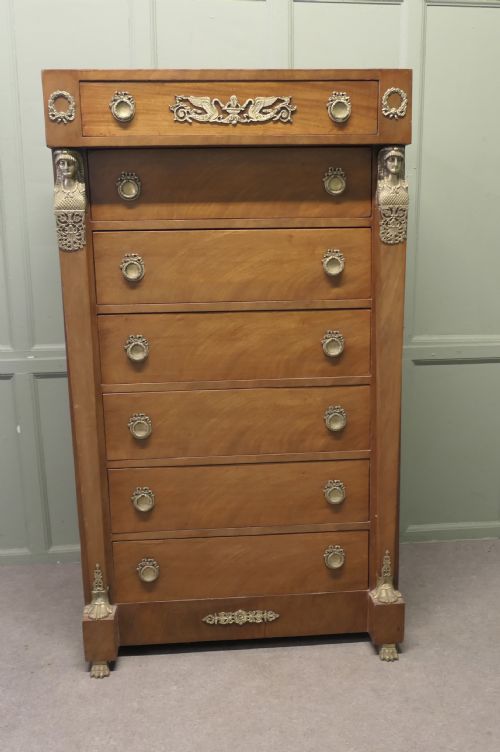
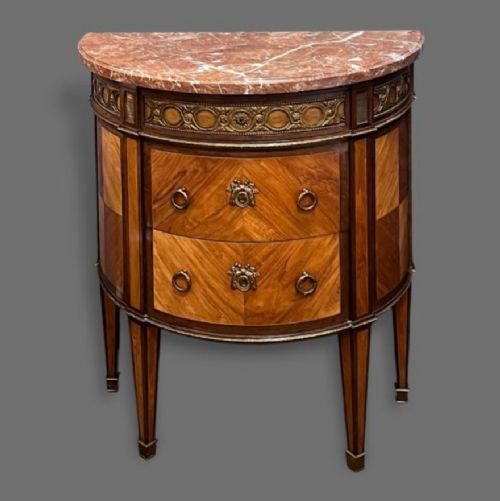
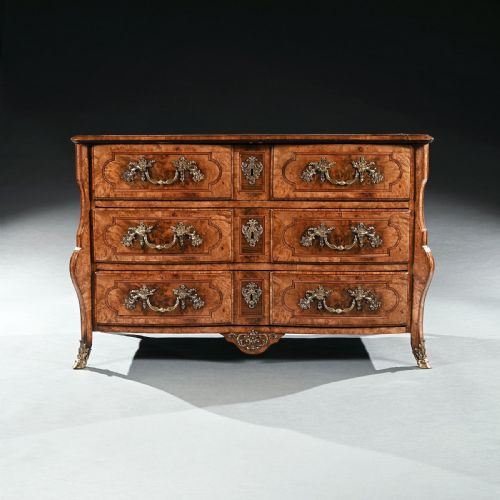
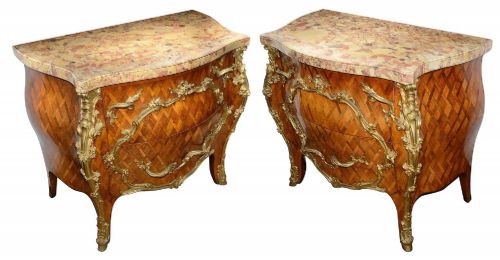
When searching for gilt bronze french drawers, buyers encounter a variety of forms centred around commodes, chests of drawers, and bedside tables. These items emerge primarily from nineteenth-century revivals as well as earlier eighteenth-century periods, capturing distinct continental aesthetics.
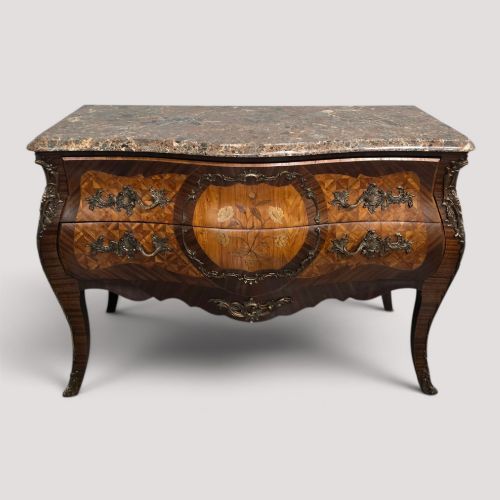
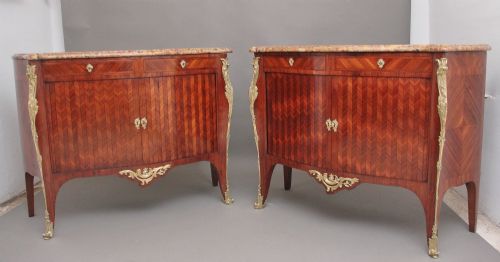
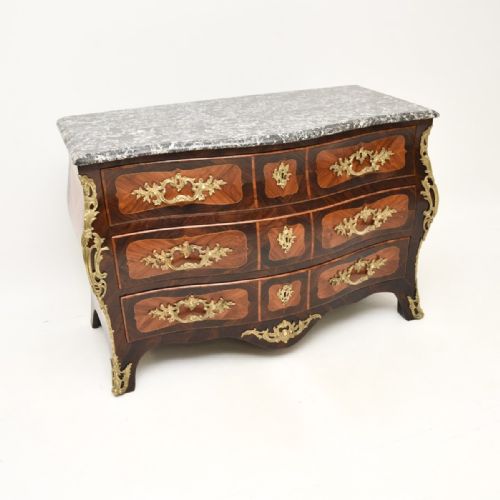
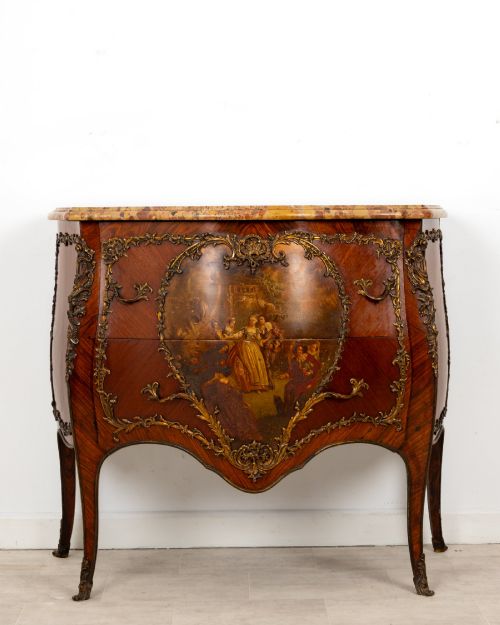
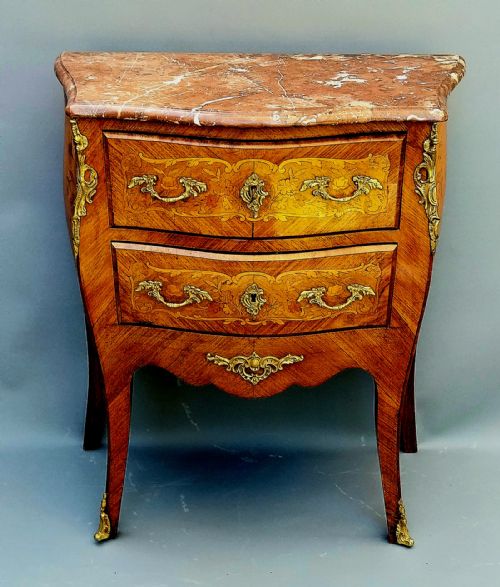
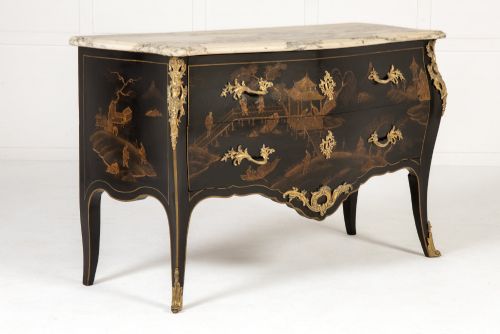
The pieces typically manifest as marble-topped commodes, bombe-shaped cabinets, and tall secretaire chests. Surviving examples demonstrate forms associated with Louis XV, Louis XVI, and Neo-Classical design traditions originating from France.
Materials and construction
Construction relies on timber carcasses shaped from walnut, kingwood, satinwood, and rosewood, frequently enhanced with intricate marquetry or parquetry patterns. Surface decoration extends to vernis martin and japanned lacquer finishes.
Gilt bronze and ormolu mounts are cast and applied to corners, handles, and aprons, paired commonly with inset marble slabs on the upper surfaces.
Some serpentine commodes hide writing surfaces behind deep drawers designed to look like single grand facades.
Distinctions in craftsmanship
Quality separates through the precision of the timber inlay and the crispness of the cast gilt bronze or ormolu mounts. Finer examples display meticulous grain matching and tightly fitted joints across complex curved surfaces.
The integration of heavy marble tops and the depth of the chased metal ornamentation dictate the standing of individual commodes and cabinets.
Jacques Bircklé·Thomas Hache·Jean-Henri Riesener·Victor Raulin·Charles Cressant
The Gilt Bronze French Drawers Glossary
- Ormolu
- Gilt bronze ornamentation applied to furniture mounts. This technique involves gilding a mercury and bronze amalgam.
- Commode
- A decorative chest of drawers standing low to the ground. These pieces often feature marble tops and elaborate mounts.
- Bombe
- A bulging, outward-curving contour found on cabinet sides and fronts. The profile swells toward the lower section.
- Marquetry
- Decorative patterns formed from fitted veneer pieces. Craftsmen arrange varied wood timbers to create pictorial designs.
- Secretaire
- A writing desk incorporating a pull-down flap and internal drawers. These units frequently form part of tall cabinets.
Gilt Bronze French Drawers: Frequently Asked Questions
What periods do these chests date from?
The pieces span from the eighteenth century through to nineteenth-century revivals and early twentieth-century interpretations. Eighteenth-century originals contrast with later nineteenth-century pieces produced during historic revival movements.
Craftsmen across these eras utilised traditional French cabinet-making methods, adapting classical styles for successive generations.
How do I identify a marble top commode?
Commode chests frequently incorporate fitted stone slabs directly onto their upper surfaces, matching the contours of the timber base below. These stones range from plain varieties to coloured marble.
The heavy stone top sits unattached or secured within the wooden frame of the cabinet body.
Where were these cabinets placed in a home?
Historically, such decorative furniture functioned in principal reception rooms, bedrooms, and boudoirs as both storage and display surfaces. Bedside tables and smaller chests served private chambers.
Larger commodes occupied prominent wall spaces in salons to showcase decorative ornaments and porcelain.
What is the difference between ormolu and gilt bronze?
Ormolu specifically describes high-purity gold gilding applied to a bronze base using a mercury amalgamation process. Gilt bronze serves as the broader technical term for any bronze object coated in gold.
Both terms describe the metallic mounts seen on French furniture from the eighteenth and nineteenth centuries.