




Gilt Bronze Fire Guard
A gilt bronze fire guard brings warmth and French style to a hearth, combining heavy cast metal with fine wire or steel mesh.
Gilt Bronze Fire Guard
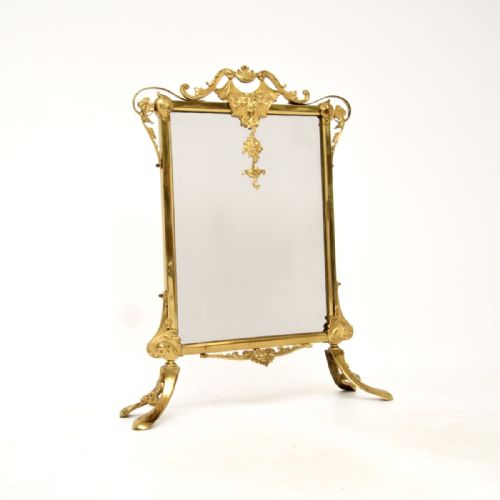
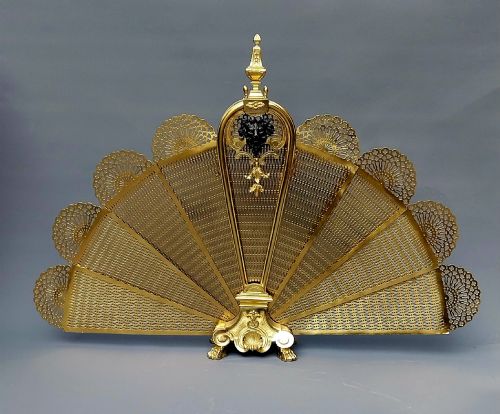
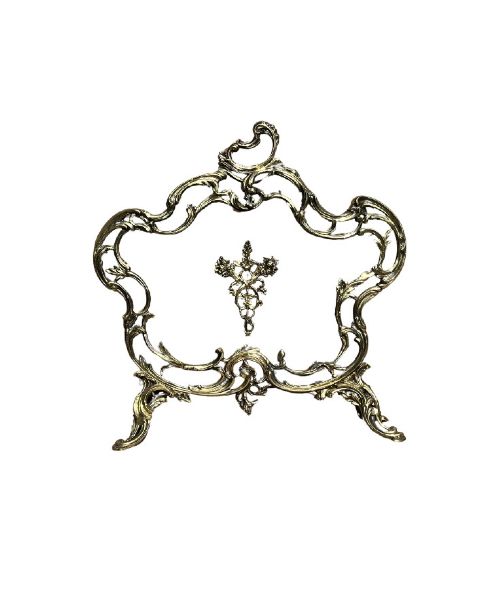
When you search for a gilt bronze fire guard, you encounter decorative hearth furniture primarily originating from French workshops during the nineteenth century. These objects function as practical spark guards while serving as sculptural centrepieces in a room.
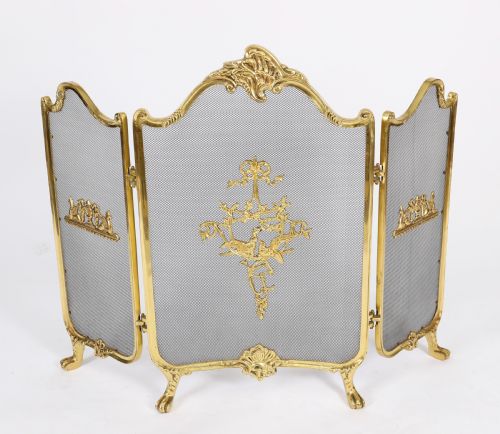
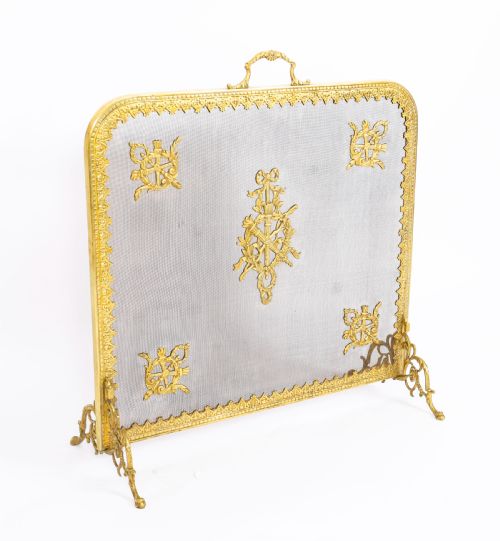
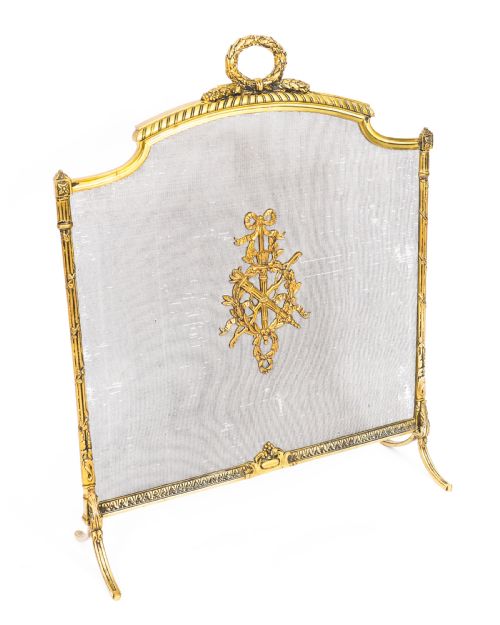
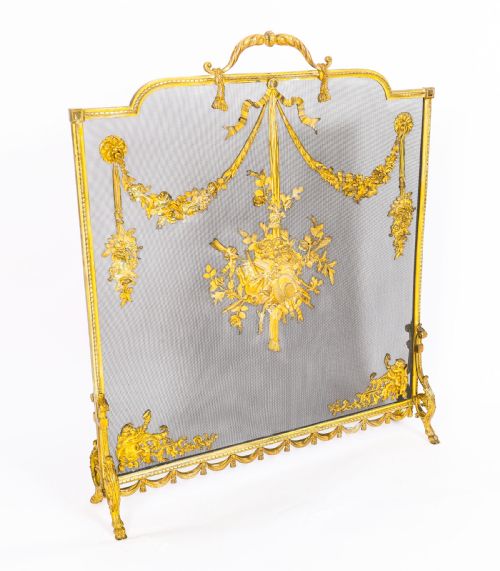
The most common form on this page is the French fire screen, often styled in the Rococo, Louis XVI Neoclassical, or Empire Revival taste. They frequently display cast motifs such as flaming torches, musical trophies, and floral arrangements.
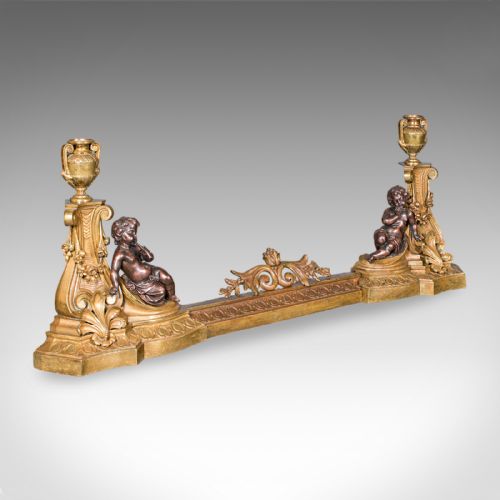
Alongside folding and single-panel screens, the selection includes adjustable fireplace fenders, bronze and ormolu mounted chenets, and fire kerbs. These pieces span from the early nineteenth century through to the Edwardian period in 1910.
What varies in quality
Quality rests in the crispness of the casting and the depth of the chased detail across the gilt bronze or ormolu mounts. Finer examples display sharp relief in floral garlands, flaming torches, and classical trophies without softening of the contours.
The choice of materials and the rigidity of the mesh panels also distinguish the work, alongside whether a piece bears a recorded maker mark such as Bouhon Frères. Sturdiness in the adjustable mechanisms and overall balance dictate the success of the construction.
Gilt Bronze Fire Guard Retail Price Guide 2026
Typical asking prices for gilt bronze fire guard among the pieces listed under this phrase on Sellingantiques today, from the lower quarter to the upper quarter. They describe what is for sale here now, not the wider market.
Several pieces incorporate cast flaming torches and musical trophies, ensuring the hearth remains lively even when the fire is completely unlit.
Bouhon Frères
The Gilt Bronze Fire Guard Glossary
- Gilt bronze
- Copper alloy coated with a thin layer of gold to give a rich metallic finish. It forms the primary decorative body for many French hearth screens.
- Ormolu
- Finely ground high-carat gold applied to a bronze base using a mercury amalgamation technique. This historic process creates a distinctive warm lustre.
- Chenet
- French term for firedogs or andirons used to support logs in an open hearth. They frequently match the design of the associated fire screen.
- Fire fender
- A low metal barrier placed around the hearth to contain ash and embers. Adjustable versions can be altered to fit specific fireplace openings.
- Louis XVI Neoclassical
- A decorative style favouring straight lines, symmetry, and classical motifs like ribbons and urns. It contrasts with the asymmetrical curves of earlier Rococo designs.
Gilt Bronze Fire Guard: Frequently Asked Questions
What is a gilt bronze fire guard?
A gilt bronze fire guard is a decorative hearth screen or fender designed to protect a room from stray sparks while ornamenting the fireplace.
Most examples date from the nineteenth century and incorporate cast bronze, brass, or gilt metal frames fitted with protective wire mesh.
How do you clean gilt bronze?
Cleaning gilt bronze requires gentle dusting with a soft brush to protect the delicate gold leaf or ormolu surface.
Harsh chemical polishes must be avoided entirely because they can strip away the historical gilding and expose the base metal underneath.
Are these fire guards adjustable?
Certain pieces, particularly nineteenth-century brass and bronze fenders, feature sliding mechanisms that allow the width to expand or contract.
Fixed fire screens rely on their sturdy freestanding feet rather than movable parts to remain stable in front of the hearth.
What styles are most common?
French Rococo and Empire Revival styles dominate the selection, featuring elaborate motifs like flaming torches, floral garlands, and musical trophies.
Victorian and Louis XVI Neoclassical designs also appear frequently among the nineteenth-century listings.