

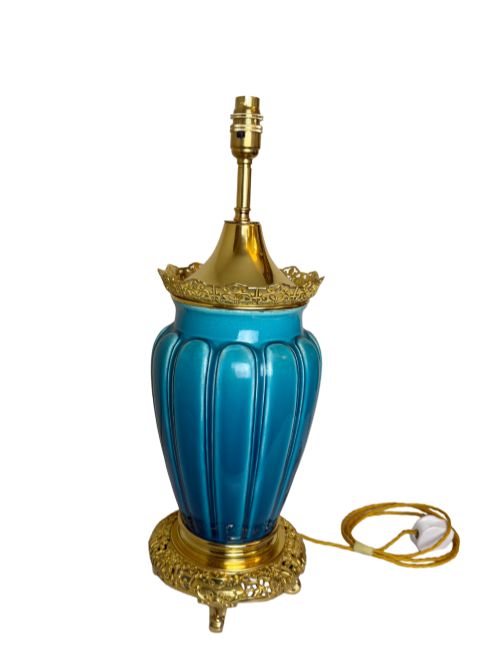
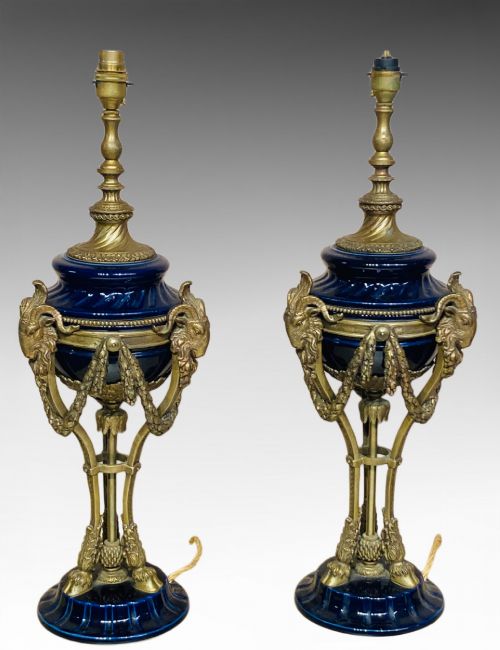
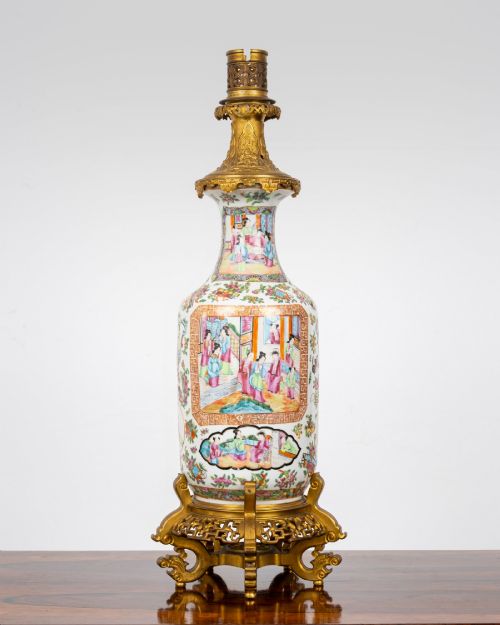

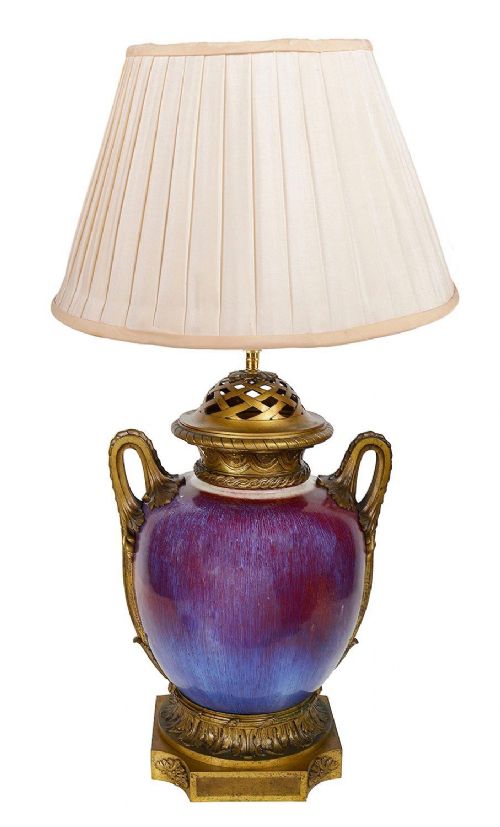


Gilt Bronze Ceramic Lamp
A gilt bronze ceramic lamp combines fine porcelain or earthenware with cast metal mounts to illuminate a room with classic elegance.
Gilt Bronze Ceramic Lamp
When you search for a gilt bronze ceramic lamp, you encounter lighting created by mounting Asian and European ceramic vessels onto metal bases and necks. The form typically pairs a porcelain or earthenware body with cast metal elements.
The pieces on this page span the eighteenth, nineteenth, and twentieth centuries, originating from Chinese, Japanese, and French workshops. You meet Chinese export porcelain, Satsuma pottery, and French porcelain vessels adapted for domestic illumination.
Vases and urns form the core of these listings, often wired for modern use while retaining their original ceramic and metal components. The balance between the glazed body and the metal mounts defines the character of each piece.
How they were made
Potters shaped ceramic bodies using porcelain, earthenware, and China clay, applying glazes such as powder blue, turquoise, and sang de bouef before firing. Artisans then painted detailed motifs by hand, including floral and figural designs.
Metalworkers cast bronze, brass, and ormolu to create decorative mounts, collars, and bases that secured the ceramic vessels. These metal elements were finished with gilt to complement the colours and textures of the pottery.
Listings feature porcelain, earthenware, and silk materials across nineteenth and twentieth century periods.
What varies in quality
The precision of the metal casting and the crispness of the gilt bronze or ormolu mounts set finer examples apart. Superior mounts fit the contours of the ceramic body snugly without obscuring the painted or glazed details.
The artistic merit of the ceramic vessel itself dictates the standing of the piece, with hand-painted porcelain and rich glazes commanding greater visual weight. The harmony between the original vase and the metal additions determines the overall success of the conversion.
The Gilt Bronze Ceramic Lamp Glossary
- Ormolu
- Gilded bronze, usually referring to the decorative metal mounts applied to French and Chinese porcelain lamps. This technique involves using an amalgam of mercury and gold.
- Famille Rose
- A prominent palette of Chinese ceramic colours dominated by opaque pink enamel, widely seen on nineteenth-century vase lamps. The style developed during the Qing dynasty.
- Satsuma
- Japanese earthenware featuring a crackled ivory glaze decorated with enamels and gilt, frequently mounted as lamps. These wares date across the nineteenth century.
- Pâte-sur-pâte
- A French ceramic technique where layers of liquid porcelain slip are built up to create a raised cameo relief effect. This method appears on fine nineteenth-century lamps.
Gilt Bronze Ceramic Lamp: Frequently Asked Questions
Are these lamps converted vases?
Many listings feature historic ceramic vases and vessels that were later adapted into table lamps by adding electrical fittings and metal mounts.
This method of conversion allowed decorative porcelain to serve a functional purpose in period interiors.
What periods do these lamps come from?
The selection includes pieces spanning the eighteenth, nineteenth, and twentieth centuries, with a strong representation of nineteenth-century French and Asian items.
Stylistic influences range from Louis XVI neoclassical designs to Japanese Meiji period and Chinese export wares.
How do I identify Sèvres style porcelain?
Sèvres style pieces typically display rich blue glazes, hand-painted details, and ornate gilt bronze or ormolu mounts characteristic of French manufacturing.
These lamps often emulate the refined aesthetic associated with the historic French porcelain factory.
How do I care for gilt bronze mounts?
Gilt bronze and ormolu require gentle dusting with a soft cloth to preserve the finish without wearing away the gilding.
Avoid abrasive cleaners or chemical polishes that can damage the delicate metal surface and the adjacent ceramic glaze.