


Gilt Bronze Ceiling Lantern
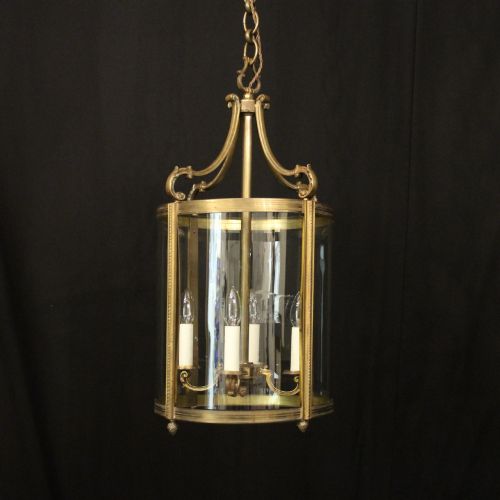
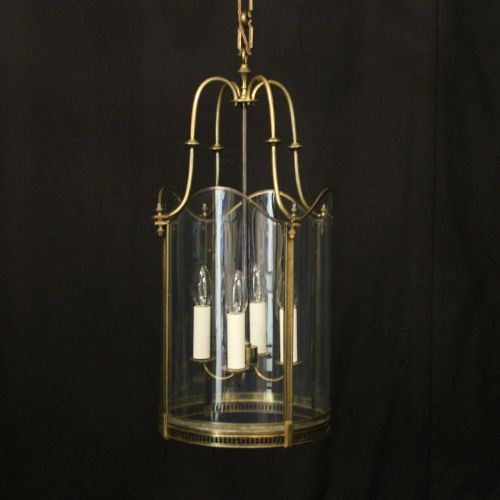
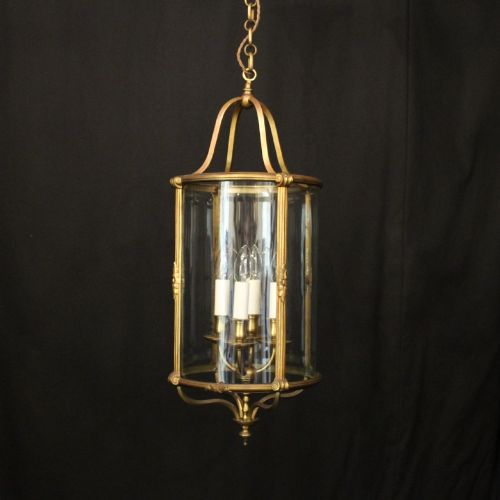
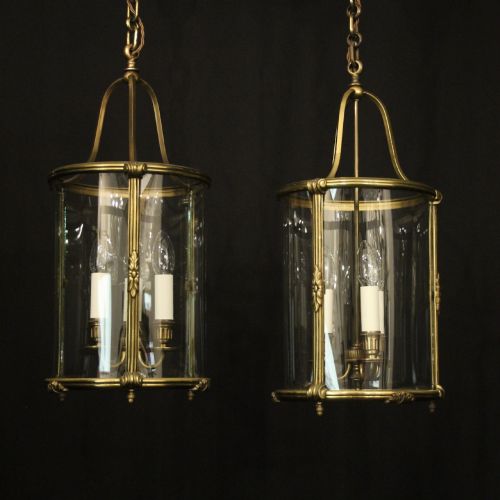
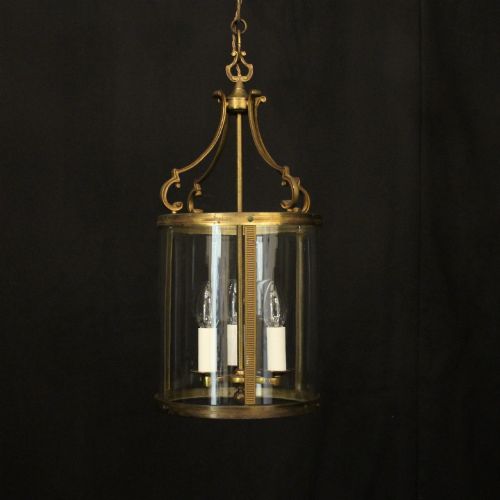
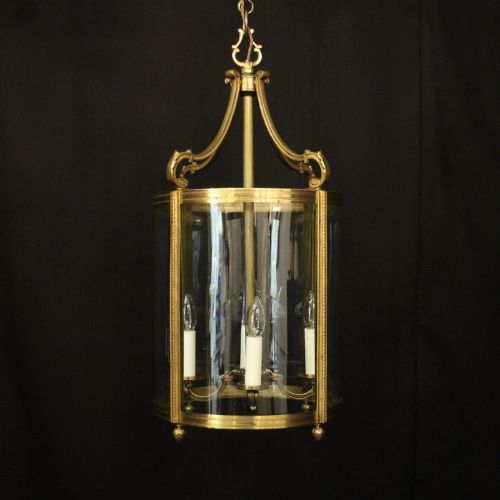
These gilt bronze ceiling lantern examples offer striking overhead illumination, combining metallic frames with glass panels for formal entrance halls.
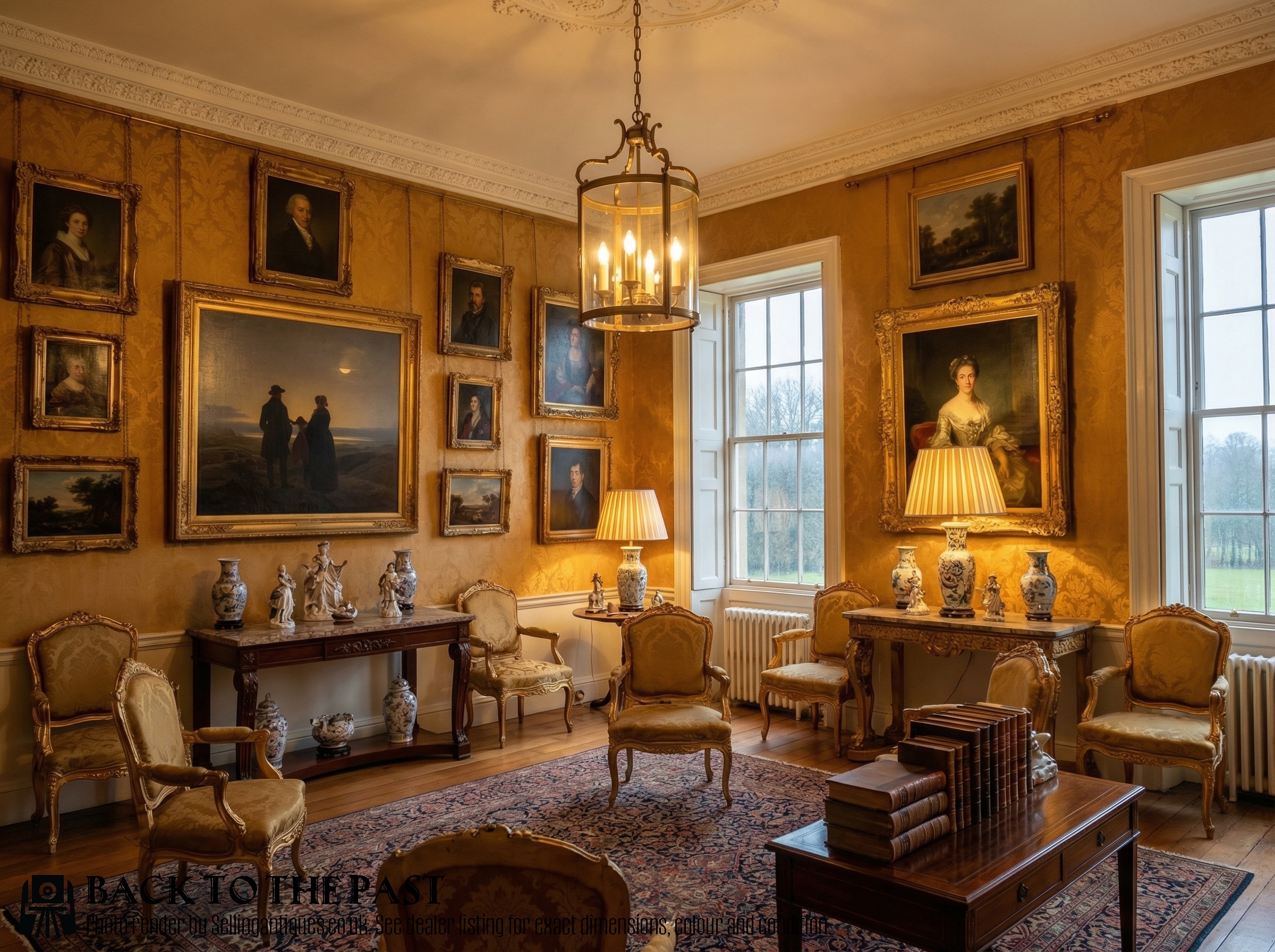
Gilt Bronze Ceiling Lantern
When searching for a gilt bronze ceiling lantern, buyers encounter hanging illumination primarily originating from French workshops during the nineteenth and early twentieth centuries. These fixtures serve principally as hall lanterns and pendant lights designed to illuminate vestibules, corridors, and grand staircases.
The pieces available span various historic periods including Victorian, Edwardian, and the early decades of the twentieth century. French Louis XVI style and Rococo revival designs dominate the selection, often incorporating convex or bevelled glass panels within gilded frames.
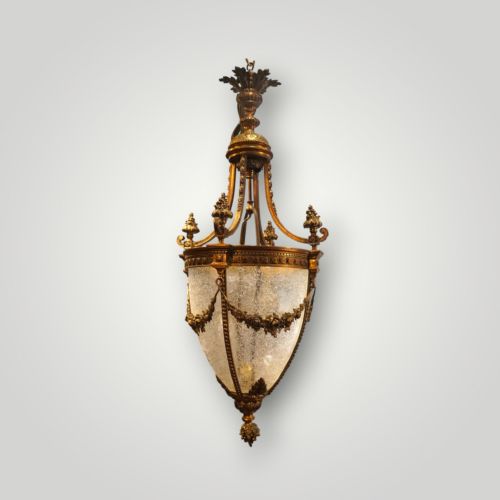
English examples also appear alongside French pieces, while specific forms range from single bulb pendants to larger four-light chandeliers. The prevailing aesthetic draws heavily on palatial decorative traditions, notably referencing the lanterns found in the Palace of Versailles.
Distinctions in execution and design
The refinement of the cast metalwork separates standard production from superior pieces, with chased ormolu details and complex decorative motifs demonstrating greater artisanal skill. Heavier bronze castings and crisper ornamentation reflect higher production standards.
The choice and treatment of the glazing further differentiate the examples. Intricately cut glass, bevelled edges, and specialised panels like opaline or coloured crystal require advanced manufacturing techniques that elevate the overall character of the fixture.
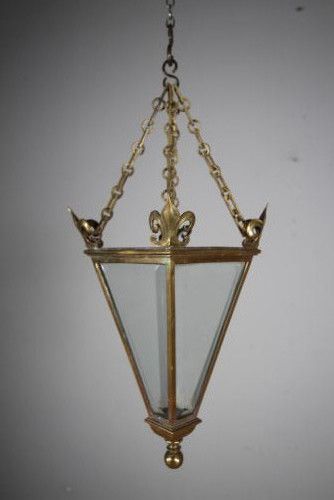
One stylish hexagonal ormolu lantern proudly channels the grand aesthetic of the Palace of Versailles.
Perry & Co
The Gilt Bronze Ceiling Lantern Glossary
- Gilt bronze
- Metal cast and finished with a layer of gold leaf or gold paint to produce a rich metallic sheen. This material forms the primary structural framework for many period hanging lights.
- Ormolu
- Finely chased and gilded bronze used extensively in decorative arts and high-end lighting fixtures. The technique creates sharp, highly detailed ornamental surfaces.
- Convex glass
- Curved glass panels fitted into the metal frame to refract light outward. This shape adds depth and dimension to the silhouette of the hanging fixture.
- Hall lantern
- A pendant light fixture traditionally hung in entranceways or corridors to provide welcoming illumination. These objects combine decorative metalwork with protective glass housing.
- Bevelled glass
- Glass panes featuring angled edges cut and polished to catch and scatter light. This treatment enhances the visual brilliance of the lantern when illuminated.
Gilt Bronze Ceiling Lantern: Frequently Asked Questions
Where should a gilt bronze ceiling lantern be hung?
These fixtures suit entrance halls, vestibules, and high-ceilinged corridors where overhead illumination makes an immediate visual impact.
Their scale and design allow them to function as focal points in transitional spaces rather than primary room lighting.
How do I identify a French Louis XVI style lantern?
French Louis XVI style lanterns typically exhibit neoclassical symmetry, straight lines, and refined classical ornamentation cast in bronze.
They often incorporate cut glass panels and restrained decorative details that contrast with more flamboyant rococo designs.
What glass types appear in these antique lanterns?
Common glazing options include etched, frosted, opaline, bevelled, and cut glass, alongside coloured crystal in specific decorative examples.
Convex and flat panels are held within the gilt metal framework to shape and diffuse the light output.
How do nineteenth century lanterns differ from later ones?
Nineteenth-century examples frequently lean into ornate revival styles like Rococo or Louis XVI, utilising heavy cast bronze and intricate detailing.
Twentieth-century pieces from the 1910s and 1920s sometimes introduce cleaner lines or alternative glass treatments while maintaining traditional forms.