


Traditional Glass Cylinder Lantern
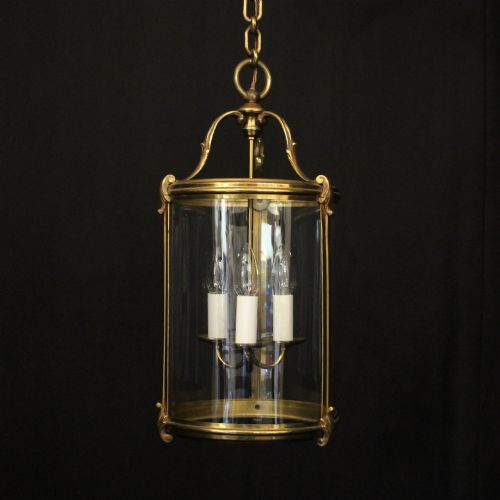
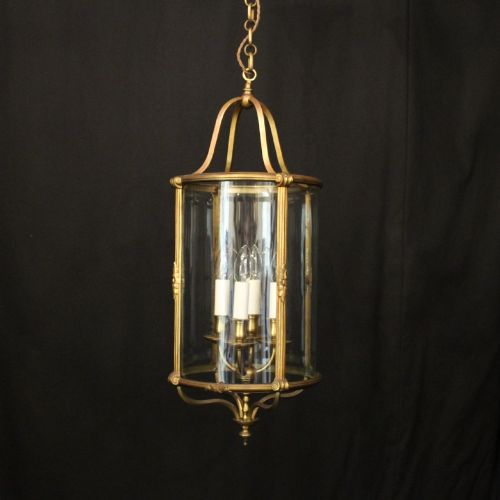
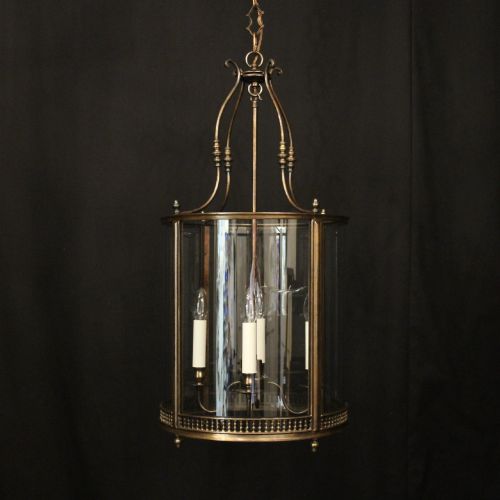
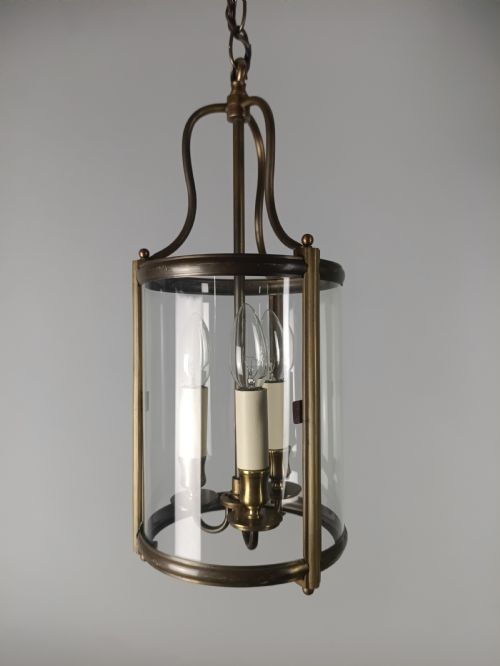
These traditional glass cylinder lanterns bring period light and clear lines to a hallway or landing.
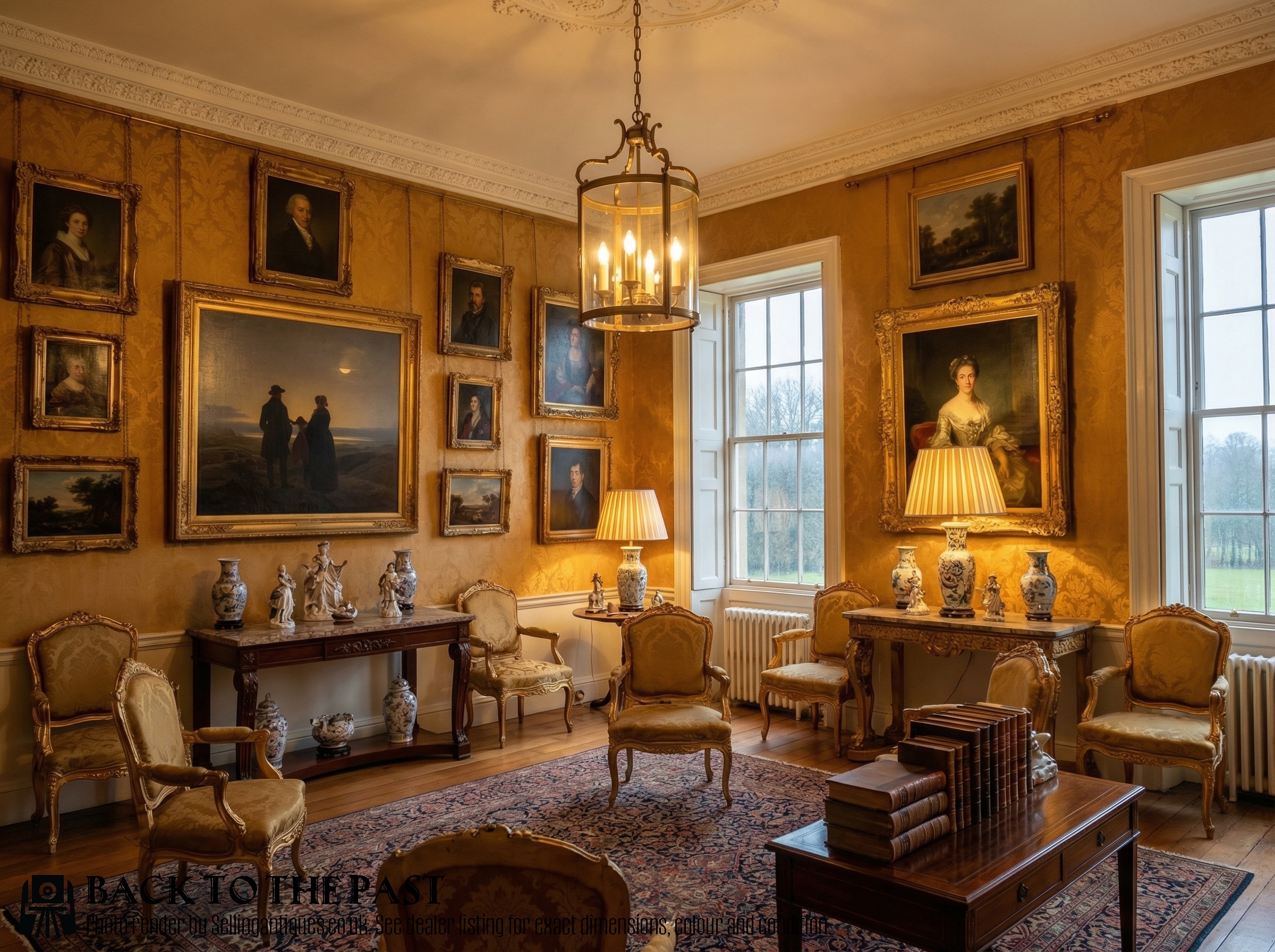
Traditional Glass Cylinder Lantern
A traditional glass cylinder lantern uses clear glass panels to protect interior bulb arrangements while throwing uninterrupted light across an entrance hall or landing. These ceiling-hung pieces take several forms, including convex hall lanterns, pendant lights, and multi-light ceiling fixtures.
The selections here span from nineteen hundred through the nineteen-thirties, covering Edwardian examples alongside French chateau and English regency styles. Most originate from French workshops or English makers, favouring proportions that suit high ceilings and narrow spaces.
Buyers will find fixtures fitted for multiple lights, typically holding three or four bulbs within a brass or gilded bronze frame. The cylindrical or convex glass shapes soften the electric output while keeping the structural metalwork clearly visible.
How traditional glass cylinder lanterns were made
The primary construction relies on cast brass or gilt bronze frames formed to hold curved glass panels securely in place. Metalwork components are cast, chased, and gilded, creating rigid structures designed to hang safely from ceilings.
Glassmakers blew and curved clear glass to fit the cylindrical or convex metal mounts precisely. Modern rewiring often updates the interior electrical fittings while preserving the original metal and glass components.
Period dates recorded on these lanterns span from nineteen hundred through nineteen thirty, incorporating Edwardian and interwar designs.
What varies in quality in traditional glass cylinder lanterns
Quality shows in the weight and finish of the metal frame, particularly where cast bronze or gilded brass exhibits crisp detailing rather than soft moulding. Finer examples retain deep gilding and substantial metal gauge thickness that stabilizes the glass panels.
The glass itself marks a clear division between standard and superior pieces, with thick, clear, curved panes demonstrating better optical clarity and precise fitting into the metal rebates.
The Traditional Glass Cylinder Lantern Glossary
- Convex glass
- Curved glass panels that project outward to diffuse light more broadly. This technique softens the interior glare while adding depth to the lantern profile.
- Gilt bronze
- Bronze metal treated with a thin layer of gold or gold-coloured alloy. It provides a durable finish that resists tarnishing over decades of hanging.
- Hall lantern
- A ceiling-hung light fixture specifically proportioned for corridors and entrance spaces. These pieces direct illumination downward and outward simultaneously.
- Pendant light
- A single light fixture suspended from the ceiling by a chain, cord, or rod. Unlike flush mounts, pendants hang clear of the ceiling rose.
Traditional Glass Cylinder Lantern: Frequently Asked Questions
Where should I hang a glass lantern?
These fixtures suit entrance halls, stairwells, and high-ceilinged landings where vertical clearance allows the hanging drop to be appreciated fully.
Ensure the ceiling height accommodates both the chain suspension and the vertical body of the lantern without obstructing movement.
Are these lanterns wired for modern use?
Many surviving examples receive professional rewiring to meet contemporary electrical standards while retaining their original sockets and internal framing.
Check individual listings to confirm whether the electrical components have been updated for current domestic installation.
How do I clean the glass panels?
Remove dust with a soft, dry cloth before applying a mild glass cleaner directly to a microfiber cloth rather than spraying the metal frame.
Take care around gilded surfaces to avoid stripping the historical finish with harsh chemical solvents.
How do I date a brass lantern?
Dating relies on stylistic markers from periods like the Edwardian era or the nineteen-twenties, alongside manufacturing techniques visible in the casting and wiring.
French chateau and English regency revival styles often carry specific decorative motifs characteristic of their decade of production.