
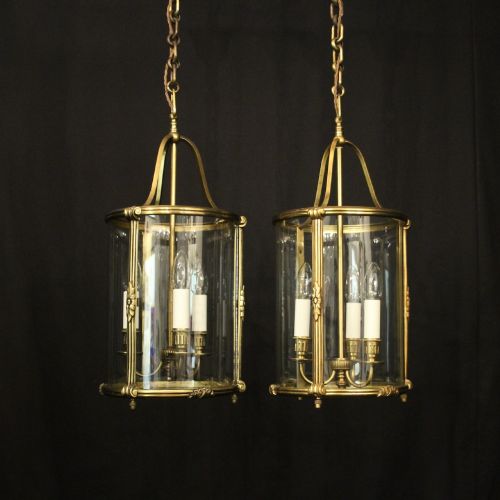


Vintage Convex Glass Light
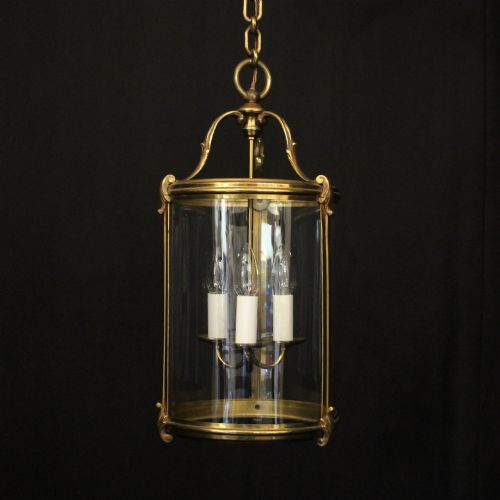
These vintage convex glass light fixtures bring French elegance and warm illumination to any hall, corridor or entryway.
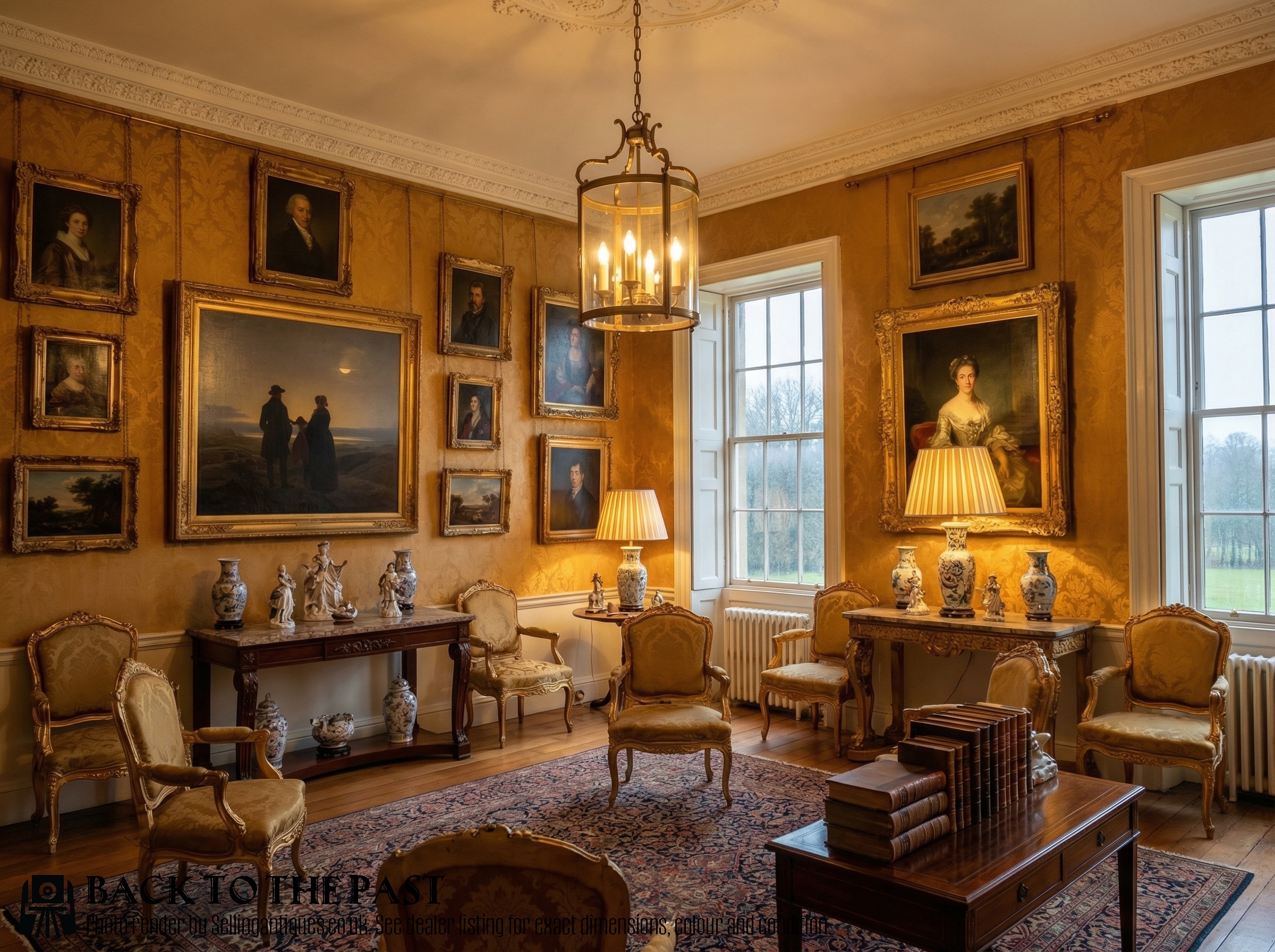
Vintage Convex Glass Light
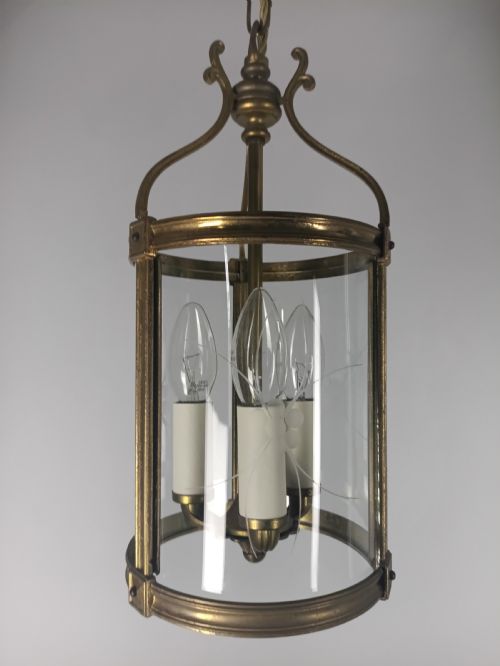
When you search for vintage convex glass light, you are looking at French lighting fixtures designed with curved glass panes that diffuse illumination softly across an interior space. These pieces typically take the form of hall lanterns, ceiling lights, or wall sconces intended for principal reception rooms and corridors.
On this page, you are most likely to meet French hall lanterns and half lanterns originating from the nineteen-twenties and nineteen-thirties. These fixtures draw upon classical French design vocabularies including Neoclassical, Louis XVI style, and Empire aesthetics.
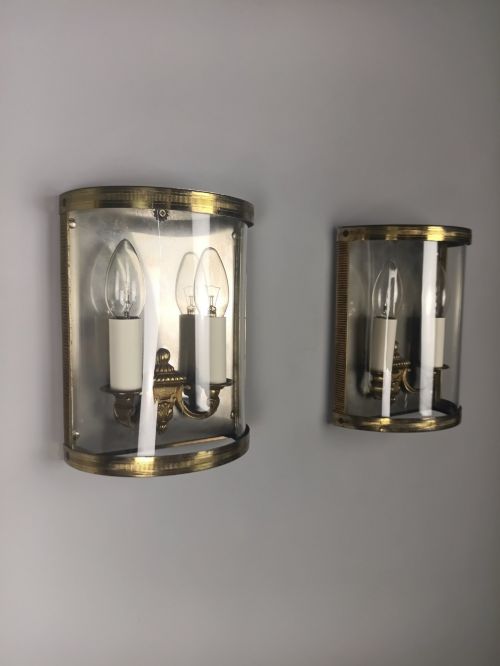
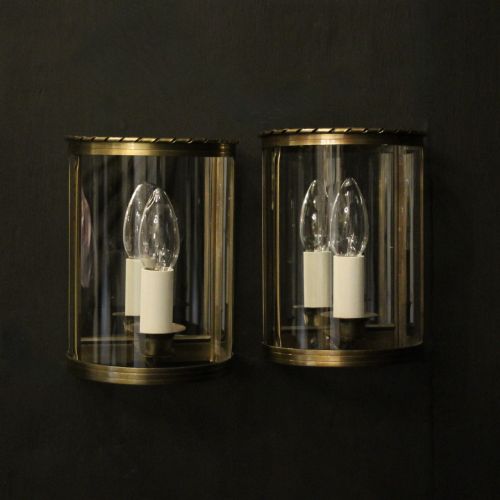
The inventory on show ranges from single-light wall sconces to multi-light hanging fixtures accommodating three or four bulbs. Their distinctive curved glass panels give each lantern a rounded silhouette that sets them apart from flat-sided counterparts.
How they were made
Maker workshops constructed these fixtures using robust metal frameworks cast from brass, gilded bronze, gilt brass, and occasionally painted toleware. Smiths shaped these metals into decorative mounts, frames, and suspension chains designed to support the weight of the glass and internal light fittings.
The defining characteristic of these lanterns is the convex glass, which was heated and blown or slumped into curved panes to fit the metal cage. Artisans frequently etched surface patterns into the glass panels or set them into hinged frames for interior access.
Listings for this phrase exclusively feature pieces originating from France, spanning the nineteen-twenties and nineteen-thirties.
What varies in quality
The distinction between standard examples and finer pieces lies in the crispness of the cast metal ornamentation and the weight of the bronze or brass framework. Superior lanterns display finely chased details on their mounts and substantial cast metal components rather than stamped sheet assemblies.
Another measure of quality is the clarity and thickness of the convex glass panels, alongside the preservation of original gilding on the bronze or brass surfaces. Etched glass decoration executed with depth and precision indicates a higher standard of manufacture.
The Vintage Convex Glass Light Glossary
- Convex glass
- Curved glass panels that bulge outward from the metal frame. This curvature disperses light more evenly across a room than flat glass.
- Hall lantern
- A hanging ceiling light specifically scaled for narrow spaces like corridors, vestibules, and entrance halls. They hang from chains or rigid rods.
- Gilt brass
- A brass base metal treated with a thin layer of gold leaf or gilt wash. This finish provides a bright metallic sheen without the heavier weight of solid bronze.
- Toleware
- Painted or lacquered sheet metal utensils and decorative objects. In lighting, it provides coloured metal components contrasting with clear glass panes.
- Wall sconce
- A light fixture fixed directly to a vertical wall surface rather than suspended from the ceiling. Many convex glass variants are produced as half lanterns for this purpose.
Vintage Convex Glass Light: Frequently Asked Questions
How do I hang a heavy hall lantern?
These lanterns require secure ceiling fixings screwed directly into ceiling joists or sturdy wooden noggins. Because many fixtures incorporate solid bronze and thick glass, standard plasterboard plugs will not support their weight safely.
Employ a qualified electrician to assess the ceiling structure and ensure the electrical box matches the hanging weight of the particular lantern you select.
Can these antique lanterns be rewired?
Most vintage lighting requires rewiring to meet contemporary electrical standards and ensure safe operation in modern homes. Professional restorers can replace perished internal wiring while retaining the original sockets and metal components.
Rewiring also permits the integration of appropriate modern lamp holders and earth wires necessary for safe installation.
How do I clean convex glass panels?
Remove dust from the metal framework using a soft, dry brush before cleaning the glass panes with a mild glass cleaner applied to a cloth. Avoid spraying liquids directly onto the metal, particularly on gilded or painted surfaces where moisture might cause damage.
Take care when handling hinged glass panels to avoid stressing the original brass hinges and latches.