


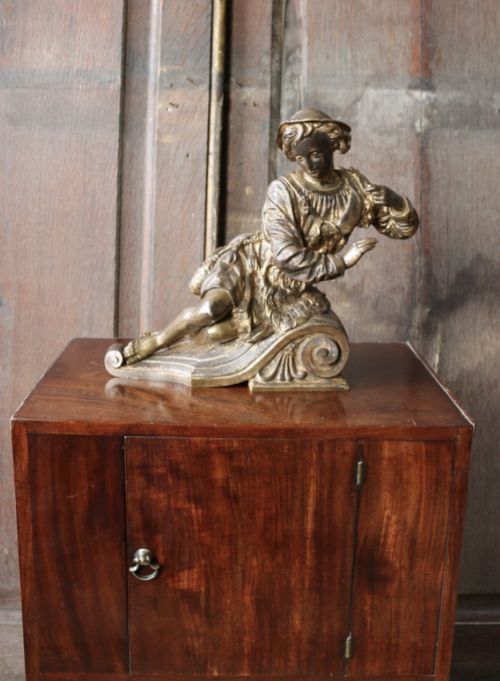
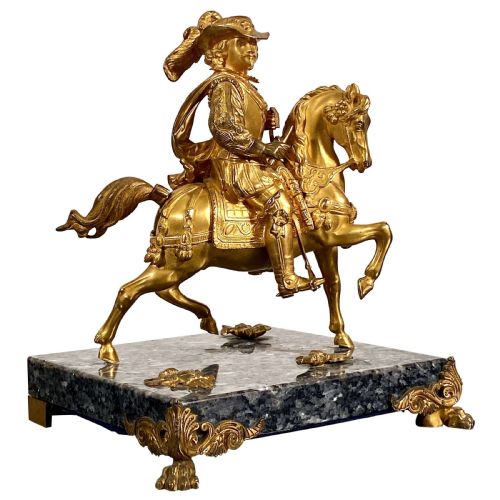


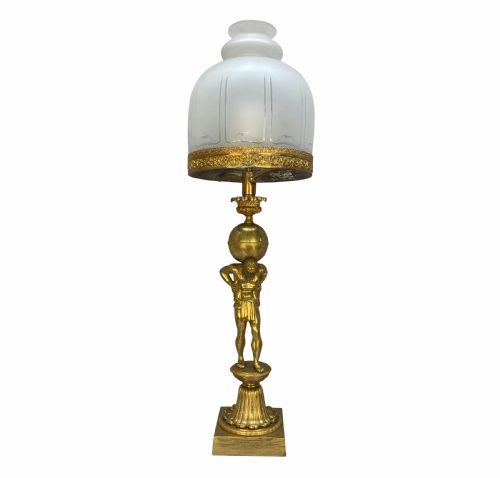
Gilt Brass Statue
A gilt brass statue brings distinct metallic brilliance and historic presence to a room, offering collectors figures ranging from classical deities to grand tour animals.
Gilt Brass Statue
A gilt brass statue encompasses small figural casts, heavy desk accessories, and decorative ornaments fashioned from metal with applied gold surface finishes. When seeking a gilt brass statue, buyers encounter varied forms such as mounted animals, mythological figures, and classical deities originating from diverse European and Asian workshops.
The selection on this page spans several distinct eras, drawing heavily from nineteenth-century French designs, Regency classicism, and earlier eighteenth-century productions. Pieces frequently combine metal casting with secondary materials like marble bases or fabric elements.
Common functional items intersecting with these sculptures include table lamps, inkstands, and clock plinths where the figural element remains central. Figures range from small statuettes to large decorative pairs intended for prominent display.
Materials and construction methods
Maker workshops utilised bronze, brass, and gilt metal alongside specialised surface gilding techniques to achieve rich metallic lustres. Many items employ mercury gilding or modern electroplating methods to apply a gold layer over base copper alloys.
Foundries combined metal casting with hand-chasing and finishing to sharpen facial expressions, drapery folds, and surface textures. Structural mounts frequently incorporate marble plinths, glass components, and internal wiring for later lamp conversions.
Gilt Brass Statue Retail Price Guide 2026
Typical asking prices for gilt brass statue among the pieces listed under this phrase on Sellingantiques today, from the lower quarter to the upper quarter. They describe what is for sale here now, not the wider market.
Listings feature items from the eighteenth, nineteenth, and early twentieth centuries, including Regency and Art Deco styles.
Assessing quality in cast figures
The durability and richness of the surface gilding separate standard production pieces from finer studio works. Preservation of the original gold layer, combined with the structural integrity of heavy bronze or brass bodies and stable marble bases, determines overall execution standards.
Emile-Coriolan Guillemin·Belinda Gentle
The Gilt Brass Statue Glossary
- Gilt bronze
- Metal cast in bronze and subsequently covered with a layer of gold. This technique protects the underlying metal while providing a brilliant golden finish.
- Ormolu
- A term denoting applied gold-coloured bronze or brass ornaments used on furniture and decorative objects. It originates from the French expression for ground gold.
- Grand Tour
- Souvenirs purchased by travellers on educational journeys across Europe during the eighteenth and nineteenth centuries. These items typically replicated classical statues and architectural monuments in bronze or marble.
- Cast bronze
- Molten metal poured into a prepared mould to create solid or hollow figural sculptures. This process allows for intricate three-dimensional shaping.
- Chasing
- The manual refinement of a metal casting using small hammers and punches to sharpen details and clean surface imperfections. Skilled chasing elevates the artistic merit of a sculpture.
Gilt Brass Statue: Frequently Asked Questions
What is a gilt brass statue?
A gilt brass statue is a cast metal sculpture finished with a gold-colored surface layer. These pieces portray animals, mythological figures, or human subjects.
They serve as decorative mantel ornaments, desk items, or bases for functional lighting. Their metallic construction provides both weight and durability.
How do I clean a gilt brass statue?
Maintenance requires gentle dusting with a soft, dry cloth to prevent the accumulation of abrasive particles. Avoid chemical polishes that can strip the delicate surface gilding.
Professional evaluation is recommended for valuable pieces requiring deeper restoration or conservation work. Keeping items away from excessive moisture protects both the metal and any integrated stone bases.
Where were these statues made?
The pieces originate from various European centres, particularly French and English workshops, alongside Asian foundries. Many nineteenth-century works reflect classical revival tastes.
Grand tour souvenirs specifically replicate famous antiquities encountered by travellers abroad. Regional casting styles help identify the likely origin of unsigned figures.
How are lamps made from statues?
Makers often converted solid metal figures into table lamps by drilling through the base or body to house electrical wiring. This practice was common during later periods.
Such conversions maintain the decorative appeal of the original sculpture while adding functional utility. Collectors should examine wiring components for age and safety standards.