


Gilt Brass Lamp Base
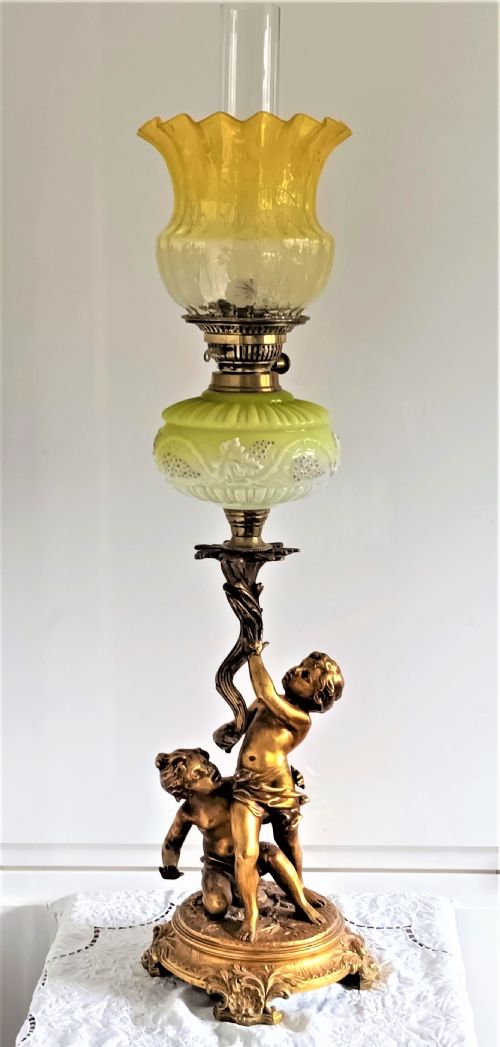
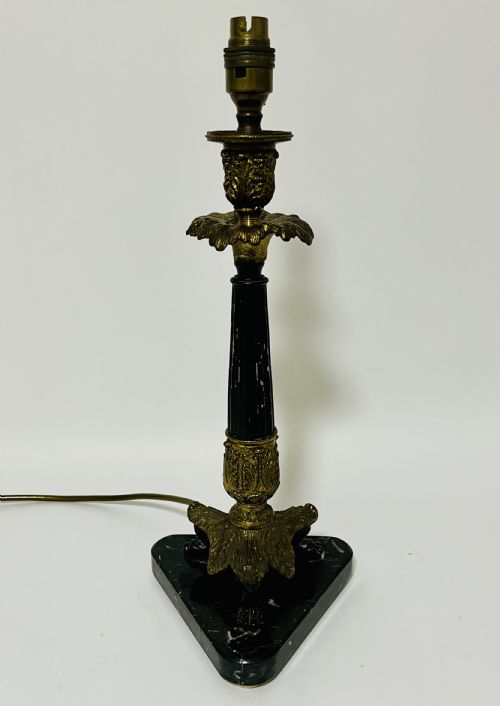
These gilt brass lamp base pieces combine warm metallic lustre with period form, offering interior focal points that catch the evening light.
Gilt Brass Lamp Base
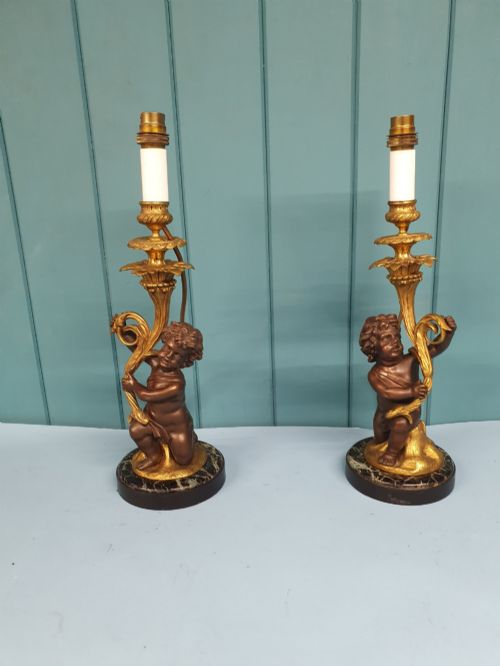
A gilt brass lamp base brings nineteenth-century decorative metalwork into modern rooms through varied forms including column shapes, urns and converted candlesticks. These items originate across Britain, France and Italy, reflecting diverse aesthetic movements from Victorian mass production to continental revivalism.
The most common versions encountered here date from the Victorian and Edwardian eras, frequently incorporating French styling such as Louis XVI or Empire motifs. Many items began life as oil lamps, church candlesticks or decorative vases before conversion to electrical lighting during subsequent decades.
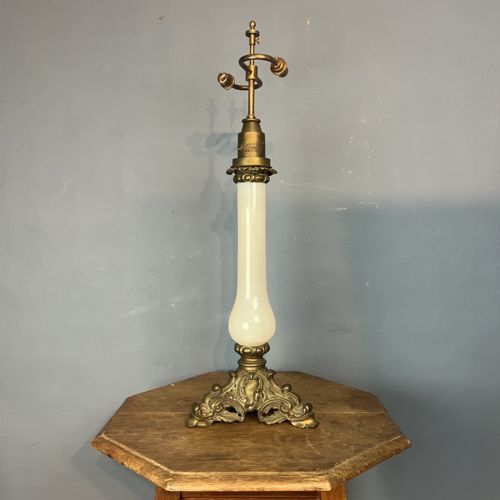
Makers utilised supportive materials alongside brass, pairing the gilt surfaces with white onyx, variegated marble, opaline glass and hand-painted porcelain. Table lamps dominate the selection, though substantial floor standards and pairs of matching garniture pieces also appear regularly.
Materials and technique
Foundries produced these items using cast brass, bronze and ormolu, applying gold leaf or chemical gilding over the base metal to achieve a durable metallic sheen. Skilled artisans chased the metal surfaces by hand, adding crisp detail to acanthus leaves, classical figures and floral garlands.
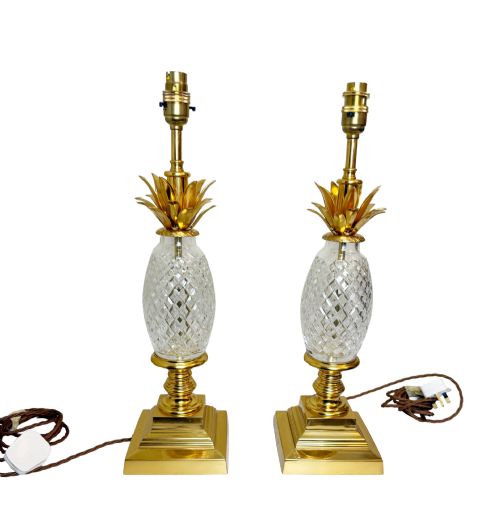
Casting methods combined structural metal columns with heavy natural stones like marble and onyx to ensure stability for tall lighting fixtures. Glass components, including blue cut glass, opaline and crystal, were integrated into the metal mounts using threaded rods or collars.
The listings demonstrate a strong presence of nineteenth-century French manufacture, combining gilt bronze and marble.
Design and execution
Superior examples demonstrate crisp hand-chasing on the metal components, where every leaf, fluted column and classical motif remains sharp rather than softened by worn casting moulds. The weight of the piece often indicates quality, with substantial bronze, heavy ormolu and thick marble bases providing superior physical presence.
The integration of secondary materials dictates overall refinement, separating standard production items from exceptional decorative pieces. Fine specimens feature high-grade porcelain panels, unblemished hand-cut glass or sophisticated figural sculpture rather than simple spun metal tubing.
George Bullock·Mc Gary·Samson
The Gilt Brass Lamp Base Glossary
- Ormolu
- Gilded bronze produced through mercury amalgamation or modern electroplating, heavily utilised in French furniture and lighting mounts during the eighteenth and nineteenth centuries.
- Opaline
- A type of opaque art glass popular in the nineteenth century, typically rendered in white or soft pastel hues and frequently mounted with brass collars.
- Tole peinte
- Painted tinplate or sheet metal, often decorated with floral or pastoral scenes in muted pigments on dark grounds.
- Cloisonné
- An ancient technique for decorating metalwork objects with coloured glass pastes placed within bent wire compartments.
- Garniture
- A set of matching ornamental vases, urns or candlesticks designed to be displayed together on a mantelpiece or side table.
Gilt Brass Lamp Base: Frequently Asked Questions
How do I date a gilt brass lamp base?
Dating relies on combining the stylistic clues of the metalwork, such as Neoclassical or Empire motifs, with the construction techniques used on the interior threads and fixings. Examining any patent stamps, registration marks or the specific type of marble and glass integrated into the design helps narrow the period.
Later conversions often retain components from their original function as oil lamps or candlesticks, providing further chronological markers. Comparing the casting crispness and patina against documented examples from the nineteenth century confirms the era of manufacture.
Were these always electric lamps?
Most pieces began life as oil lamps, candlesticks, vases or decorative statuary before undergoing conversion to electrical lighting at a later date. This dual history explains why many vintage examples display burner assemblies, wick mechanisms or hollow columns adapted for modern wiring.
Collectors appreciate this evolutionary aspect, as the adaptation preserves historical decorative arts objects for contemporary domestic use. Professional rewiring ensures these older assemblies meet modern electrical standards while retaining their antique character.
How do I clean gilt metal safely?
Maintenance requires gentle dusting with a soft, dry cloth to prevent the accumulation of grit within the recessed chased details of the metal. Avoid harsh commercial brass cleaners, abrasive pads or chemical dips, which strip away the delicate gold leaf or patinated gilt finish entirely.
Preserving the aged surface texture maintains both the visual appeal and the historical integrity of the piece. Professional conservation methods should be consulted if deeper cleaning becomes necessary due to heavy environmental residue.
What styles are most common?
French revival styles dominate the selection, particularly Louis XVI, Empire, and Rococo designs characterised by classical urns, rams' heads, and foliate scrolls. Victorian and Edwardian interpretations also feature prominently, often blending British domestic tastes with continental casting traditions.
These diverse stylistic influences allow the lighting fixtures to integrate successfully into both traditional period interiors and eclectic modern spaces. The overarching aesthetic prioritises ornate metalwork combined with contrasting coloured glass or stone elements.