
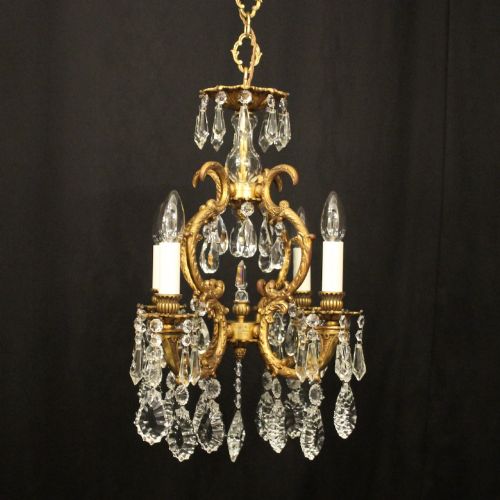
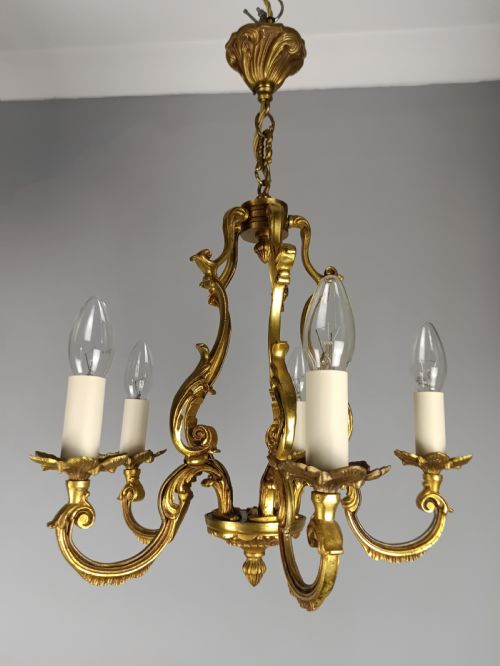
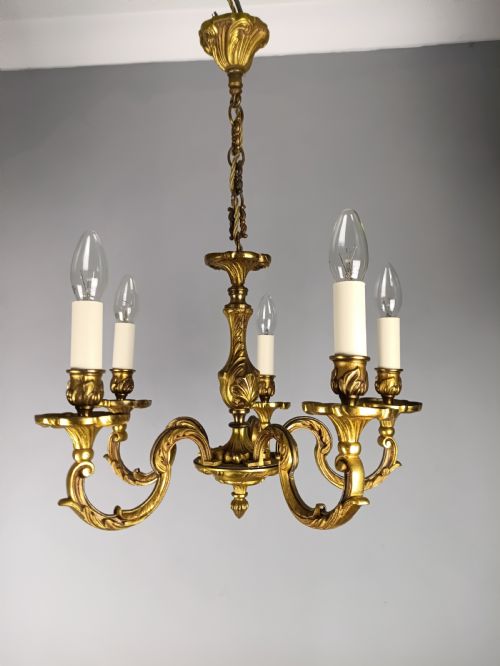
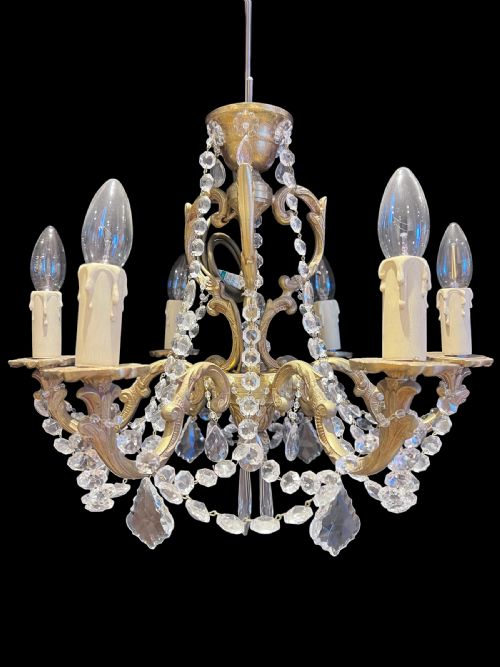

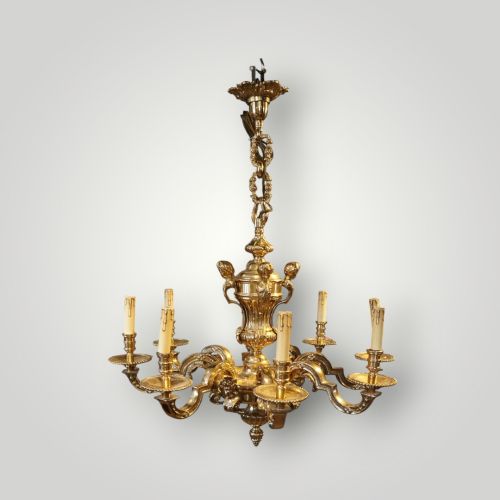
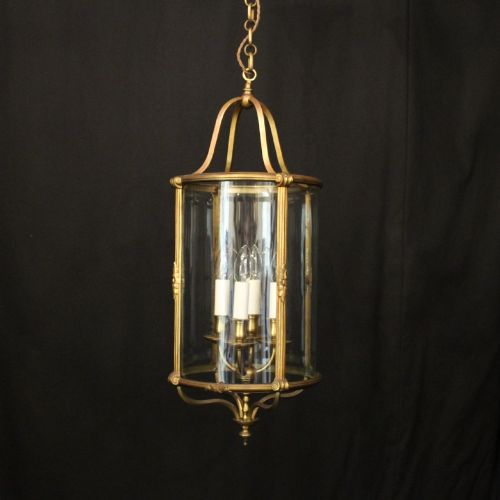
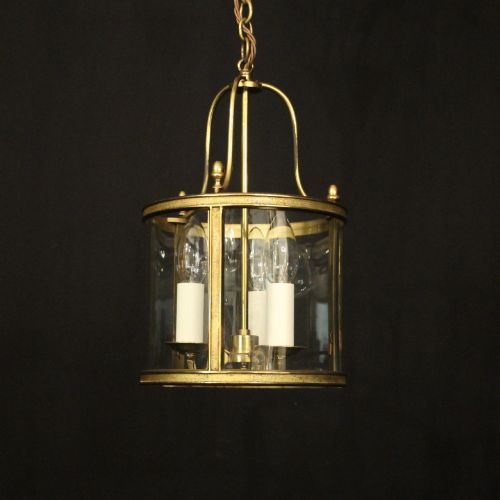
Gilt Brass Ceiling Light
When you search for a gilt brass ceiling light, you are looking at overhead illumination fashioned from polished metal and glass.
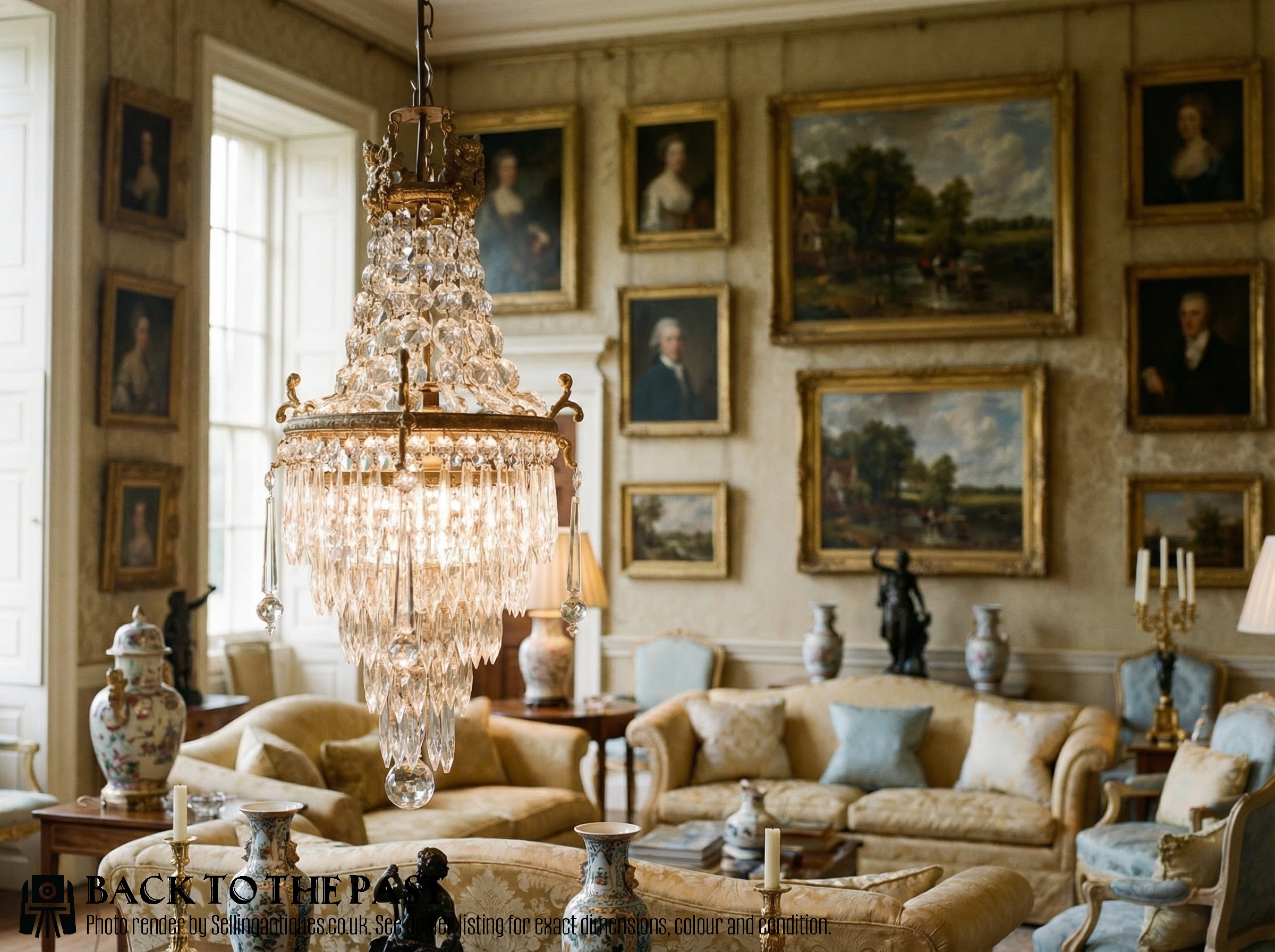
Gilt Brass Ceiling Light
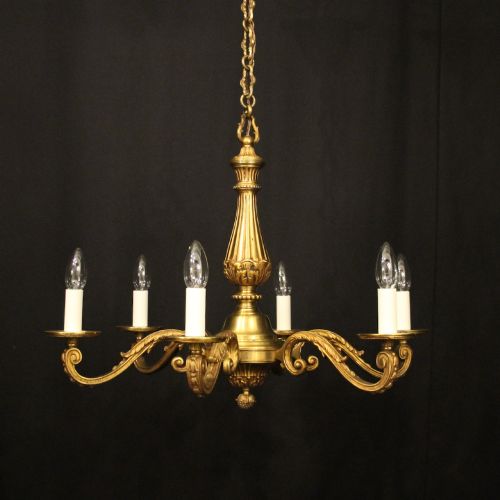
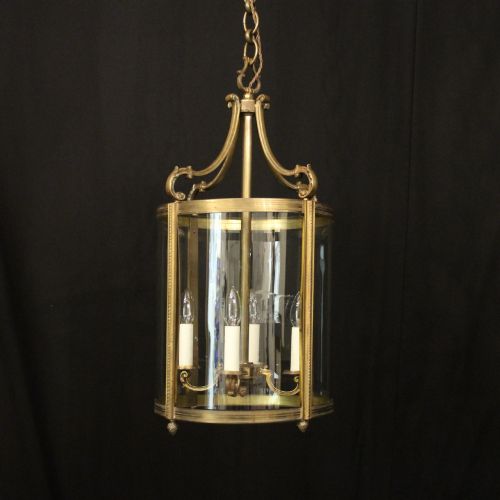
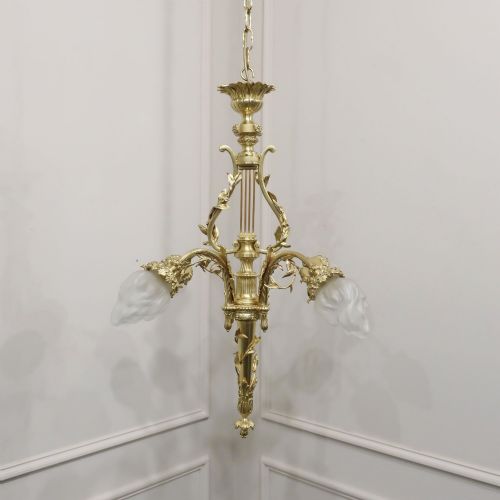
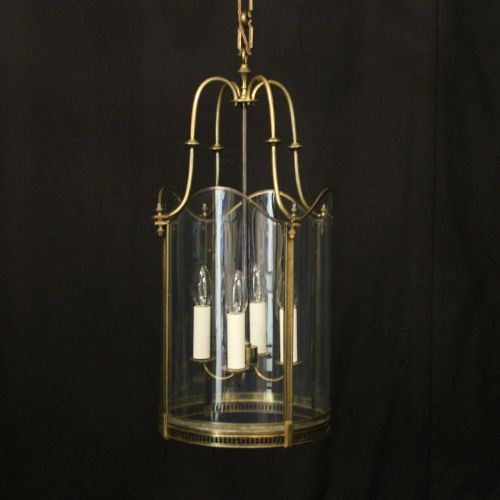
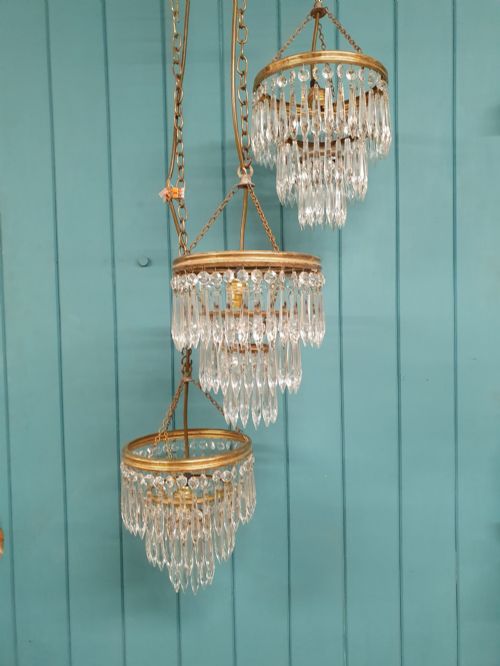
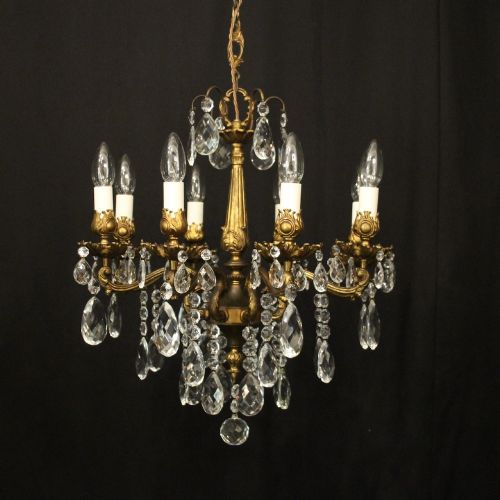
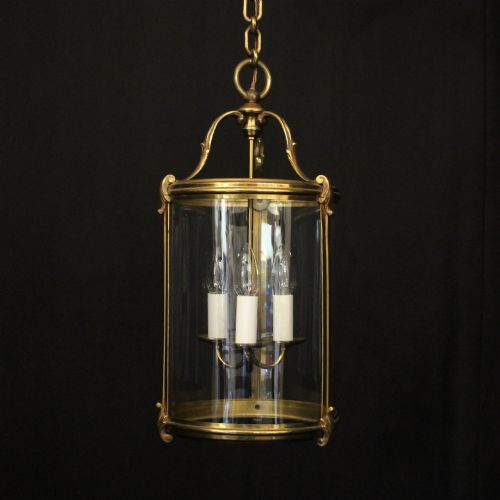
A gilt brass ceiling light brings together metalwork and hanging illumination across various forms such as multi-arm chandeliers, hall lanterns, and pendant lights. You are most likely to encounter French pieces originating from the nineteenth and early twentieth centuries, particularly dating from the 1920s and 1930s.
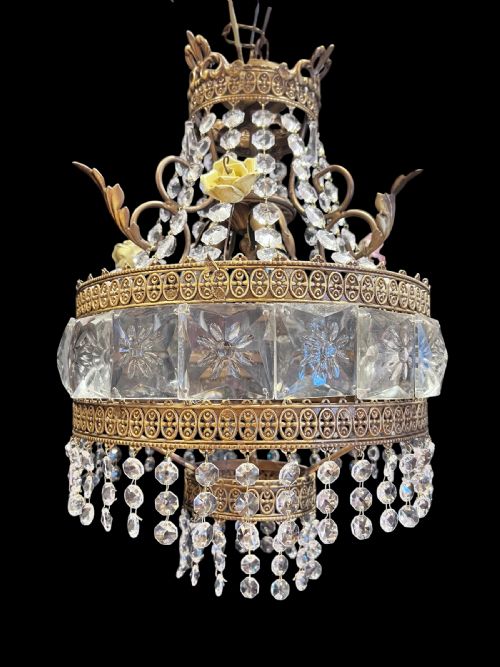
The objects span styles including French Empire, Neoclassical, Rococo, and Italian Florentine designs. These fixtures frequently incorporate decorative elements like crystal prisms, cut glass shades, and applied porcelain or ceramic flowers.
Many examples utilise single or multiple light branches to distribute illumination within a room. Hall lanterns and convex wall or ceiling fixtures provide alternative formats suited for specific architectural spaces.
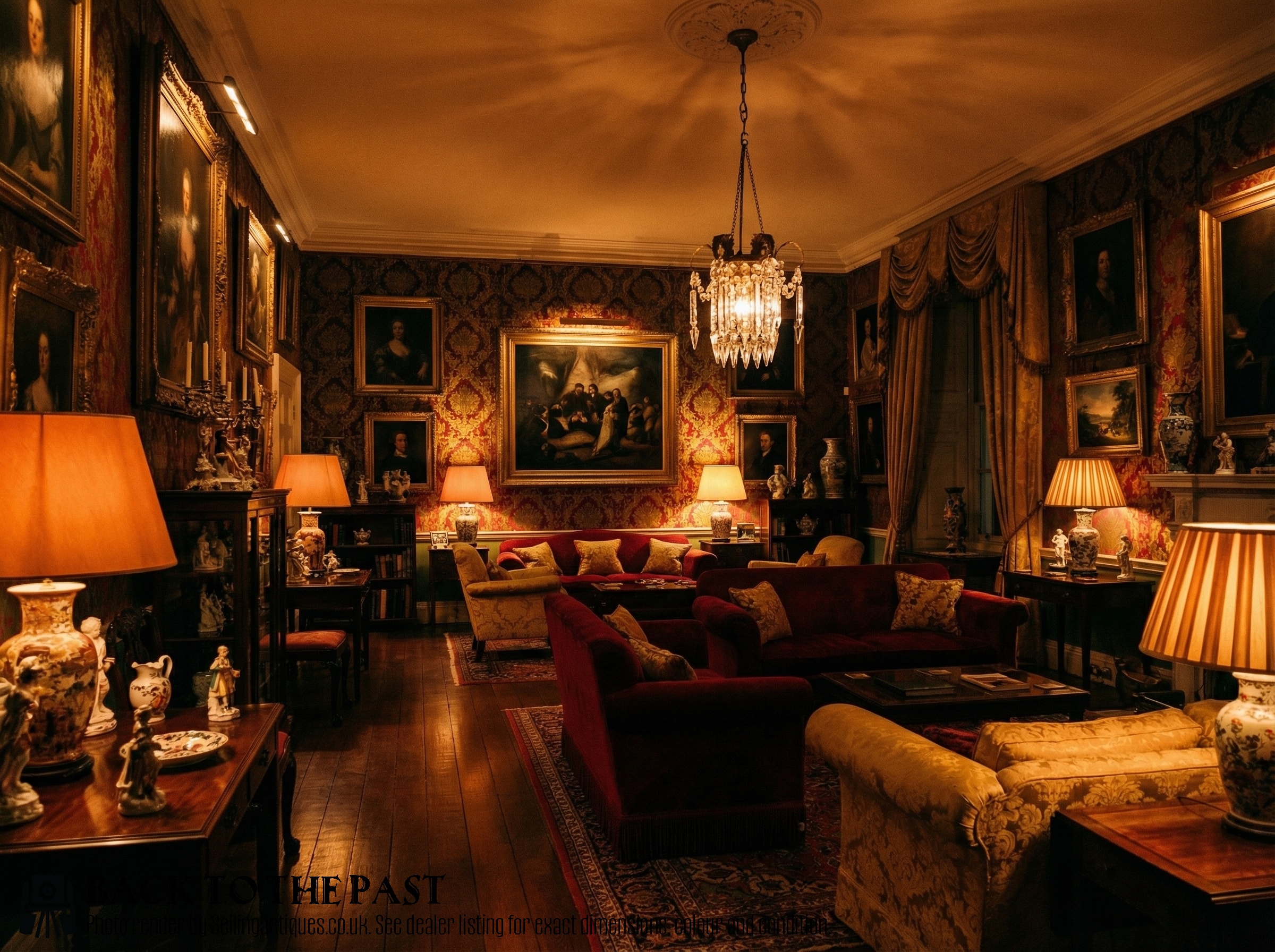
How They Were Made
The construction of these pieces relies on metal casting and framing using brass, bronze, and gilt metal, finished with applied gilding. Metal components are frequently paired with cut glass, crystal drops, and etched glass panels.
Decorative detailing is achieved through cast ornamentation such as leaf motifs, winged cherubs, and toleware elements. Prisms and crystals are attached by wire or pins to frames that support the electrical or candle-burning configurations.
Gilt Brass Ceiling Light Retail Price Guide 2026
Typical asking prices for gilt brass ceiling light among the pieces listed under this phrase on Sellingantiques today, from the lower quarter to the upper quarter. They describe what is for sale here now, not the wider market.
Listings feature pieces spanning the nineteenth century through the 1930s, utilising brass, bronze, crystal, and glass.
What Varies in Quality
The distinction between tiers rests upon the crispness of the metal casting and the complexity of the chased ornamentation. Superior examples display sharply rendered details on leafwork and figural components rather than soft or smoothed surfaces.
Quality also manifests in the selection and cutting of the glass and crystal elements. Refined pieces employ heavily cut prisms and uniform glass panels that catch and refract light cleanly.
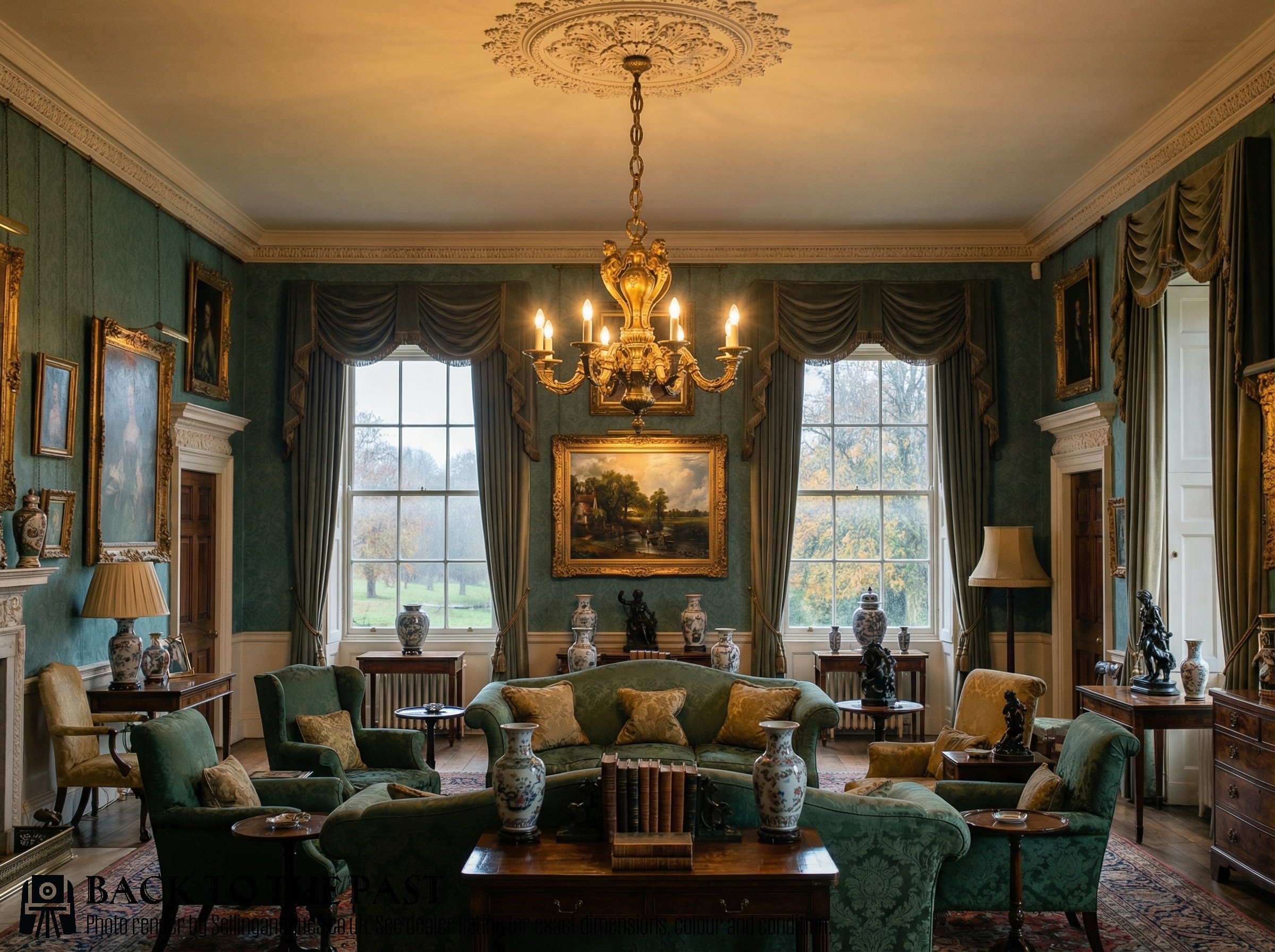
G.E.C
The Gilt Brass Ceiling Light Glossary
- Gilt brass
- A metal alloy of copper and zinc treated with a gold-coloured finish. This material forms the primary structural and decorative framework for many period overhead fixtures.
- Chandelier
- A branched ornamental light fixture suspended from the ceiling. These objects accommodate multiple bulbs or candles across varying numbers of arms.
- Hall lantern
- An enclosed ceiling-hung light fixture designed for entryways and corridors. They often feature glass panels held within a metal frame.
- Crystal prism
- A cut glass pendant suspended from the body of a light fixture. Prisms refract the illumination to create sparkling optical effects.
- Toleware
- Painted or lacquered metalware used for decorative accents on lighting fixtures. It frequently appears in floral or foliage motifs.
Gilt Brass Ceiling Light: Frequently Asked Questions
How do I choose the right size?
Consider the proportions of your room and the height of your ceiling when selecting a fixture. Larger spaces accommodate multi-arm chandeliers, while compact areas suit single-light pendants or hall lanterns.
Ceiling height dictates whether a flush-mounted design or a suspended piece with a chain is appropriate. Ensure adequate clearance below the lowest point of the hanging light.
Were these lights converted to electricity?
Many period fixtures originally designed for candles or gas have been adapted for modern electrical wiring over time. Rewiring ensures the components meet contemporary safety standards while retaining the original metalwork.
Examinations of the interior sockets and wiring channels reveal how the conversion was executed. Original configurations often show adaptations made to accommodate standard bulb fittings.
What styles are common in these fixtures?
French Empire and Neoclassical designs dominate the selection, characterised by symmetrical arrangements, urn motifs, and tent-and-waterfall crystal formations. Rococo Revival pieces introduce flowing, asymmetrical lines and organic leaf ornamentation.
Italian Florentine and Art Deco variations offer alternative aesthetics featuring coloured crystals or geometric glass globes. Each style reflects the design preferences of its specific period of origin.
How do I clean a crystal chandelier?
Maintenance involves dusting the metal frame and glass elements regularly with a soft cloth. For a deeper clean, remove loose crystals and wash them in warm soapy water before drying thoroughly.
Avoid using harsh chemical cleaners on the gilt surfaces to preserve the finish. Professional cleaning is sometimes advisable for delicate or complex multi-tier structures.