






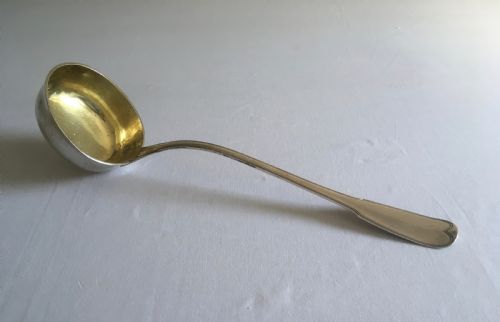
Gilt Bowl Spoons
These gilt bowl spoons encompass centuries of craftsmanship, offering tactile luxury and historic charm to anyone curating a refined silver collection.
Gilt Bowl Spoons
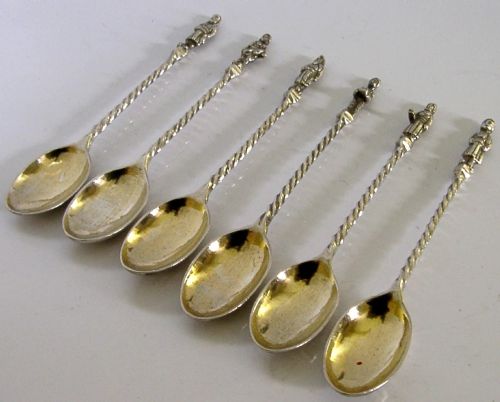
When buyers search for gilt bowl spoons, they encounter small and large vessels accompanied by matching implements, primarily designed for sugar, salt, and serving duties. These pieces range from solitary caddy spoons to matched sugar bowls and sifter spoon sets housed in original cases.
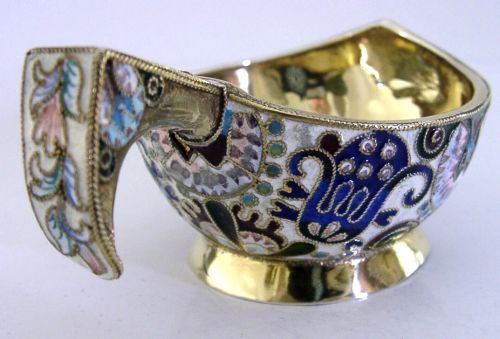
The most common examples on this page hail from the Victorian and Georgian eras, showcasing sterling silver construction with contrasting gold washes applied to the interior bowls. Alongside domestic British flatware, continental pieces such as Ottoman Turkish figural spoons and Russian enamel kovsh cups appear.
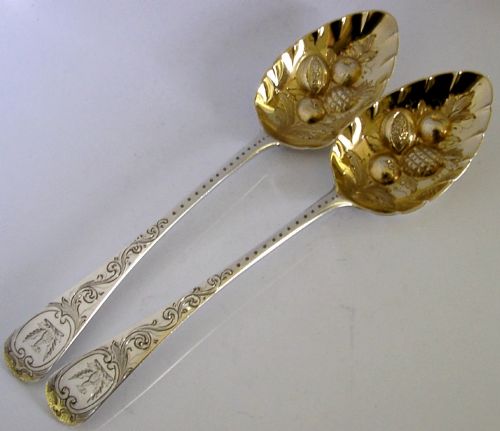
Many of these items function within dining and tea service contexts, bridging the gap between utilitarian kitchenware and decorative art. Serving spoons often feature heavy chased fruit motifs, while smaller spoons accompany fitted salt cellars and sugar basins.
What varies in quality
The persistence of the original gold wash inside the bowl dictates much of the visual appeal, as thin applications wear away through decades of use. Crispness in hand-chased fruit designs and heraldic engraving separates standard production items from master silversmith commissions.
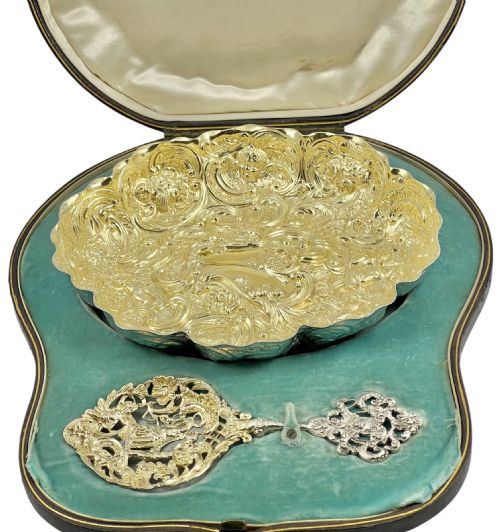
Completeness alters the standing of a piece, particularly when fitted presentation boxes, matched salt bowls, and original sifter spoons remain together as a set. The weight of the silver and the structural integrity of hinged or cast elements determine the long-term durability of the utensil.
Gilt Bowl Spoons Retail Price Guide 2026
Typical asking prices for gilt bowl spoons among the pieces listed under this phrase on Sellingantiques today, from the lower quarter to the upper quarter. They describe what is for sale here now, not the wider market.
Listings include items spanning the Georgian and Victorian periods, alongside continental European pieces from Russia, Germany, and the Ottoman Empire.
William Chawner II
The Gilt Bowl Spoons Glossary
- Silver gilt
- Sterling silver or other silver alloys that have been coated with a thin layer of gold on the surface. This technique protects the underlying silver from tarnishing while providing a rich two-tone aesthetic.
- Berry spoon
- A serving spoon featuring fruit motifs chased or repelled into the bowl, often added to earlier Georgian spoons during the Victorian period. They were traditionally used for serving soft fruits.
- Caddy spoon
- A small spoon specifically designed for measuring loose tea leaves from a caddy into a teapot. These pieces often feature short handles and shallow, decorative bowls.
- Sifter spoon
- A spoon with a pierced or perforated bowl intended for dusting sugar over food items. They frequently appear paired with matching sugar bowls in fitted presentation cases.
Gilt Bowl Spoons: Frequently Asked Questions
What are gilt bowl spoons used for?
These utensils primarily serve specific culinary roles within tea and dining rituals, including the dispensing of sugar, salt, and loose tea leaves. Larger examples function as serving spoons for fruit and preserves.
The gold wash inside the bowl originally protected the silver from the corrosive properties of acidic foods like citrus and berries. Today, collectors frequently display them within fitted presentation cases or use them during formal dining occasions.
How do I care for silver gilt items?
Maintenance requires gentle handling to preserve the delicate gold layer applied over the silver base. Standard silver polishes should be avoided because abrasive compounds strip away the gilding.
Warm water, mild soap, and a soft cloth suffice for routine cleaning. Storing items in lined presentation boxes or anti-tarnish cloth prevents environmental oxidation.
How can I tell Georgian spoons from Victorian ones?
Georgian pieces generally exhibit simpler, cleaner lines or restrained neoclassical engraving, reflecting the tastes of the late eighteenth and early nineteenth centuries. Hallmarks stamped into the metal provide the definitive date of assay.
Victorian items often display heavier, more exuberant ornamentation, including chased fruit patterns and intricate handle engraving. The presence of a fitted presentation case often points towards the Victorian penchant for complete boxed sets.
Are caddy spoons different from normal spoons?
Caddy spoons possess notably shorter handles and specialised bowls tailored for reaching into narrow tea caddies. Their designs vary wildly, ranging from plain shell shapes to elaborate floral motifs.
Unlike standard teaspoons used for stirring, caddy spoons function as dry measure implements. Their compact dimensions make them distinct collector items within flatware categories.