




Gillows Style Side Table
When you search for a gillows style side table, you encounter pieces inspired by the celebrated Lancaster and London firm known for precision and restraint.
Gillows Style Side Table
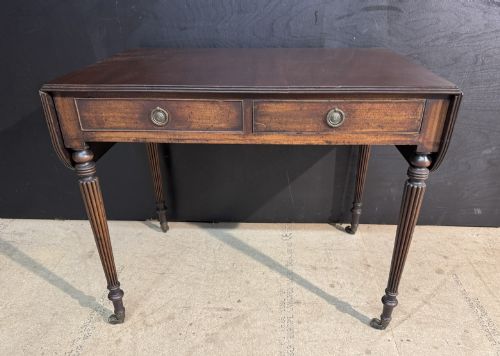
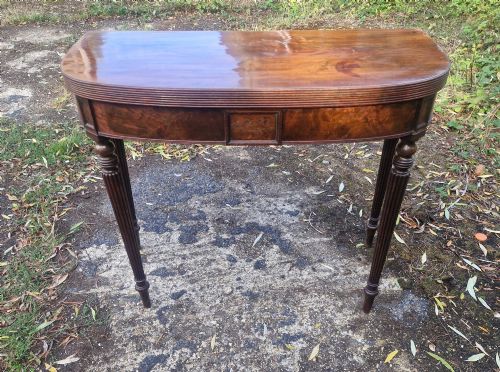
A gillows style side table encompasses various forms designed to serve practical domestic functions while displaying refined cabinet-making traditions. Buyers regularly find specific formats such as writing tables, games tables, sewing tables, and serving tables.
The selection spans multiple eras, drawing heavily on Regency, Georgian, and William IV designs alongside later Victorian and Edwardian interpretations. These pieces often feature specific functional elements like drop leaves, tilt-top mechanisms, and fitted drawers.
Originating from the stylistic vocabulary of a prominent Lancaster and London workshop, these tables range from direct attributions to later revival pieces created in the manner of the firm. They suit hallways, drawing rooms, and libraries as versatile surfaces for lamps, writing, or display.
How they were made
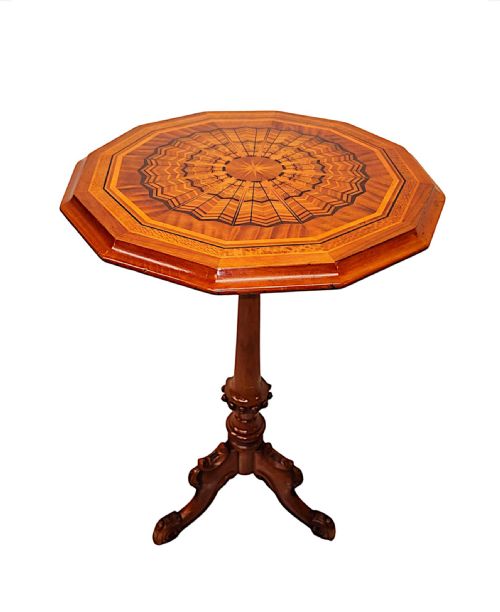
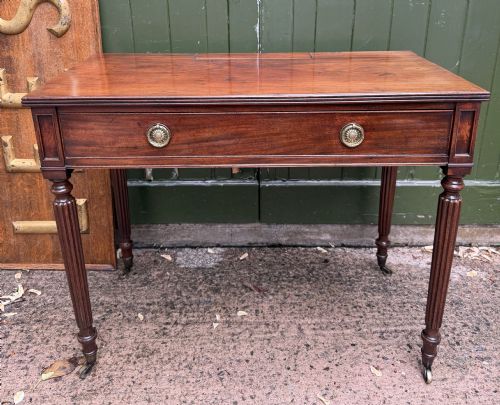
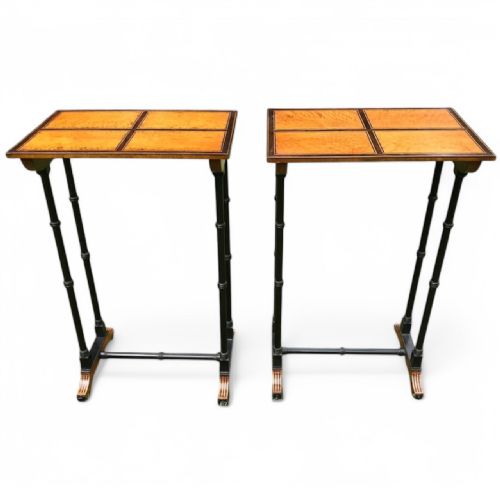
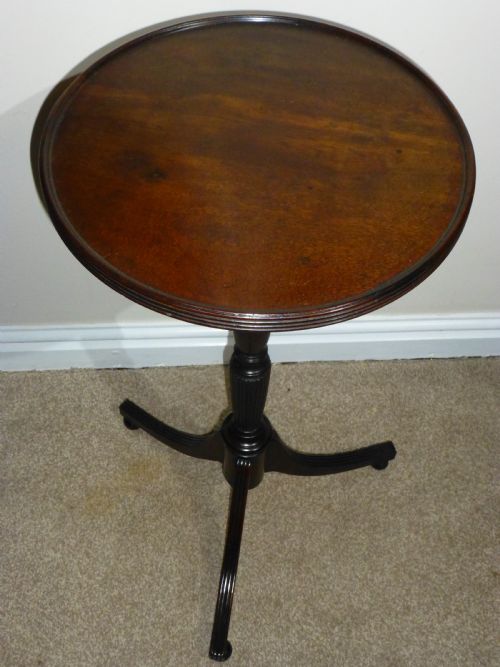
Timbers form the structural foundation of these pieces, with solid mahogany and figured rosewood dominating the selection, supplemented by satinwood, oak, burr walnut, and birds-eye maple. Artisans selected these woods for their grain patterns, often enhancing them through careful polishing or subtle marquetry work.
Decoration relied on contrasting materials and refined joinery rather than excessive ornamentation, utilising brass mounts, ebony stringing, leather writing surfaces, and marble tops. Turning and reeding defined the legs, particularly on Regency examples where architectural proportions guided the construction.
Listings feature woods such as mahogany, rosewood, satinwood, and birds-eye maple across nineteenth-century formats.
What varies in quality
The degree of refinement in the timber selection and the precision of the secondary woods dictate the standing of an individual piece. Superior examples display tightly figured veneers and meticulous matching across drawer fronts and table tops.
Execution of detail separates workshop standards, observable in the crispness of carved elements, the integration of brass fittings, and the smoothness of mechanical actions in drawers and tilt-tops. The authority of the maker's stamp or attribution further influences recognition among collectors.
Gillows of Lancaster·Waring and Gillow
The Gillows Style Side Table Glossary
- Reeded leg
- A column carved with parallel convex mouldings that resemble bundled reeds. This decorative turning appears frequently on Regency and George IV table supports.
- Sofa table
- A long, narrow table designed to stand in front of a sofa, typically featuring drop leaves at either end. They often incorporate two small drawers opposite dummy drawers.
- Tilt-top table
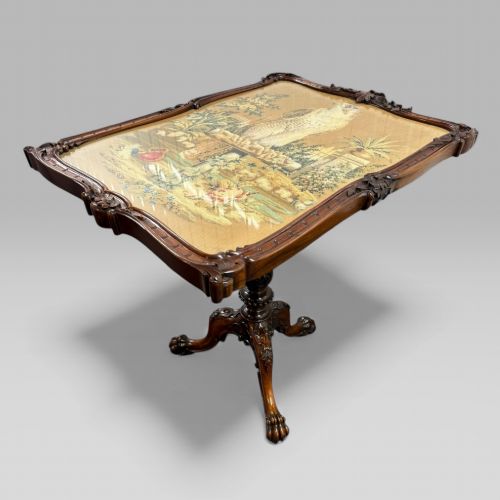
- A table with a hinged top that pivots vertically to stand flat against a wall when not in use. This mechanism saved floor space in period domestic interiors.
- Gilt bronze
- An alloy treated with a gold coating to provide metallic enrichment without solid gold construction. It frequently appears on mounts and feet.
- Stretcher
- A horizontal support connecting the legs of a table to increase stability. They appear in various configurations across different periods.
Gillows Style Side Table: Frequently Asked Questions
What defines a gillows style side table?
These tables are defined by understated classical proportions, high-grade timber selection, and practical forms rooted in the design books of a historic Lancaster workshop. They emphasise functional elegance over heavy ornamentation.
Craftsmanship typically includes disciplined reeded legs, precise brass hardware, and thoughtful internal construction that reflects professional cabinet-making standards of the Georgian and Regency eras.
How do I date a table without a stamp?
Dating relies on identifying structural characteristics, secondary woods, and stylistic motifs associated with specific decades. Regency pieces often showcase brass inlay and reeded legs, while later Victorian versions incorporate oak or walnut.
Examining the construction methods inside the drawers and the ageing of the timber grain provides further clues to whether a piece originates from the early nineteenth century or a later revival.
Where should I place a side table in my home?
These tables adapt easily to various rooms due to their narrow profiles and functional surfaces. They serve well in hallways for keys and correspondence, beside seating areas as lamp tables, or in studies as writing desks.
Matching the timber tone to existing furniture helps integrate the piece, while selecting a specific form like a games table or a sewing table adds specialised utility.
Are these tables suitable for daily use?
Solid construction and durable timbers allow these tables to withstand regular domestic activities. Surfaces finished with traditional polishes require basic care with soft cloths to maintain their condition.
Leather inserts on writing tables and marble tops on serving tables offer practical resistance to everyday wear when treated with standard antique maintenance.