

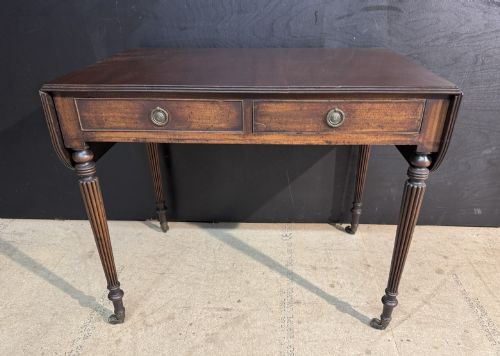
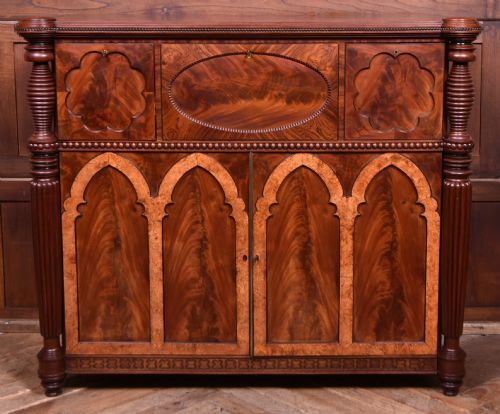
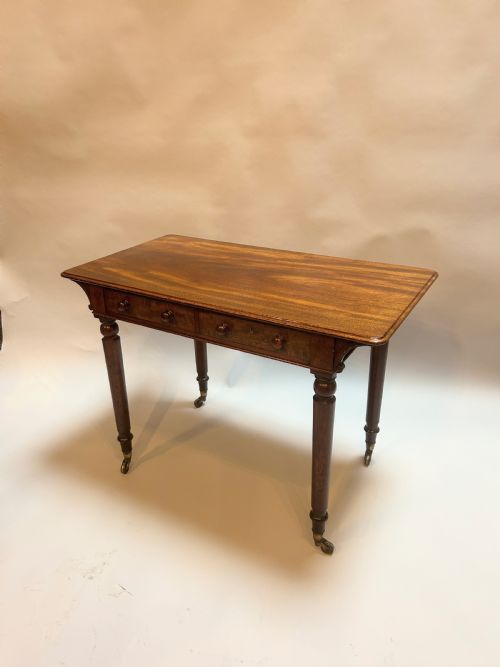
Gillows Desk
A gillows desk brings together precise cabinet-making and functional writing forms created by this notable firm.
Gillows Desk
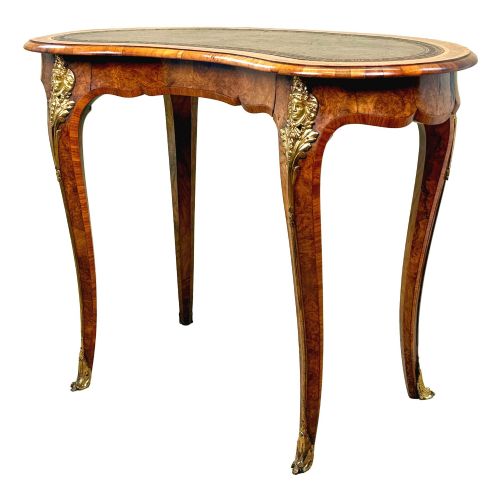
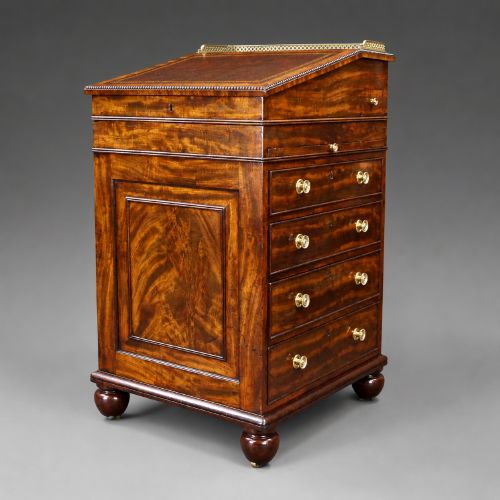
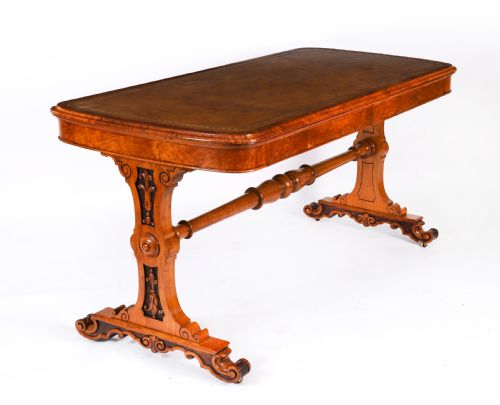
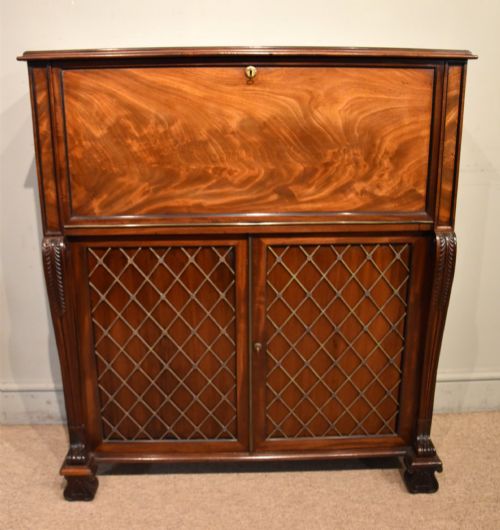
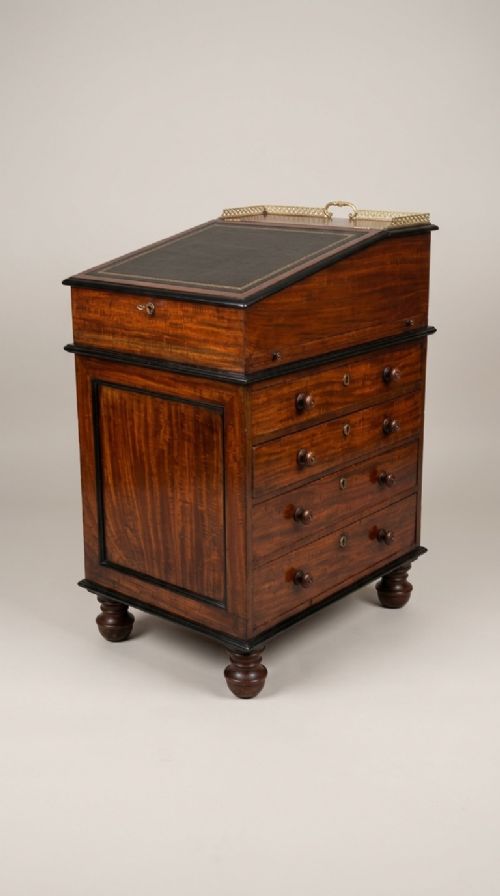
A gillows desk encompasses writing tables, secretaire bookcases, and compact davenports produced across the eighteenth and nineteenth centuries. These pieces reflect the cabinet-making standards associated with workshops in Lancaster and London.
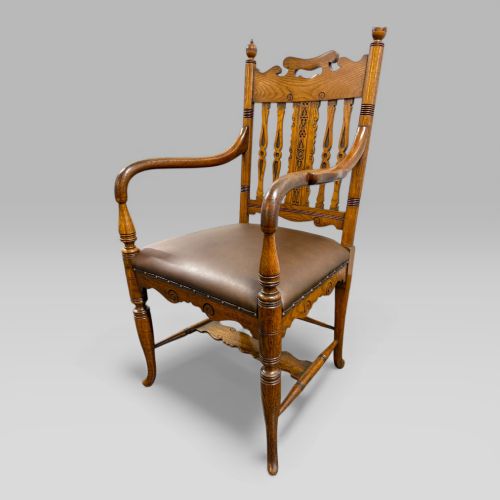
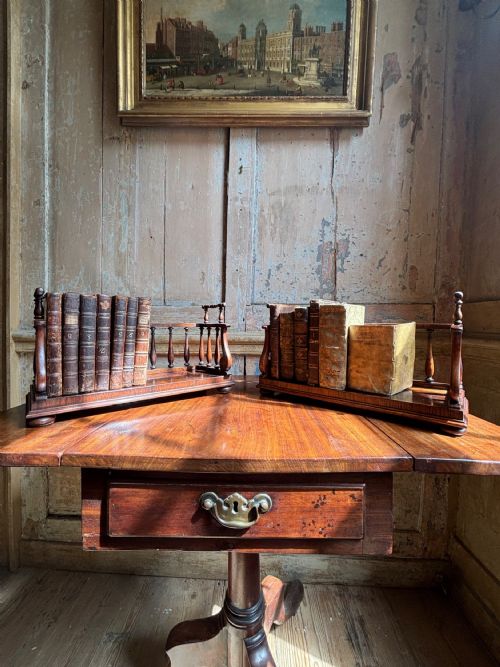
Mahogany and rosewood appear frequently alongside walnut and oak, shaping forms from George III library tables to Victorian pedestals. The selection ranges from compact writing desks to large partners tables designed for central placement in a room.
Pieces often display distinct construction traits such as stamped signatures or specific drawer linings. Understanding these characteristics helps distinguish authentic workshop production from later stylistic interpretations.
Assessing Craftsmanship and Detail
The refinement of carved details and the selection of veneer figure separate standard workshop output from exceptional commissions. Drawer linings executed in solid secondary timbers indicate careful internal construction.
Proportion and hardware integration influence the overall success of a piece. Original brass handles, working locks, and balanced structural lines determine the standing of an individual desk.
Gillows Desk Retail Price Guide 2026
Typical asking prices for gillows desk among the pieces listed under this phrase on Sellingantiques today, from the lower quarter to the upper quarter. They describe what is for sale here now, not the wider market.
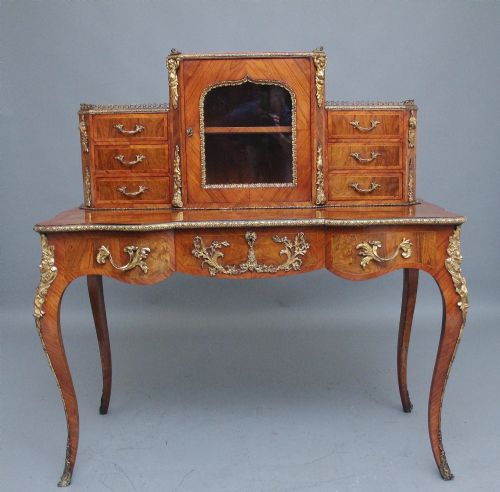
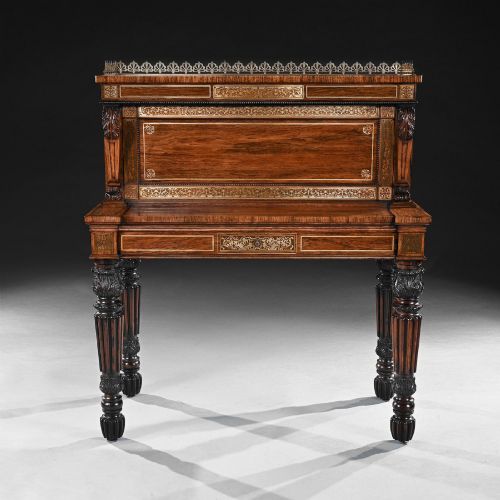
Listings demonstrate materials including mahogany, rosewood, burr walnut, and brass across Georgian and Victorian periods.
The Gillows Desk Glossary
- Davenport
- A compact desk featuring a sloping writing lid above a pedestal of drawers. This form became popular during the Regency period for domestic study spaces.
- Secretaire bookcase
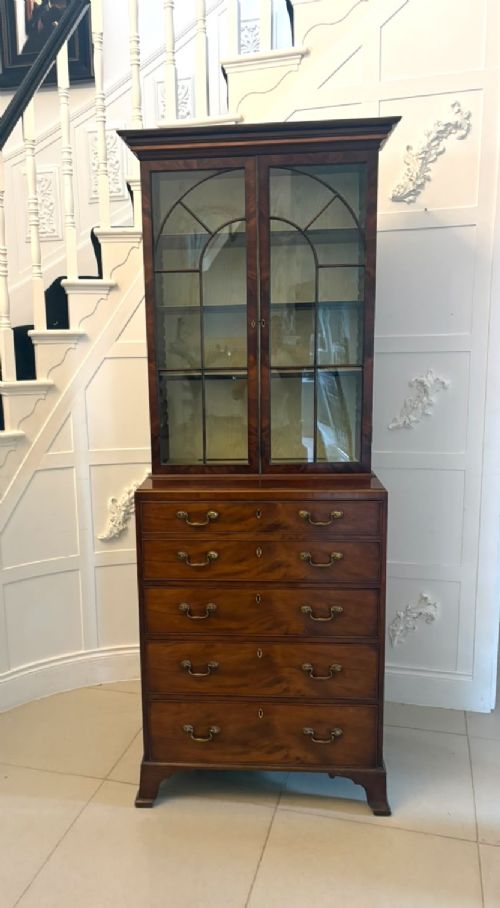
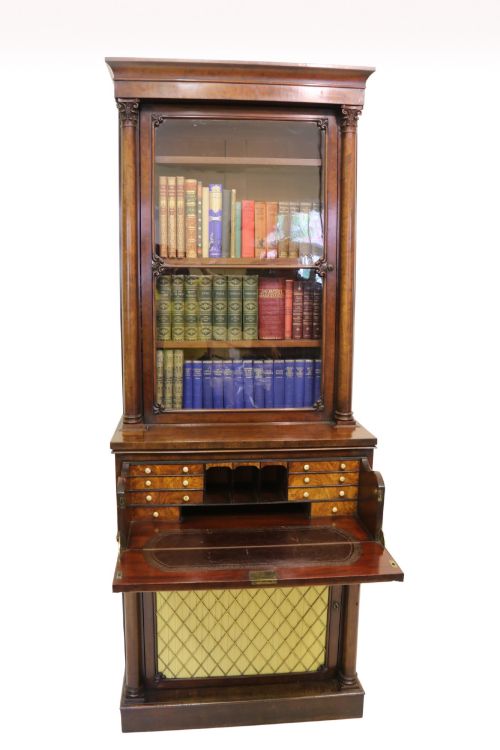
- A tall cabinet combining upper shelving behind glazed doors with a drop-front writing drawer. The fitted interior typically contains small drawers and pigeonholes.
- Partners desk
- A double-sided writing table fitted with drawers on both long sides. These large tables allowed two individuals to work opposite each other.
- Astragal glazed
- A glass door divided into panes by small wooden mouldings. This method was widely used on bookcase cabinets to display book bindings.
- Secondary wood
- The internal timber used for drawer sides and backs, such as oak or pine. Examining this wood helps verify the period of manufacture.
Gillows Desk: Frequently Asked Questions
How do I identify an authentic piece?
Authentic items often carry maker stamps, signature drawer construction, or specific secondary timbers consistent with workshop records.
Comparing structural proportions and hardware details against documented examples helps confirm attribution.
What periods do these desks cover?
Examples span from the late eighteenth century through the Georgian, Regency, and Victorian eras.
Design characteristics shift from neoclassical restraint to heavier nineteenth-century proportion while maintaining high standards.
How should I care for the leather?
Leather writing inserts require gentle cleaning and periodic conditioning to prevent drying and cracking.
Avoiding direct sunlight and excessive moisture preserves both the leather surface and the surrounding timber.
Where were these pieces made?
Production took place primarily at workshops located in Lancaster and Oxford Street in London.
These centres employed skilled craftsmen who maintained strict standards across various writing furniture forms.