





Gilded Wooden Wall Plaque
These gilded wooden wall plaque examples combine carved timber with gold leaf, offering characterful focal points for interiors.
Gilded Wooden Wall Plaque
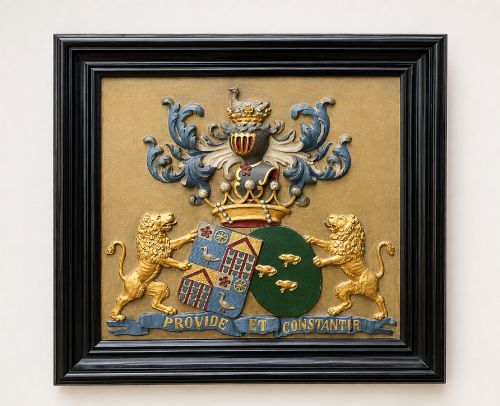
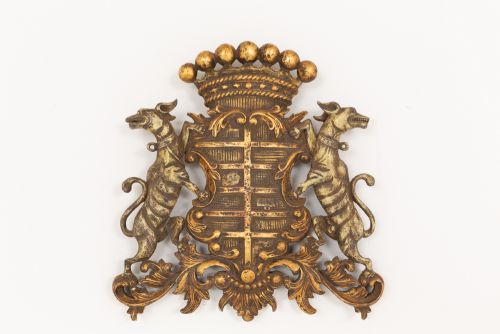
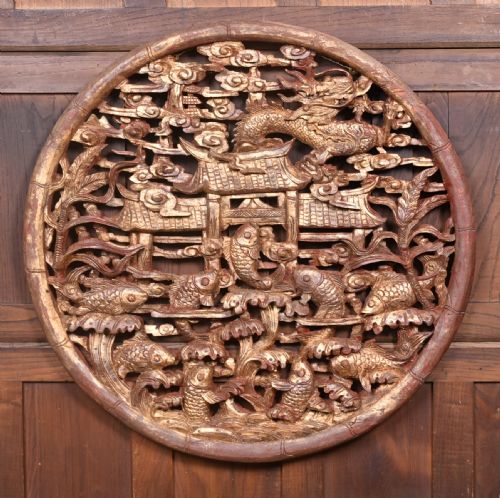
A gilded wooden wall plaque represents a diverse category of wall art, architectural salvage, and religious iconography sourced from various centuries and traditions. When searching for a gilded wooden wall plaque, buyers encounter everything from heraldic marriage panels and temple carvings to folk art trophies and decorative over-door sections.
The pieces listed span multiple stylistic traditions including Baroque, Renaissance Revival, and Qing Dynasty aesthetics. These items serve primarily as decorative wall reliefs and carvings that bring historical depth and texture to residential or commercial spaces.
How they were made
Maker construction relies on timber substrates such as softwood, oak, and carved hardwood shaped through manual carving techniques. Artisans often applied gesso to the carved wooden surface to create a smooth preparation layer before laying down gold leaf.
Surface decoration frequently combines gold leaf with paint and lacquer to accentuate relief details and figures. These traditional methods ensure the durability of the gilding across centuries of display.
Gilded Wooden Wall Plaque Retail Price Guide 2026
Typical asking prices for gilded wooden wall plaque among the pieces listed under this phrase on Sellingantiques today, from the lower quarter to the upper quarter. They describe what is for sale here now, not the wider market.
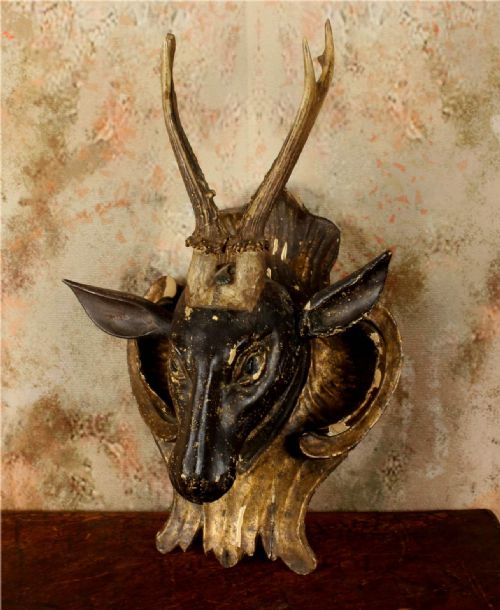
One listed item combines a carved deer head with folk art antlers, offering a remarkably unexpected twist on traditional wall trophies.
What varies in quality
Quality differences lie in the depth, precision, and sophistication of the carving across the wooden substrate. Finer pieces demonstrate superior anatomical or heraldic detail executed by skilled hands rather than routine production work.
The application and preservation of the gold leaf and gesso layer also dictate the visual standard of the piece. Intact historic gilding with natural patina elevates the overall integrity of the object.
The Gilded Wooden Wall Plaque Glossary
- Gesso
- A plaster mix applied to wood as a base for paint or gold leaf. It provides a smooth ground that holds intricate relief details.
- Gold Leaf
- Gold beaten into extremely thin sheets used for gilding surfaces. This material gives these wall pieces their characteristic metallic sheen.
- Heraldic
- Relating to coats of arms and genealogy. Heraldic plaques often display specific family lineages and marriage alliances.
- Icon
- A religious work of art, typically painted on wood panels. These devotional objects form a distinct subset of wall-mounted items.
- Relief
- A wall-carving technique where the sculpted elements project from a background plane. This method creates strong shadow and depth.
Gilded Wooden Wall Plaque: Frequently Asked Questions
How should I clean gilded wood?
Dust gilded surfaces gently with a soft, dry brush to remove particulate matter without disturbing the delicate gold leaf. Avoid using water, chemical solvents, or abrasive cloths that can strip the historic finish.
Moisture can penetrate microscopic cracks in the gesso and cause the wood beneath to warp. Keep these pieces in stable indoor environments away from direct heat sources.
What is a temple panel?
Temple panels are carved architectural elements originating from places of worship, often featuring intricate figural or floral motifs. These sections were originally integrated into larger shrines or buildings before becoming standalone decorative objects.
Many examples exhibit traces of traditional gilding and lacquer applied during their period of use. They bring distinct cultural narratives and craftsmanship into modern interior settings.
How do I identify the period of a carved plaque?
Dating relies on stylistic clues, tool marks left by the carver, and the specific ageing characteristics of the wood and gesso. Comparing the decorative motifs, such as Baroque scrollwork or Qing Dynasty patterns, helps narrow down the era of origin.
Documentation or historical context associated with specific workshops also aids verification. Examining the reverse side often reveals construction methods characteristic of particular centuries.