



Antique Train Memorabilia
Antique train memorabilia brings the heavy iron and polished brass of the steam age straight into your study.
Antique Train Memorabilia
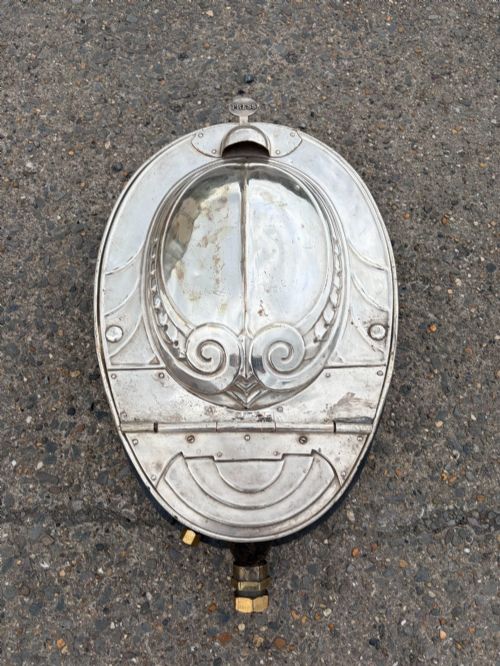
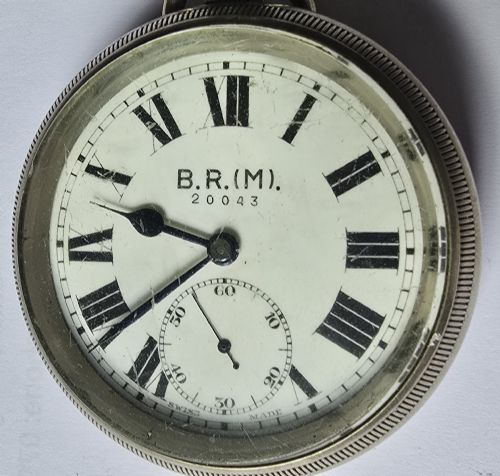
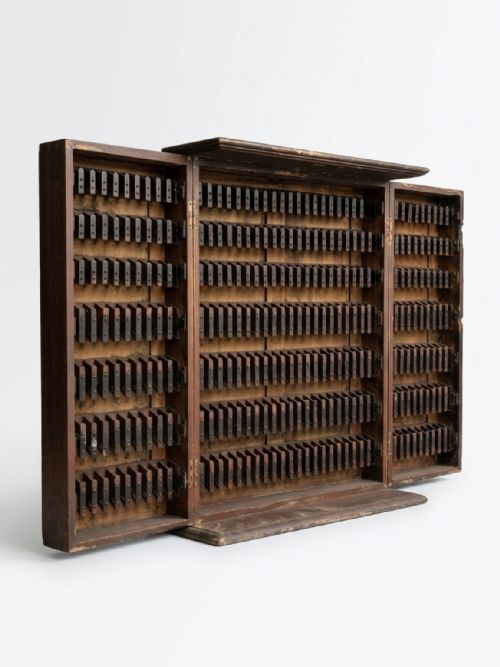
When you search for antique train memorabilia, you encounter items shaped by the practical demands of nineteenth and twentieth-century railway networks. These pieces range from station master pocket watches and silver plate compartment sinks to heavy cast iron signal oil lamps and railway ticket cupboards.
You are most likely to meet utilitarian items built for daily service on British and colonial lines, alongside novelty pieces modelled on rolling stock. Humidors and smokers' cabinets fashioned in the exact likeness of coal wagons appear frequently, combining domestic smoking habits with railway design.
The objects span the Victorian era, the Edwardian period, and mid-century utility years, reflecting both the grandeur of steam travel and the routine operations of major lines. Oak, pine, and mahogany structures sit alongside iron, brass, and nickel hardware, charting the materials favoured by railway workshops.
How they were made
Makers utilised durable metals and dense hardwoods capable of withstanding the vibrations and rough handling of active railway stations and moving carriages. Cast iron, brass, and nickel provide the robust housings for lanterns, pocket watches, and architectural fittings.
Cabinet makers constructed ticket cupboards and coal wagon humidors from oak, pine, and mahogany, often incorporating fine detailing like Art Nouveau inspired glass panels into carriage doors. Silver plate finish was applied to functional hardware such as sleeping compartment sinks to maintain hygiene and appearance under heavy usage.
Antique Train Memorabilia Retail Price Guide 2026
Typical asking prices for train memorabilia among the pieces listed under this phrase on Sellingantiques today, from the lower quarter to the upper quarter. They describe what is for sale here now, not the wider market.
Current pieces span the Victorian era, Edwardian period, and mid-century utility years, utilising oak, pine, mahogany, cast iron, brass, and glass.
What varies in quality
Quality rests in the legibility of company stamps, the preservation of original mechanisms, and the integrity of the materials. Pocket watches bearing clear railway region inscriptions and matching lantern sets display a higher degree of historical completeness.
Carpentry standards separate standard utilitarian boxes from finely modelled coal wagon humidors, where operational wheels, accurate iron strapping, and unwarped timber define the better examples.
The Antique Train Memorabilia Glossary
- Humidor
- A moisture-controlled box designed for storing cigars, which in railway contexts was often novelty-shaped like a coal wagon. These pieces use cedar or oak linings to preserve tobacco.
- Signal oil lamp
- A heavy-duty lighting device utilised by railway staff for signalling and yard operations. They are constructed from iron and brass with thick glass lenses.
- Pocket watch
- A portable timepiece carried by station masters and guards to ensure strict adherence to timetables. Engraved inscriptions usually denote the specific railway region or company.
- Architectural salvage
- Elements rescued from stations and rolling stock, including carriage doors and sinks. These items retain the heavy hardware and glass panels of their original environment.
Antique Train Memorabilia: Frequently Asked Questions
What is railway memorabilia?
Railway memorabilia encompasses the functional equipment, decorative items, and architectural fittings produced for train networks during the nineteenth and twentieth centuries.
This material ranges from pocket watches and signal lamps used by staff to ticket cupboards and carriage doors salvaged from stations and rolling stock.
How were coal wagon humidors used?
Coal wagon humidors served as novelty desktop storage containers for tobacco and cigars during the Victorian and Edwardian eras.
Craftsmen modelled these small wooden cabinets directly on industrial coal trucks, combining domestic smoking culture with railway themes.
How do I identify railway pocket watches?
Railway pocket watches feature engraved company markings, regional abbreviations, and serial numbers on their dials or case backs.
These inscriptions indicate which network or station master operated the timepiece during its active service.
What woods were used for railway cabinets?
Makers constructed railway ticket cupboards and smokers' cabinets using sturdy timbers such as oak, pine, and mahogany.
These durable woods endured heavy commercial use in station offices and private smoking rooms alike.