



Carved Wooden Coat Arms
These carved wooden coat arms bring centuries of heraldry into a room, offering striking wall displays and seating rooted in family lineage and institutional history.
Carved Wooden Coat Arms
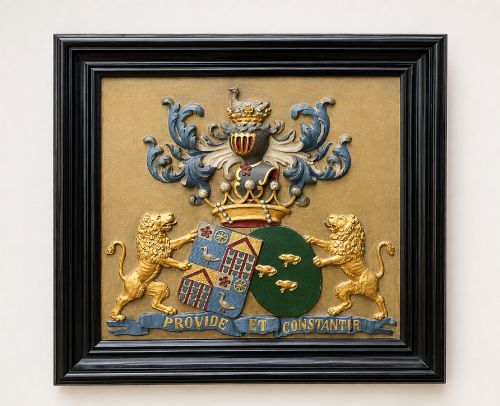
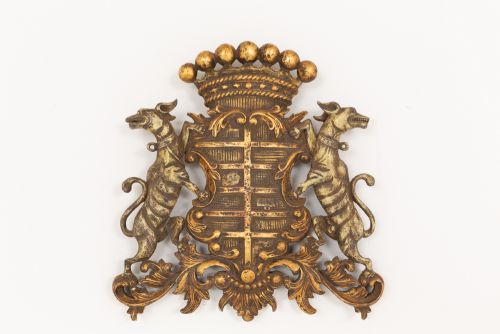
Carved wooden coat arms span centuries of heraldic tradition, taking the form of wall plaques, armorial shields, and hall chairs. When searching for carved wooden coat arms, collectors encounter items ranging from 18th Century polychrome painted crests to 19th Century Dutch marriage plaques and Victorian Gothic Revival designs.
The pieces listed here primarily comprise wall plaques and sculptures rendered in hardwood, oak, mahogany, and walnut. Alongside wall displays, functional forms appear, including Victorian mahogany armorial hall chairs carved with family crests and insignia.
Origins stretch across British, European, and colonial workshops, reflecting specific familial alliances, railway heritage, and Pugin architectural designs. Each piece serves as a tangible record of historical identity, executed through traditional carving techniques.
Materials and construction
Carvers shaped these armorial pieces from dense timbers including oak, mahogany, walnut, and assorted hardwoods. Artisans utilised deep relief carving to render intricate heraldic beasts, shields, and scrolling foliage with crisp definition.
Surface decoration frequently involved applied gold leaf, gilt highlights, and polychrome pigment to emphasise the heraldic tinctures. Early 18th Century examples demonstrate skilled paint application over carved wood, while later 19th Century works rely on the natural grain of tiger oak and polished mahogany.
Carved Wooden Coat Arms Retail Price Guide 2026
Typical asking prices for carved wooden coat arms among the pieces listed under this phrase on Sellingantiques today, from the lower quarter to the upper quarter. They describe what is for sale here now, not the wider market.
A railway plaque of South African origin proves that heraldry occasionally hitched a ride on the steam train.
Assessing craftsmanship and condition
Quality rests entirely upon the depth and precision of the carving, where master carvers achieved anatomical accuracy in heraldic lions and crisp symmetry in shields. Lesser examples show flattened relief and hurried tool marks that obscure the intricate details of the crest.
The preservation of original surface treatments defines the upper tier of pieces. Surviving historic polychrome pigment and gold leaf elevate a panel, whereas heavy modern overpainting diminishes historical integrity.
Van Rijckevorsel and Verheijen·Seton Family
The Carved Wooden Coat Arms Glossary
- Armorial
- Relating to armorial bearings or a coat of arms. These designs display hereditary symbols belonging to a specific family or institution.
- Heraldry
- The system by which coats of arms and other armorial bearings are devised, described, and regulated. It forms the visual language carved into these wooden shields and plaques.
- Polychrome
- Painted, printed, or decorated in several colours. This technique brought realistic heraldic hues to wooden crests.
- Gilt
- Covered thinly with gold leaf or gold paint. This treatment added lustre and status to carved wooden elements.
- Pugin Design
- Decorative work associated with the architectural style of Augustus Pugin. Such designs often manifest in Gothic Revival woodwork and ecclesiastical crests.
Carved Wooden Coat Arms: Frequently Asked Questions
How were armorial plaques used historically?
Armorial plaques were mounted prominently on interior walls to commemorate marriages, professional appointments, or family heritage. They acted as visual testaments to lineage within stately homes and administrative offices.
Some specialised forms, such as hall chairs, integrated crests into everyday furniture to reinforce the household's status to visitors.
Where should I hang a wooden coat of arms?
These pieces suit spaces with traditional architecture, high ceilings, or wood panelling where their weight and scale balance the room. Placing them above a fireplace or in a hallway echoes their historic placement.
Ensure the wall fixings match the substantial weight of dense hardwoods like oak and mahogany.
How do I date an antique wooden crest?
Dating relies on stylistic clues, timber choice, and tool marks left by the carver. Pieces from the eighteenth century often feature polychrome pigments, while nineteenth-century works frequently embrace Gothic Revival or Dutch marriage plaque traditions.
Documentary evidence, such as inscribed dates or known family crests, further clarifies the period of origin.