

Gilded Wood Lighting
These pieces of gilded wood lighting bring warm, reflective brilliance to a room through centuries of skilled Italian and French craftsmanship.
Gilded Wood Lighting
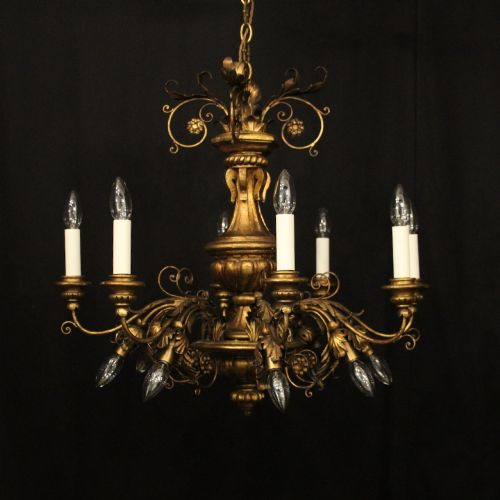
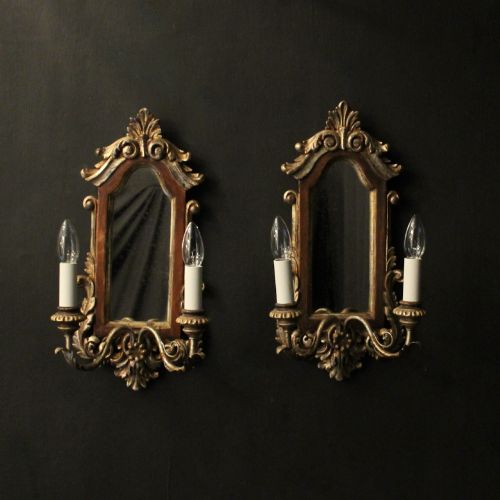
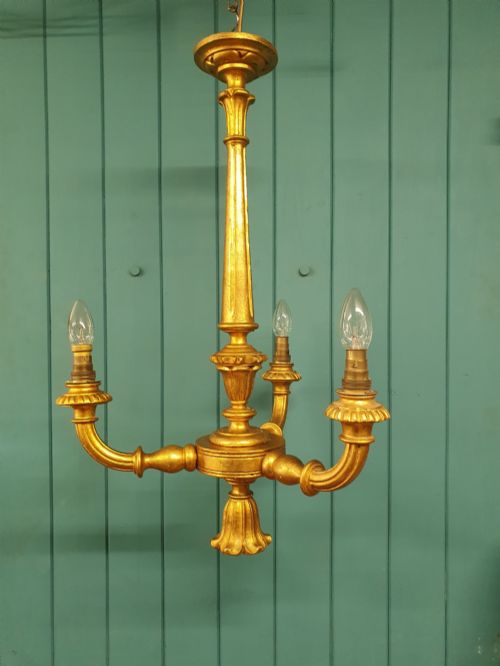
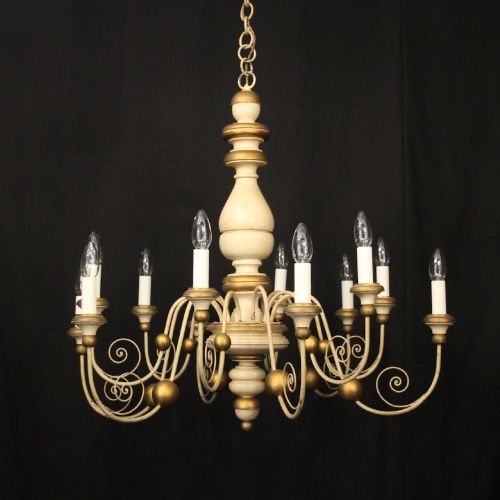
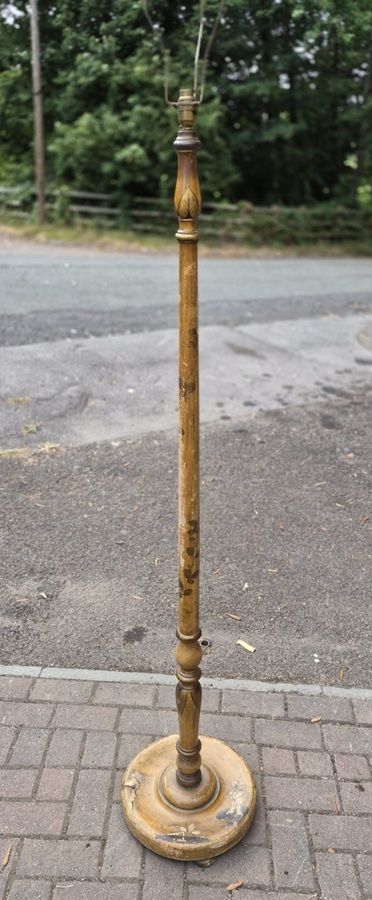
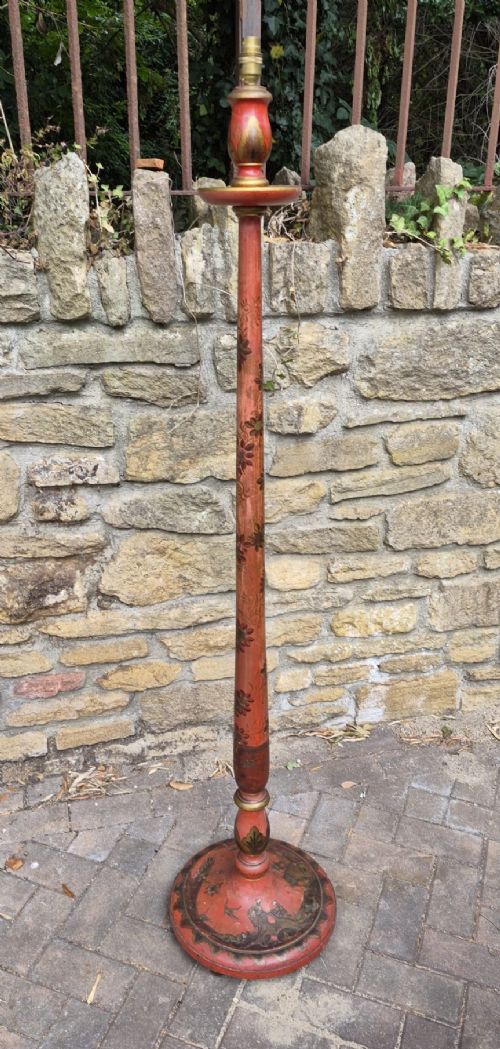
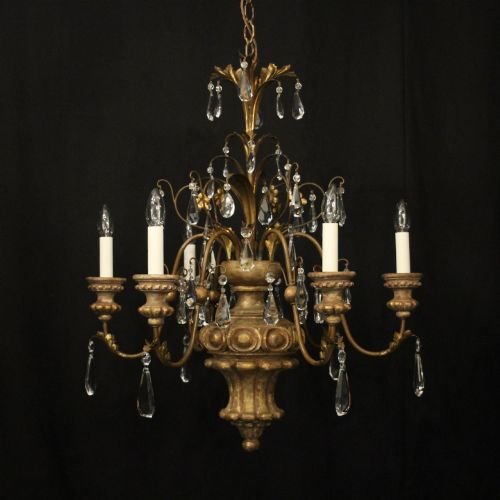
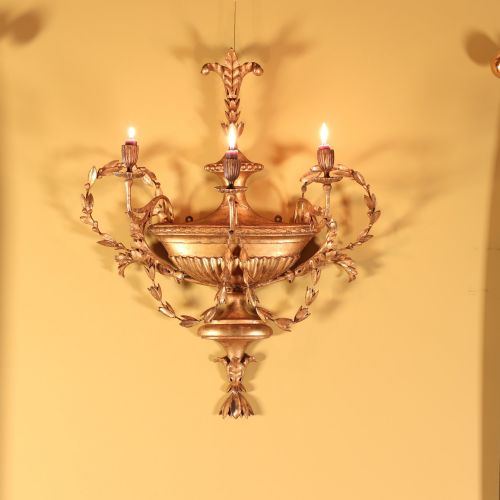
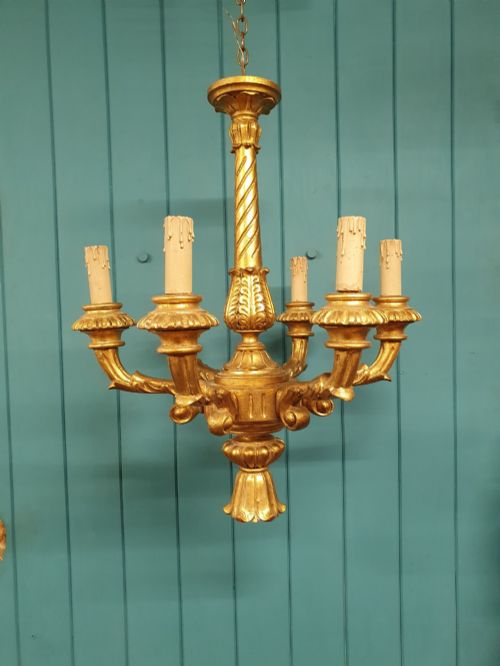
When you search for gilded wood lighting, you enter a field defined by carved wooden structures finished in gold leaf, gesso or polychrome paint. The selection spans grand multi-arm chandeliers, monumental lanterns, floor lamps and standard lamps designed to illuminate interiors with traditional grandeur.
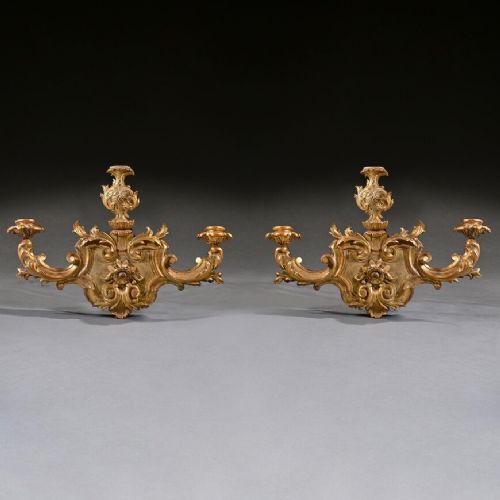
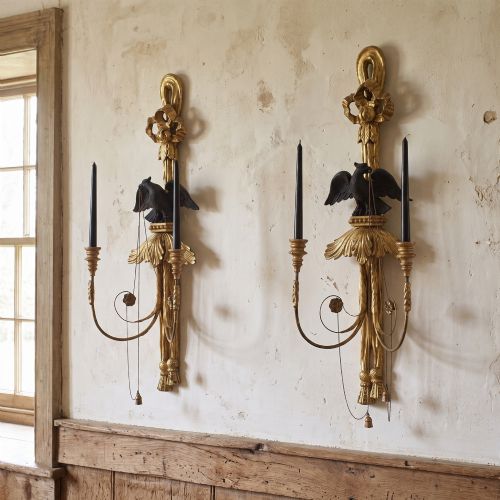
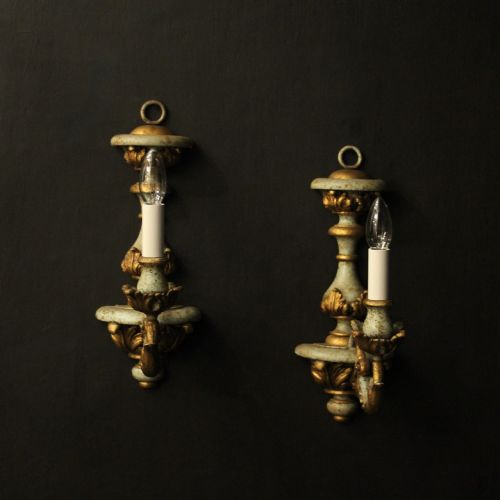
You are most likely to meet Italian Florentine wall lights and chandeliers originating from the early decades of the twentieth century, alongside substantial pairs of nineteenth-century wall sconces. These items reflect enduring regional styles such as Baroque, Rococo and Neoclassical design.
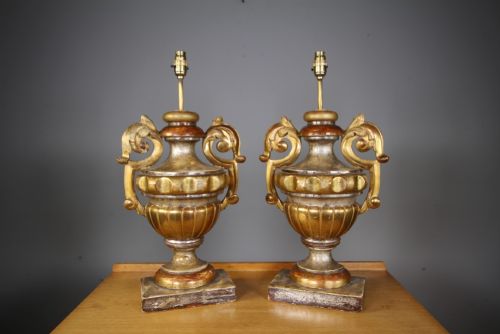
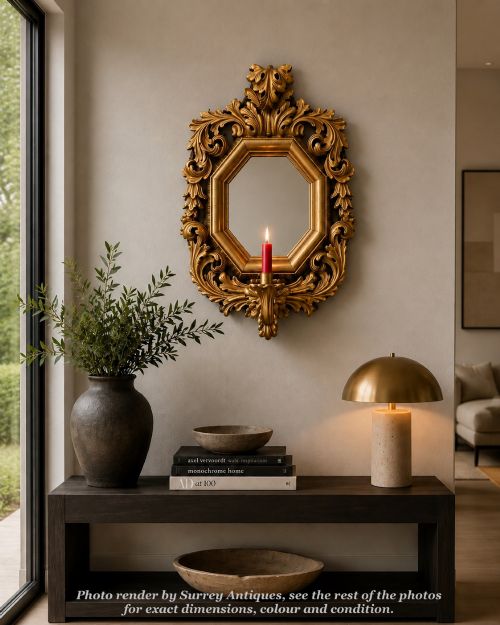
Smaller functional objects like table lamps, candlesticks and girandoles also appear regularly alongside tall floor-standing fittings. The forms range from simple carved pine urns to elaborate twin-arm and triple-arm candle and electric fixtures.
Materials and construction
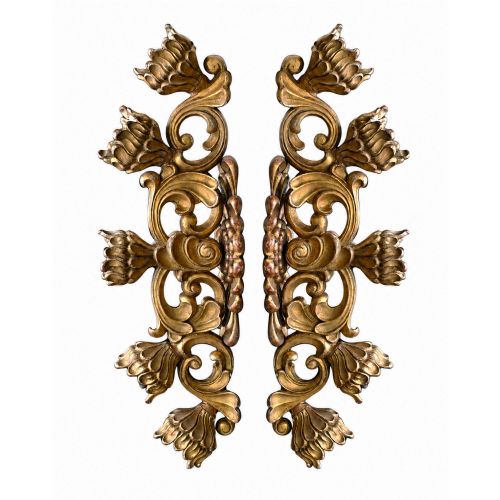
Carved wood and pine form the physical foundation for these items, shaped by hand to create intricate foliage, scrolls and structural arms. Artisans applied layers of gesso over the timber base to smooth the surface before laying fine sheets of gold leaf or silver gilt.
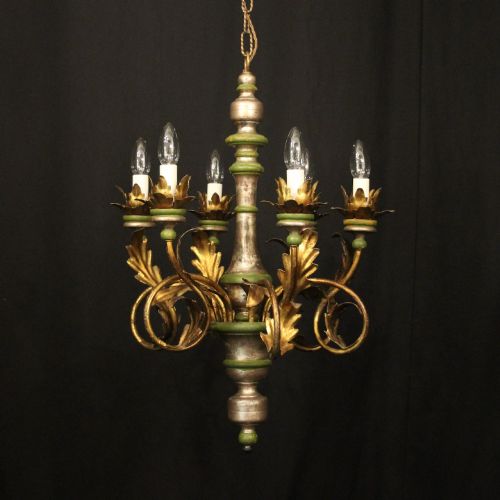
Many Florentine pieces incorporate polychrome pigments alongside the gilding to create depth and colourful contrast within the carved details. Metal components, brass fittings and fabric elements integrate into the structural design where electrical wiring or candleholders require them.
Gilded Wood Lighting Retail Price Guide 2026
Typical asking prices for gilded wood lighting among the pieces listed under this phrase on Sellingantiques today, from the lower quarter to the upper quarter. They describe what is for sale here now, not the wider market.
A cheerful contingent of carved wooden cherubs and winged putti stands ready to illuminate the room from the walls.
Evaluating the standard of work
The fineness of the hand-carving dictates the visual strength of the piece, separating deep, sharp botanical and scroll relief from softer, more generalized shaping. The application of gold leaf and gesso reveals the maker's discipline, where smooth, uniform metallic surfaces contrast against uneven or heavy-handed modern repaint.
Structural integrity depends upon the preservation of the original timber core and the stability of the gesso layer beneath the leaf. Pieces that retain their original period gilding and authentic surface wear possess greater historical character than heavily restored examples.
The Gilded Wood Lighting Glossary
- Giltwood
- Timber that has been coated with fine gold leaf applied over a prepared gesso ground. This finish provides the characteristic metallic sheen seen on antique frames and light fittings.
- Gesso
- A plaster mixture spread over wood to create a smooth surface for gilding and carving. It allows artisans to crisp up fine details before applying gold leaf.
- Girandole
- An ornamental wall-mounted bracket holding candles or electric lights, often incorporating a mirror. The reflective glass helps to amplify the illumination within a room.
- Pricket
- A sharp spike on a candlestick or sconce designed to hold a candle in place. This form often appears on ecclesiastical or altar-style lighting.
- Polychrome
- The practice of decorating architectural elements or wood carvings in a variety of coloured paints. It frequently accompanies gilding on Florentine decorative items.
Gilded Wood Lighting: Frequently Asked Questions
How do I install antique wall lights?
Most wall sconces require mounting directly to standard electrical wall boxes by a qualified professional electrician. Consideration must be given to the weight of the carved wooden arms and the stability of the wall.
Heavier fixtures require proper wall anchors and structural backing to support the load safely over time. Wiring should be inspected to ensure compliance with current safety standards before operation.
Are these chandeliers electrified?
The lighting options on this page include both historically wired pieces and those adapted from earlier candle fittings. Many twentieth-century Florentine and French chandeliers arrive ready for modern electrical bulbs.
Older candle sconces and altar sticks often retain their original prickets or require discreet wiring integration. Buyers should examine individual listings to confirm whether electrical components are currently fitted.
How do I clean gilded wood lighting?
Dust these delicate surfaces gently using a soft, dry brush or a feather duster. Avoid liquid cleaners, chemical solvents and abrasive cloths that can damage the fragile gold leaf.
Moisture will soften the underlying gesso and cause the metallic leaf to lift away from the timber. Regular, gentle maintenance preserves the historic surface without stripping the patina.
What is the difference between Florentine and French styles?
Florentine lighting frequently emphasises rich carved foliage, polychrome highlights and elaborate multi-arm symmetry. These pieces draw heavily on Italian Baroque and Rococo design traditions.
French pieces often display refined Neoclassical lines, chinchilla or standard lamp proportions, and delicate giltwood details. Understanding regional carving traits helps determine the exact origin of each fitting.
How do I date an antique chandelier?
Examine the construction methods, the type of timber used for the core, and the characteristics of the gesso layer. Nineteenth-century examples often display denser hand-carved pine and heavier iron or brass internal bracing.
Twentieth-century Florentine pieces frequently utilise lighter wood structures paired with distinct polychrome or bright gilt finishes. Comparing stylistic motifs against known period periods narrows down the decade of production.