


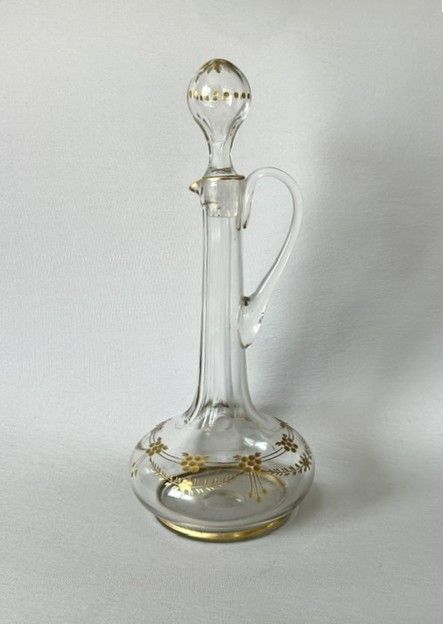
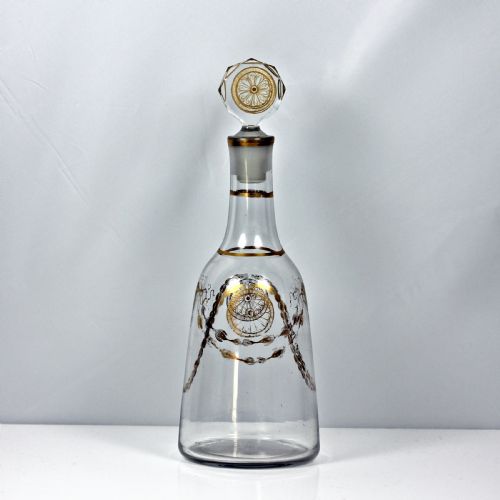


Gilded Wine Glass
These gilded wine glass pieces bring 18th Century and Victorian craftsmanship to the table with gold leaf and enamel decoration.
Gilded Wine Glass
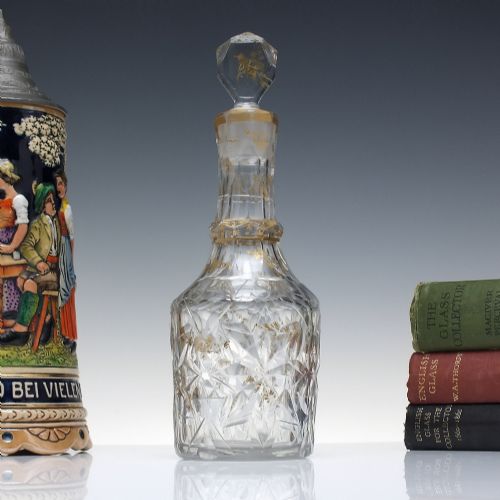
A gilded wine glass is a drinking vessel adorned with gold leaf, gilding, or gold gilt, appearing across periods from the 18th Century to the 20th Century. These pieces span wine glasses, goblets, rummers, and hock glasses, alongside matching decanters and jugs.
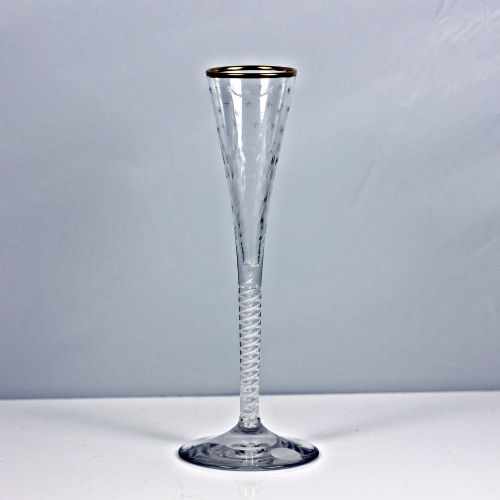
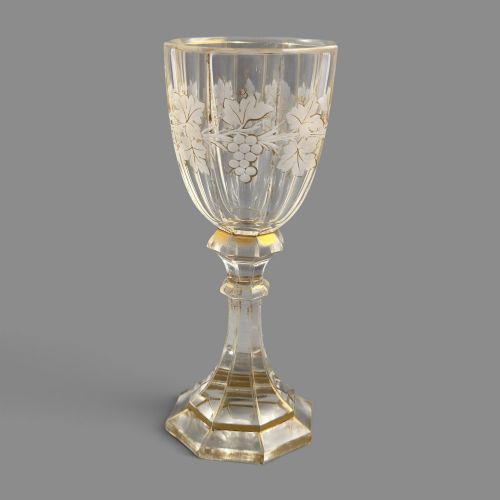
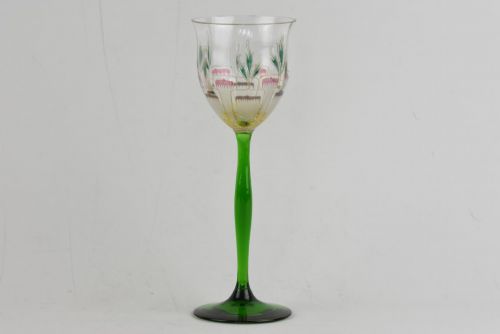
The selection ranges from early Georgian cut glass vessels and ratafia glasses to Victorian and Edwardian examples from Bohemian, German, and French makers. Forms vary from facet-cut stem wine glasses to large Römer goblets and floral enamelled crystal hock glasses.
How they were made
Makers utilised lead crystal glass, crystal, and standard glass as the base medium, shaping pieces through cutting, blowing, and engraving techniques. Lead glass and crystal provided heavy, clear foundations capable of holding intricate facet cuts and polished surfaces.
Decoration relied on gold leaf and gilding applied to the glass body, frequently combined with polychrome enamel decoration and floral motifs. Workshops such as those in Theresienthal and the atelier of James Giles employed skilled painters to apply detailed gilding and enamelling directly onto the glass.
Gilded Wine Glass Retail Price Guide 2026
Typical asking prices for gilded wine glass among the pieces listed under this phrase on Sellingantiques today, from the lower quarter to the upper quarter. They describe what is for sale here now, not the wider market.
Listings feature lead crystal glass, crystal, and standard glass, decorated with gold leaf, gilding, and enamel across the 18th, 19th, and early 20th Centuries.
What varies in quality
Quality rests in the crispness of the glass cutting and the precision of the applied gilding and enamel work. Early 18th Century pieces show refinement in their engraved details and stem formations, such as opaque twists.
The integrity of the gold leaf decoration and the clarity of the underlying crystal or lead glass define the upper tier of pieces. Maker attribution, particularly to distinguished workshops or decorators like James Giles, elevates the standing of an individual glass.
James Giles·Theresienthal·Moser·Adelbert Niemeyer
The Gilded Wine Glass Glossary
- Gilding
- The application of gold leaf or gold gilt to the surface of the glass. This decoration is often fired onto the material to secure the metallic layer.
- Römer
- A traditional Germanic large-bowled drinking goblet, usually featuring a ribbed or studded stem. These pieces frequently incorporate heavy gilding and enamel heraldic motifs.
- Hock glass
- A tall-stemmed wine glass traditionally used for white wine. They commonly appear with coloured crystal bowls and detailed enamel decoration.
- Ratafia glass
- A narrow 18th Century glass designed for sweet cordials and liqueurs. They often display engraved bowls and slender stems.
- Facet cut
- A decorative technique involving the grinding of flat geometric planes into the surface of the glass. This catches the light and highlights the clarity of the crystal.
Gilded Wine Glass: Frequently Asked Questions
How do I clean a gilded wine glass?
Wash these pieces gently by hand using lukewarm water and mild soap, avoiding abrasive sponges or harsh detergents that can damage the metallic decoration.
Dry them immediately with a soft, lint-free cloth to protect the gold leaf and prevent water spots on the glass surface.
Are these glasses safe for drinking wine?
Many historical vessels remain entirely functional for serving wine and special toasts, provided they receive careful handling during use.
Inspect the rim and bowl for any structural concerns before pouring beverages into older or more delicate crystal pieces.
How can I tell a Georgian glass from a Victorian one?
Georgian examples often feature lighter lead glass, delicate facet cutting, and specific stem formations like opaque twists characteristic of the 18th Century.
Victorian and later pieces tend toward heavier crystal, bolder enamel decoration, and distinct styles such as Bohemian engraving or Jugendstil forms.
What is the difference between crystal and lead glass?
Lead glass contains a proportion of lead oxide, which increases the weight, refractive index, and clarity of the material compared to standard glass.
Crystal is a term historically applied to high-purity lead glass that allows for deeper and sharper cutting without fracturing the vessel.