

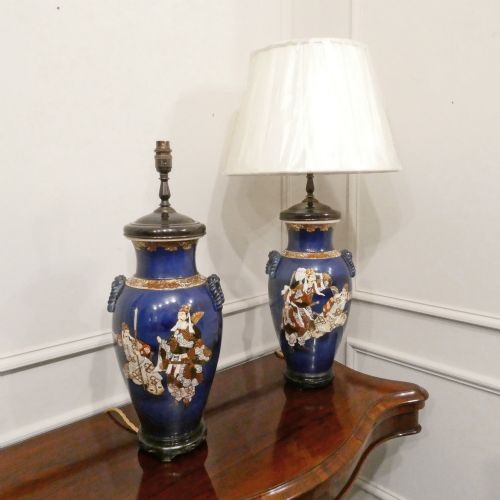
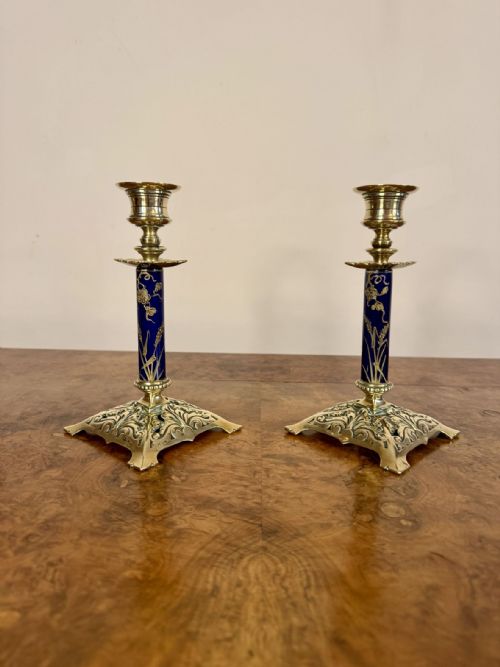
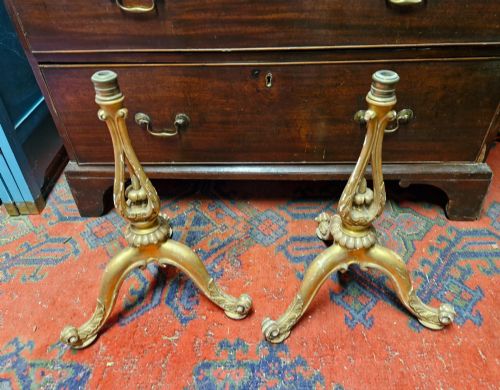
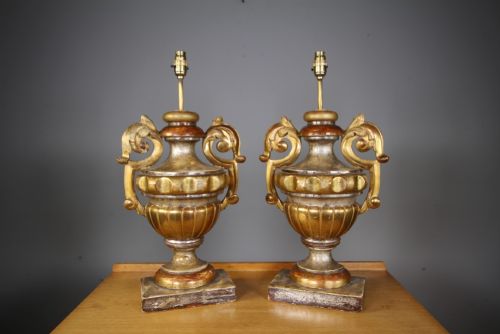
Gilded Table Light
A gilded table light brings a warm, reflective glow to a room through centuries-old metalwork and rich surface gilding.
Gilded Table Light
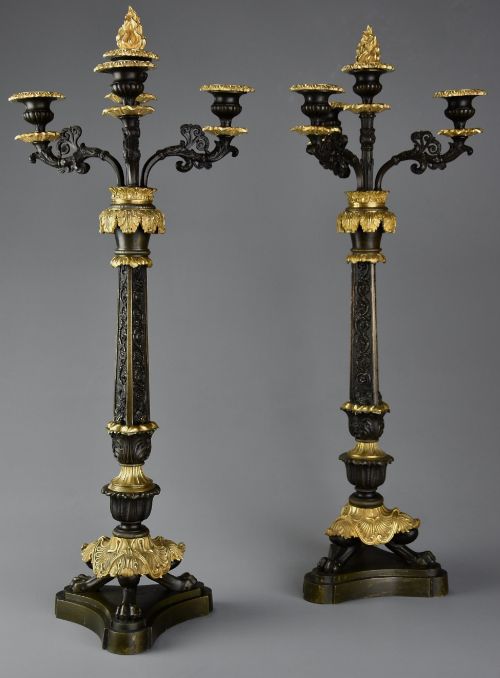
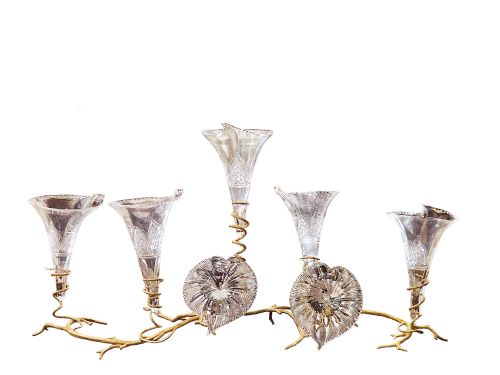
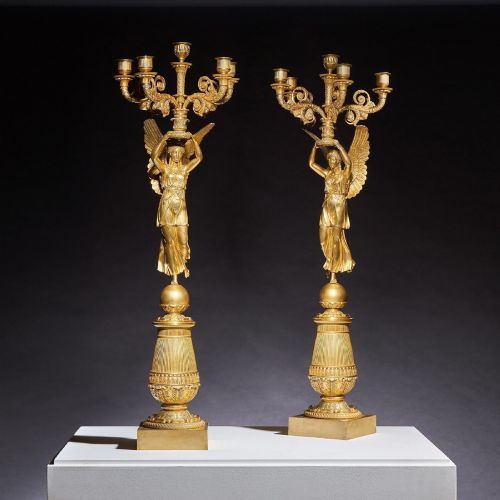
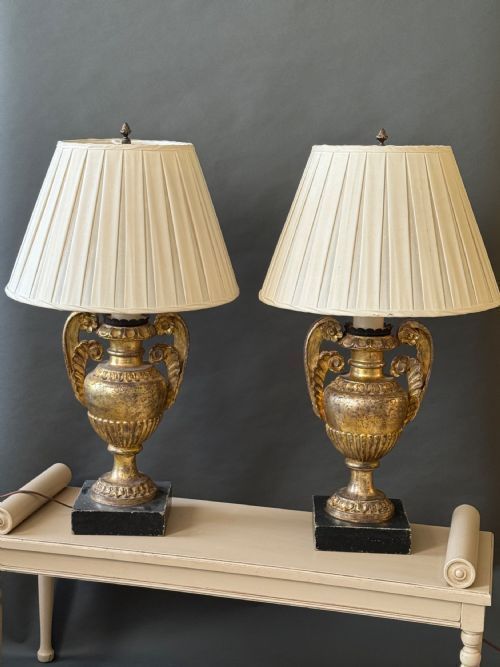
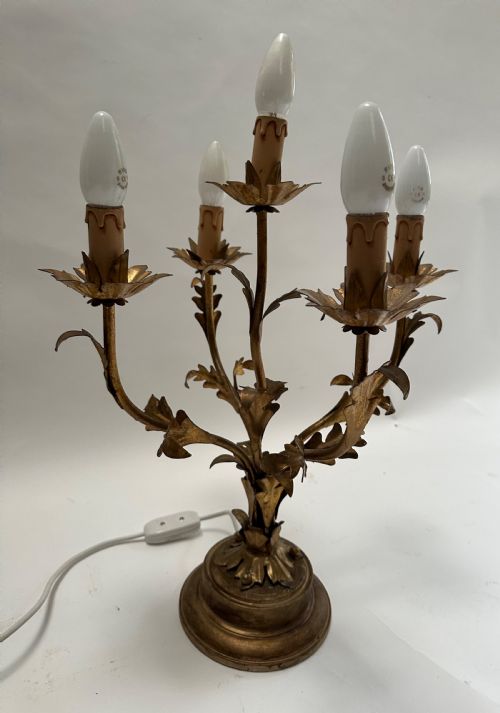
A gilded table light encompasses a variety of illuminated forms, including table lamps, candelabra, candlesticks, oil lamps, and table lustres. These objects illuminate surfaces while introducing decorative presence to an interior space.
The selections available span multiple periods, from the Victorian era into the early twentieth century, alongside revival movements like Louis XVI and French Empire. Pieces frequently originate from continental Europe and Britain.
Buyers encounter matched pairs and single items constructed from base metals, carved timber, and ceramic bodies. Many of these lighting forms began as oil-burning or candle-lit fixtures before being adapted for electricity.
Materials and construction methods
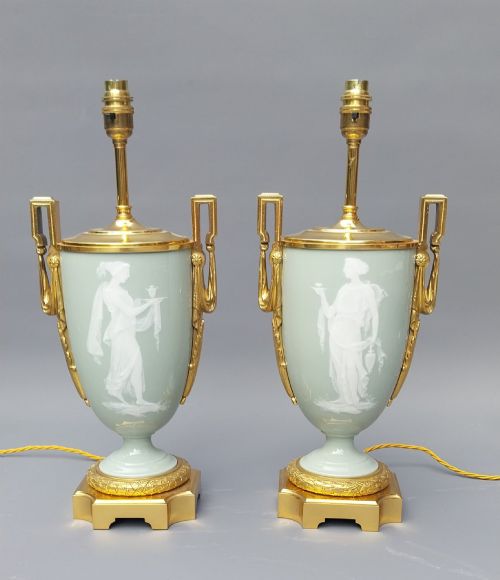
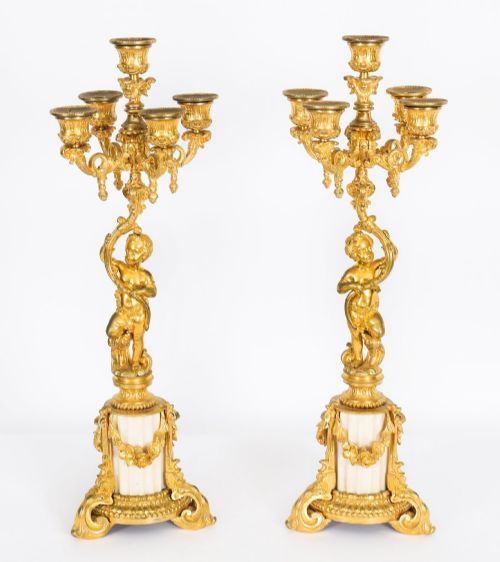
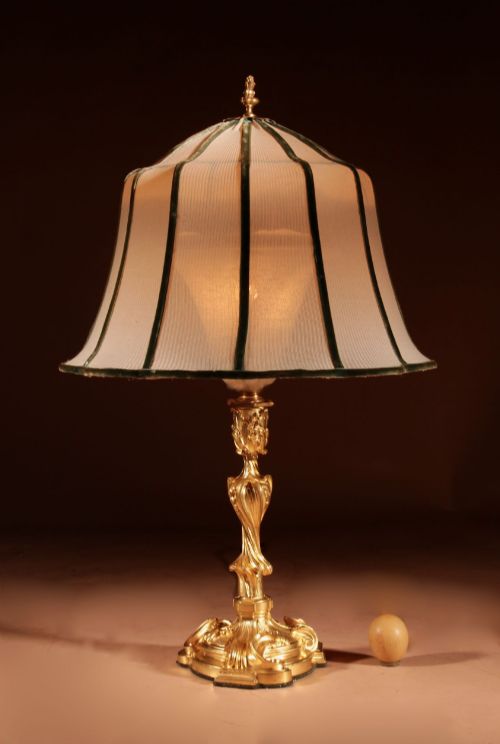
Metalwork forms the core of many pieces, utilising brass, gilt bronze, and ormolu that has been cast, chased, and gilded with gold leaf. These metallic elements provide substantial weight and intricate surface detail.
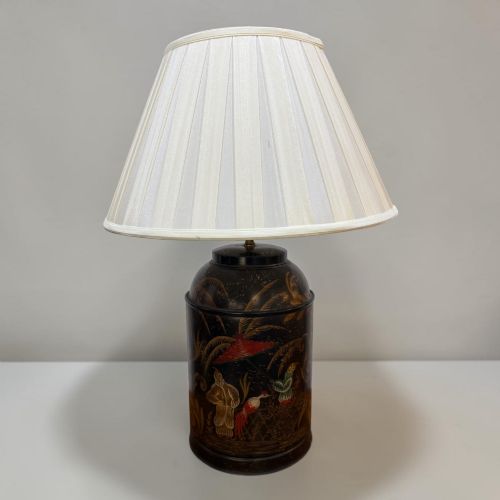
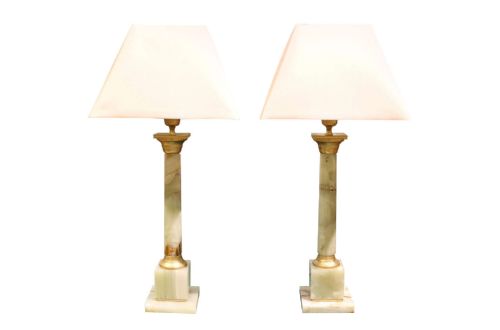
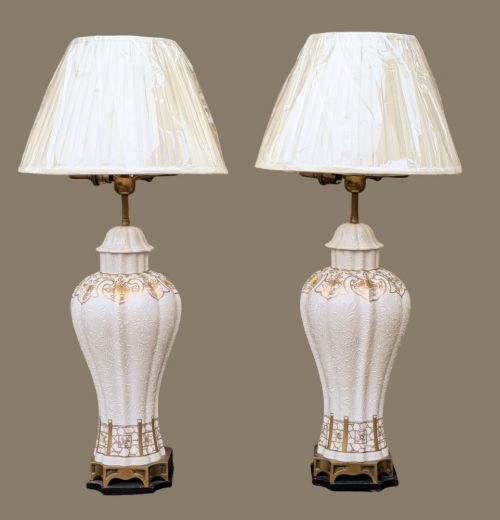
Organic and ceramic materials appear alongside metalwork, including carved pine, giltwood, treen, marble, onyx, and porcelain bodies from Paris and Japan. Fabric elements are introduced through modern shades or preserved historical components.
Craftsmen applied gilding techniques directly onto prepared wooden surfaces or metallic substrates to achieve lasting brilliance. Stonework and ceramics were frequently mounted with cast ormolu collars and bases.
Gilded Table Light Retail Price Guide 2026
Typical asking prices for gilded table light among the pieces listed under this phrase on Sellingantiques today, from the lower quarter to the upper quarter. They describe what is for sale here now, not the wider market.
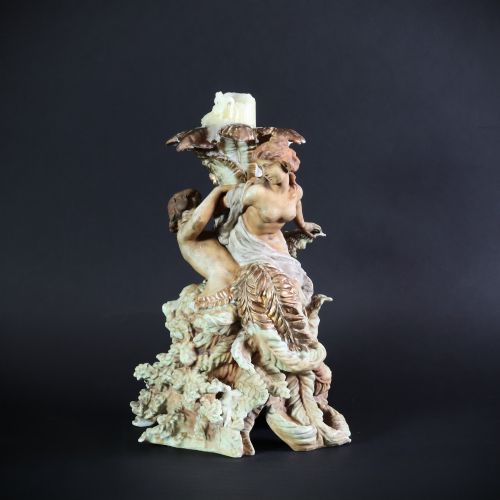
Several items retain carved cherub figures supporting multi-light candelabra arms, bringing playful nineteenth-century theatricality to domestic spaces.
Distinguishing quality in surface and form
The refinement of the surface preparation and the depth of the gilding separate standard examples from finer works. Hand-chased bronze or crisp carving in giltwood displays sharper definition than mass-produced cast alternatives.
The choice of secondary materials, such as genuine marble, heavy porcelain, or robust hardwoods, dictates the overall solidity of the piece. Integrated decorative motifs like champleve enamel or crystal glass additions elevate the complexity of the design.
Mappin & Webb
The Gilded Table Light Glossary
- Ormolu
- A technique of applying finely ground high-carat gold to an object of bronze. This process creates a rich, matte yellow finish that resists tarnishing over decades.
- Candelabra
- A branched lighting fixture designed to hold multiple candles or light bulbs. They often feature detachable arms and elaborate ornamental bases.
- Giltwood
- Timber that has been coated with a thin layer of gold leaf. It is frequently carved with neoclassical or rococo motifs before gilding.
- Table lustre
- A type of decorative table ornament fitted with hanging glass prisms. These pieces reflect ambient light and were popular in nineteenth-century interiors.
- Champleve
- An enamelling technique where troughs are dug into a metal surface and filled with vitreous paste. The object is then fired and polished flat.
Gilded Table Light: Frequently Asked Questions
How do I wire an antique lamp?
Rewiring should be carried out by a professional electrician using modern flex that matches the weight and style of the piece.
Many older fixtures allow cable to run through existing internal channels without altering the original metal or wood structure.
Can I clean ormolu safely?
Dust surfaces gently with a soft, dry brush to prevent the accumulation of grit within recessed chasing.
Avoid chemical polishes and abrasive cloths, which can wear away the thin layer of gold leaf or ormolu.
How do I identify a Louis XVI style piece?
Louis XVI style lighting typically exhibits strict symmetry, straight fluted columns, and neoclassical motifs like acanthus leaves and ribbon twists.
These designs draw inspiration from classical antiquity rather than the exuberant curves of earlier rococo pieces.