



Gilded Serving Tray
A gilded serving tray brings weight, polish and presence to a table, combining utility with decorative art.
Gilded Serving Tray
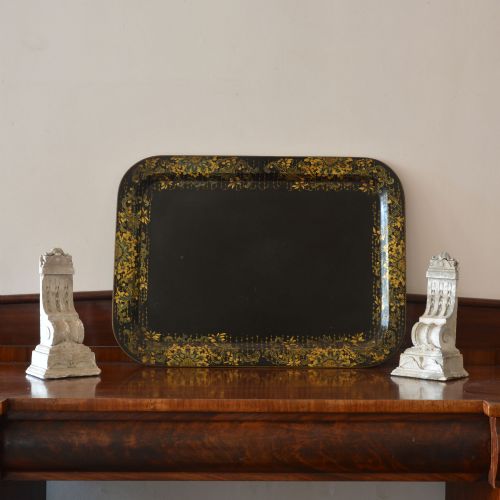
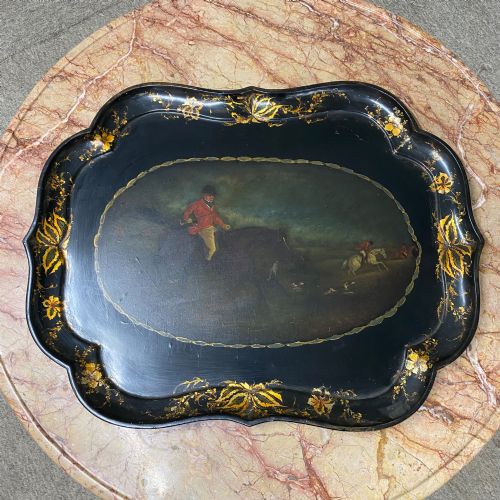
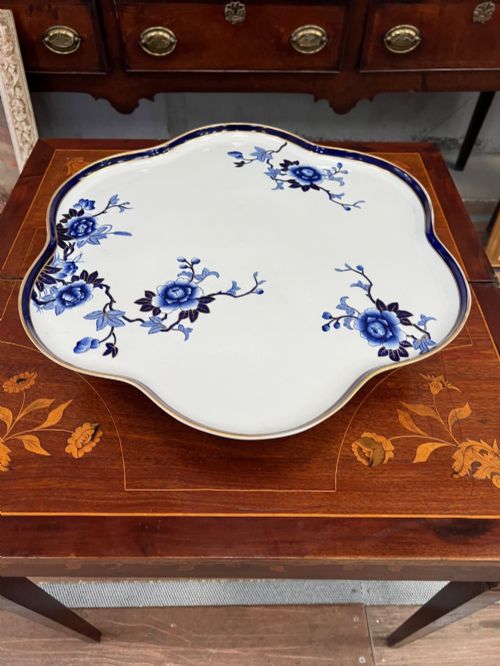
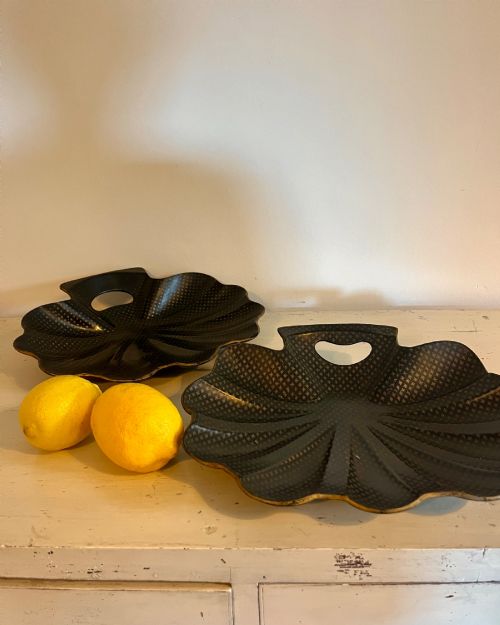
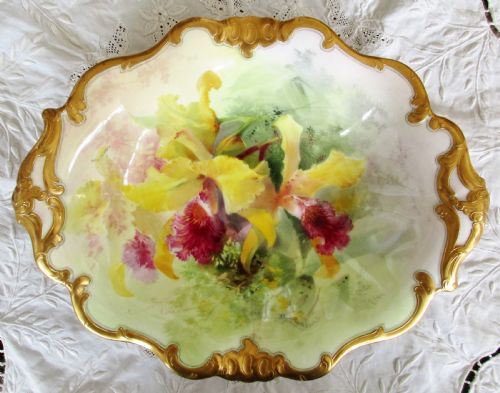
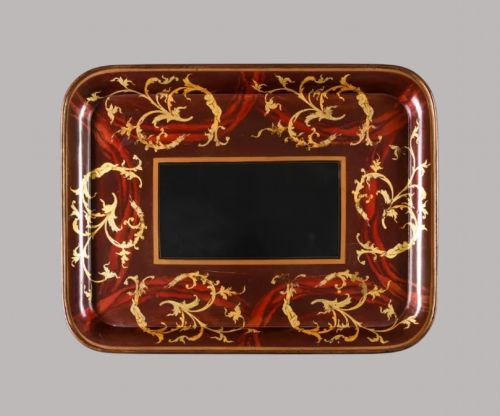
A gilded serving tray bridges practical dining use and ornamental display across periods from the Georgian era through to the Edwardian period. When searching for a gilded serving tray, buyers encounter heavy papier-mâché, painted toleware and fine porcelain bodies bearing metallic leaf or gilt enrichment. These objects appear in forms ranging from deep lobed dishes and oval platters to large rectangular trays suited for display or service.
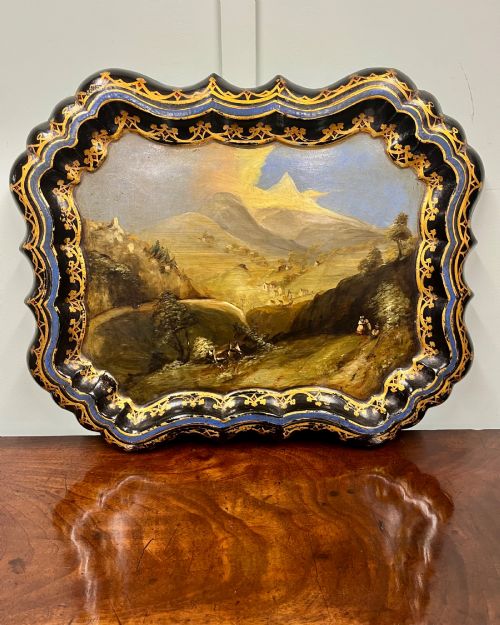
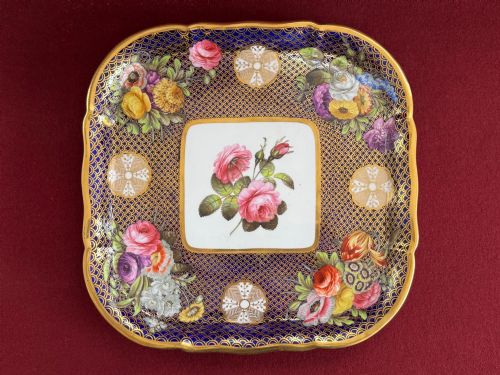
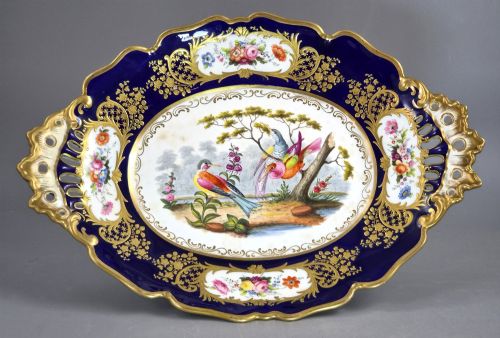
The selection on this page relies heavily on nineteenth-century pieces, including Regency papier-mâché examples and porcelain wares from English and European factories. Makers applied gold leaf and paint to surfaces finished with lacquer, cobalt blue grounds or hand-painted botanical and figurative scenes. Each piece demonstrates how functional tablewares evolved into collector's cabinet pieces.
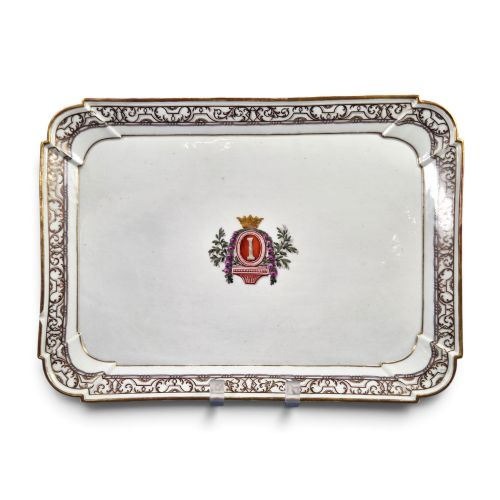
Buyers meet varied regional interpretations, from French toleware and Chinese Canton porcelain to Staffordshire and Worcester ceramic bodies. These pieces reflect the dining customs of their respective eras, utilising gilt borders and accents to catch candle or daylight. Surviving examples retain original painted decoration, monograms or impressed factory marks.
Materials and Construction
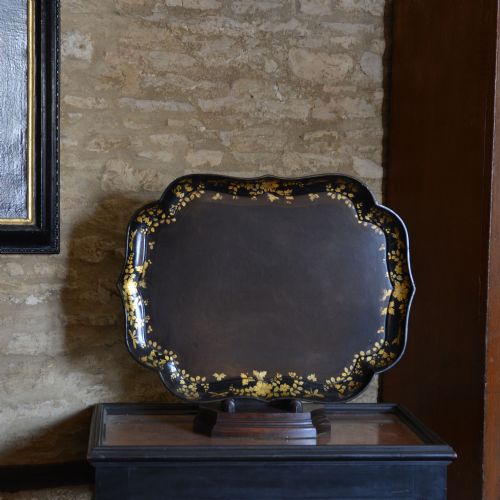
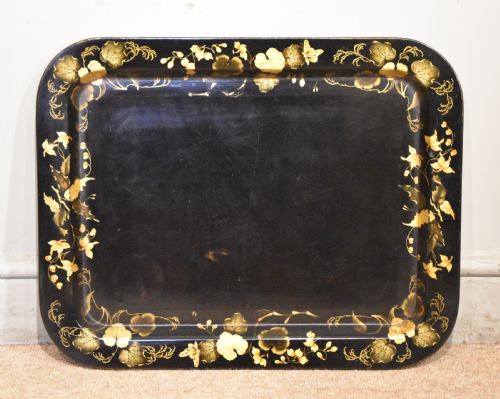
Papier-mâché trays utilise compressed paper pulp treated with oils and resins to form rigid, durable bodies capable of supporting heavy service. Artisans applied successive coats of lacquer and paint before adding gold leaf or gilt ornamentation by hand.
Ceramic serving dishes employ porcelain or fine earthenware bodies shaped in moulds or thrown on wheels, then fired at high temperatures. Painters added polychrome enamels, cobalt grounds and gold leaf, subjecting the pieces to further kiln firings to fuse the decoration.
Toleware pieces consist of sheet metal coated with a dark enamel or lacquer finish, providing a stable dark background for intricate gilt embellishments and painted motifs.
Gilded Serving Tray Retail Price Guide 2026
Typical asking prices for gilded serving tray among the pieces listed under this phrase on Sellingantiques today, from the lower quarter to the upper quarter. They describe what is for sale here now, not the wider market.
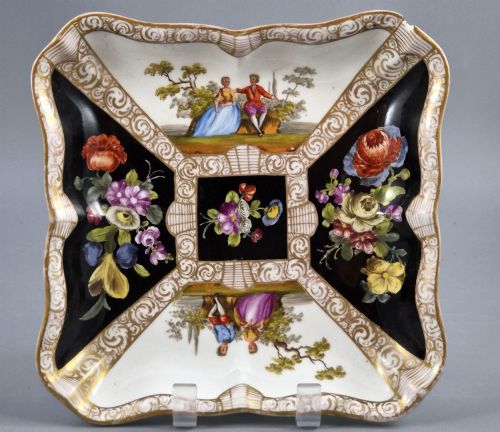
Wise and foolish virgins share table space with Bacchus and exotic birds on nineteenth-century porcelain.
Evaluating Quality and Execution
Quality rests in the precision of the hand-painted details and the crispness of the gilt work. Superior pieces display finely rendered botanical subjects, historical scenes or exotic birds executed by skilled studio hands rather than generic factory decoration.
The integrity of the underlying material dictates longevity, particularly in papier-mâché where warping or structural compromise alters the balance of the piece. Trays retaining their original un-retouched decoration and clear factory stamps or maker signatures hold greater documentary weight.
Jennens and Bettridge·Royal Crown Derby·Spode·Minton·Wedgwood
The Gilded Serving Tray Glossary
- Papier-mâché
- A composite material made from paper pulp mixed with binding agents, pressed and baked to form rigid trays. It provides a lightweight yet remarkably strong base for lacquering and gilding.
- Toleware
- Painted or lacquered sheet metal items produced in Europe during the eighteenth and nineteenth centuries. The metal base receives dark grounding coats before receiving hand-applied gilt ornamentation.
- Imari
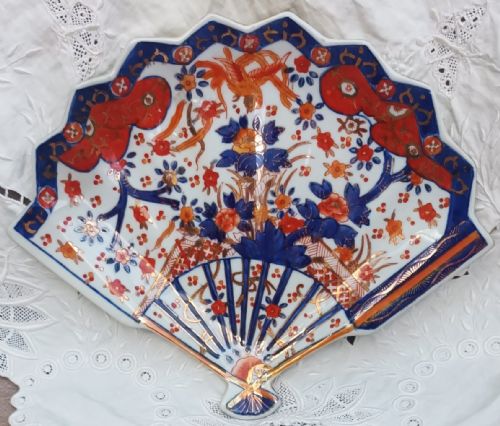
- A style of Japanese porcelain featuring a distinctive palette of underglaze blue, iron red and gold. European factories frequently copied these vibrant patterns during the nineteenth century.
- Gilding
- The application of gold leaf or gold powder to the surface of wood, metal, paper composite or ceramic. This technique highlights rims, handles and decorative borders.
- Well and tree
- A platter design featuring channels and a collecting well to catch meat juices during carving. These large serving pieces saw frequent use in formal nineteenth-century dining rooms.
Gilded Serving Tray: Frequently Asked Questions
How were gilded serving trays used?
These trays served practical functions in formal dining rooms, carrying glasses, decanters or carved meats during service. Wealthy households also displayed them on sideboards or tables as decorative objects.
Over time, many larger trays transitioned entirely to decorative display roles, mounted on stands or hung on walls to showcase their painted surfaces and gilt borders.
How do I clean a papier-mâché tray?
Papier-mâché requires gentle care, using only a soft, dry cloth to remove dust from the surface. Water and cleaning solutions damage the underlying lacquer and lift fragile gold leaf.
Keep these trays away from direct sunlight and high humidity to prevent the paper composite from warping or the varnish from crazing.
How do I identify a Regency tray?
Regency trays often feature deep papier-mâché construction with raised rims and bold geometric or classical gilt borders. The decoration typically reflects early nineteenth-century taste for Chinoiserie or classical motifs.
Examining the underside often reveals the maker's stamp, such as Jennens and Bettridge, or characteristic surface ageing appropriate to the period.
What is Imari porcelain?
Imari porcelain originates from Japan, characterised by a palette dominated by cobalt blue, iron red and abundant gold leaf. European makers quickly adopted these vibrant patterns on local ceramic bodies.
Dishes featuring this style display dense, colourful compositions that contrast sharply with contemporary European floral designs.