

Gilded Rococo Overmantel
A gilded rococo overmantel brings dramatic scale, reflective light, and sweeping scrollwork to a room, anchoring the hearth with centuries of decorative art.
Gilded Rococo Overmantel
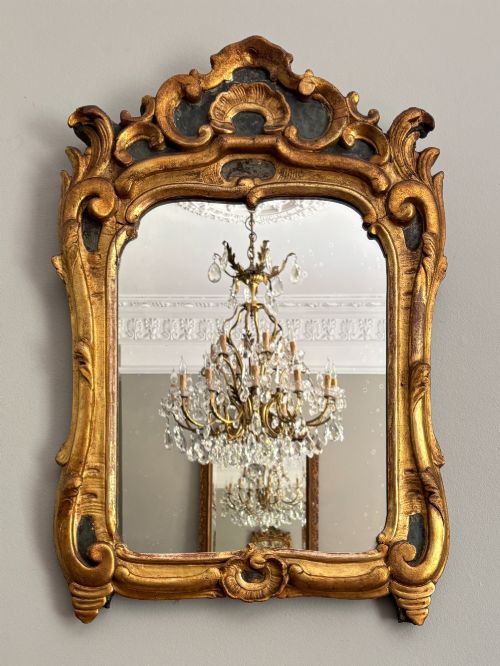
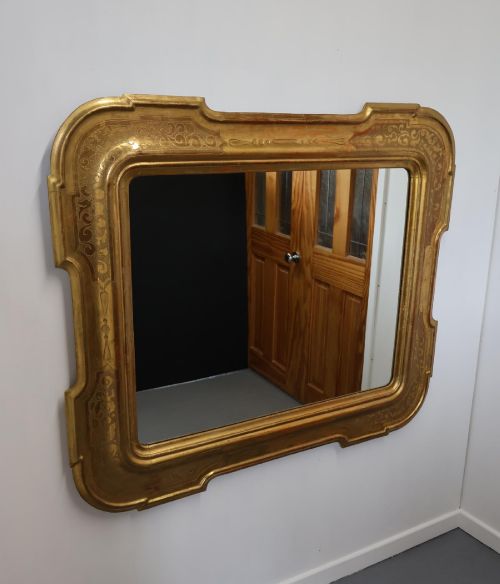
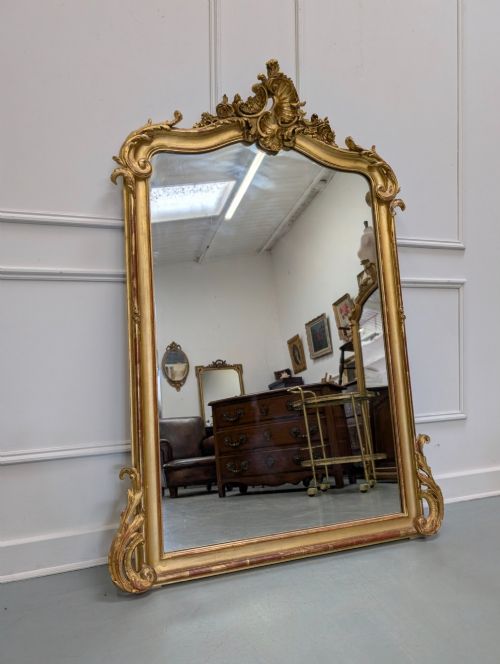
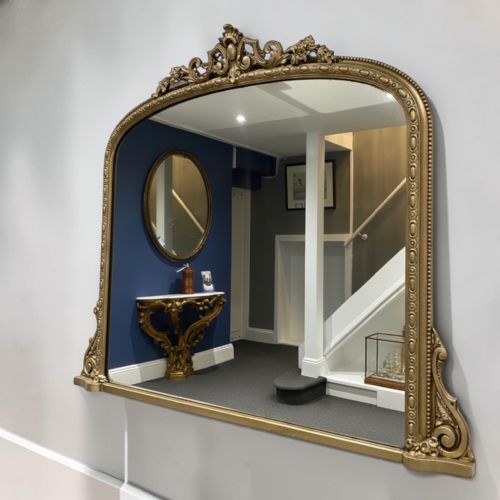
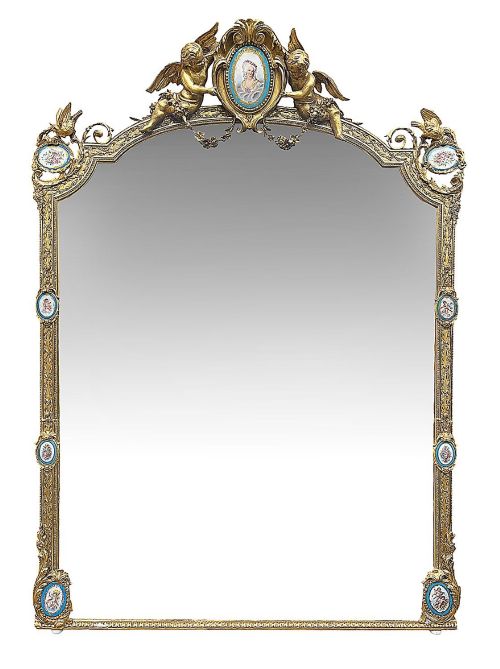
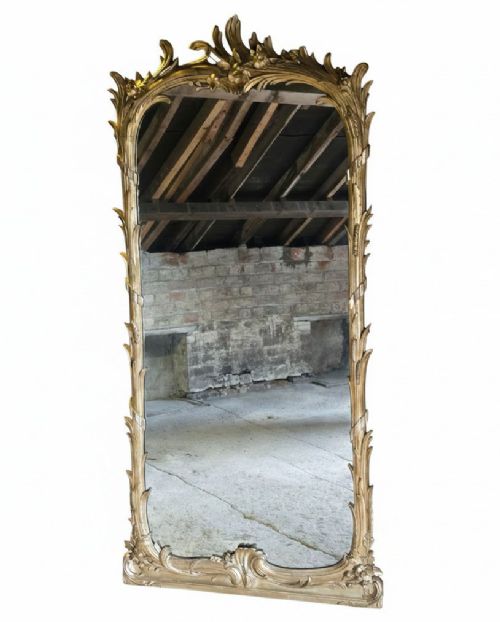
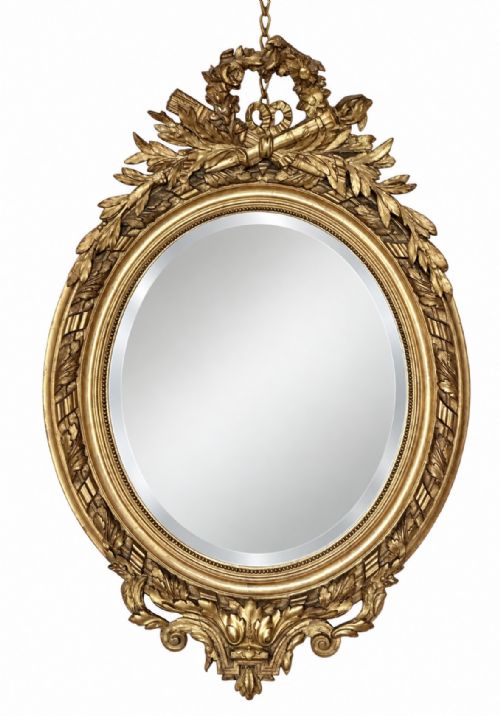
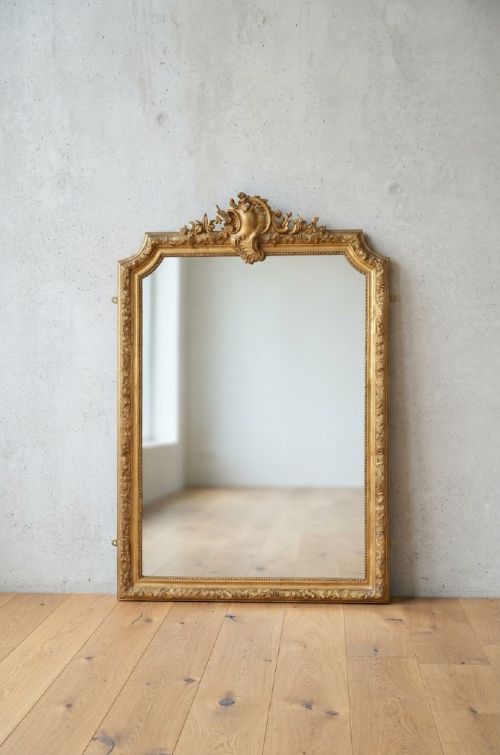
A gilded rococo overmantel is a grand wall mirror designed to hang above a fireplace, defined by ornate asymmetrical curves, scrolling foliage, and shell motifs. These pieces serve both as functional looking glasses and as dominant decorative focal points within a grand interior scheme.
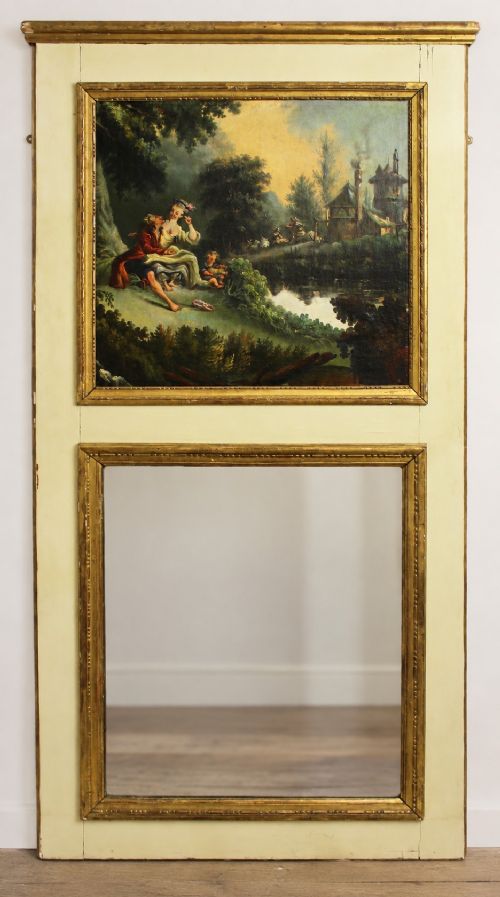
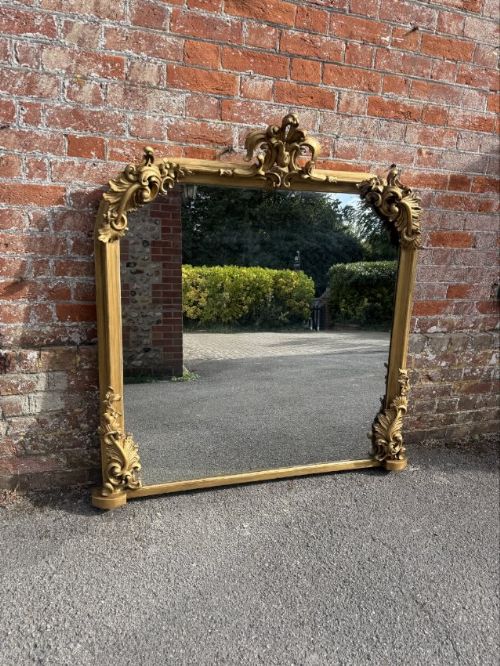
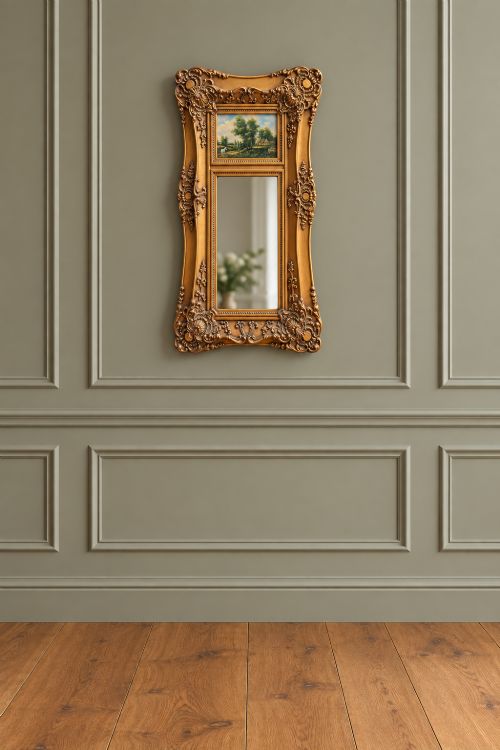
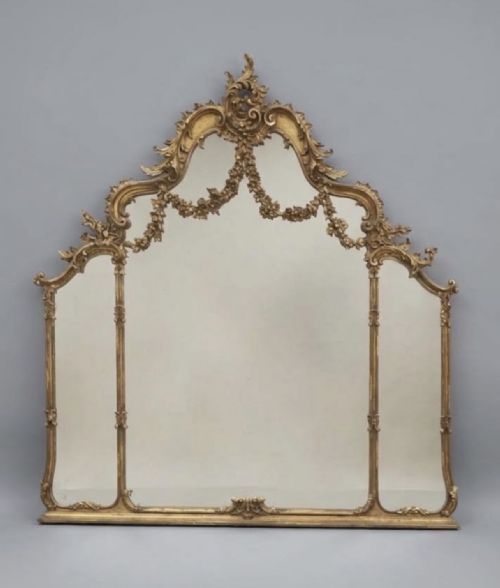
Buyers browsing this selection will most frequently encounter nineteenth-century examples spanning the Victorian era and the French Rococo Revival, alongside select eighteenth-century originals. The forms range from tall trumeau mirrors incorporating pastoral oil paintings to wide triple-plate overmantels framed in heavy gilded wood.
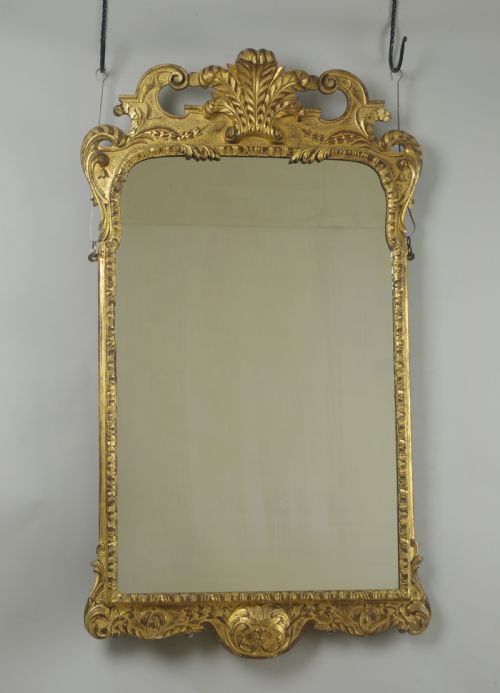
Originating predominantly from English, French, and Italian workshops, these mirrors vary from restrained Georgian carved wood designs to extravagant Napoleon III chateau mirrors. The surviving examples demonstrate how the exuberant vocabulary of eighteenth-century design was reinterpreted across subsequent decades.
How They Were Made
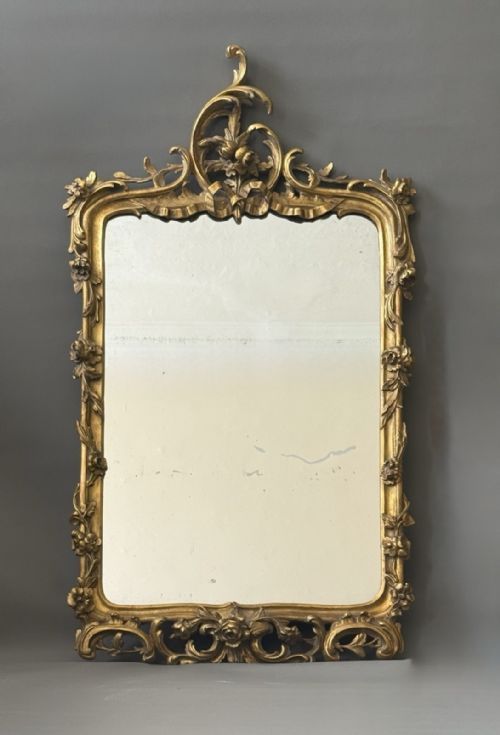
The foundation of a traditional gilded rococo overmantel typically consists of carved timber, composition ornament, or moulded gesso applied over a wooden substrate. Artisans built up complex sculptural details such as C-scrolls and floral crestings using layered gesso before applying gold leaf or liquid gilding.
Mirror plates within these frames range from early mercury glass showing characteristic foxing to later bevelled glass plates set securely into the rebates. Backboards constructed from thick timber boards help stabilise the heavy glass and protect the structural integrity of the carved frame.
Several mirrors come complete with centuries-old painted galleons sailing across stormy seas trapped inside their wooden frames.
What Varies in Quality
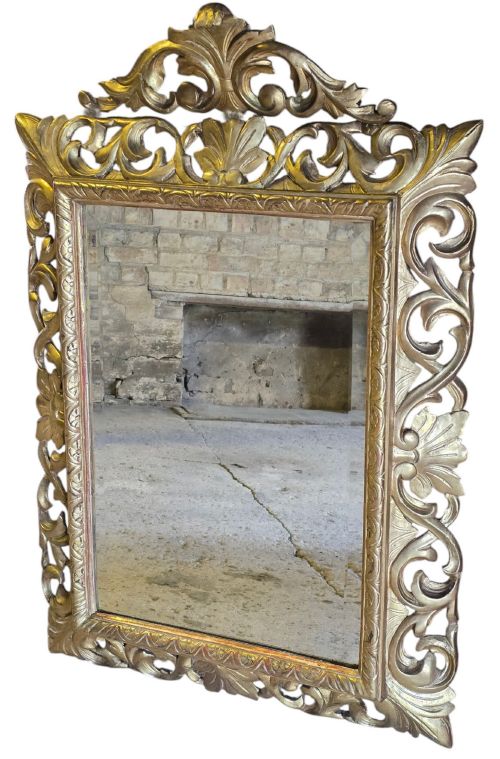
The distinction between standard and exceptional pieces rests upon the depth and crispness of the hand-carved detail within the gesso and giltwood. Master carvers achieved fluid, naturalistic asymmetrical curves that maintain sharp definition, whereas lesser versions rely on heavier, moulded composition ornament that lacks sculptural subtlety.
The preservation of the original surface gilding and the character of the mirror plate significantly influence the desirability of a piece. Original mercury glass with natural age-related foxing provides an authentic visual depth that mass-produced modern replacements cannot replicate.
The Gilded Rococo Overmantel Glossary
- Giltwood
- Wood that has been coated with gold leaf or metallic powder over a prepared gesso ground. This technique provides the luminous finish characteristic of formal period mirrors.
- Gesso
- A plaster-like mixture applied to wood frames to create a smooth surface for gilding or to be moulded into intricate relief decorations. It allows for the sharp, flowing lines seen on rococo frames.
- Mercury Glass
- A type of double-walled silvered glass produced in the nineteenth century and earlier, often displaying mottled dark spots known as foxing. It gives a soft, reflective quality distinct from modern mirrors.
- Trumeau
- A decorative wall mirror incorporating an integrated oil painting or panel above the glass plate. These architectural panels frequently depict pastoral or maritime scenes.
- Overmantel
- A large mirror specifically proportioned to hang on the wall directly above a fireplace mantelpiece. They are designed to draw the eye upward and amplify light from the hearth.
Gilded Rococo Overmantel: Frequently Asked Questions
Where should I hang a large overmantel mirror?
These mirrors are traditionally positioned directly above a fireplace mantelpiece, where their generous proportions reflect light across the room and balance the architectural weight of the hearth.
Alternatively, they can be stood on the floor as leaner mirrors against a principal wall in a drawing room or hallway to create a strong visual presence.
How do I identify a true period rococo frame?
Examine the construction of the frame behind the gilding to check for hand-carved timber elements combined with traditional gesso ornament rather than uniform modern resin.
Genuine antique frames show subtle tool marks, natural wear to the gold leaf revealing the red bole beneath, and heavy timber backing boards appropriate to their age.
What causes the dark spots on old mirror glass?
The mottled spots, known as foxing, occur when moisture slowly penetrates behind the silvering or mercury backing over many decades of exposure to ambient atmospheric conditions.
This natural ageing process does not detract from the authenticity of the piece; rather, many collectors prize genuine foxed glass for the soft, historic atmosphere it creates.