

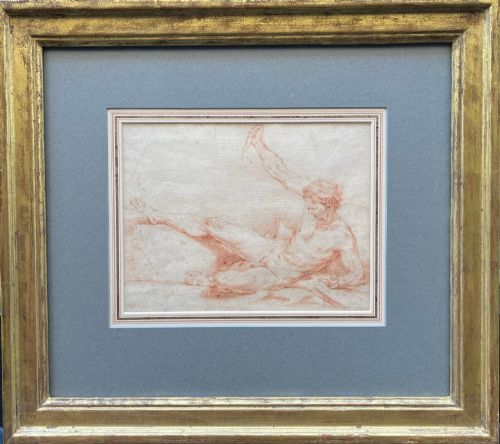
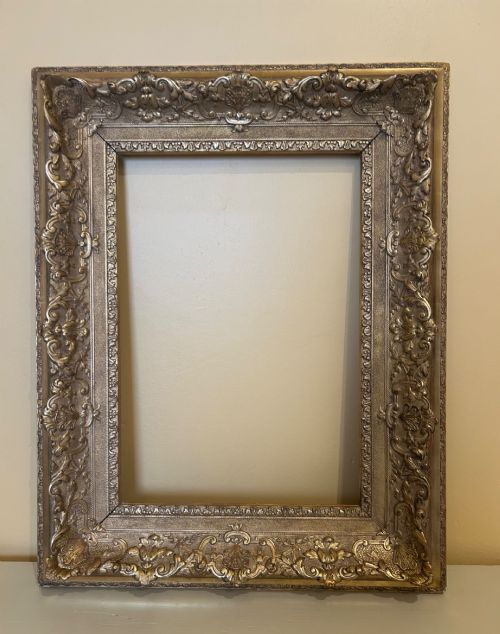
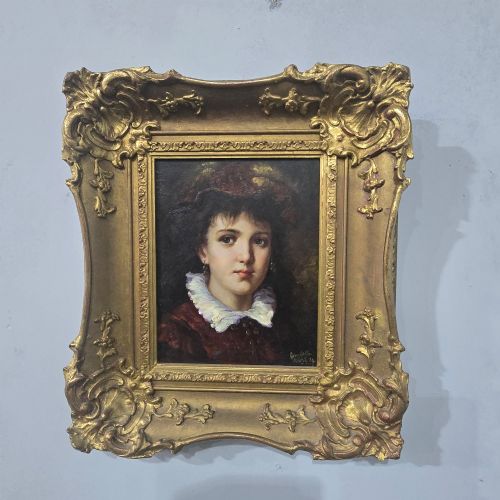
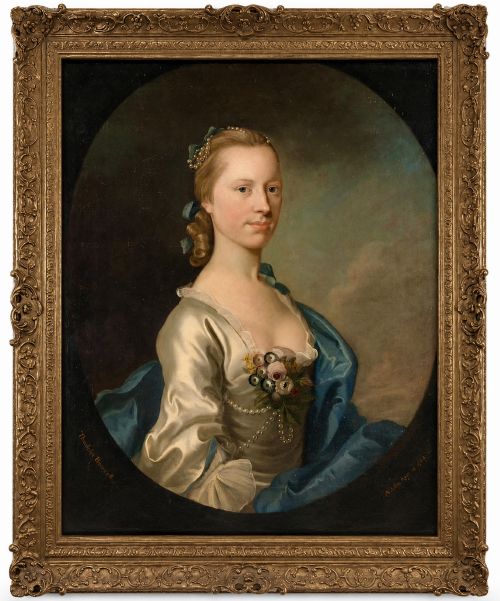


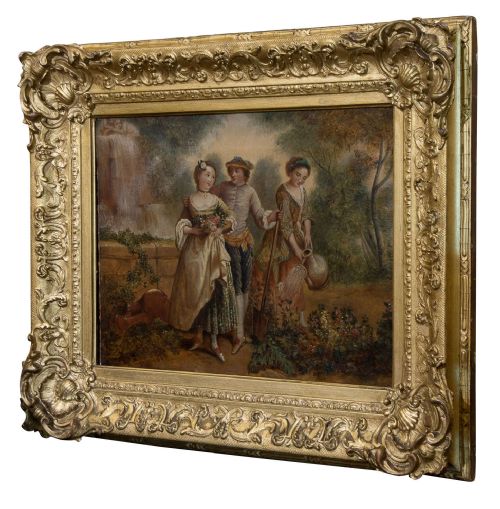


Gilded Rococo Framed Artwork
Gilded rococo framed artwork brings together classical oil paintings and ornate gilded gesso frames from the eighteenth and nineteenth centuries.
Gilded Rococo Framed Artwork
When you search for gilded rococo framed artwork, you encounter oil paintings, watercolours, and pastels housed within decorative wooden frames from the eighteenth and nineteenth centuries.
The selections on this page lean heavily toward eighteenth-century classical portraits and genre scenes, alongside nineteenth-century revivals that echo the same theatrical spirit.
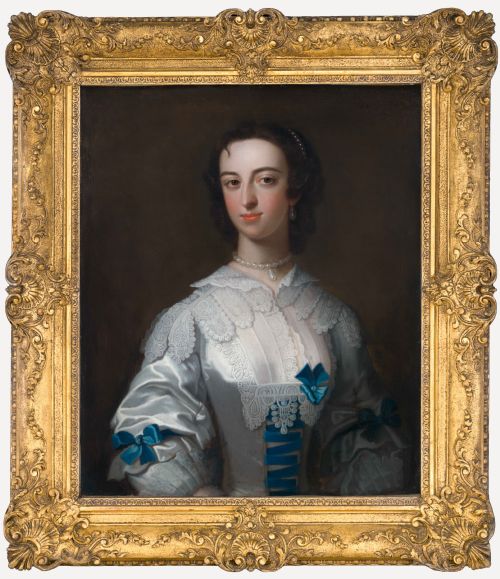
Many examples pair mid-eighteenth-century canvases with period frames, capturing the rich ornamentation characteristic of French rococo and Victorian interpretations.
How they were made
Painters applied oil on canvas or board, utilising classical techniques of layering pigments to achieve depth in portraits and landscapes.
Frames take shape from carved wood coated in gesso before receiving layers of gold leaf to create a luminous metallic finish.
Scrollwork and asymmetrical motifs are built into the gesso and wood construction, giving the frames their characteristic sculptural weight.
Gilded Rococo Framed Artwork Retail Price Guide 2026
Typical asking prices for gilded rococo framed artwork among the pieces listed under this phrase on Sellingantiques today, from the lower quarter to the upper quarter. They describe what is for sale here now, not the wider market.
Listings span several centuries, combining eighteenth-century portraiture with Victorian pastels and mid-twentieth-century oil paintings.
What varies in quality
The depth and precision of the carved gesso decoration on the frame distinguishes standard production from more ambitious decorative work.
On the canvas, the articulation of hands, fabric drapery, and facial expressions separates accomplished studio output from more routine portraits.
The integrity of the original gilding and the preservation of the underlying wooden structure dictate the overall strength of the piece.
Charles Antoine Coypel·Francois Boucher·Jeremiah Davison·Allan Ramsay·Louis Leopold Boilly·Pompeo Batoni·Francois Boucher·Marcel Brunery·Pompeo Massani·Frans van der Mijn·Charles Augustus Henry Lutyens·Stuart Lloyd·Philip Mercier·Henry Bright
The Gilded Rococo Framed Artwork Glossary
- Gesso
- A plaster mix applied to wood frames as a base for gilding. This mixture allows artisans to carve intricate scrolls and floral motifs before applying gold leaf.
- Rococo Revival
- A nineteenth-century design movement that revived the ornate, asymmetrical styles of the mid-eighteenth century. It appears frequently in nineteenth-century picture frames and decorative arts.
- Oil on Canvas
- A traditional painting medium using pigments bound in a drying oil, stretched across a wooden support. This method dominates the portraits and genre scenes found in these listings.
- Gold Leaf
- Extremely thin sheets of hammered gold applied to gesso-coated surfaces. It provides the reflective, metallic surface seen on period frames.
Gilded Rococo Framed Artwork: Frequently Asked Questions
Are these paintings original eighteenth-century works?
The selection includes authentic eighteenth-century portraits and genre scenes by known artists alongside nineteenth-century works created in the same historical style.
Each listing specifies the active period of the artist and the approximate date of the canvas or frame.
How do I distinguish eighteenth-century frames from nineteenth-century revivals?
Eighteenth-century frames often show hand-carved wooden detailing beneath the gesso, reflecting the organic asymmetry of the original movement.
Nineteenth-century revival pieces tend to utilise moulded composition ornament alongside carved elements to achieve a similar decorative intensity.
Where should I hang a gilded frame?
These pieces require wall space away from direct sunlight and damp conditions to protect both the canvas pigments and the delicate gesso surface.
Pairing them with neutral walls allows the reflective gold leaf and rich oil colours to stand out as focal points.
What subjects are most common?
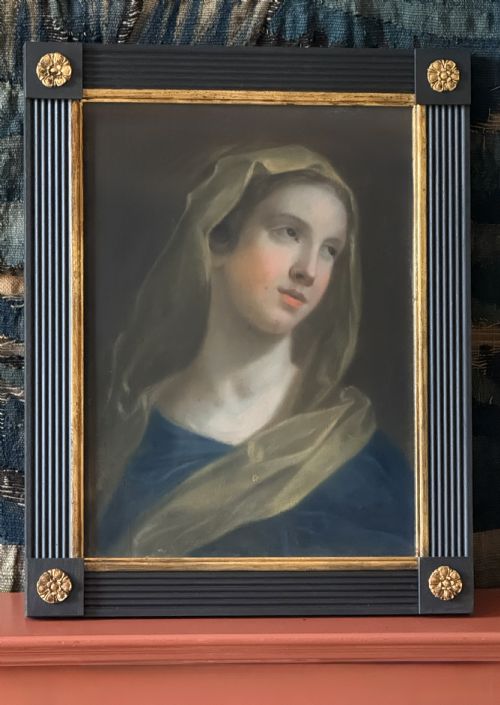
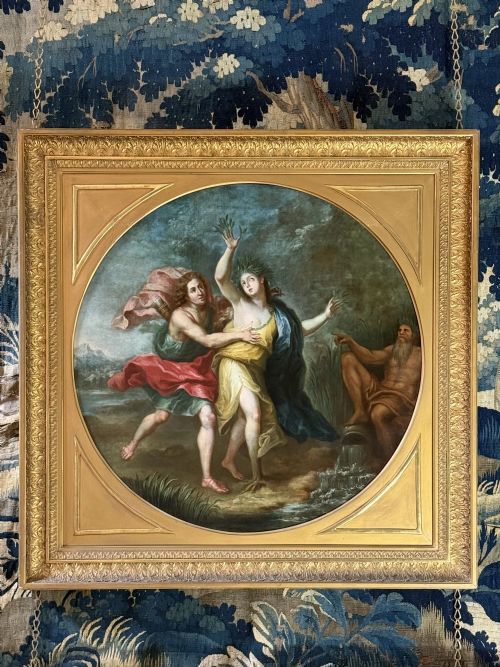
Portraits of young ladies, officers, and gentlemen dominate the painted works, accompanied by classical mythology and pastoral landscape scenes.
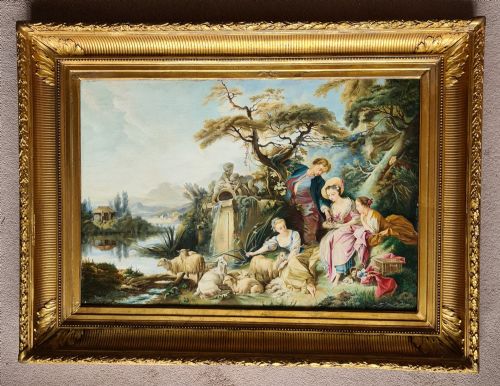
Genre paintings featuring figures in woodland settings or domestic interiors also appear regularly across the centuries.