




Gilded Porcelain Covered Vases
These gilded porcelain covered vases unite domestic elegance with decorative utility, offering a commanding presence on any surface.
Gilded Porcelain Covered Vases
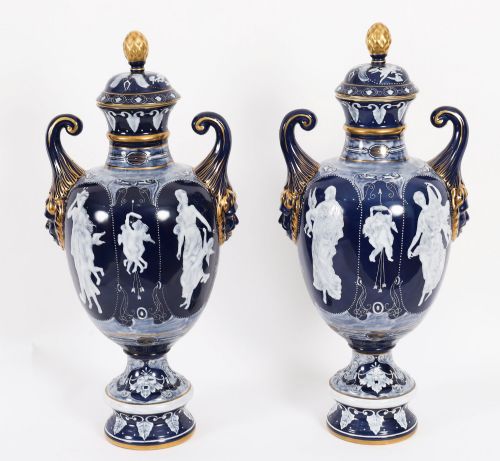
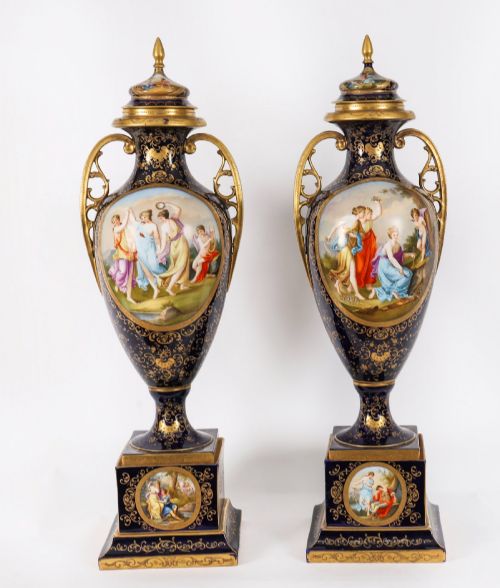
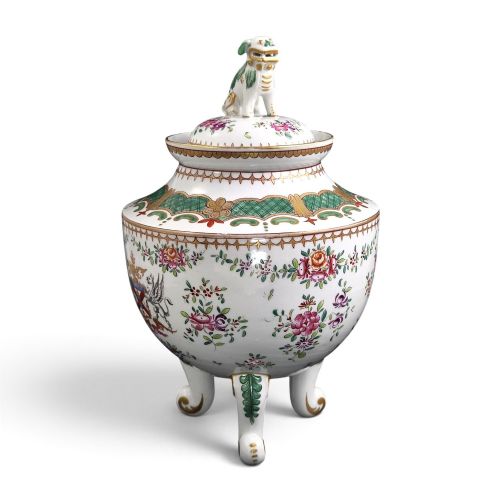
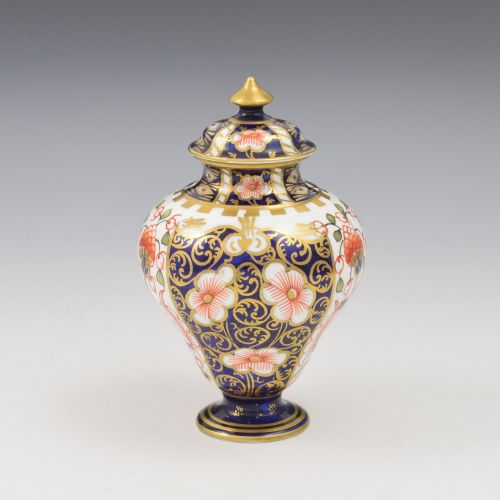
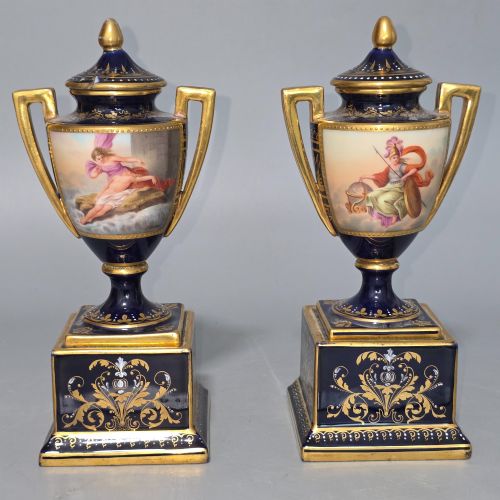
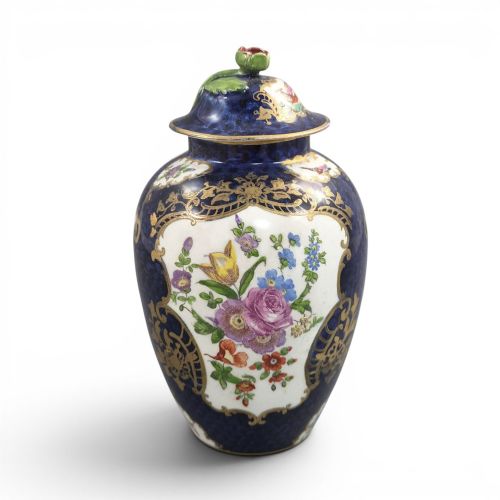
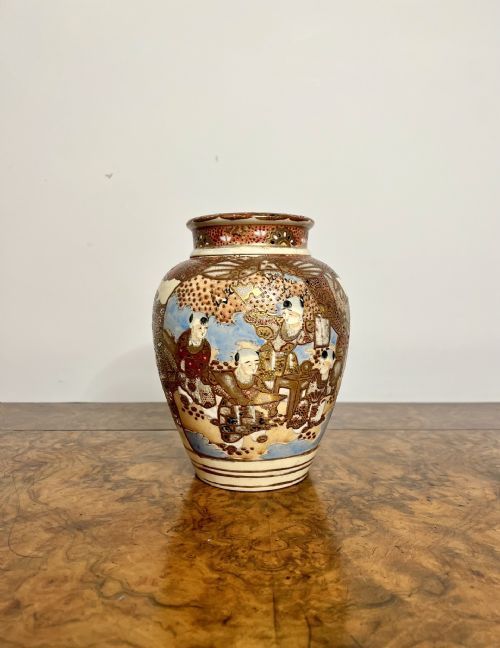
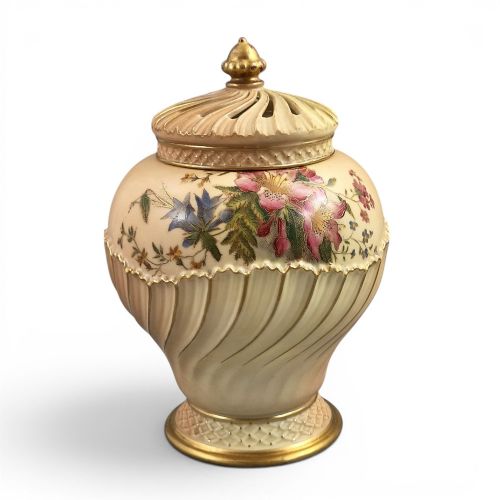
Gilded porcelain covered vases take many forms across these listings, ranging from towering neoclassical urns to diminutive pot-pourri jars and ginger jars. Most examples you will encounter date from the nineteenth century, including pieces produced during the Georgian, Victorian, and Edwardian periods.
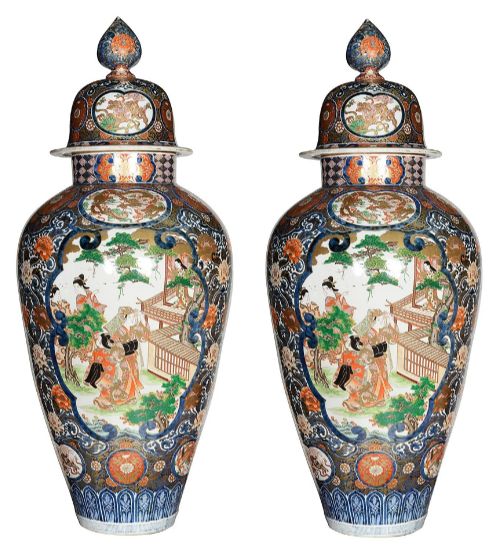
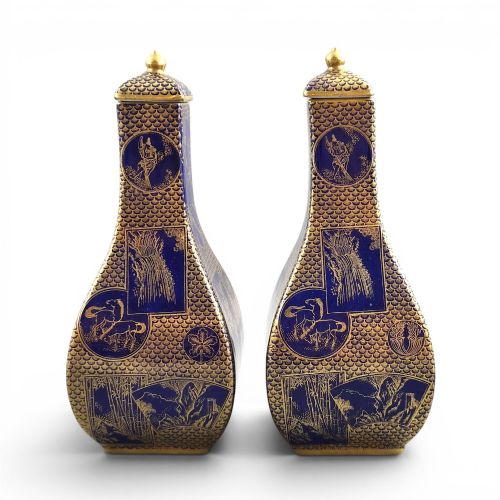
Makers frequently drew on diverse stylistic traditions, resulting in vessels decorated in Japanese Imari, Chinese-inspired Chinoiserie, Rococo Revival, and classical Sèvres or Vienna styles. These lidded vessels serve primarily as decorative accents, though certain forms functioned historically to hold pot-pourri.
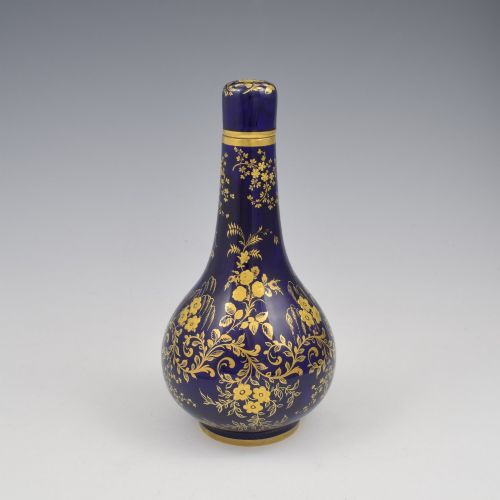
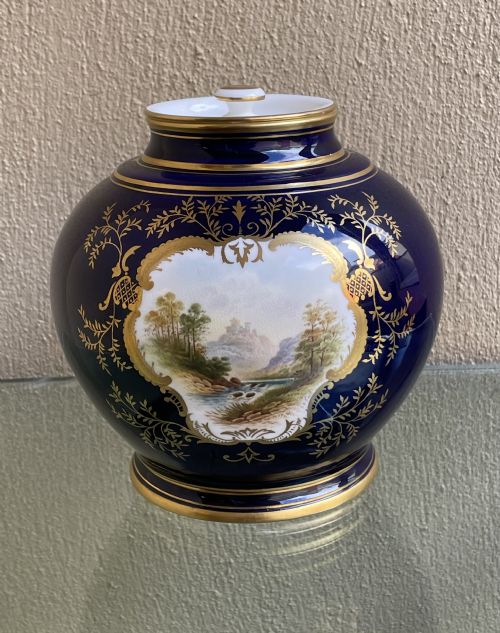
The materials span hard-paste porcelain and earthenware, often enriched with intricate hand-painted floral, landscape, or figurative scenes. Each piece is topped by a matching lid or cover, completing a balanced silhouette that defines the group.
How They Were Made
Potters shaped these vessels from porcelain or earthenware bodies, frequently utilising moulds for complex bulbous or pedestal forms. Skilled artisans then applied hand-painted details, incorporating botanical motifs, exotic birds, and classical figures.
Surface ornamentation relied heavily on gold leaf, gilding, and gilt highlights to accentuate handles, rims, and panels. Additional decorative elements include ormolu mounts and enamel work, set against grounds of mazarine blue, scale blue, or blush ivory.
Gilded Porcelain Covered Vases Retail Price Guide 2026
Typical asking prices for gilded porcelain covered vases among the pieces listed under this phrase on Sellingantiques today, from the lower quarter to the upper quarter. They describe what is for sale here now, not the wider market.
Listings feature hard-paste porcelain and earthenware bodies spanning the 19th Century, Edwardian, and Art Deco periods.
What Varies in Quality
Quality rests significantly in the execution of the hand-painted decoration, where precise brushwork and nuanced colour palettes distinguish master studio output from simpler commercial output. Signed pieces by established painters demonstrate a higher grade of artistry.
The application and preservation of the gilding also divide the standard of these vessels. Rich, burnished gold leaf that remains intact across raised mouldings indicates superior craftsmanship during manufacture.
Royal Crown Derby·Samson Paris·Sitzendorf·Derby Porcelain·Mason's·Vienna Porcelain·Booths·Royal Worcester·Crown Staffordshire·Spode·Kyoto Satsuma·Coalport·Royal Vienna·Helena Wolfsohn Dresden·Augustas Rex·Royal Winton·Berlin·Hadley's Worcester
The Gilded Porcelain Covered Vases Glossary
- Hard-Paste Porcelain
- A durable ceramic composition fired at very high temperatures, made from kaolin and petuntse. It provides a dense, vitrified body that resists scratching.
- Pot-Pourri
- A mixture of dried petals and spices used for scenting rooms. Vessels made for this purpose feature pierced covers to release the fragrance.
- Ormolu
- Gilded bronze mounts applied to furniture and ceramics. This decorative technique adds architectural structure and metallic contrast.
- Imari
- A style of Japanese export porcelain characterised by underglaze blue and iron red, complemented by gold. European factories frequently copied these distinct colourways.
- Amphora
- A two-handled jar with a narrow neck, modelled after ancient Greek and Roman vessels. These forms often appear in classical revival designs.
Gilded Porcelain Covered Vases: Frequently Asked Questions
What were covered vases used for?
These lidded vessels served primarily as decorative ornaments on mantelpieces and sideboards within affluent homes. Certain specialised forms, such as pot-pourri jars, were designed to hold dried scented flowers.
The covers kept dust away from the contents and maintained the unbroken sculptural profile of the ceramic body. Many larger examples functioned purely as statements of wealth and artistic taste.
How do I identify a 19th-century piece?
Nineteenth-century examples often display specific stylistic markers like classical revival motifs, rich cobalt blue grounds, and heavy gilding. Examining the base for factory marks or artist signatures helps narrow down the production era.
The weight of the porcelain and the style of the hand-painted enamels also provide strong clues to dating. Factory output evolved significantly between the Georgian period and the late Victorian era.
Are all these vases made of porcelain?
While the majority of the vessels are formed from porcelain or hard-paste porcelain, some notable pieces utilise earthenware or ironstone. Manufacturers selected different ceramic bodies depending on the desired strength and translucency of the finished form.
Decoration techniques also varied by material, with ironstone bodies often receiving thick transfer-printed or hand-painted patterns. Each ceramic type requires slightly different handling during the firing process.
How should I display them at home?
Position these vessels on stable surfaces away from high traffic areas to protect their delicate handles and painted covers. Pairing matching pairs on side tables creates a balanced, classical arrangement.
Ensure they receive indirect lighting to highlight the metallic gilding without fading the hand-painted enamels over time. Avoid placing them near direct heat sources that could stress the antique ceramic body.