

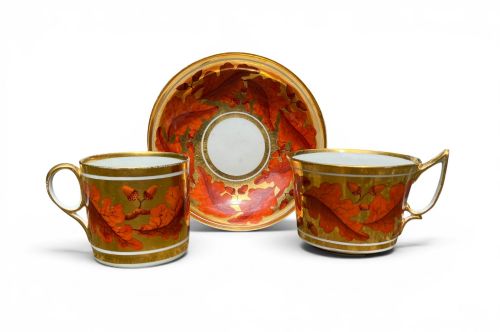
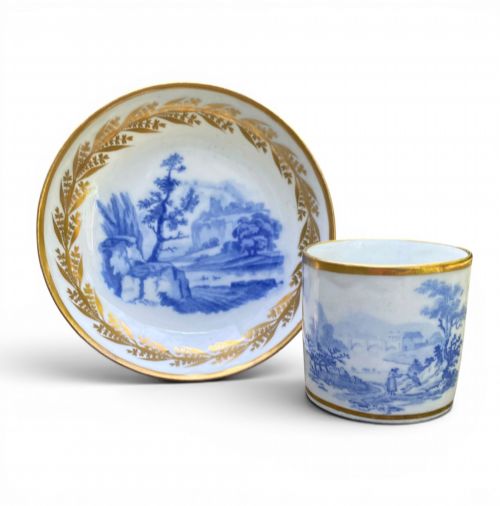
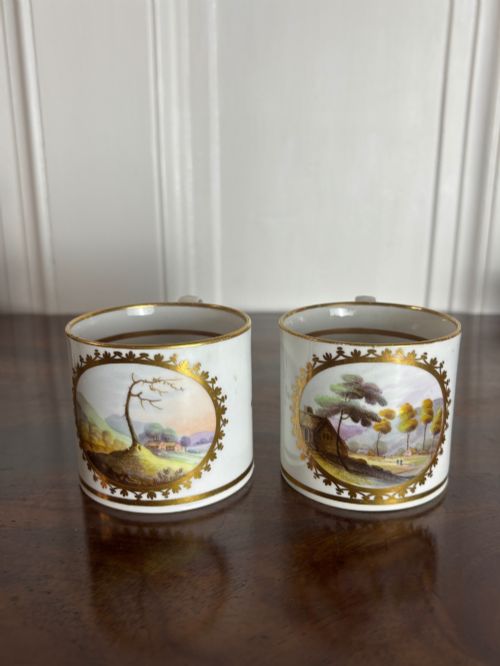
Gilded Porcelain Coffee Cup
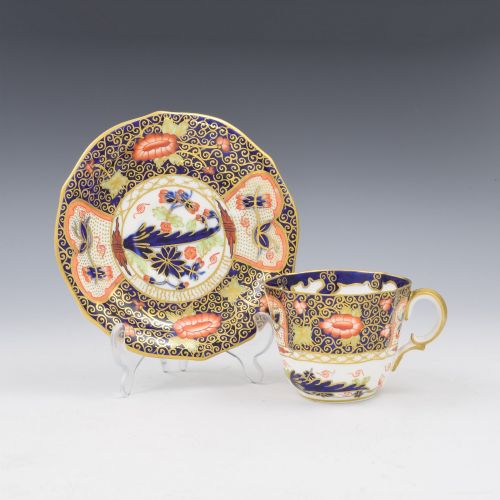
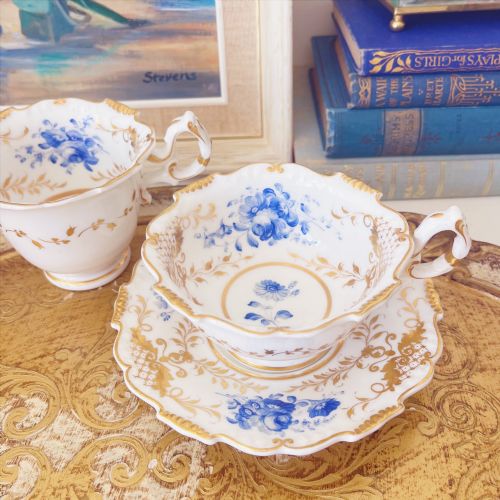
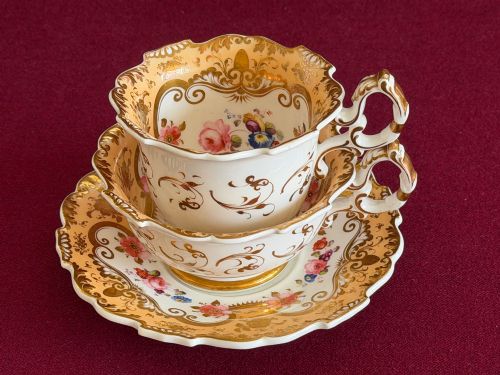
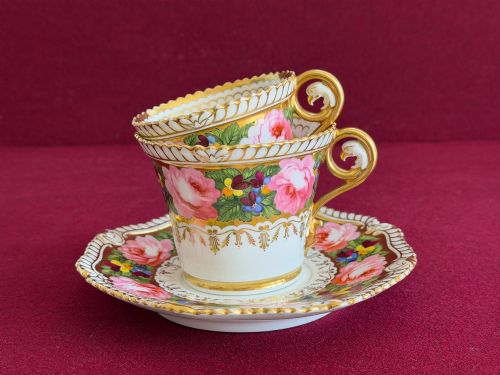
A gilded porcelain coffee cup brings bright Regency and Victorian craftsmanship directly to the table.
Gilded Porcelain Coffee Cup
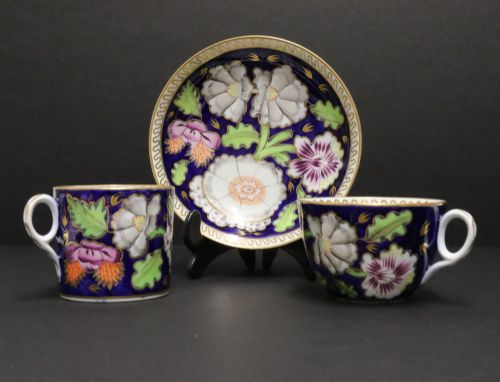
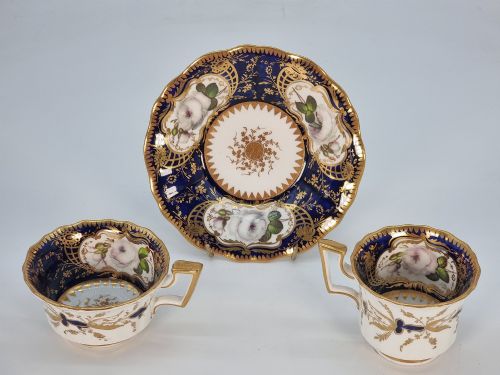
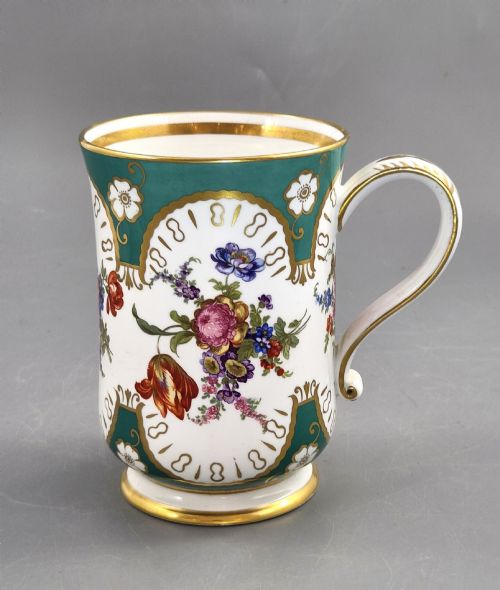
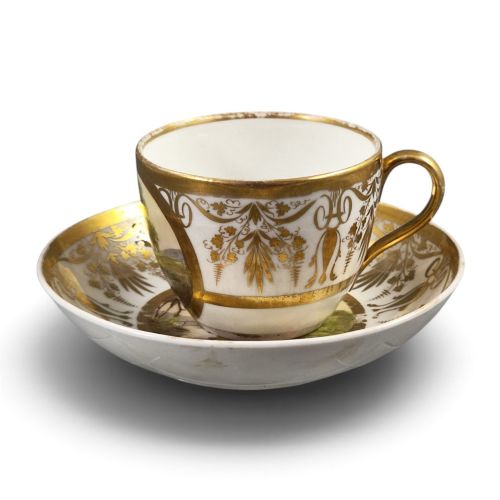
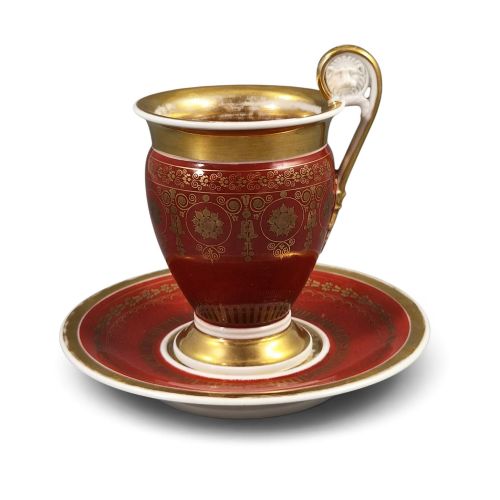
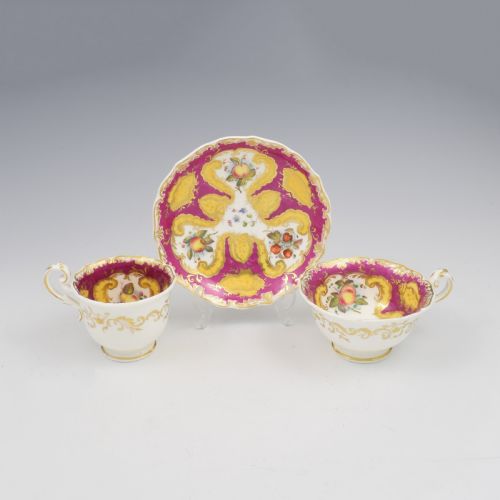
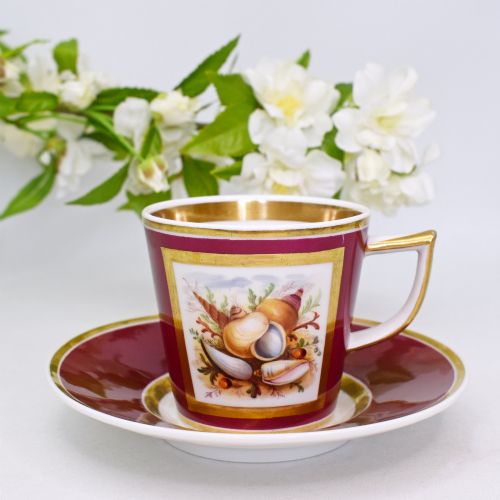
A gilded porcelain coffee cup typically appears as a slender coffee can, a demitasse vessel, or part of a matched trio alongside a saucer and teacup. These pieces emerge from periods spanning Georgian elegance through Edwardian refinement, originating in English factories like Worcester and Derby alongside continental centres such as Berlin and Paris.
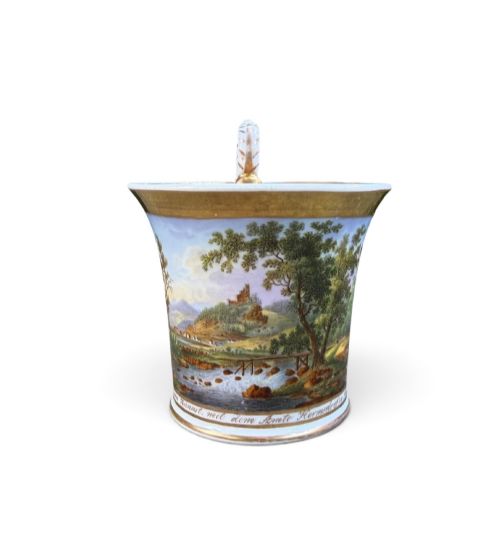
The most common formats on this page reflect early nineteenth-century shapes, including cylindrical coffee cans and deep cabinet cups designed to hold rich brews. Makers applied meticulous handpainted details, landscape scenes, and rich gilt borders to elevate these utilitarian morning vessels into prized display items.
Buyers encounter diverse stylistic influences across these items, ranging from Neoclassical restraint to French Rococo Revival ornamentation and Biedermeier simplicity. Each form demonstrates the changing social rituals of morning dining and drawing room display across successive generations.
Materials and Technique
Potters utilised fine bone china and hard-paste porcelain as the primary body materials, shaping them into delicate vessels capable of withstanding hot liquids while maintaining thin walls. Artisans then applied vibrant enamels by hand before adding gold leaf and detailed gilding to accentuate rims, handles, and painted panels.
Kiln firing set the hard-paste or bone china body before enamel colours were fused to the glaze in subsequent lower-temperature firings. Final gilding was often burnished by hand to achieve a high metallic sheen against the white porcelain ground.
Listings feature hard-paste porcelain, bone china, and gold leaf across 19th Century, Regency, and Edwardian periods.
Judging Quality
Quality rests upon the precision of the handpainting and the richness of the gold leaf application, where finely executed landscape scenes or botanical studies elevate standard vessels into notable cabinet pieces. The clarity of the porcelain body and the crispness of moulded details, such as lion mask handles or fluted rims, further separate standard wares from exceptional examples.
Makers known for superior porcelain bodies and skilled artist decorators - such as Royal Crown Derby, KPM Berlin, and Worcester factories - achieve greater refinement in weight, balance, and artistic composition.
Royal Crown Derby·H & R Daniel·Chamberlain Worcester·Coalport·KPM Berlin·Flight & Barr Worcester·Rockingham·New Hall·Minton·Spode·Sevres·Davenport·Meissen·Hadley Worcester·Hutschenreuther·Royal Worcester
The Gilded Porcelain Coffee Cup Glossary
- Coffee Can
- A straight-sided cylindrical coffee cup without a traditional footed base, popular during the Georgian and Regency periods. These vessels were specifically designed for drinking strong, dark coffee.
- Demitasse
- A small cup used to serve Turkish coffee or espresso, often paired with a matching saucer. The term translates literally from French as half-cup.
- Cabinet Cup
- A decorative cup intended primarily for display within a glass-fronted cabinet rather than everyday use. These pieces often feature elaborate topographical paintings or gilt motifs.
- Trio
- A matched set consisting of a teacup, a coffee cup, and a saucer. They demonstrate coordinated patterns favoured in nineteenth-century drawing rooms.
- Hard-paste Porcelain
- A true ceramic composition fired at very high temperatures, originating in China and later mastered in European factories like Meissen and Berlin. It produces a durable, vitreous body with a cold, bright white surface.
Gilded Porcelain Coffee Cup: Frequently Asked Questions
How were antique coffee cups used?
These vessels served morning hot drinks in formal drawing rooms and dining spaces, often forming part of larger breakfast or tea services.
Wealthy households displayed finer cabinet cups in designated furniture to showcase the owner's taste and the manufacturer's artistic skill.
Can I use these cups today?
While these items remain robust enough for gentle handling, age and delicate gilding suggest reserving them for careful occasional use rather than daily routines.
Handwashing in warm water without abrasive detergents helps preserve the delicate enamel paintings and gold leaf surfaces.
How do I identify Regency pieces?
Regency items often feature distinct cylindrical coffee cans, neoclassical motifs, and rich cobalt blue or green grounds paired with bright gilding.
Examining the paste and any underglaze factory marks helps confirm production dates from the early nineteenth century.
What is a coffee can?
A coffee can is a straight-sided, handleless or handled cylindrical cup produced extensively around the turn of the nineteenth century.
Its shape distinguishes it from the wider, curved profile of standard contemporary teacups.