




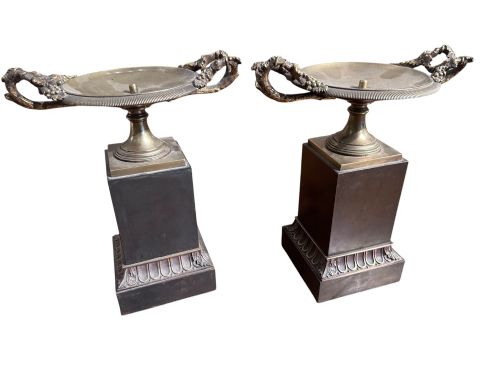
Gilded Metal Table
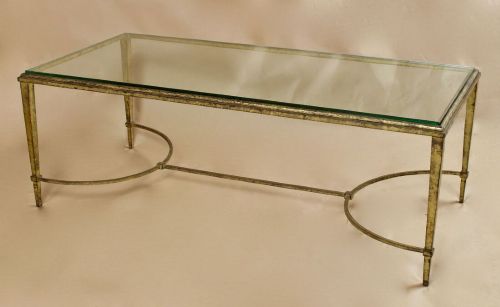
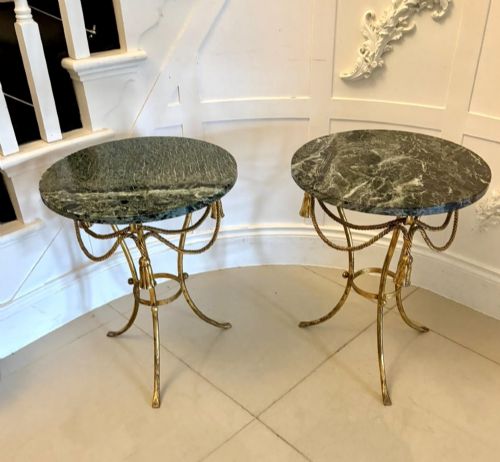
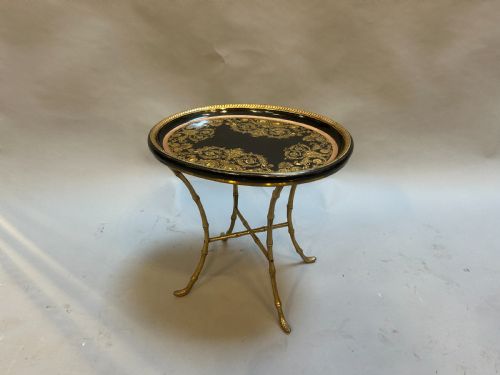
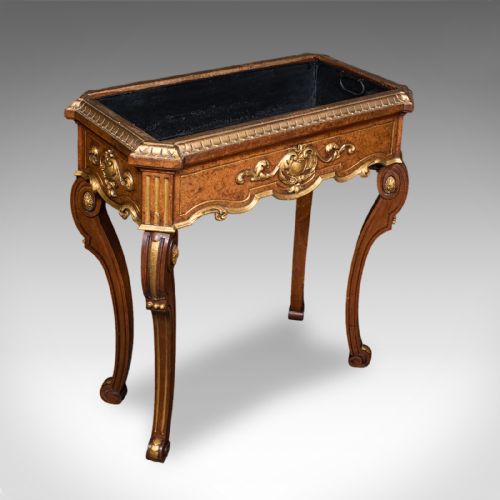
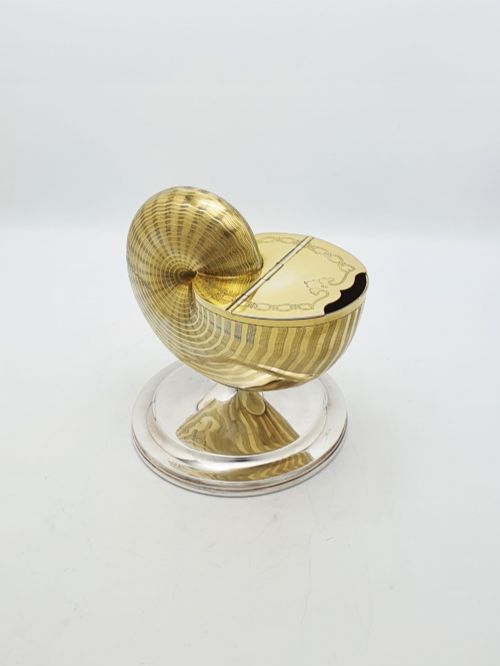
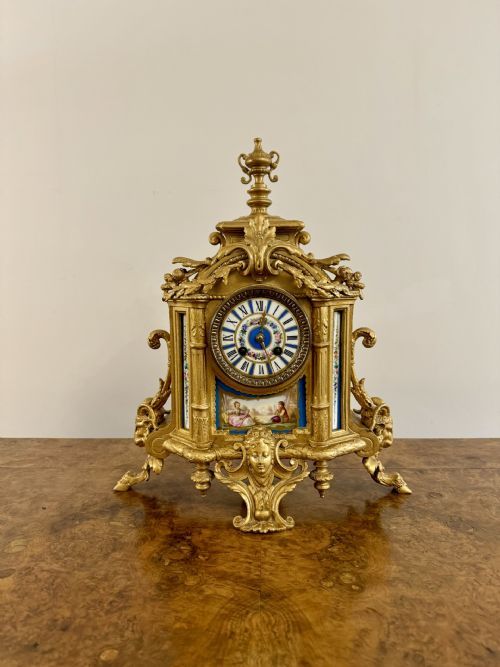
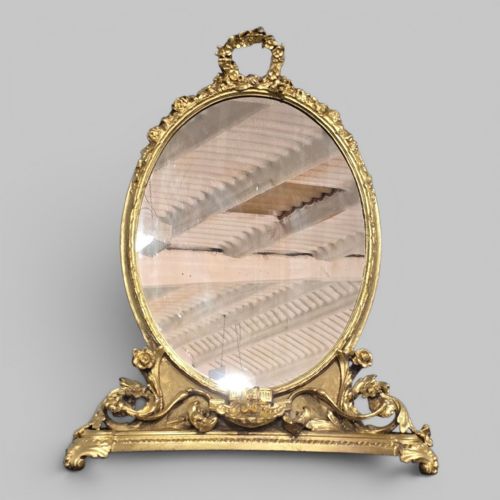
These pieces known as a gilded metal table combine structural metalwork with reflective gilt finishes to anchor a room.
Gilded Metal Table
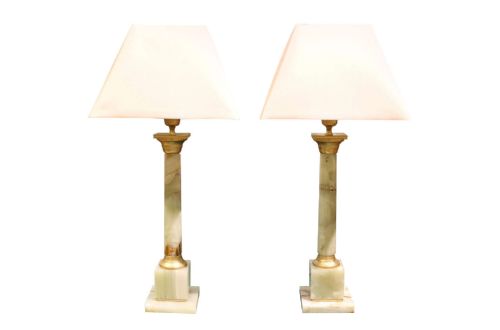
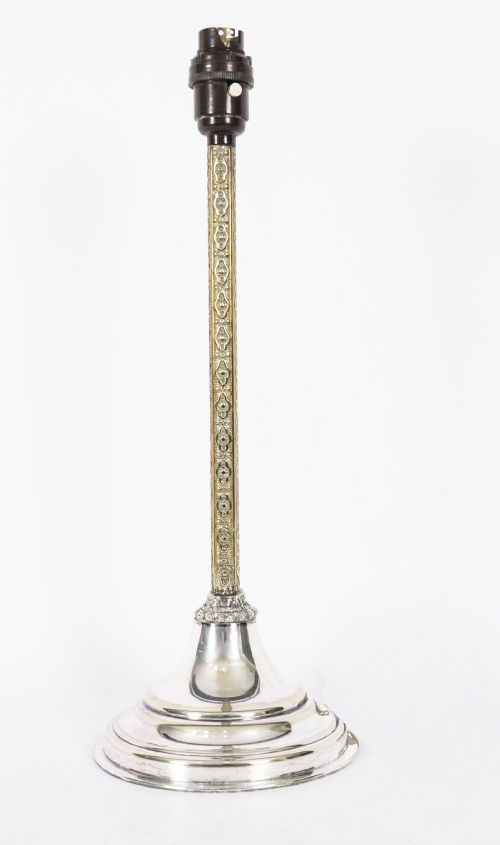
When you search for a gilded metal table, you encounter pieces designed to serve as occasional furniture, side stands, or lamp supports. These items reflect stylistic influences ranging from Regency and Victorian periods to French Rococo Revival and Art Deco.
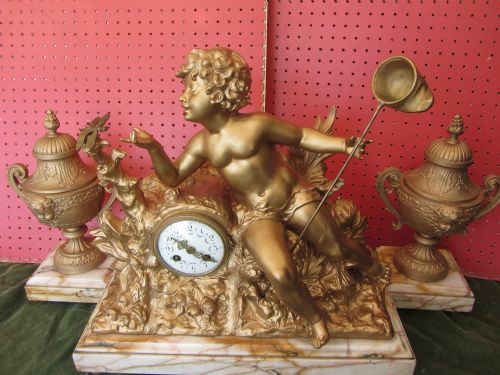
The selection includes specific forms such as occasional tables, side tables, and coffee tables produced in materials like brass, gilt metal, and ormolu. Many pieces incorporate secondary elements of marble, glass, or fabric to complement the gilded structures.
Originating largely from nineteenth-century workshops as well as later twentieth-century interpretations, these tables demonstrate diverse regional designs including French and Italian aesthetics. Buyers meet both functional small tables and decorative stands within this grouping.
How they were made
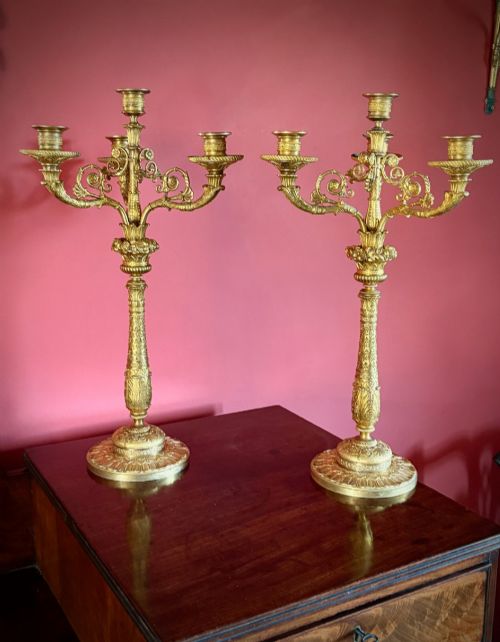
The construction relies on metals such as brass, bronze, and wrought iron shaped through casting and forging techniques. Ormolu and gilt finishes are applied to metallic surfaces to create bright, reflective exteriors.
Many examples integrate contrasting materials like verde marble tops, inset glass panels, or porcelain and enamel details. These components are secured to the metal frames using traditional mechanical fixings and joinery appropriate to each period.
Gilded Metal Table Retail Price Guide 2026
Typical asking prices for gilded metal table among the pieces listed under this phrase on Sellingantiques today, from the lower quarter to the upper quarter. They describe what is for sale here now, not the wider market.
Listings feature brass, gilt bronze, ormolu, and marble across nineteenth-century and Art Deco periods.
What varies in quality
The standard of a piece depends on the crispness of the cast ornamentation and the depth of the gilding applied to the metal substrate. Finer items exhibit precise detailing in chased mounts and secure integration with stone or glass elements.
Construction integrity separates standard production from superior examples, visible in the weight of the metal frame and the stability of the overall structure. The choice of secondary materials, such as high-grade marble or quality porcelain inserts, further distinguishes individual pieces.
John Barwise of London·Leroy and Fils·Mappin and Webb·Maison Ramsay
The Gilded Metal Table Glossary
- Ormolu
- A gold-coloured alloy of copper and zinc applied to bronze objects through mercury gilding or electroplating. This technique imparts a rich, metallic lustre common on nineteenth-century French decorative pieces.
- Gilt bronze
- An umbrella term for bronze objects treated with a gold leaf or gold wash finish. The process highlights chased surface details and prevents oxidation of the base metal.
- Verde marble
- A dark green ornamental stone frequently used for table tops and architectural inserts. It provides a heavy, contrasting base for gilded metal frames.
- Rococo Revival
- A nineteenth-century design movement characterised by asymmetrical scrollwork, naturalistic floral motifs, and ornate curves. This style heavily influenced the ornamentation of decorative metalwork.
- Occasional table
- A small, movable table designed for specific, intermittent uses within a living space. These pieces often serve as decorative display surfaces rather than primary dining furniture.
Gilded Metal Table: Frequently Asked Questions
What periods do these tables represent?
The listings span the nineteenth century up through the nineteen-forties, capturing major design shifts from Regency and Victorian eras into Art Deco.
Specific dates within the evidence include eighteen-eighty, nineteen-twenty, and nineteen-forty, reflecting both antique production and mid-century modern interpretations.
How do I care for gilt metal surfaces?
Gilded metal requires gentle dusting with a soft, dry cloth to prevent abrasion of the delicate gold finish. Avoid liquid cleaners and chemical polishes that can strip the metallic layer from the underlying brass or bronze.
Protect the surfaces from direct moisture and extreme temperature fluctuations to preserve the original gilding and any integrated marble or glass components.
Are these tables strictly French in origin?
While many pieces demonstrate French stylistic traits such as Rococo Revival and Neoclassical motifs, the selection also includes Italian designs and British makers.
Origins vary across European workshops, incorporating regional craftsmanship in metalworking, casting, and stone carving.
What secondary materials appear alongside the metal?
Tables frequently incorporate marble tops, glass panels, and wooden elements such as walnut or satinwood structures. Some pieces also feature porcelain accents and fabric components.
These combined materials provide textural contrast against the reflective gilt metal frames.