





Gilded Metal Candlesticks
These gilded metal candlesticks bring warm, reflective light and decorative presence to a room, drawing the eye with their polished ormolu, gilt bronze, and brass surfaces.
Gilded Metal Candlesticks
When you search for gilded metal candlesticks, you encounter a diverse selection ranging from single chamber sticks to grand multi-branch candelabra and converted lamp bases. The pieces available here span the nineteenth century, including Victorian, Regency, and Charles X periods, with a strong emphasis on French origins and decorative revival styles.
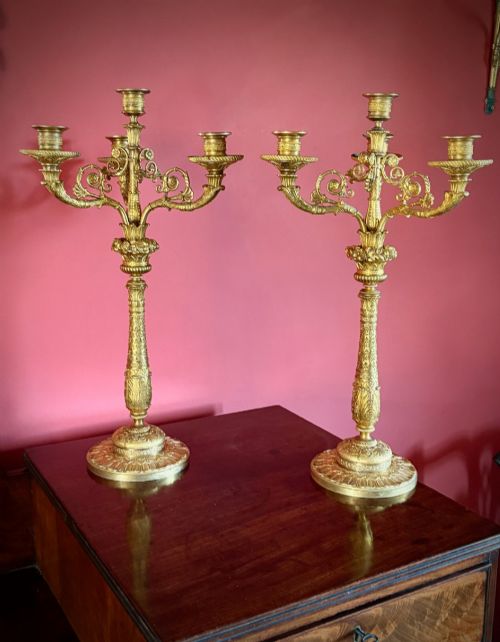
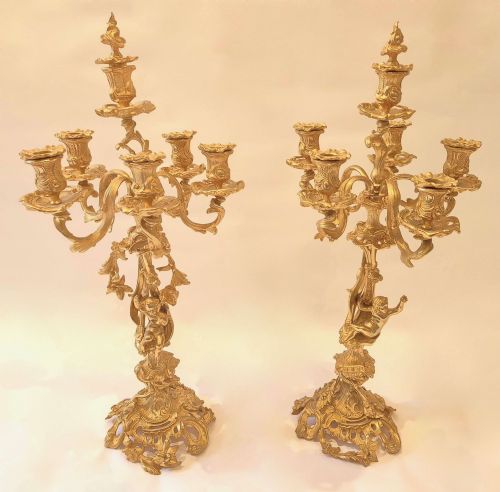
You will most frequently meet pairs of ormolu or gilt bronze candlesticks and candelabra, often reflecting French Louis XV, Rococo, or Italianate Baroque tastes. Alongside traditional candle holders, the selection includes table lamps, standard lamps, and even a desk set featuring gilded bronze figures.
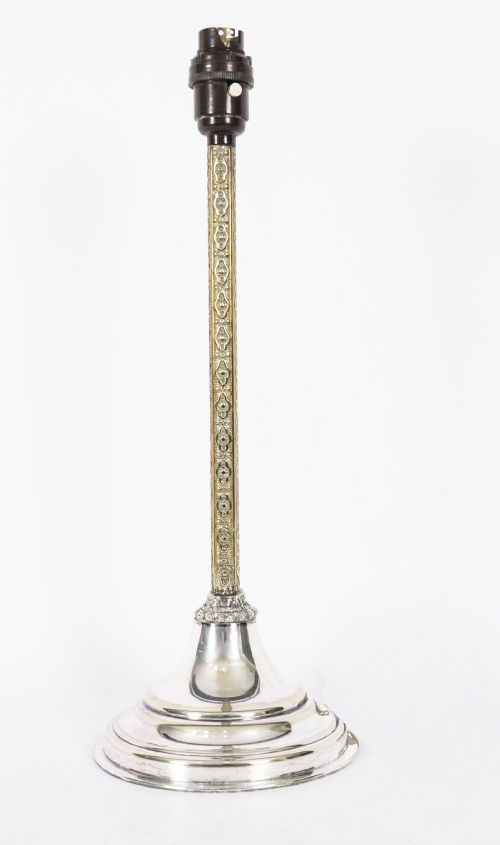
Many of these objects serve dual purposes today, as earlier candlesticks and altar lamps are frequently adapted into wired table lamps while retaining their original metalwork. Whether you seek a pair of heavy ormolu altar candelabra or a smaller chamber stick, the variety covers numerous decorative lighting forms from the eighteen-eighties onward.
Materials and construction methods
The foundation of these pieces relies on cast metals such as bronze, brass, and standard metal alloys, shaped through traditional foundry methods. Ormolu and gilt bronze work involves applying a fine layer of gold to a base metal, creating a durable and lustrous golden finish that resists tarnishing over decades of use.
Decoration often includes intricate chasing and casting, producing high-relief ornamentation typical of French Rococo, Baroque, and Arabic styles. Selected pieces incorporate contrasting materials like marble bases, glass lustres, and champlève enamel to enhance the visual texture of the metalwork.
Gilded Metal Candlesticks Retail Price Guide 2026
Typical asking prices for gilded metal candlesticks among the pieces listed under this phrase on Sellingantiques today, from the lower quarter to the upper quarter. They describe what is for sale here now, not the wider market.
Listings feature nineteenth-century items utilising ormolu, gilt bronze, and brass across French Rococo, Baroque, and Victorian styles.
Evaluating quality and craftsmanship
Quality in these objects rests primarily on the crispness of the metal casting and the depth of the subsequent chasing work. Finer examples display sharp, well-defined foliage, scrollwork, and figurative details, whereas lesser pieces show softer edges where the mould has been reused excessively.
The weight and stability of the piece also indicate its standard of manufacture, with superior items utilising heavier bronze or ormolu rather than lighter base metals. Furthermore, the preservation of the original fire-gilding or mercury gilding contributes significantly to the visual integrity and desirability of the object.
Mappin & Webb
The Gilded Metal Candlesticks Glossary
- Ormolu
- A technique of applying finely ground gold-mercury amalgam to a bronze object, followed by firing to drive off the mercury. This produces a rich, durable golden surface seen on many nineteenth-century French pieces.
- Champlève enamel
- An enamelling technique where troughs or cells are carved into the metal surface and filled with vitreous enamel paste before firing. It appears on decorative nineteenth-century Arabic style pieces.
- Candelabra
- A branched candlestick designed to hold multiple candles simultaneously. These often feature removable central finials or matching drip pans.
- Chamber stick
- A low, handheld candlestick fitted with a saucer base and a small handle to catch dripping wax. They were traditionally carried through a house at night.
- Lustres
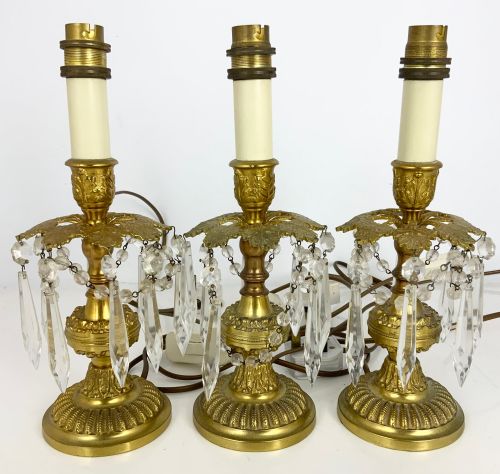
- Pendant glass prisms hung from the drip pan or nozzle of a candlestick or candelabra. They refract candlelight to increase the illumination in a room.
Gilded Metal Candlesticks: Frequently Asked Questions
How do I clean gilded metal?
Dust gently with a soft, dry cloth to prevent accumulation without disturbing the delicate gold surface.
Avoid commercial metal polishes and abrasive cleaners, as they strip away the thin layer of ormolu or gilding permanently.
Are these candelabra wired for electricity?
Most pieces retain their original function as candle holders, though some listings include table lamps and standard lamps converted for modern use.
Converted pieces often incorporate lamp fittings and shades while keeping the antique gilded metal base intact.
How do I date a pair of candlesticks?
Examine the casting quality, assembly screws, and base construction, comparing them with known stylistic periods like Charles X or Victorian.
Stylistic markers such as French Rococo revival motifs or specific maker marks also help narrow down the decade of production.
Can missing lustres be replaced?
Replacement glass lustres can be sourced to match the style and period of antique candelabra.
Look for pieces that retain their original pendants, as matched replacements require careful measurement of the hanging holes.