


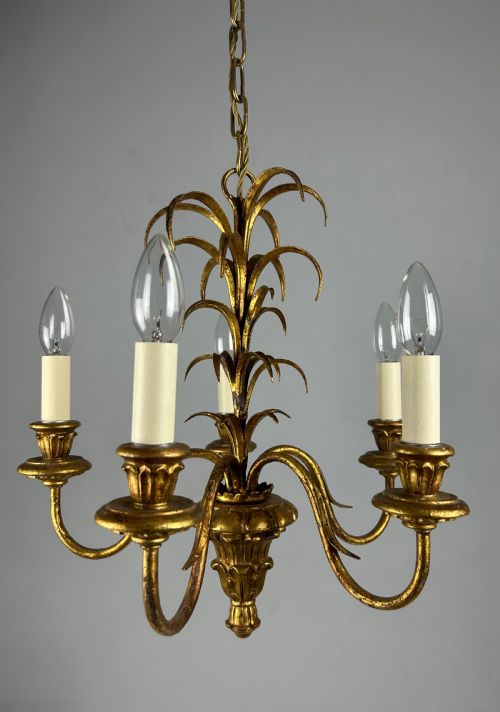


Gilded Leaf Pendant
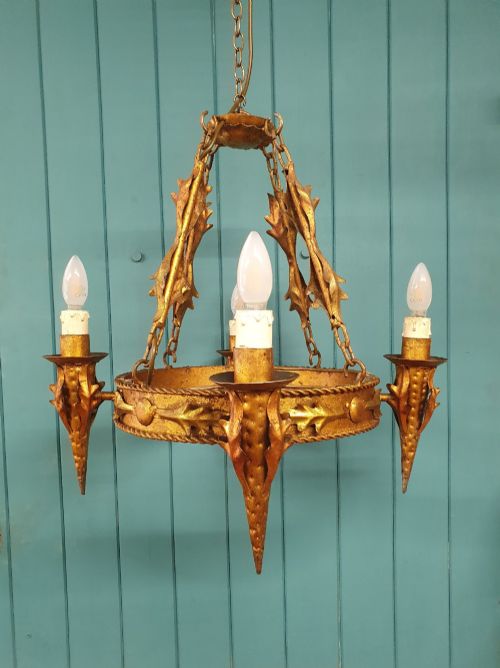
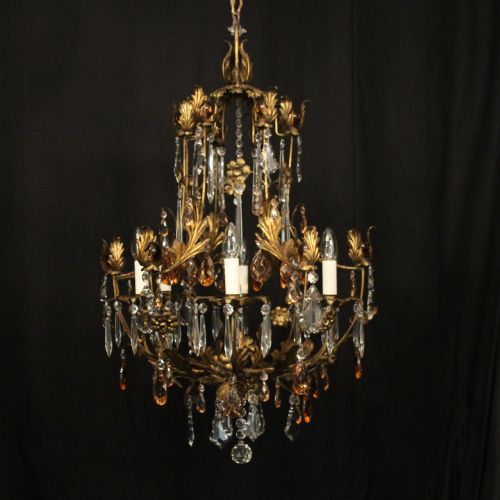
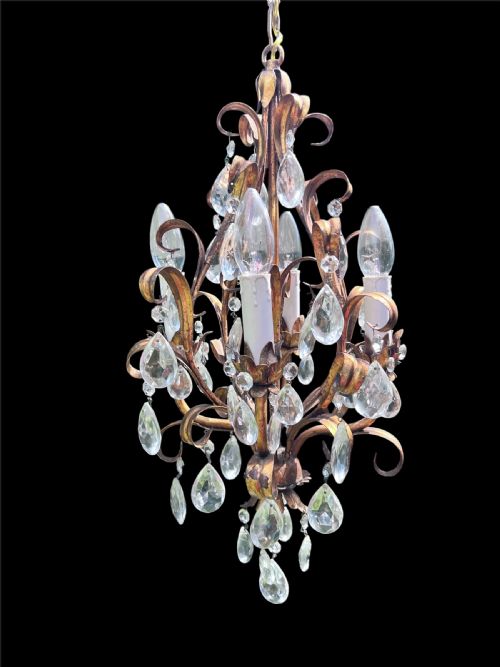
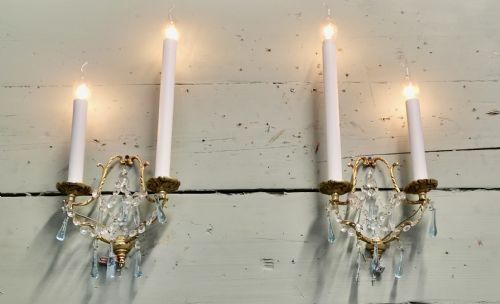
These gilded leaf pendant fixtures bring botanical form and warm metallic light into a room, offering the decorative polish collectors seek.
Gilded Leaf Pendant
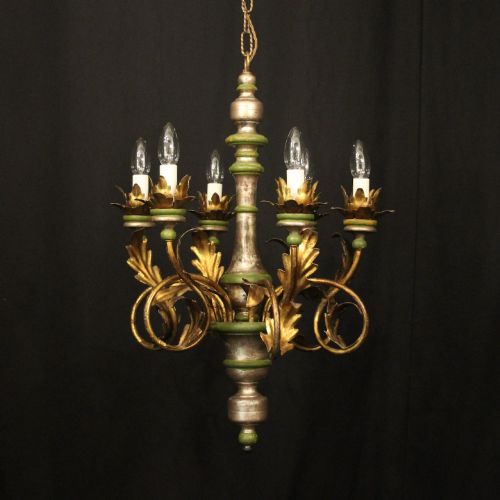
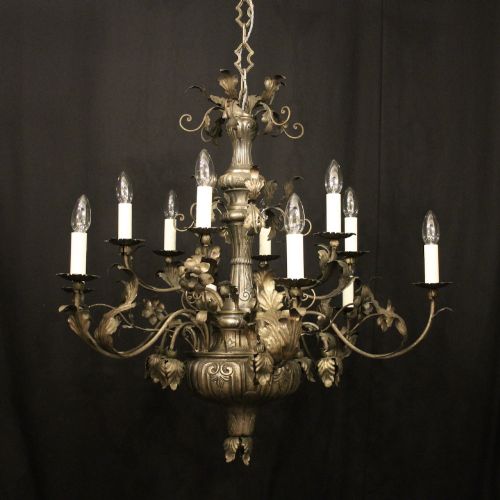
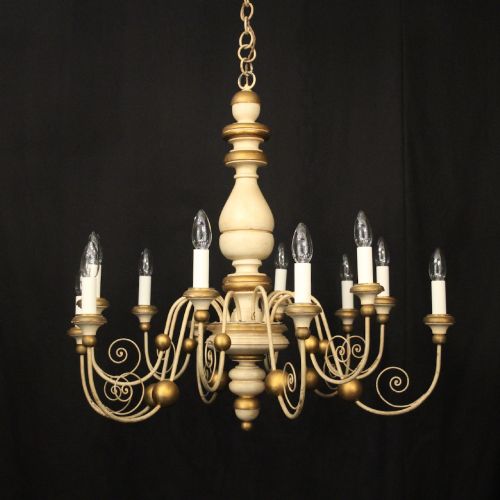
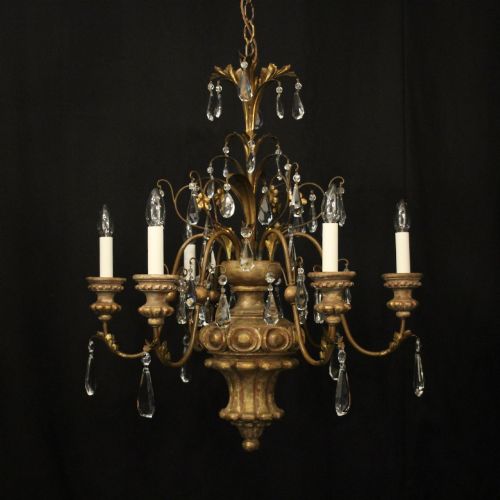
A gilded leaf pendant brings together carved wooden foliage, metal branches, and hanging illumination from the early twentieth century. When you search for a gilded leaf pendant, you encounter pieces originating primarily from Italian workshops and French provincial houses dating between 1910 and 1930.
The most common forms on this page include multi-light chandeliers and ceiling lights shaped like leafy branches or carved wooden foliage. These designs draw heavily upon Florentine Baroque and French Hollywood Regency traditions, blending rustic ironwork with polished gold leaf finishes.
Materials and construction methods
Workshops built these fixtures using carved wood, wrought iron, and cast metal as a foundation for delicate surface treatments. Artisans applied thin sheets of gold leaf or silver gilt directly onto gessoed wooden frames and forged iron branches.
Many designs incorporate glass drops, crystals, and polychrome pigments to catch and refract the illumination from multiple candle-style lights. The combination of rigid metal armature and ornate carved foliage required skilled joinery and metalworking.
Materials recorded across the inventory include wrought iron, glass, carved wood, and genuine gold leaf.
Assessing craftsmanship and finish
Quality in a gilded leaf pendant rests on the depth of the carving and the preservation of the original metal leaf surface. Finer examples display crisp botanical details in the wooden foliage rather than soft, moulded contours.
The integration of glass drops and the integrity of the underlying iron or giltwood framework distinguish higher tier pieces from simpler commercial output. Original polychrome highlights and intact gilding significantly elevate the visual presence of the fixture.
The Gilded Leaf Pendant Glossary
- Giltwood
- Timber that has been coated with a thin layer of gold leaf or gold paint. This technique gives the carved wooden elements a warm metallic sheen.
- Florentine Baroque
- A decorative style originating in Italy characterised by elaborate scrolling foliage and organic botanical motifs. It heavily influences the design of early twentieth-century Italian chandeliers.
- Polychrome
- The practice of decorating architectural elements or furniture in a variety of colours. On these pieces, it often appears as painted highlights alongside the gold leaf.
- Wrought iron
- Iron that has been heated and shaped with tools by a blacksmith. It provides a sturdy, textured structural backbone for many of these hanging lights.
Gilded Leaf Pendant: Frequently Asked Questions
How do I clean a gilded leaf pendant?
Dust the delicate wooden foliage and metal branches very gently using a soft, dry ostrich feather duster. Avoid using any liquid cleaners or commercial polishes, as moisture can lift the gold leaf.
For stubborn grime on glass drops or crystals, remove the components carefully and wipe them with a slightly damp cloth before drying thoroughly.
How do I distinguish Italian from French pieces?
Italian examples frequently lean into Florentine Baroque traditions with dense carved gesso foliage and polychrome highlights. They often utilise giltwood and crystal drops to create an ornate botanical appearance.
French pieces tend to reflect Chateau, provincial, or Hollywood Regency styles, favouring cleaner branch structures and subtle gilt finishes over heavy carving.
Where should I hang a gilded leaf pendant?
These fixtures suit dining rooms, high-ceilinged hallways, and drawing rooms where their organic forms can act as a central visual focal point. Ensure the hanging height leaves adequate clearance for foot traffic underneath.
Pairing the warm metallic tones with neutral walls allows the carved leaf details and glass elements to stand out effectively.