


Gilded Landscape Cabinet
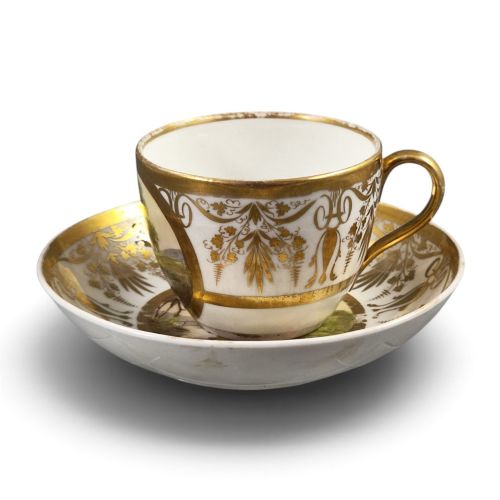
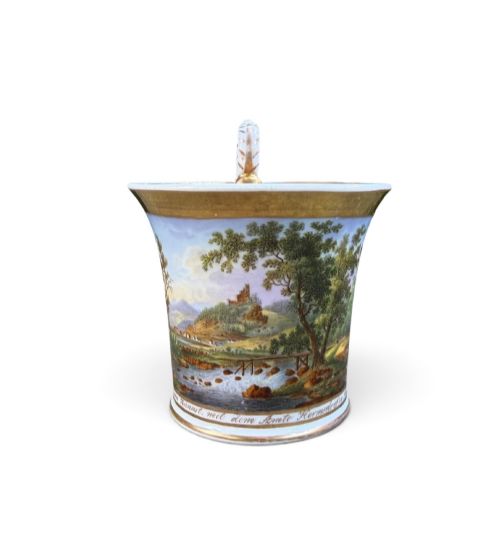
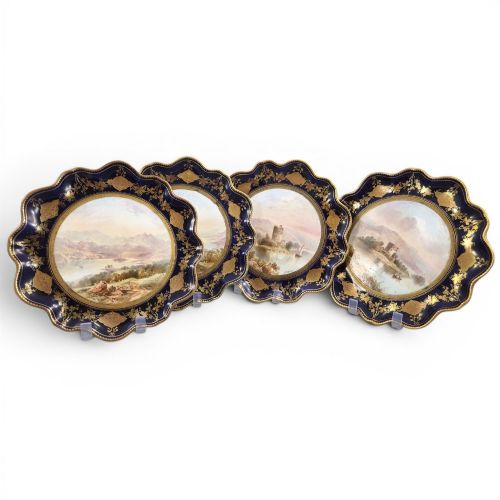
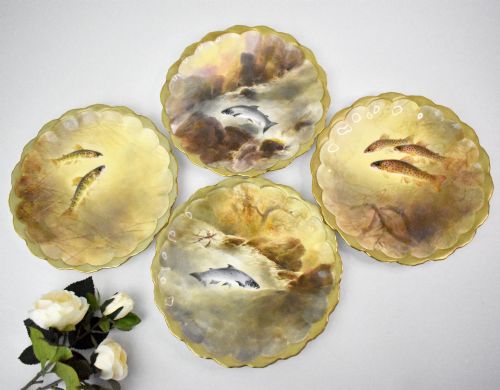
These gilded landscape cabinet pieces bring together painted scenery and rich surface decoration, offering collectors fine examples of ceramic and lacquer work.
Gilded Landscape Cabinet
A gilded landscape cabinet search brings up a distinct mix of decorative plates, cabinet cups, saucers, serving dishes and occasional cabinets. These items showcase detailed painted scenes alongside gilt accents.
The most common finds on this page are porcelain cabinet plates and cups originating from English and European factories during the Georgian, Victorian and nineteenth century periods.
Makers ranged from major porcelain works like Worcester and Aynsley to continental studios, producing items intended primarily for display within a cabinet rather than everyday dining.
How They Were Made
The pieces rely on hard-paste porcelain, bone china, enamel and lacquer as foundations, shaped into plates, cups and dishes or small wooden furniture forms.
Surfaces receive hand-painted landscape scenes, often topographical or named views, combined with applied gold leaf or gilding to highlight borders and frames.
Listings span the nineteenth century, Georgian, Victorian and Regency periods, utilising porcelain, enamel, lacquer and gold leaf.
What Varies in Quality
Quality rests upon the skill of the hand-painting within the landscape and the crispness of the surrounding gilding work. Superior examples demonstrate fine brushwork and detailed scenery.
The reputation of the maker or factory and the preservation of the enamel and gold leaf determine the standing of each piece within its period.
KPM Berlin·Aynsley·Royal Doulton·Pucher Deroche·Coalport·Derby·Barr Flight Barr Worcester·Minton·Royal Worcester·Ridgeway
The Gilded Landscape Cabinet Glossary
- Cabinet Plate
- A decorative ceramic plate intended for display rather than table use. These often feature hand-painted views and elaborate gilding.
- Gilding
- The application of gold leaf or gold powder onto a surface. This technique highlights rims and framing details on porcelain and furniture.
- Topographical
- A style of painting that depicts a specific real-world location or named view. Many nineteenth-century plates feature these specific scenes.
- Hard-paste Porcelain
- A dense, durable ceramic composed of kaolin and petuntse fired at high temperatures. It forms the base of many European cabinet pieces.
- Chinoiserie
- A decorative style reflecting European interpretations of Chinese artistic traditions. It appears on lacquer furniture and ceramic designs.
Gilded Landscape Cabinet: Frequently Asked Questions
What is a cabinet plate?
A cabinet plate is a decorative ceramic piece made for display inside a cabinet rather than for serving food. These plates typically feature detailed hand-painted scenes and rich gilding.
They gained popularity in the nineteenth century as homeowners sought to showcase artistic porcelain collections in drawing rooms.
Were these pieces used daily?
Most items associated with this search were created for display or special dessert courses rather than daily household dining. Cabinet cups and cabinet plates spent most of their time in glazed furniture.
Serving dishes saw occasional use during formal meals, but their elaborate painted landscapes meant owners treated them with care.
How do I identify the period?
Identifying the period involves examining factory marks, ceramic bodies and painting styles. Nineteenth-century pieces often display specific printed or painted maker ciphers on the underside.
Stylistic shifts from Regency neoclassical designs to Victorian exuberance also help narrow down the date of manufacture.