




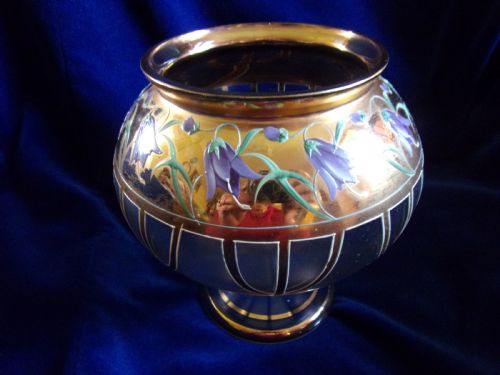


Gilded Glass Vessel
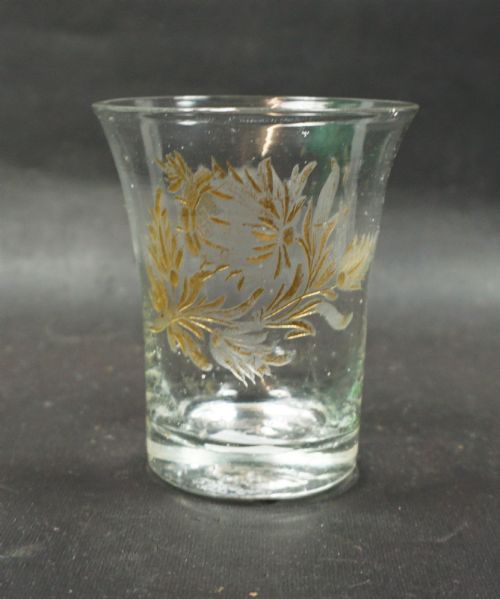
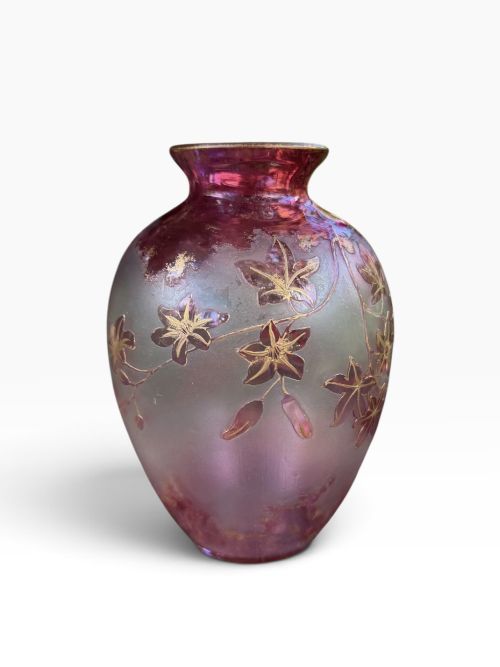
These gilded glass vessel pieces combine translucent colour with applied metal leaf, bringing striking metallic highlights to a room.
Gilded Glass Vessel
A gilded glass vessel encompasses decorative objects and practical containers finished with metallic leaf or paste gilt. When you search for a gilded glass vessel, you encounter 19th Century and early 20th Century examples ranging from French apothecary jars to Bohemian tableware.
How they were made
Makers utilised glassblowing techniques to form the basic body, shaping crystal, hyalite, or coloured glass into vases and apothecary jars. Molten or blown glass was cooled, annealed, and prepared for surface decoration.
Artisans applied gold leaf, paste gilt, or gold enamel by hand, frequently combining acid etching, engraving, or enamel painting on the exterior surface. Some items incorporate brass, ormolu, or cork fittings to complete the design.
Gilded Glass Vessel Retail Price Guide 2026
Typical asking prices for gilded glass vessel among the pieces listed under this phrase on Sellingantiques today, from the lower quarter to the upper quarter. They describe what is for sale here now, not the wider market.
Listings feature 19th Century and early 20th Century pieces, spanning Victorian, Art Nouveau, and Art Deco styles.
What varies in quality
Quality depends upon the precision of the glass cutting and the fineness of the hand-applied gilding or enamel work. Finer pieces display crisp acid etching and securely adhered gold leaf that integrates harmoniously with the glass body.
The distinction between standard production and exceptional work lies in the depth of the engraving and the complexity of the decorative motifs, such as floral palmettes or japonisme designs.
Baccarat·Legras·Daum·François-Eugène Rousseau·Paul Heller·Booms glass
The Gilded Glass Vessel Glossary
- Ormolu
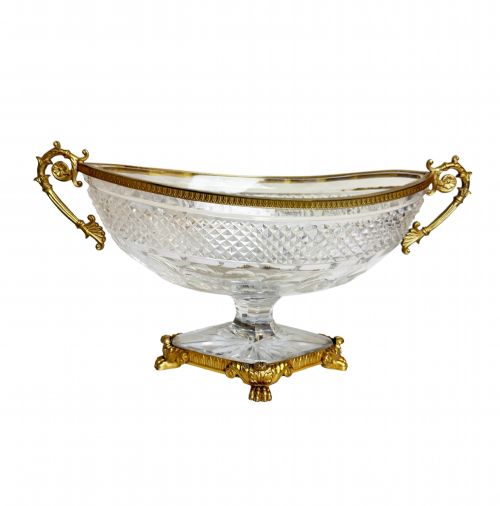
- Gilded bronze mounts and stands utilised on 19th Century French glassware and centrepieces. This decorative metalwork provides structural support and contrasting metallic sheen.
- Apothecary jar
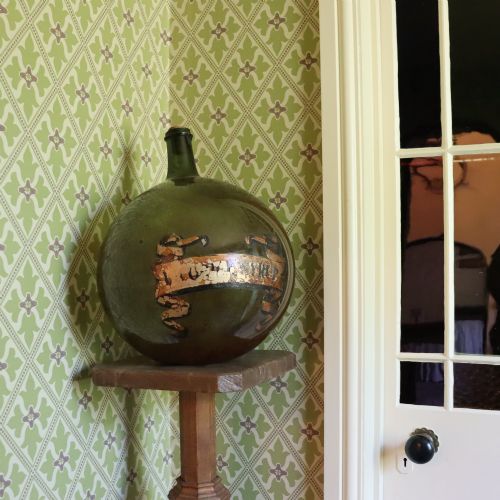
- A large glass container originally used in dispensaries and pharmacies to store medicines and herbs. These jars frequently feature hand-painted labels or stoppered tops.
- Cranberry glass
- Transparent red glass produced by adding gold chloride to the molten batch. It is commonly found in Victorian decorative vases and glassware.
- Paste gilt
- A metallic decoration applied as a paste and fired onto the glass surface. This technique creates a raised, tactile golden finish.
- Acid etching
- A method of decorating glass using acid to eat away exposed areas, leaving a frosted design. This process highlights the surrounding polished or gilded surfaces.
Gilded Glass Vessel: Frequently Asked Questions
How do I clean a gilded glass vessel?
Dust the surface gently with a soft, dry cloth to protect the delicate gold leaf and enamel decorations. Avoid submerging the piece in water or using abrasive cleaning agents that can wear away the gilding.
For interior cleaning, use a damp cotton swab carefully without touching the exterior metallic finish. Proper maintenance preserves the historic surface integrity of the glass.
Were apothecary jars used in homes?
Original apothecary jars served practical roles in pharmacies and dispensaries for storing medical ingredients and dry drugs. Many surviving examples transitioned into domestic decorative use during the 19th Century.
Their large scale and vibrant colours made them striking display items on mantelpieces and in cabinets. Today they function primarily as decorative centrepieces.
How can I tell Victorian from Art Nouveau?
Victorian pieces often display traditional symmetry, rich cranberry or turquoise colours, and formal engraved or decalcomania patterns. The styling reflects historical revivals and detailed ornamentation typical of the mid to late 19th Century.
Art Nouveau examples introduce organic motifs like lotus or palmette flowers, fluid lines, and stylised enamelling inspired by natural forms. These pieces emerged around the turn of the 20th Century.
What is mercury glass?
Mercury glass is a double-walled silvered glass type produced primarily in the mid to late 19th Century. Liquid silver was blown into the cavity between the glass layers and sealed at the base.
This technique creates a reflective, mirror-like finish that resembles polished metal. It captures ambient light effectively within a room setting.