





Gilded Glass Set
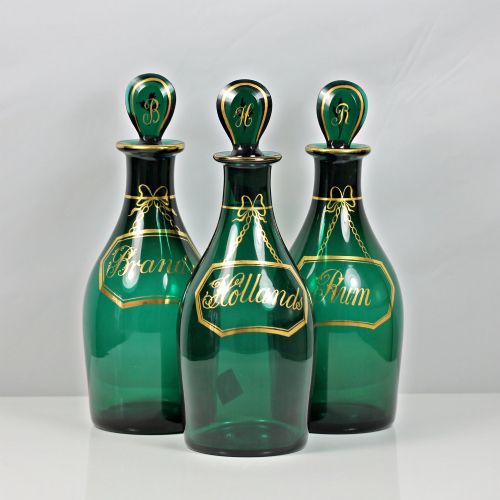
A gilded glass set brings shimmering refinement to a room, combining sparkling crystal and glass with gleaming metallic details for dramatic display.
Gilded Glass Set
When searching for a gilded glass set, buyers encounter various decorative service collections and drinkware arrangements spanning multiple centuries.
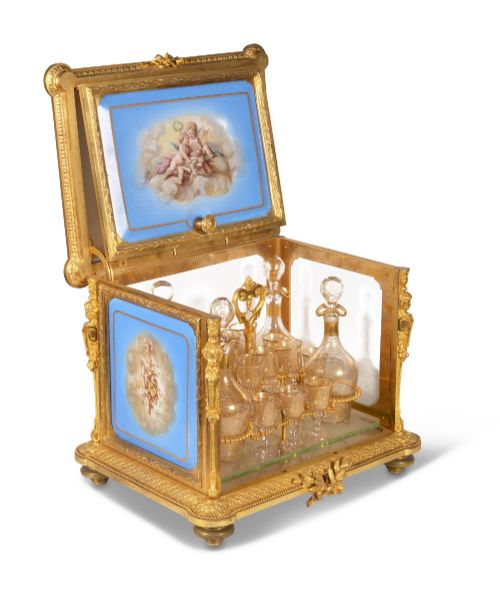
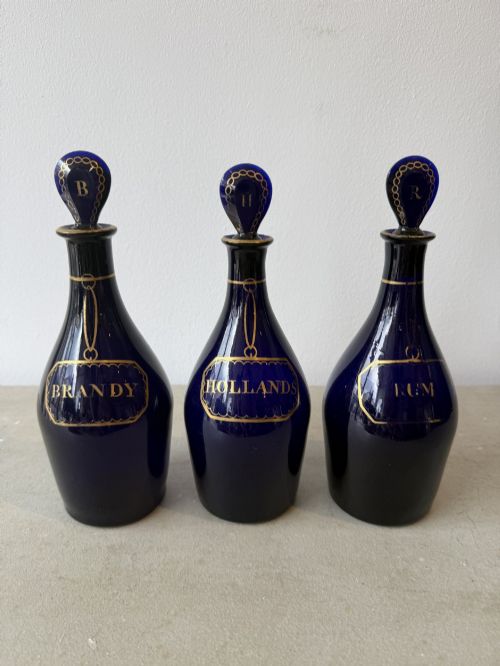
The selections on this page predominantly feature items from the nineteenth century, including decanter sets, crystal hock glasses, and punch bowl sets.
Objects originate from diverse European traditions such as French, Bohemian, and Austrian workshops, often incorporating enamel and gold leaf decorations.
How they were made
Artisans utilised clear and coloured glass, crystal, and opaline, applying delicate gold leaf or hand-gilded motifs to the finished surfaces.
Many items incorporate enamel decoration and metal elements such as ormolu, brass, and giltwood to enhance their decorative impact.
Techniques range from mouth-blowing and crystal cutting to detailed overpainting with portraits, heraldic motifs, and floral patterns.
Gilded Glass Set Retail Price Guide 2026
Typical asking prices for gilded glass set among the pieces listed under this phrase on Sellingantiques today, from the lower quarter to the upper quarter. They describe what is for sale here now, not the wider market.
Some nineteenth-century makers hid tiny painted portraits inside glassware, waiting for a thirsty guest to finish their drink.
What varies in quality
The distinction between standard and superior pieces rests upon the precision of the hand-gilding and the clarity of the underlying crystal or glass.
Maker attribution and the complexity of accompanying enamel work or matched components elevate the standing of individual sets.
The overall preservation of delicate painted details and the integration of complementary materials dictate the distinction of the work.
Gillows Of Lancaster·Theresienthal·Baccarat·Saint Louis·Moser·Salviati
The Gilded Glass Set Glossary
- Gilding
- The application of gold leaf or gold powder to the surface of glass, wood, or metal. This technique highlights decorative motifs and adds luminous contrast.
- Enamel
- Opaque or translucent glass paste applied to a glass surface and fused by firing. It provides vibrant colour and intricate detail to vessels.
- Crystal
- Glass manufactured with mineral content that increases brilliance and weight. It allows for deep, crisp cutting and superior light refraction.
Gilded Glass Set: Frequently Asked Questions
How do I care for gilded glass?
Hand wash delicate items gently in lukewarm water using mild soap, avoiding abrasive sponges that might damage the gold leaf.
Dry each piece immediately with a soft, lint-free cloth to preserve the metallic finish and prevent water spots.
Are these sets safe for daily use?
Many historical drinking vessels and decanters function well for occasional entertaining, though older enamels and gilding require gentle handling.
Displaying them as part of a table service or cabinet arrangement limits wear on sensitive decorative surfaces.
What periods do these pieces span?
The selections encompass items created from the late eighteenth century through the nineteenth century and into the early twentieth century.
Stylistic influences range from Georgian and Neo-Classical to Victorian, Rococo Revival, and Art Nouveau.
How are different glass types identified?
Weight, ring, and visual refraction help distinguish standard glass from heavy crystal and opaque opaline varieties.
Maker signatures, etchings, and distinct regional colour palettes further assist in confirming origin and period.