

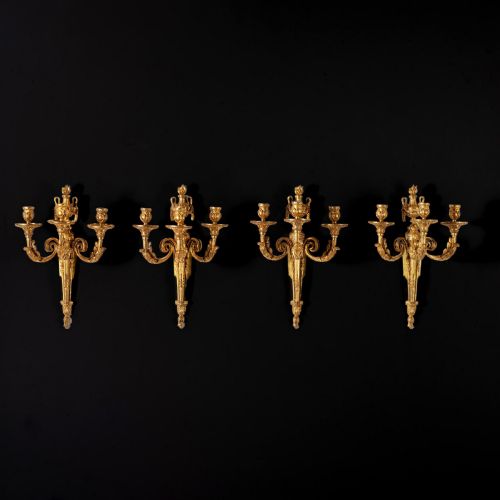
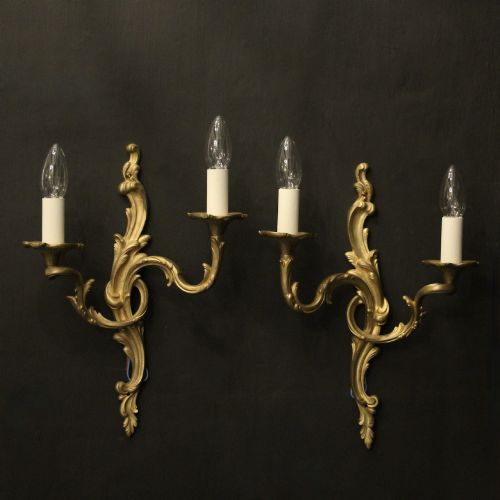
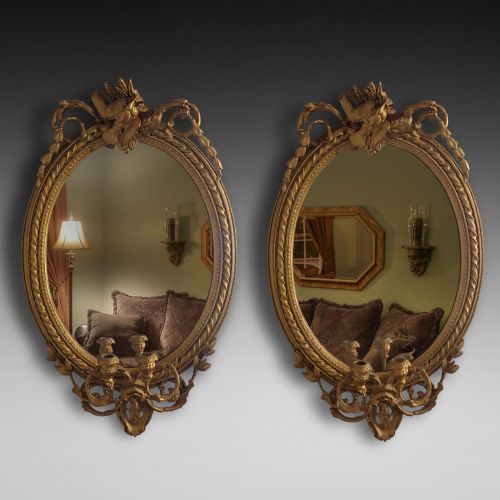
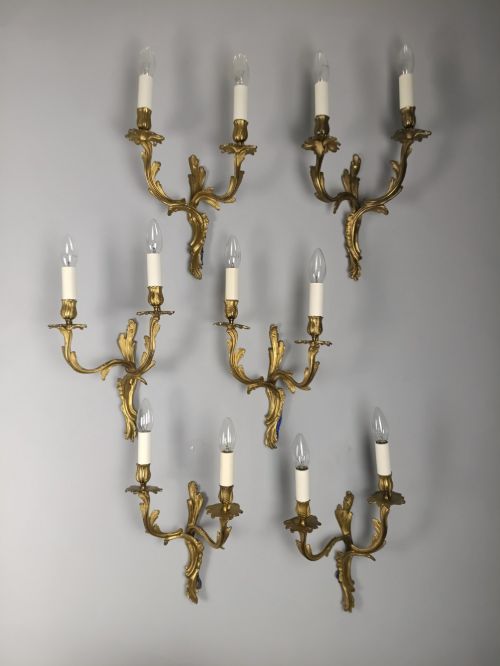
Gilded French Sconces
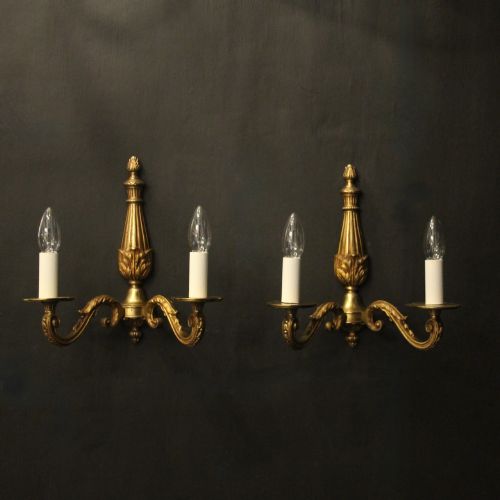
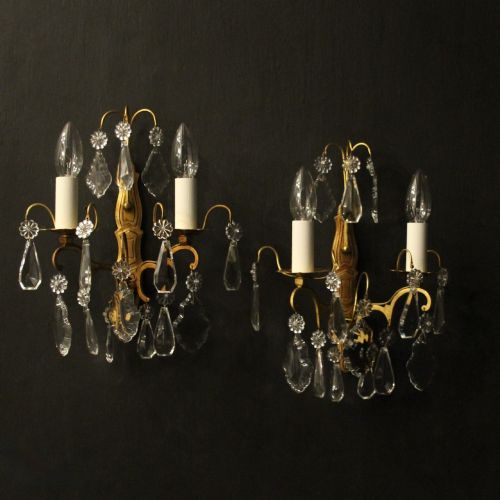
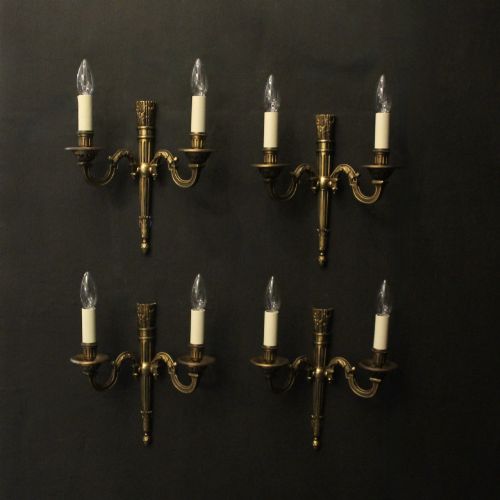
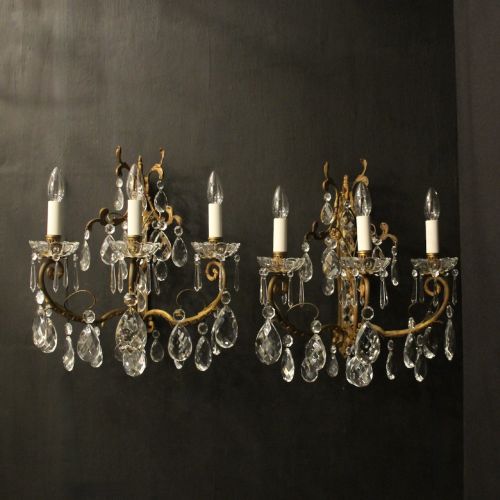
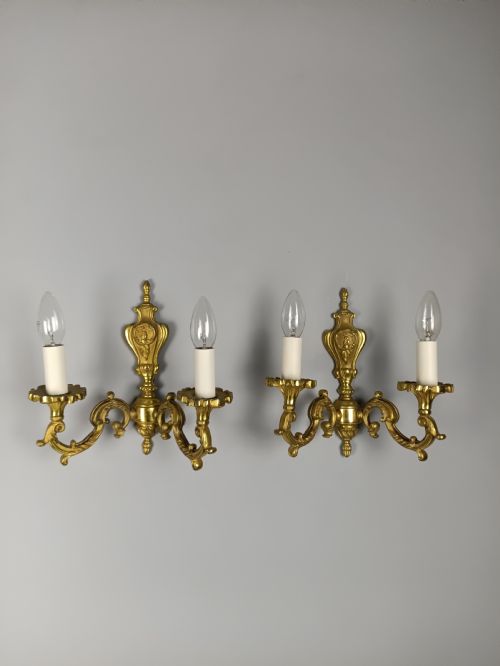
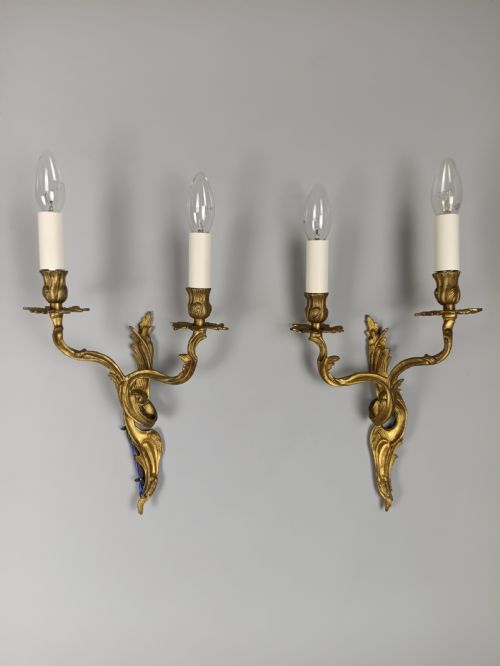
These gilded french sconces combine decorative metalwork and candle illumination to transform interior walls.

Gilded French Sconces
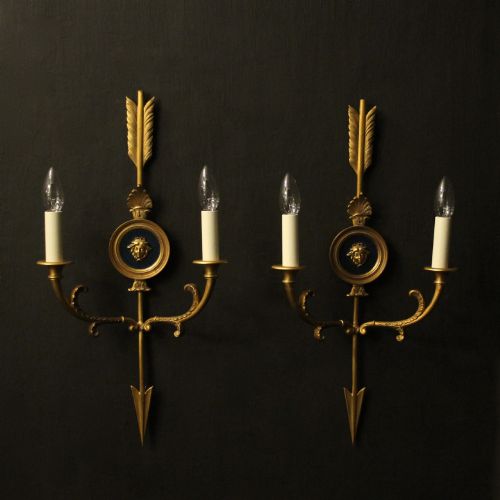
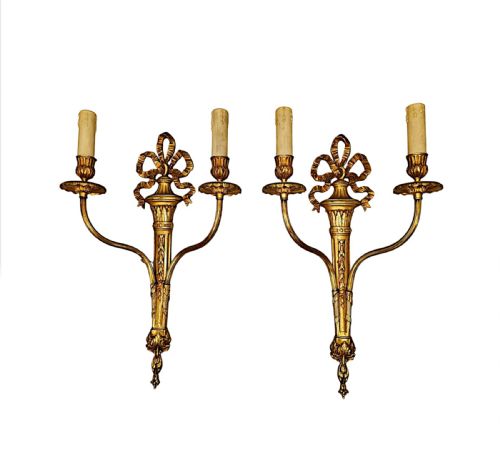
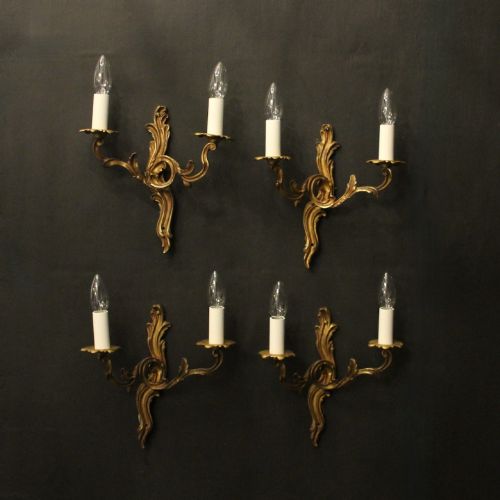
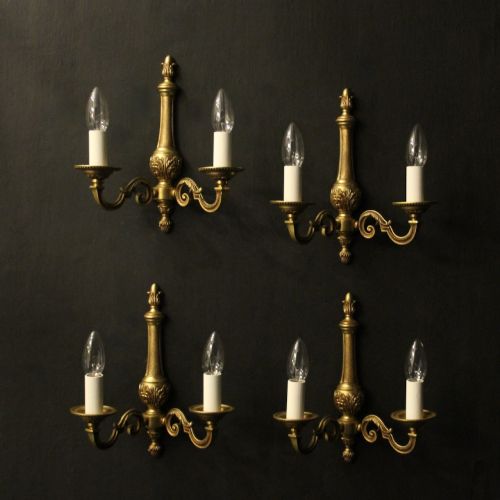
When searching for gilded french sconces, buyers encounter wall-mounted light fittings designed to hold candles or electric bulbs. These pieces typically manifest as twin or triple-arm wall lights, girandoles, and wall brackets spanning the eighteenth, nineteenth, and early twentieth centuries.
The selections on this page heavily feature early twentieth-century interpretations alongside nineteenth-century examples and eighteenth-century origins. Common configurations include pairs and sets of four or six, echoing historical chateau and rococo interiors.
Forms extend beyond standard wall brackets to incorporate half lanterns, mirror-backed girandoles, and candelabra arrangements. The predominant aesthetic draws directly from French Rococo, Louis XVI, and Empire design vocabularies.
How They Were Made
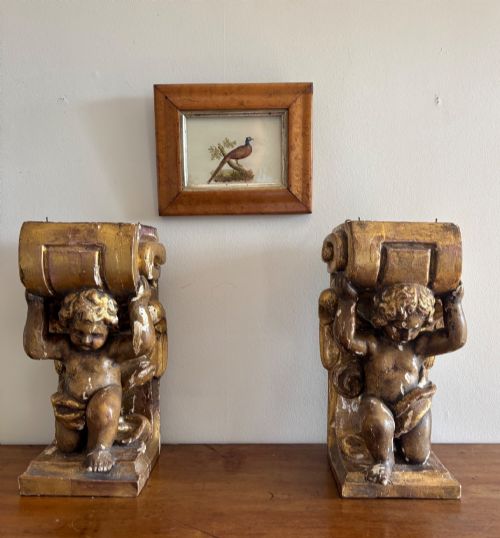
Metal forms dominate the construction, utilising cast bronze, brass, and ormolu. Artisans also employed giltwood and carved wood for mirrors and wall brackets, often pairing the gilded frames with glass elements.
Surface decoration relied heavily on fire gilding or gold leaf application over base metals and timber. Intricate details such as ribbon motifs, cherubs, and asymmetrical rococo scrollwork were cast or carved before gilding.
Listings span multiple eras from the 18th century up through 1930, utilising materials including gilt bronze, brass, giltwood, and crystal.
What Varies In Quality
The integrity and warmth of the gilding surface dictate the visual success of the piece. Intact fire gilding or well-preserved gold leaf reflects light with a rich lustre, whereas degraded or poorly reapplied finishes flatten the decorative impact.
The Gilded French Sconces Glossary
- Ormolu
- Gilded bronze, typically achieved through a mercury amalgamation process used extensively in eighteenth and nineteenth-century French metalwork. This technique produces a durable, deep golden surface.
- Girandole
- A branched wall light or candelabra, frequently incorporating a mirror to multiply the reflected candlelight within a room. These fixtures often feature carved giltwood frames.
- Rococo
- An ornate design style characterised by asymmetric scrollwork, shell motifs, and natural curves. It heavily influences many French lighting fixtures from the eighteenth century onwards.
- Louis XVI
- A neoclassical style defined by straight lines, symmetry, classical urns, and ribbon motifs. Pieces from this period or revival eras project architectural restraint.
- Champleve
- An enamelling technique where recessed areas in metal are filled with vitreous paste and fired. It occasionally appears alongside gilt bronze on decorative accessories.
Gilded French Sconces: Frequently Asked Questions
How were gilded sconces originally used?
These fixtures were mounted on drawing room and hallway walls to hold wax candles. Mirrored backs and polished metal surfaces helped amplify the limited candlelight available before electric lighting.
Over time, many surviving examples have been adapted for electricity while retaining their decorative wall-mounting brackets.
Are these sconces wired for electricity?
Many listings feature sconces that have been updated with internal wiring for modern domestic installation. It remains sensible to check individual descriptions regarding electrical readiness.
Original candle-only formats also appear, requiring professional rewiring if conversion to electric light is desired.
How do I identify Louis XVI style?
Louis XVI pieces rely on symmetry, straight geometric lines, and classical motifs such as ribbons, urns, and swags. This aesthetic follows the more curving, asymmetrical rococo forms.
Examining the backplate and arm joints reveals the underlying structural order typical of this neoclassical period.
What is the difference between brass and bronze?
Bronze is an alloy of copper and tin, while brass combines copper and zinc. In antique French lighting, bronze pieces often accepted finer detail work and heavier fire gilding.
Both metals received surface gilding, making visual distinction dependent on weight and the sharpness of cast details.