

Gilded Frame Original Art
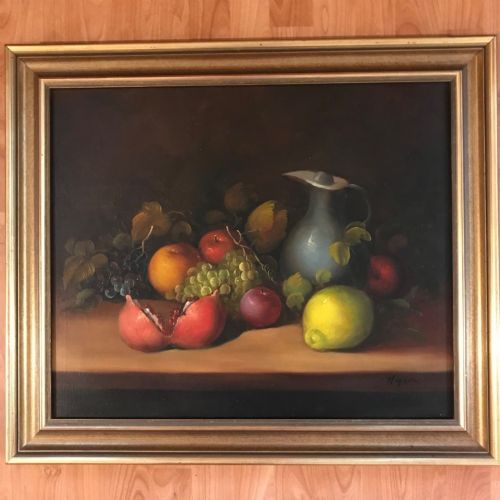
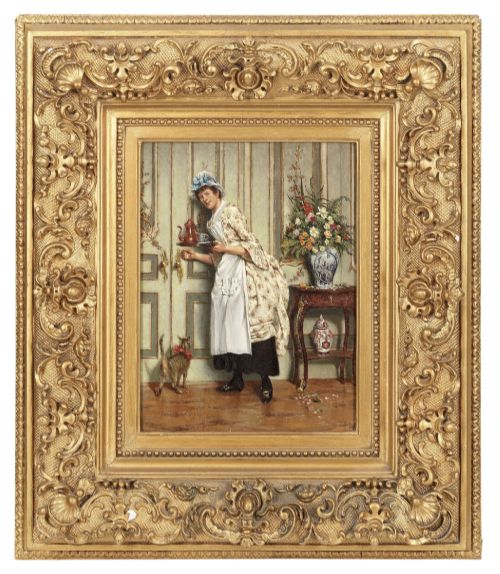
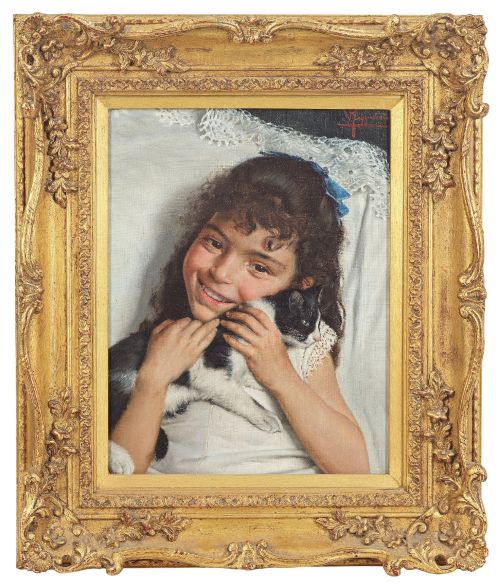
Gilded frame original art brings together hand-painted canvases and works on paper housed in ornamented wooden surrounds.
Gilded Frame Original Art
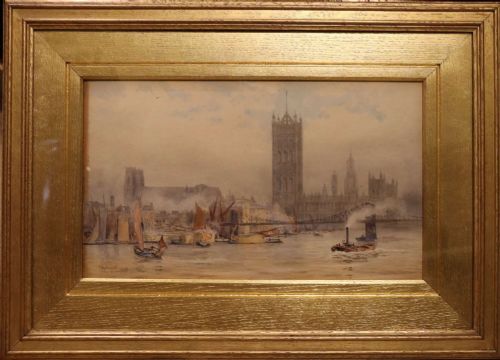
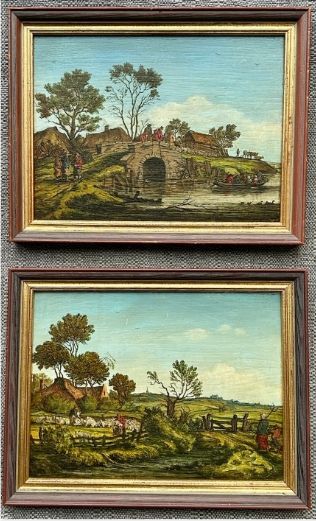
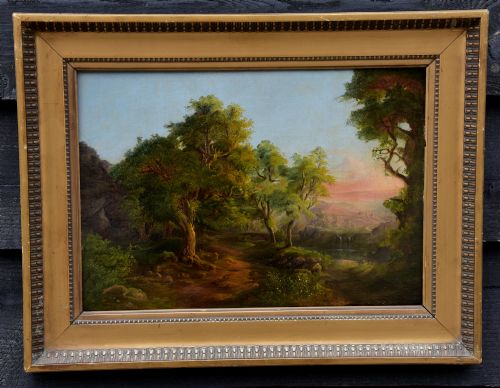
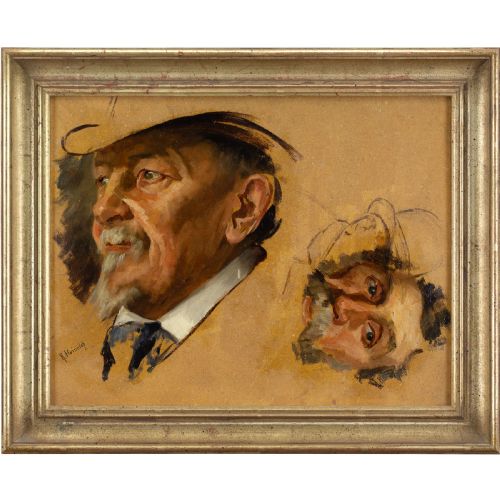
When you search for gilded frame original art, you encounter hand-painted works executed across the nineteenth and twentieth centuries. These pieces encompass oil paintings on canvas, board, and panel, alongside watercolours and pastels.
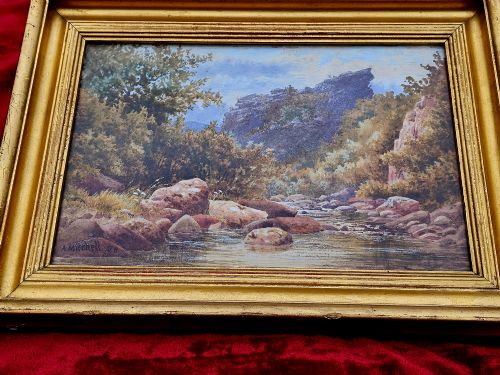
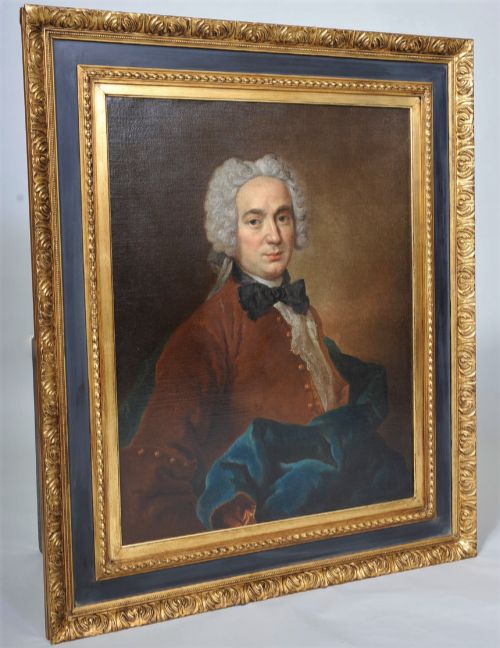
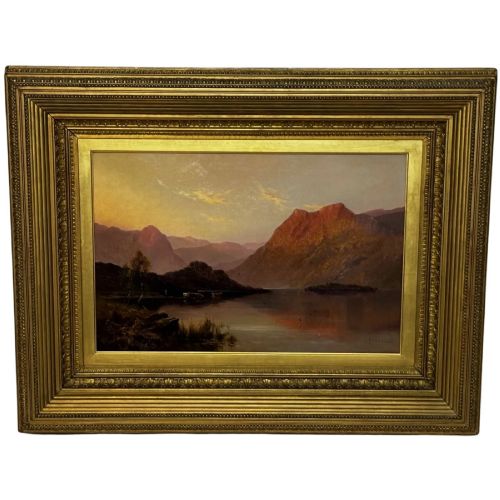
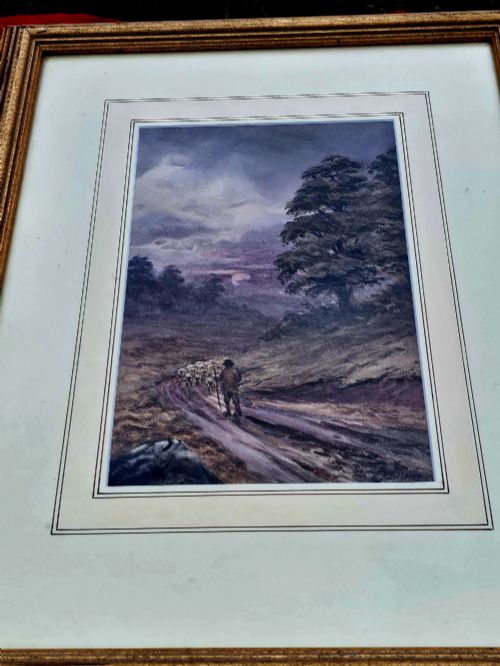
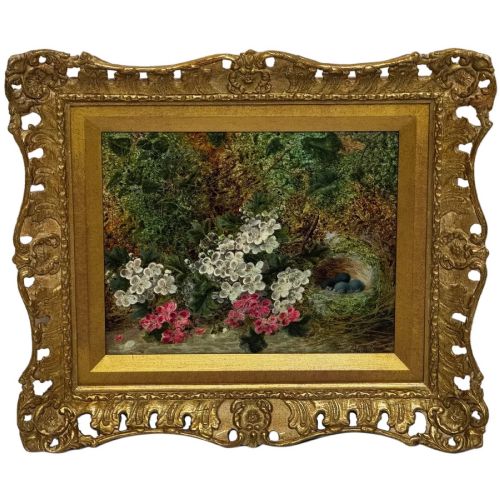
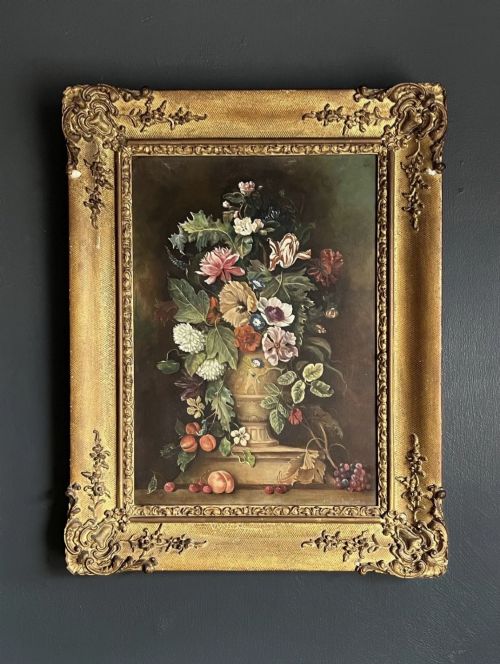
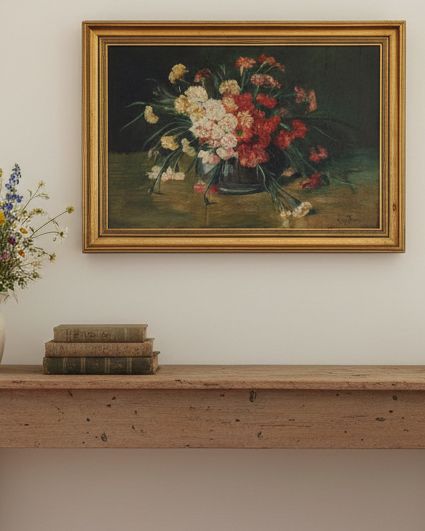
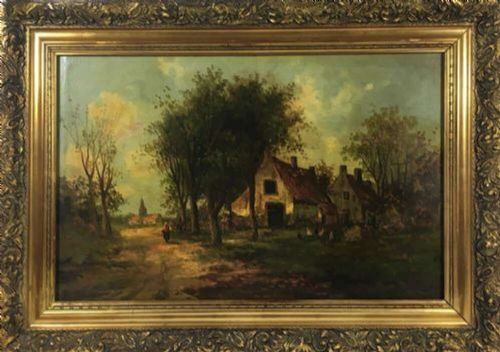
The selections on this page are dominated by oil paintings from the Victorian era through to the mid twentieth century. Subjects range from pastoral landscapes and marine views to intimate portraits and floral still lifes.
The associated frames utilise wood and gesso finished in gilt layers that complement the palette of the primary artwork. Many pieces retain their period surrounds, providing a cohesive presentation shaped by traditional framing methods.
Materials and Techniques
Artists applied oil paint and watercolour onto stretched canvas, wooden panels, card, and paper supports. These traditional mediums defined the surface texture and tonal depth of each composition.
The enclosing surrounds consist of timber frames finished with carved or moulded gesso layers. Craftsmen applied gold leaf or metallic finishes over these surfaces to create the reflective gilt appearance.
Giltwood, carved wood, and paper provide the primary material foundation across the available artworks and their surrounds.
Assessing Quality and Execution
The standard of execution in the painted surface distinguishes the upper tiers of work, seen in the careful handling of light, perspective, and brushwork. Master painters achieved greater anatomical accuracy and atmospheric depth.
The preservation and integrity of the surrounding gilt frame contribute significantly to the overall character of the piece. Hand-carved ornament and original gilding hold more visual presence than later replacements.
Joseph Clover RA·Clifford Hanney·W Klombeck·Alfred Fontville de Breanski Jr·Oliver Clare·Stephen Samuel Lewin·Vittorio Reggianini·David Bates·Alfred Lyndon Grace·Alfred Pollentine·Albert Clark·Adelaïde Salles-Wagner·Else Preußner·John Hodgson Lobley RBA·Manuela Bonati·William Watson Jnr·Frederick Tatham·Alfred Arthur Brunel de Neuville·Emily Eyres
The Gilded Frame Original Art Glossary
- Giltwood
- Wood that has been coated with gold leaf or a metallic substitute. This material provides the bright, reflective border characteristic of traditional framing.
- Gesso
- A plaster mixture applied to wooden frames as a base for moulding and gilding. It allows artisans to carve intricate decorative patterns before applying gold leaf.
- Oil on Canvas
- Pigment mixed with drying oils applied to a woven fabric support. This combination offers rich colour saturation and durable longevity.
- Watercolour
- Paint consisting of water-soluble pigments applied to paper. It creates transparent washes and delicate tonal gradations.
- Panel Painting
- Artwork executed on a flat piece of wood rather than fabric. This rigid support prevents the flexing associated with stretched canvases.
Gilded Frame Original Art: Frequently Asked Questions
How do I date a gilded frame?
Dating a frame requires examining the construction methods of the wooden corners and the composition of the gesso beneath the gilding. Earlier frames often feature hand-carved wooden mouldings, whereas later examples rely more heavily on moulded plaster ornamentation.
The backing boards, fixings, and any remnants of paper labels on the reverse also provide reliable clues to the age of the framing. Conservators look at the layering of the metallic leaf to distinguish nineteenth-century techniques from twentieth-century reproductions.
Are these paintings executed on canvas or board?
The listings feature a mixture of supports, including traditional stretched canvas, wooden panels, and heavy artist board. Canvas was favoured for larger oil paintings due to its flexibility and texture, while panels provided a rigid surface for smaller, detailed works.
Watercolours and pastels invariably utilise paper or card supports. Each support type requires specific framing considerations to ensure the long-term stability of the artwork.
How should I display gilt framed art at home?
Gilt framed art benefits from placement away from direct sunlight and fluctuating heat sources, which can dry out wooden panels and crack gesso frames. Adequate wall space allows the reflective properties of the gold leaf to catch ambient room light effectively.
Hanging the work at eye level ensures the details of both the painting and the ornamented frame can be appreciated at close range. Secure fixings suited to the weight of the timber and gesso construction are essential.
What defines the Barbizon School style?
The Barbizon School movement focused on tonal realism, rural landscapes, and direct observation of nature. Painters associated with this tradition worked outdoors to capture atmospheric light and everyday agricultural scenes with earthy palettes.
In these listings, such works are typically housed in heavy gilt frames that complement their naturalistic subject matter. The style bridges romantic landscape traditions and later impressionist developments.