
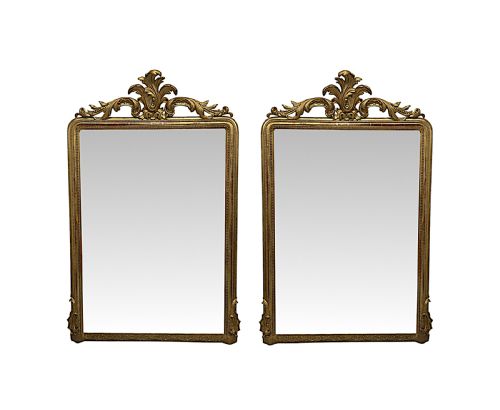
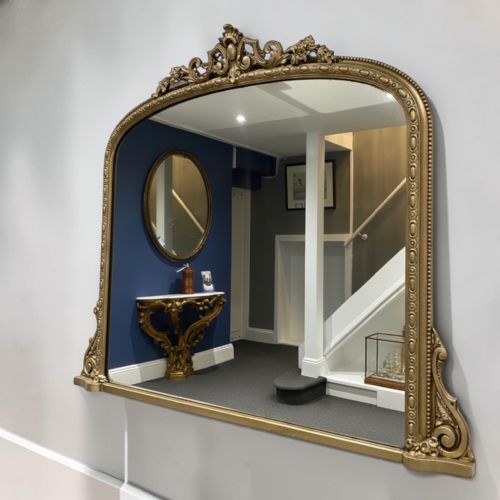
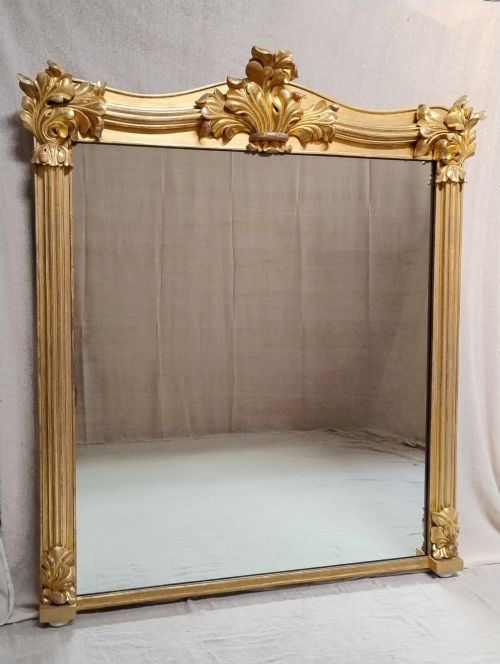
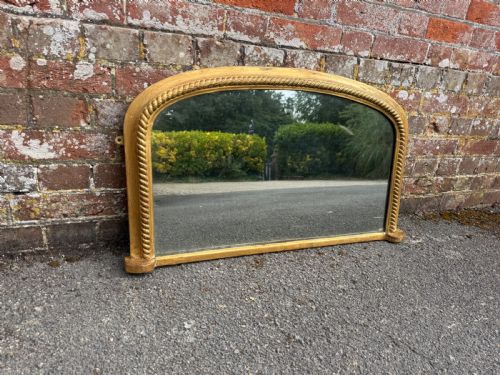

Gilded Fireplace Mantle Mirror
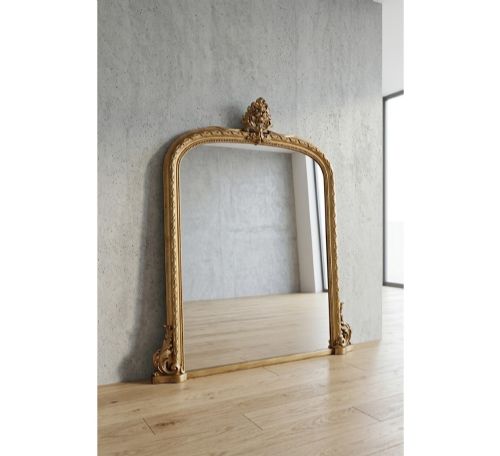
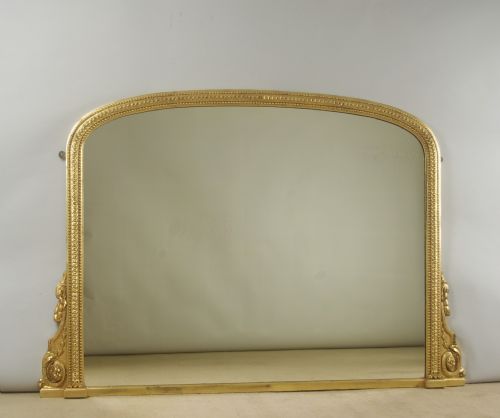
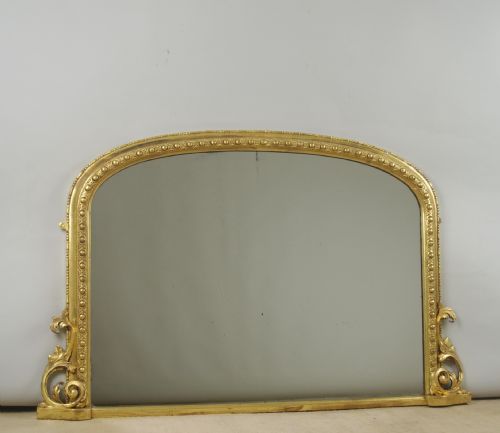
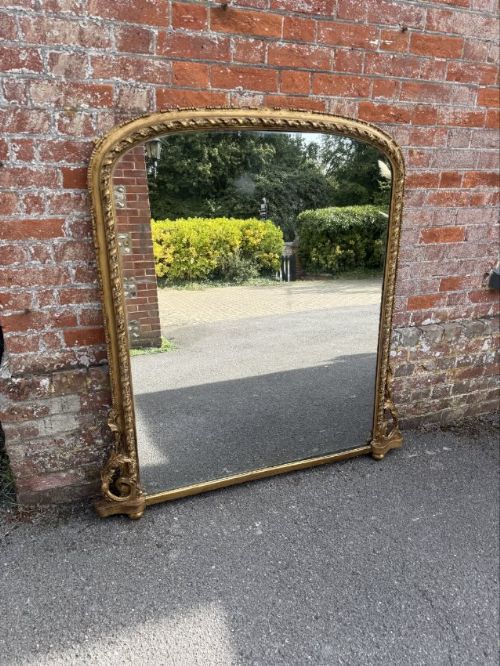
A gilded fireplace mantle mirror commands attention above a hearth, reflecting light and proportion across a reception room.
Gilded Fireplace Mantle Mirror
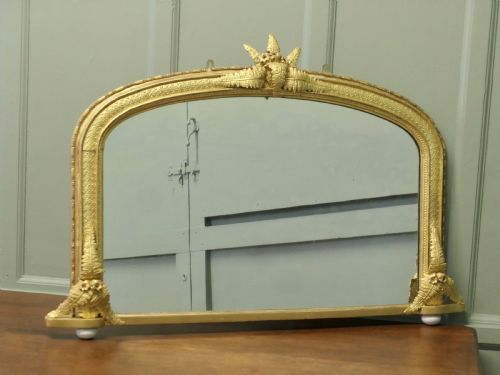
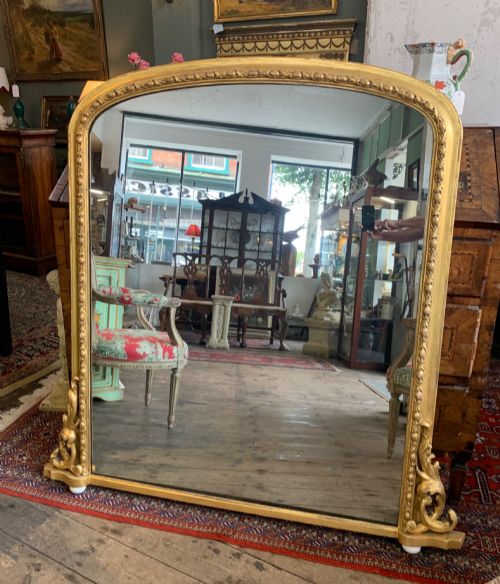
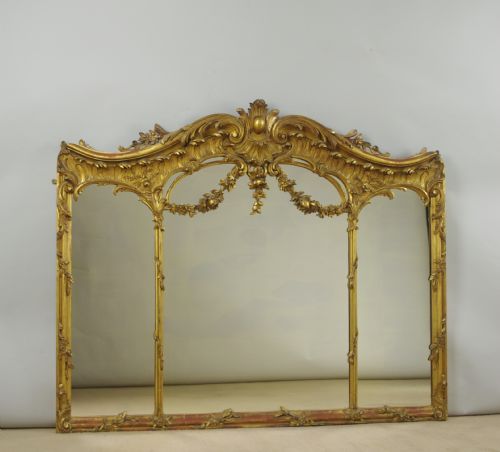
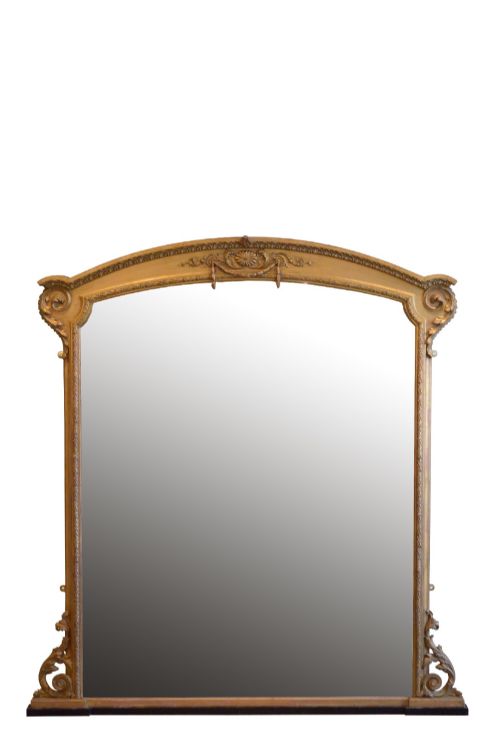
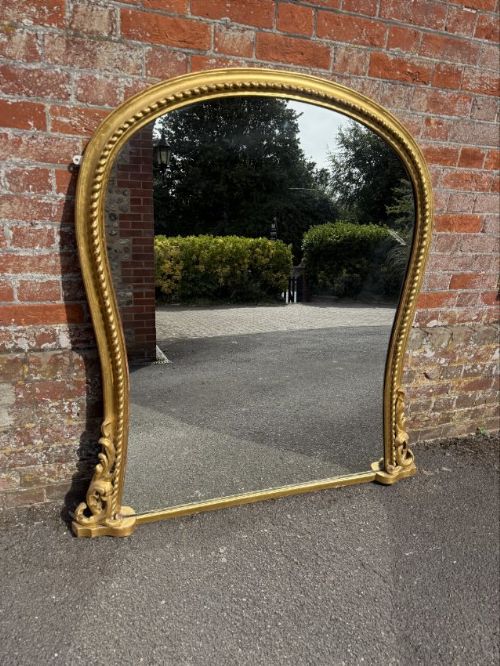
A gilded fireplace mantle mirror functions as a central decorative focus within a room, traditionally designed to sit directly upon the mantelpiece shelf or be secured to the wall immediately above it. These items appear predominantly in large formats with horizontal or vertical emphasis, created to draw the eye and amplify natural daylight within nineteenth-century interiors.
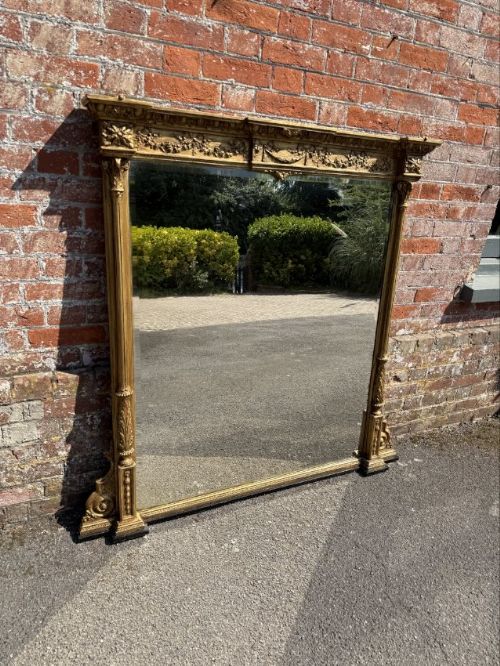
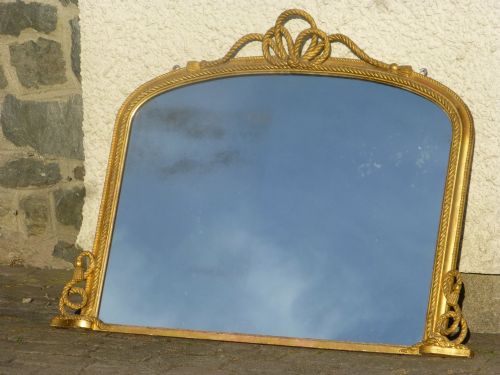
The pieces on this page span the Regency, Victorian, and Edwardian eras, showcasing styles from formal classical designs to exuberant French Rococo revivalism. Arched top forms and triple plate configurations recur frequently, reflecting the architectural scale and decorative ambitions of period drawing rooms.
Materials and construction
Makers constructed the structural frames of these mirrors using carved wood, applying layers of gesso to build up smooth surfaces and intricate ornamental relief details before finishing with gold leaf or gilding. This combination of wood and gesso allowed artisans to sculpt elaborate rope twists, columns, and cartouches that held their definition sharply.
Mirrors utilise silvered glass, occasionally supplied as multiple plates within a single frame to span wide chimney breasts. The joinery and framing methods prioritised structural rigidity to support the considerable weight of heavy glass and ornate mouldings.
Listings feature periods spanning from the Regency era through the Victorian epoch to Edwardian times, utilising materials such as gesso, giltwood, and mirror glass.
Distinctions in quality
The sophistication of the carved wooden ornament and the crispness of the gesso mouldings separate standard production items from exceptional works. Finer examples display deeply undercut carving and meticulous application of gold leaf rather than simpler painted or composition finishes.
Proportion and scale dictate the visual success of the piece, with superior examples maintaining harmonious balance across large surfaces without distortion in the mirror glass or heaviness in the frame.
The Gilded Fireplace Mantle Mirror Glossary
- Giltwood
- Wood that has been coated with gold leaf. This material provides a warm, reflective metallic surface that ages with a soft patina.
- Gesso
- A plaster-like mixture applied to wood frames and carved or moulded into relief decoration. It serves as the smooth base for subsequent gilding.
- Overmantel Mirror
- A large mirror specifically proportioned to hang on the wall above a fireplace mantel. These pieces were essential elements of period interior architecture.
- Cartouche
- An ornamental tablet or oval frame design, often decorated with scrollwork and placed centrally on the crest of a mirror. It forms a focal point for the upper moulding.
- Rococo Revival
- A nineteenth-century design style drawing on asymmetrical C-scrolls, naturalistic foliage, and shell motifs. It produced flowing, organic shapes on mirror frames.
Gilded Fireplace Mantle Mirror: Frequently Asked Questions
How do I secure an overmantel mirror safely?
Heavy period mirrors require robust wall fixings anchored directly into masonry or structural studs rather than relying solely on the mantelpiece shelf. Professional installation ensures the substantial weight of the timber and glass is supported securely.
Positioning the fixings at appropriate weight-bearing points prevents shifting and protects both the antique frame and the surrounding wall structure during everyday use.
Where should I position a mantle mirror?
Placing the mirror directly above the fireplace follows historical precedent and establishes a natural focal point within the room. This placement allows the glass to reflect light from opposing windows across the entire space.
Consider the height of the ceiling and the proportions of the fireplace opening to ensure the mirror commands the wall without overwhelming surrounding furniture.
How do I clean nineteenth-century gilt frames?
Dusting the carved and gilded surfaces requires a soft, dry brush to remove particles without disturbing delicate gesso or flaking gold leaf. Moisture can damage old gilding rapidly.
Avoid commercial cleaning sprays and chemical solvents entirely, as these substances strip historical finishes and permanently alter the appearance of the metal leaf.
What defines a Regency style mirror?
Regency designs lean towards classical architectural motifs, incorporating clean lines, columns, and symmetrical detailing influenced by neoclassical tastes. These pieces often feature restrained elegance compared to later Victorian exuberance.
The frames emphasise proportion and architectural harmony, suiting both period properties and contemporary minimalist interiors looking for a touch of structural contrast.