

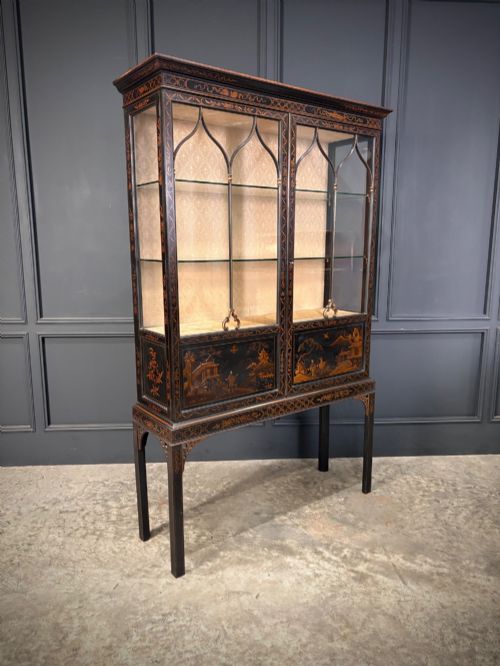
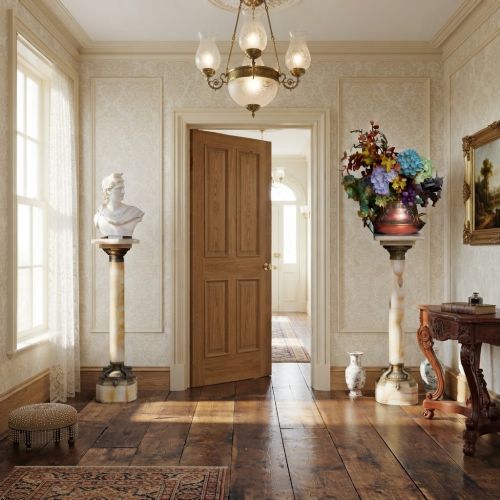
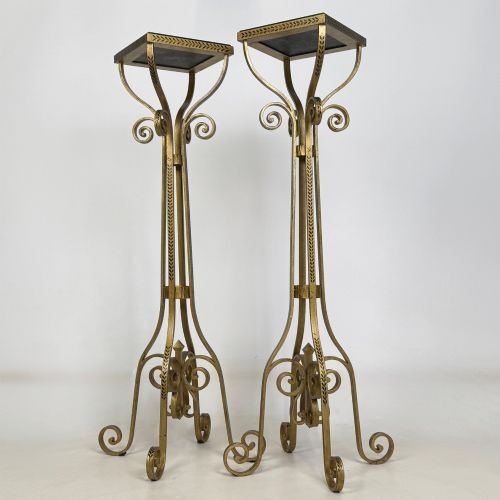
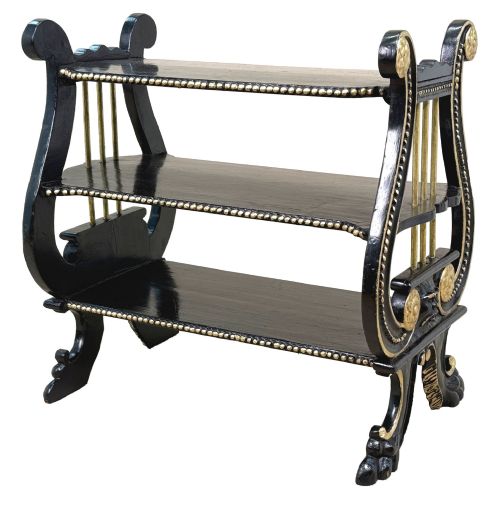
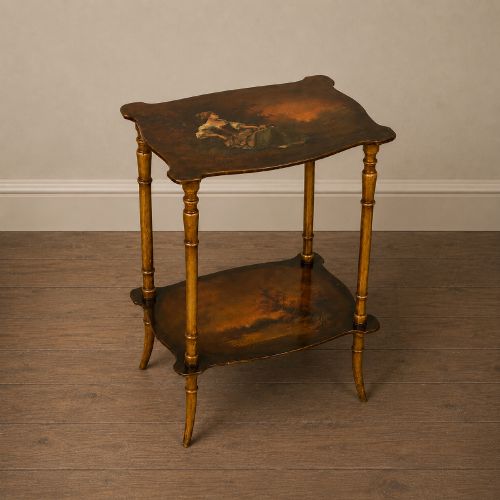
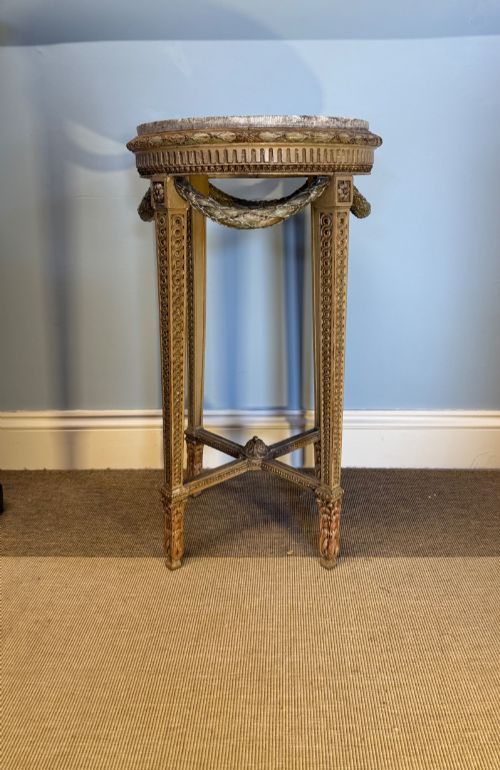


Gilded Display Stand
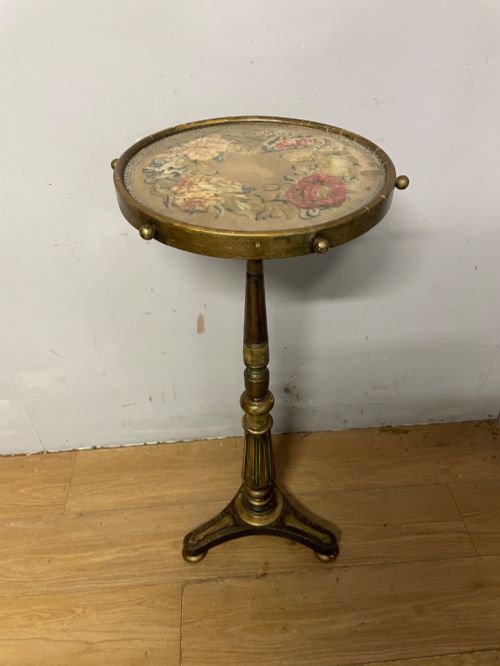
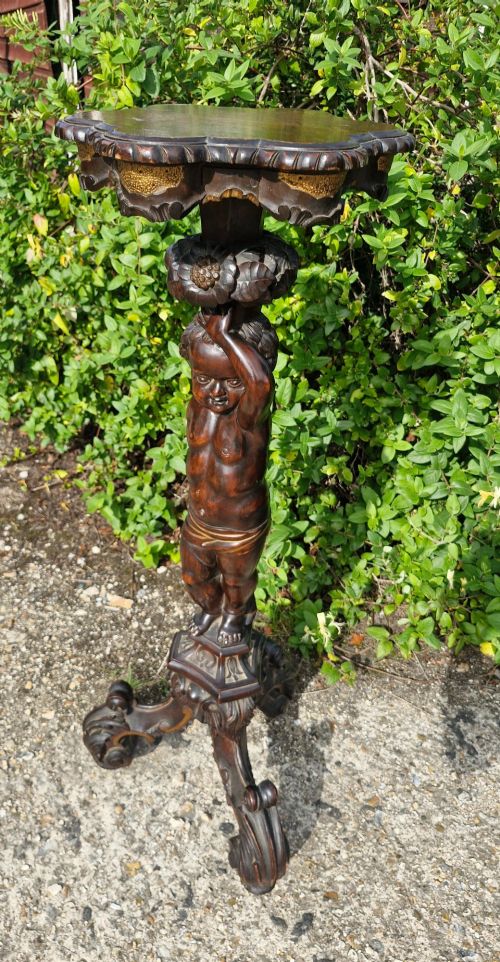
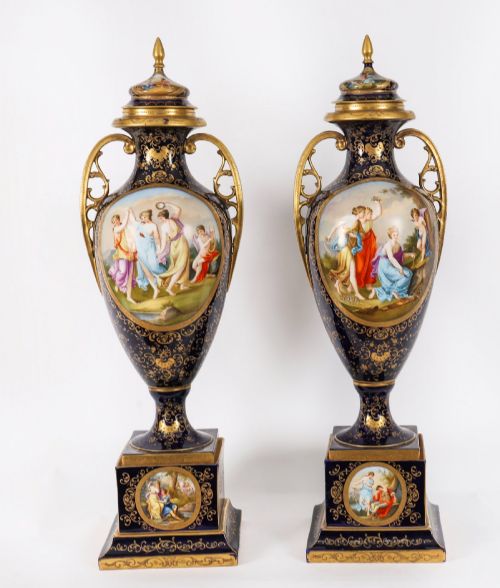
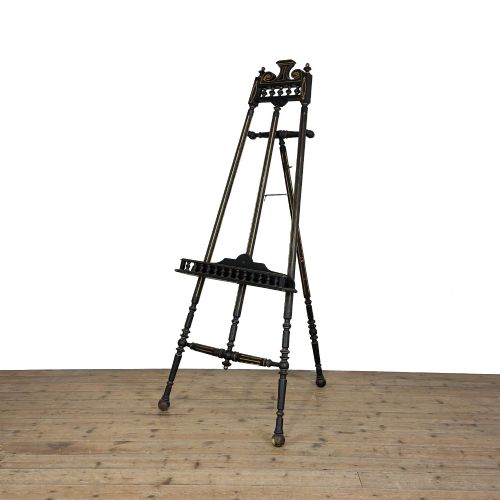
These gilded display stand pieces combine gold finishes with varied supports, offering an ornate platform for ornaments and vessels.
Gilded Display Stand
A gilded display stand encompasses tall torcheres, multi-tiered étagères, pedestals, and cabinets originating across the nineteenth and early twentieth centuries. Pieces frequently adopt styles such as French Chateau, Rococo Revival, Neoclassical, and Regency, reflecting European decorative traditions.
Buyers often encounter tall torchere columns and plant stands alongside glazed display cabinets and smaller side tables. These objects served to elevate specific items within a room, drawing the eye upward through vertical placement.
Origins range from Italian workshops to French ateliers, incorporating materials that command attention in interior settings. The selection includes both utilitarian supports and highly decorative display furniture.
Materials and Techniques
Carved wood provides the structural foundation for many examples, finished with applied gesso layers that accept gold leaf or parcel gilt treatments. Artisans shaped these organic components by hand to produce scrolling foliage and architectural mouldings.
Combinations of brass, ormolu, marble, onyx, and glass appear across pedestals and cabinets, introducing contrasting textures and resilient upper surfaces. Metal mounts secure marble columns and glass panels within the overall construction.
Gilded Display Stand Retail Price Guide 2026
Typical asking prices for gilded display stand among the pieces listed under this phrase on Sellingantiques today, from the lower quarter to the upper quarter. They describe what is for sale here now, not the wider market.
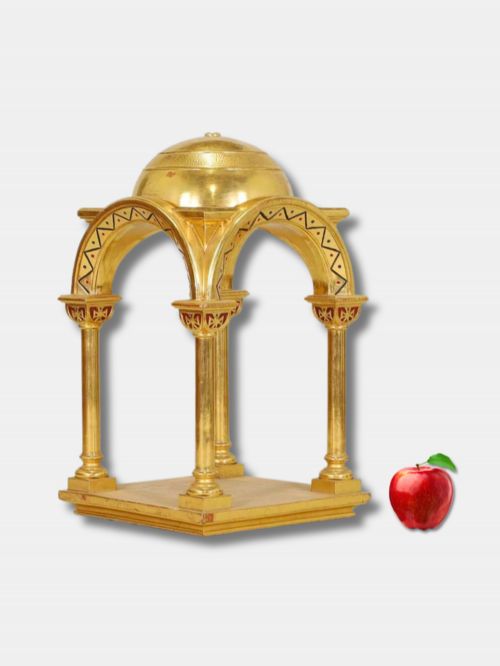
Several items double as miniature architecture, letting your favourite houseplant live out its days inside a gilded Greek temple.
Craftsmanship and Finish
Distinction lies in the depth of hand-carved detail within the wooden substrate and the crisp application of gold leaf over gesso. Superior examples maintain intact gilding without modern touch-ups obscuring the original surface.
The choice of secondary materials, such as genuine marble tops or heavy brass scroll bases, separates robust functional pieces from lighter decorative items. Structural integrity in joints and columns determines durability under weight.
The Gilded Display Stand Glossary
- Giltwood
- Wood that has been coated with gold leaf or gold paint. This technique creates a bright metallic sheen across carved decorative elements.
- Gesso
- A plaster mixture applied to wood surfaces as a preparation for gilding. It provides a smooth base that can be deeply carved.
- Torchere
- A tall stand or ornamental candlestick. These pieces function as elevated pedestals for lamps, vases, or planters.
- Ormolu
- Gilded bronze used for decorative furniture mounts and ornaments. It adds metallic contrast to wood and marble surfaces.
- Étagère
- A piece of furniture consisting of open shelves for displaying small objects. These tiered structures provide multiple display surfaces.
Gilded Display Stand: Frequently Asked Questions
Where should I place a torchere stand?
These tall supports suit corners or empty wall spaces where height adds balance to a room. They elevate lamps, urns, or sculptures above lower furniture.
Ensure the base rests securely on level flooring, particularly when displaying heavier marble or porcelain vessels.
How do I clean giltwood furniture?
Dust surfaces gently using a soft, dry feather duster or a clean microfibre cloth. Avoid pressing down on raised gesso or gold leaf details.
Water and chemical cleaning agents can strip delicate metallic finishes, so moisture should be strictly avoided.
Can these cabinets support heavy objects?
Display cabinets and vitrines with wooden or glass shelves handle moderate decorative items and porcelain collections safely. Weight limits depend on the thickness of internal shelving and frame construction.
Heavy stone or bronze pieces require floor-standing pedestals or reinforced marble columns rather than elevated cabinets.
How do I identify Regency pieces?
Regency items often display strict Neoclassical symmetry, classical motifs, and simulated marble finishes. Proportions tend to follow ancient Greek and Roman architectural rules.
Construction methods from this period include specific joinery techniques and traditional finishing materials distinct from later Victorian manufacturing.