






Gilded Cranberry Glass
Gilded cranberry glass pieces are vibrant red vessels adorned with rich gold leaf, bringing warmth and striking colour to any room.
Gilded Cranberry Glass
When you search for gilded cranberry glass, you are looking at nineteenth-century and early twentieth-century decorative vessels, lighting components, and table accessories. These items span the Victorian and Edwardian eras, coming from English, French, and Bohemian makers.
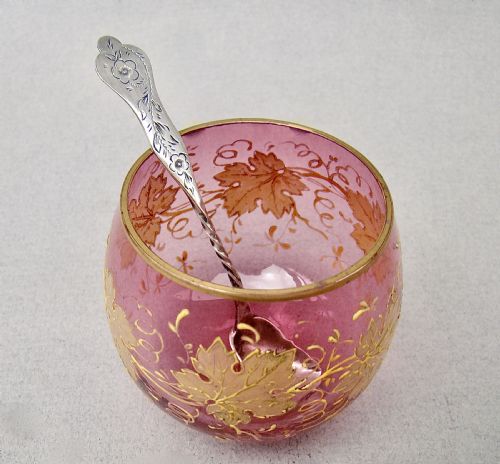
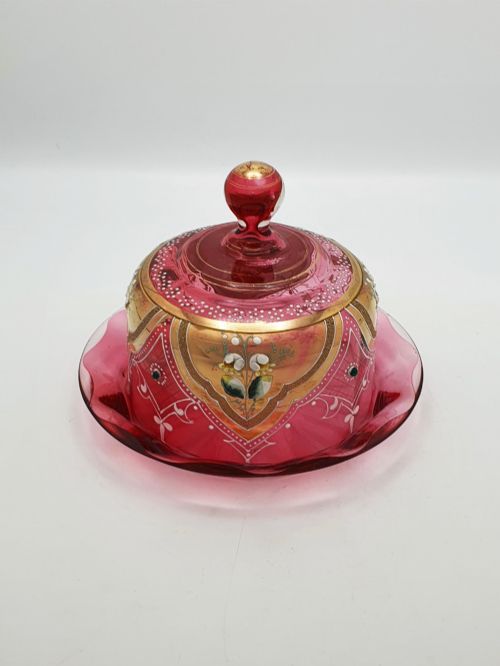
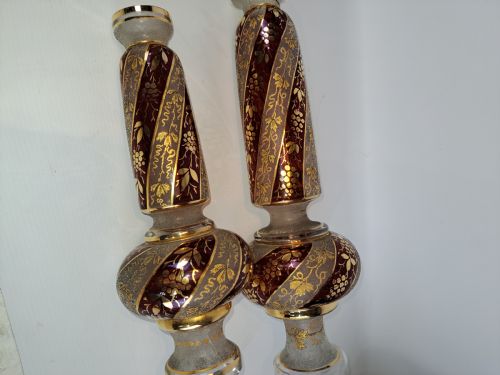
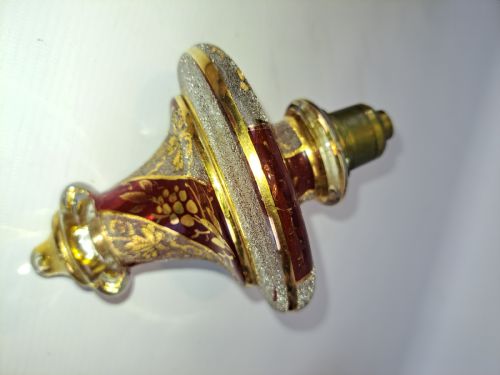
You are most likely to meet vases, covered cheese dishes, perfume bottles, and chandelier components on this page. They range from small salt cellars with silver spoons to large panelled ovoid vases.
The objects combine deep red hues with gold leaf ornamentation, sometimes featuring enamel work or frosted surfaces. They bridge domestic utility and ornamental display.
How they were made
The makers formed these objects from ruby glass, cranberry glass, and red glass, often layering or casing the material to achieve depth of colour. Skilled artisans shaped the molten glass into vases, bowls, and stems before applying decorative finishes.
Guilding and gold leaf were applied to the glass surface, frequently accompanied by etching, engraving, or enamel details. Metal work, brass, and silver were integrated into items like perfume bottles, hanging lights, and salt cellars.
Gilded Cranberry Glass Retail Price Guide 2026
Typical asking prices for gilded cranberry glass among the pieces listed under this phrase on Sellingantiques today, from the lower quarter to the upper quarter. They describe what is for sale here now, not the wider market.
Even a humble mustard pot or salt cellar received a generous brushing of gold leaf to brighten Victorian breakfast tables.
What varies in quality
Quality rests in the crispness of the etching and the precision of the gilding applied over the cranberry and ruby glass. Pieces with intact, hand-applied gold leaf and detailed enamel work show a higher level of craftsmanship.
The weight of the glass, the clarity of the overlaid panels, and the integration of components like silver spoons or gilded metal work distinguish standard domestic items from finer decorative pieces.
Moser
The Gilded Cranberry Glass Glossary
- Cranberry glass
- A transparent pinkish-red glass created by adding gold chloride to the molten batch. It forms the foundation for many nineteenth-century tablewares and decorative objects.
- Gilding
- The application of gold leaf or gold paint to the surface of glass or metal. This technique highlights etched patterns and rims on Bohemian and Victorian pieces.
- Ruby glass
- A deep red glass variety similar to cranberry glass, frequently utilised in nineteenth-century Bohemian vases and chandelier bowls. It provides a darker, richer tone.
- Tazza
- A shallow ornamental cup or plate raised on a standard and foot. These pieces were often produced in ruby glass with gilded decoration.
- Enamel
- Opaque coloured glass paste applied to the surface of glassware and fired to fuse. It adds secondary colours and opaque motifs to the red glass.
Gilded Cranberry Glass: Frequently Asked Questions
How do I identify Bohemian pieces?
Bohemian pieces often feature heavy overlay, frosted surfaces, and intricate etching combined with rich gilding. These characteristics appear on nineteenth-century vases and chandelier bowls.
Look for panelled ovoid shapes and distinct ruby glass tones that typify Central European production from the period.
Were these items used daily?
Many items served practical functions on the dining table or dressing table, including salt cellars, covered cheese dishes, and perfume bottles. Other pieces, such as large vases and chandelier components, were purely decorative.
Owners integrated them into period interiors for both utility and display, pairing the red glass with silver spoons and gilded metal work.
How do I care for gilded glass?
Wash these items gently by hand in lukewarm water using a mild detergent. Avoid harsh scrubbing that can damage the delicate gold leaf and enamel decorations.
Keep them away from direct heat and abrasive materials to preserve the surface finish of the glass and metal components.