
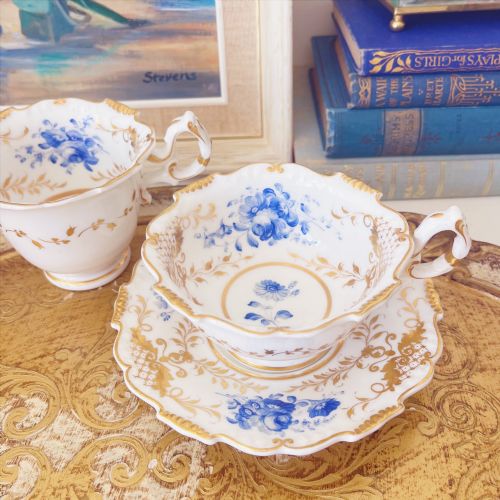
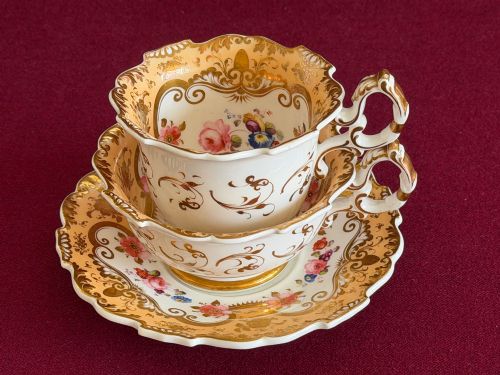
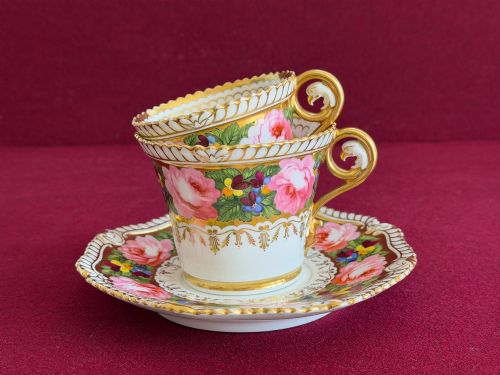
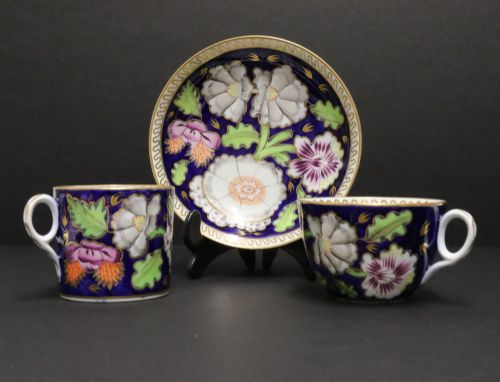
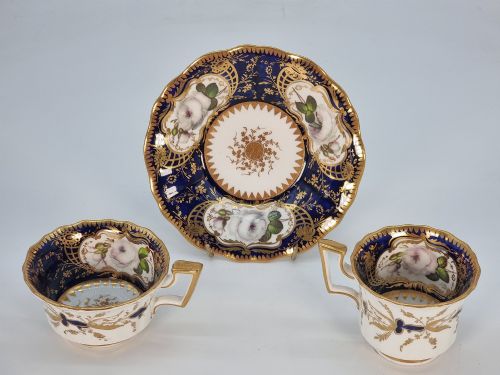
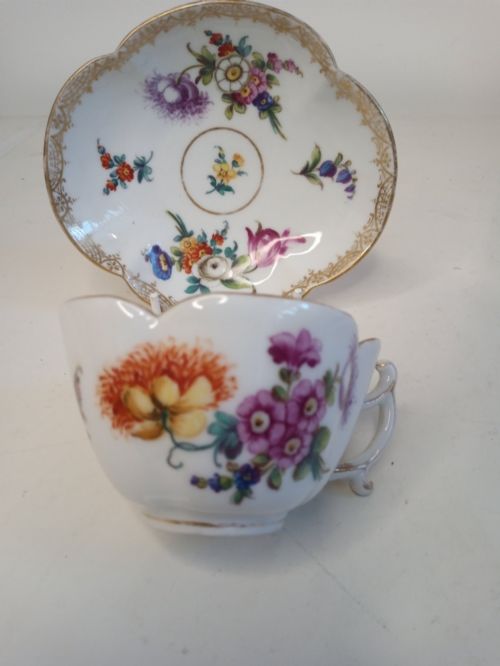
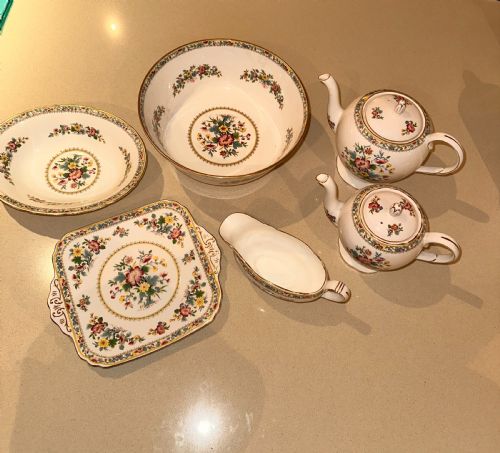


Gilded China Tea Set
A gilded china tea set brings the refined elegance of Georgian and Victorian tables straight into daily use with gleaming metallic highlights.
Gilded China Tea Set
A gilded china tea set comprises coordinated vessels designed for serving tea, ranging from compact trios of teacups, saucers, and plates to extensive multi-person services. When searching this phrase, a buyer meets everything from individual cabinet trios to large afternoon gatherings setups.
The material takes many forms across the evidence, appearing primarily as bone china and porcelain adorned with meticulous hand-painted details. Makers span Georgian, Regency, Victorian, and Edwardian periods, alongside later twentieth-century output.
Forms include teacups and saucers, complete tea sets, and larger dinner services incorporating sugar boxes and cream jugs. These items reflect centuries of British ceramic artistry designed to elevate the ritual of tea.
How They Were Made
Potters shaped fine porcelain and bone china bodies before applying intricate hand-painted motifs and enamel colours. Artisans then integrated gold leaf, gilt, and gold gilding to accentuate rims, handles, and delicate surface patterns.
Firing techniques evolved across the periods represented, allowing factories to achieve durable glazed surfaces capable of holding radiant metallic decorations. Skilled decorators combined brushwork with metallic application to create lasting visual depth.
Listings feature porcelain and bone china items spanning the Georgian, Regency, Victorian, and Edwardian periods.
What Varies in Quality
The distinction between standard output and the finest examples rests upon the precision of the hand-painted artistry and the purity of the porcelain body. Superior pieces exhibit crisp enamel work alongside generous, well-preserved applications of gold leaf rather than plain transfer printing.
Makers known for exceptional potting standards and artistic collaboration, such as Worcester or Coalport, often distinguish the upper tier of the range. The integration of balanced forms and well-defined patterns completes the higher grade of these wares.
H & R Daniel·Chamberlain Worcester·Newhall porcelain·Derby porcelain·Flight Barr & Barr·Hicks, Meigh & Johnson·Royal Davenport·Royal Worcester·Doric China Longton Stafford·Ridgway Porcelain·Minton·Masons Patent Ironstone China·Davenport·Wileman Foley Shelley·Spode·Royal Crown Derby·Gladstone potteries
The Gilded China Tea Set Glossary
- Cabinet trio
- A matched set comprising a teacup, saucer, and matching tea plate intended for display rather than robust daily use.
- Bone china
- A type of soft-paste porcelain incorporating bone ash, known for its milky translucency and remarkable strength.
- Gilding
- The application of gold leaf or gold powder to ceramic surfaces to provide a lustrous metallic finish.
- Sucrier
- A small covered vessel designed specifically for holding lump or granulated sugar during tea service.
- Kakiemon
- An asymmetric Japanese enamel style featuring distinct floral and animal motifs adopted by various European porcelain factories.
Gilded China Tea Set: Frequently Asked Questions
What is included in a tea trio?
A tea trio typically consists of a teacup, a matching saucer, and a small side or tea plate. This combination formed the standard individual place setting for formal tea drinking.
Many collectors seek out complete trios from specific periods to understand the stylistic shifts of historic ceramic houses.
How do I care for antique gilt china?
Antique gilt china requires gentle hand washing in lukewarm water with mild soap to preserve the delicate gold leaf and enamel decorations. Dishwashers and abrasive sponges will quickly wear away the metallic highlights.
Storing pieces with padded dividers between stacked plates prevents scratching on the glazed and gilded surfaces.
Can I use these sets for serving tea?
Many robust porcelain and bone china sets remain entirely functional for gentle daily use or special occasions. Sturdier Victorian and Edwardian services handle warm liquids safely when handled with care.
Delicate early nineteenth-century cabinet pieces are better reserved for light display or occasional careful handling due to their age.
How do I identify the period of a set?
Identifying the period involves examining the factory marks stamped or painted on the underside of the porcelain, alongside the style of painting and shape of the handle. Different eras favoured distinct floral motifs, gilding patterns, and ceramic bodies.
Comparing pattern numbers and shape names with historical factory records helps pinpoint the exact decade of manufacture.