



Gilded Ceramic Saucer
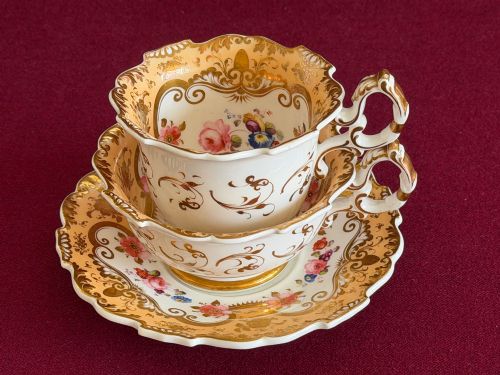
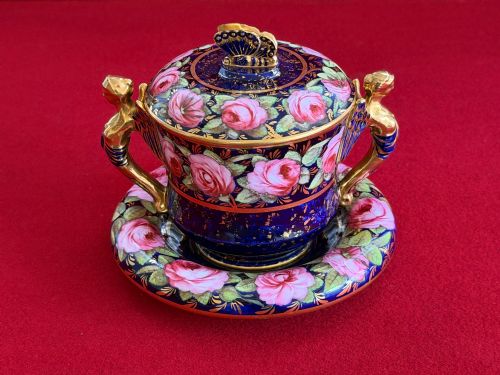
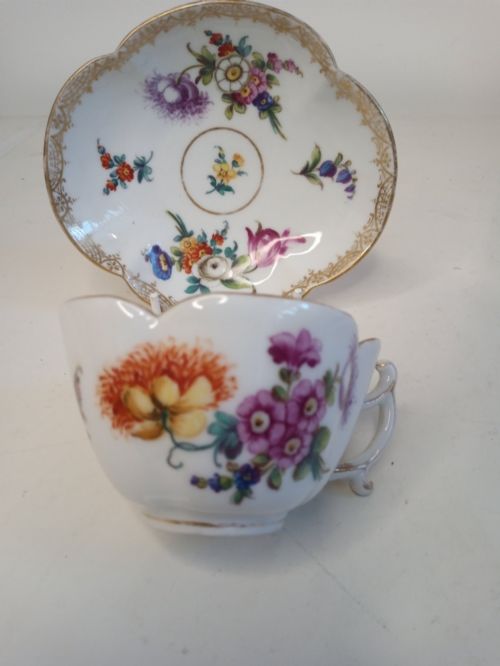
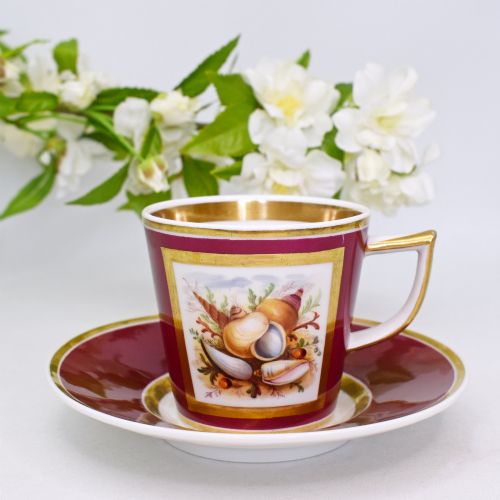
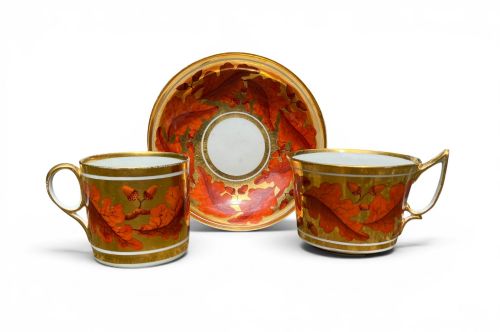
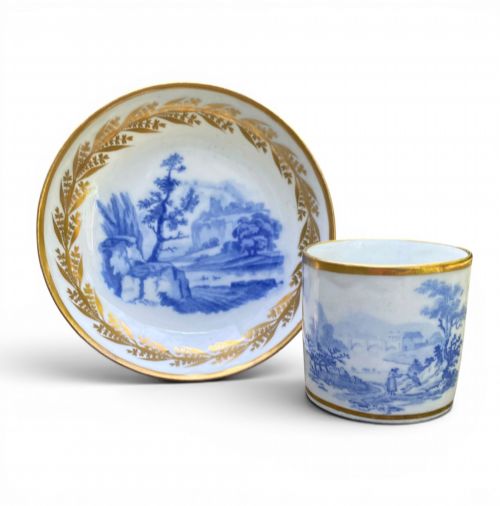
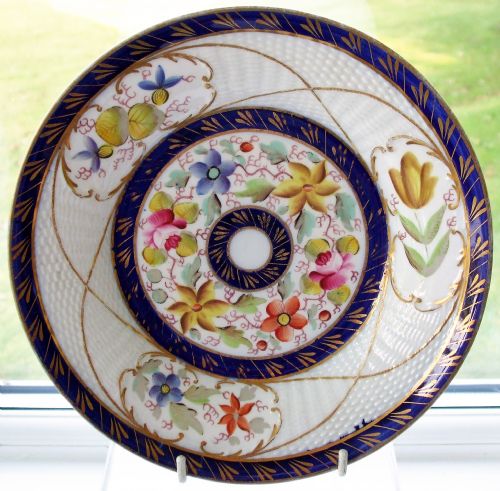
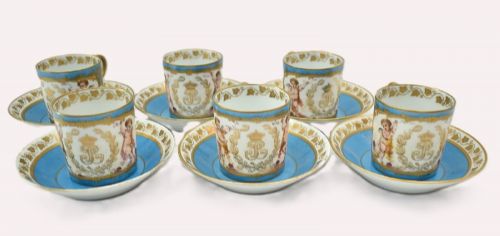
A gilded ceramic saucer brings refined craftsmanship to the table, combining delicate ceramic bodies with gleaming metallic accents.
Gilded Ceramic Saucer
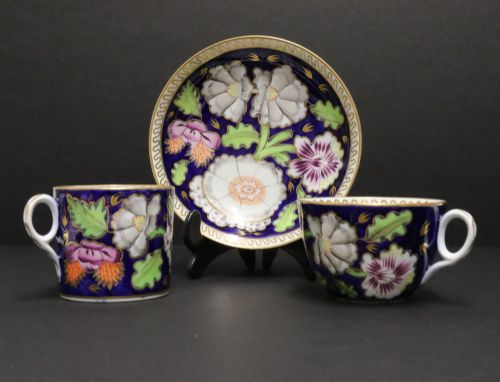
A gilded ceramic saucer represents a convergence of ceramic artistry and metallic embellishment found within historical tea and coffee wares. When exploring gilded ceramic saucer options, buyers encounter forms ranging from eighteenth-century soft-paste tea bowls to robust nineteenth-century ironstone sets.
The selections span distinct periods such as the Georgian era, the Regency period, and later Victorian developments. Items appear as standalone cabinet pieces or as surviving elements of larger breakfast and afternoon tea services.
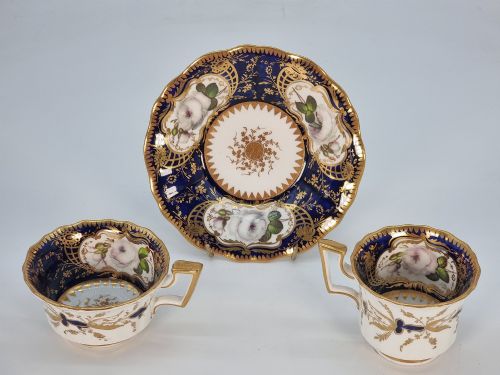
Origins stretch across English factories like Worcester and Derby alongside continental European and Asian traditions. The primary focus remains on the saucer component, whether presented individually or paired with matching cups and trios.
Materials and construction
Potters utilised hard-paste porcelain, soft-paste porcelain, bone china, and ironstone as the foundational ceramic bases for these items. Artisans shaped these materials on wheels or pressed them into moulds before initial firing.
Surface decoration involved hand-painted enamel pigments applied alongside gold leaf, gilt, and gold gilding. Subsequent low-temperature firings bonded the metallic elements permanently to the glazed ceramic surface.
Some nineteenth-century tea sets included bat-wing patterns printed from copper plates using grease rather than ink.
Evaluating standard and execution
Quality differentiates through the precision of the hand-painted brushwork and the purity of the applied gold embellishments. Superior examples display crisp botanical or avian motifs executed by skilled factory artists rather than routine factory output.
The preservation of the metallic surface during centuries of use dictates the desirability of an item. Intact gilding without extensive rubbing indicates careful historical handling and superior original kiln adherence.
Spode·Coalport·Royal Worcester·New Hall·Davenport
The Gilded Ceramic Saucer Glossary
- Cabinet plate
- A decorative ceramic dish intended for display in a cabinet rather than functional dining use. These items usually feature elaborate painted scenes and heavy gilding.
- Soft-paste porcelain
- An artificial porcelain composition fired at lower temperatures than hard paste, developed in Europe during the eighteenth century to replicate Asian wares. It presents a warm glaze texture highly receptive to enamels.
- Tea bowl
- A handleless drinking vessel used historically before the widespread adoption of cups with handles. They accompany matching saucers in early sets.
- Imari
- A decorative style originating in Japan characterised by iron red, underglaze blue, and extensive gold highlights. European potteries frequently copied these distinct colour schemes.
- Coffee can
- A cylindrical ceramic cup designed specifically for consuming strong coffee, typically taller and narrower than a standard teacup.
Gilded Ceramic Saucer: Frequently Asked Questions
What is a gilded ceramic saucer?
A gilded ceramic saucer is a small ceramic plate designed to hold a cup, featuring applied gold leaf or metallic paint accents. These objects date across multiple historical periods and reflect prevailing aesthetic movements.
They appear both as individual survivors and as part of comprehensive tea services. Their manufacture combined traditional ceramic throwing with meticulous metal application.
How were these saucers used historically?
Historically, these saucers functioned within formal tea and coffee drinking rituals among affluent households. Hot tea was often poured from the cup into the saucer to cool before consumption.
Over time, dining habits shifted, transforming these items from utilitarian table components into decorative display pieces. Today they serve primarily as cabinet specimens or curated table settings.
How do I care for antique gilded ceramics?
Careful maintenance preserves the fragile metallic details on antique ceramic surfaces. Hand washing using mild soap and warm water prevents the deterioration of historic gold leaf and enamel.
Harsh abrasives, ultrasonic cleaners, and modern dishwashers permanently damage the historic glaze and gilding. Storage should involve soft padding between stacked items to avoid friction marks.
How can I identify the period of a saucer?
Dating relies on observing paste composition, factory marks, and stylistic characteristics. Eighteenth-century pieces often utilise soft-paste bodies with hand-pencilled motifs, while Regency examples favour bright enamels and distinct handle shapes.
Cross-referencing recorded factory patterns and historical reigns provides accurate chronological placement. Subtle variations in clay weight and gilding texture assist in distinguishing eras.