




Gilded Ceramic Figure
A gilded ceramic figure brings the hand of the modeller and the shine of gold together into a lasting decorative centrepiece.
Gilded Ceramic Figure
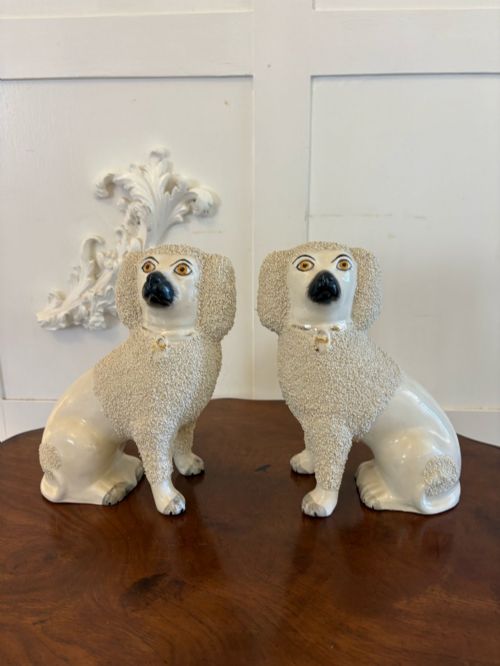
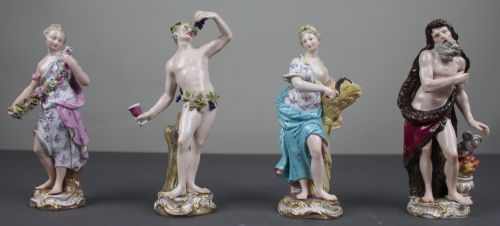
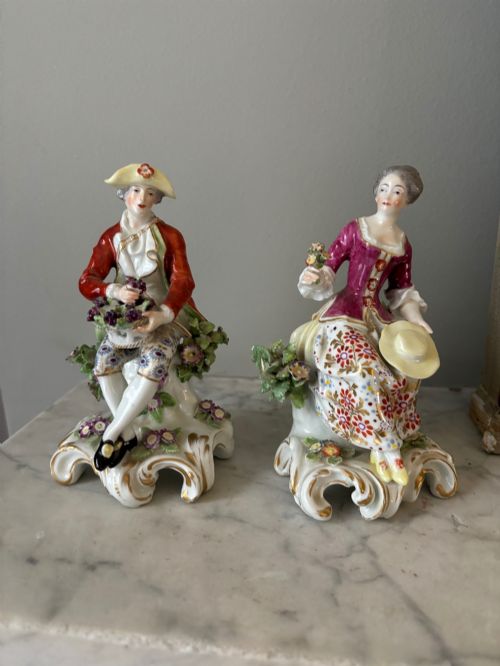
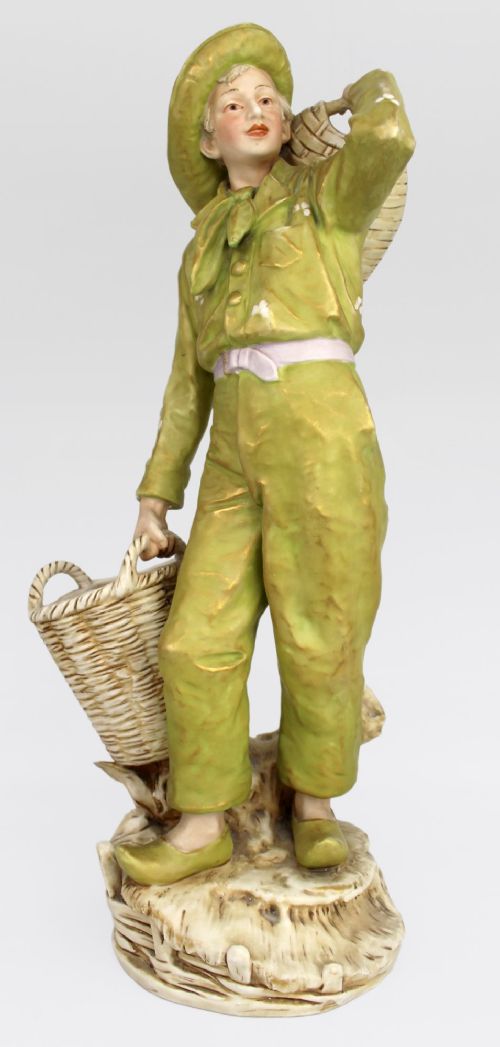
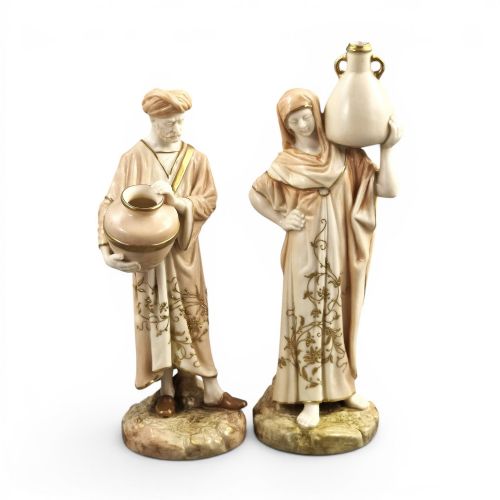
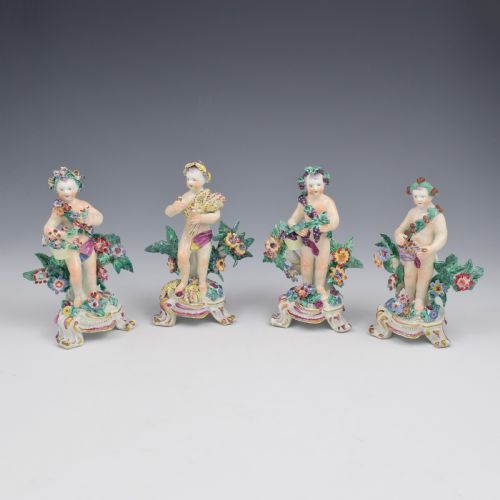
A gilded ceramic figure combines modelled clay or porcelain with applied metallic highlights, capturing subjects ranging from classical allegories to domestic animals and exotic studies. These objects span several centuries of production, originating from European porcelain factories and Japanese pottery traditions alike.
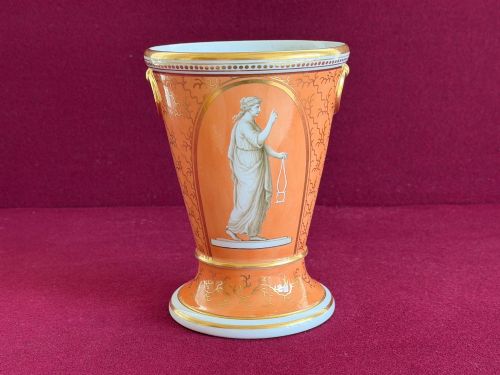
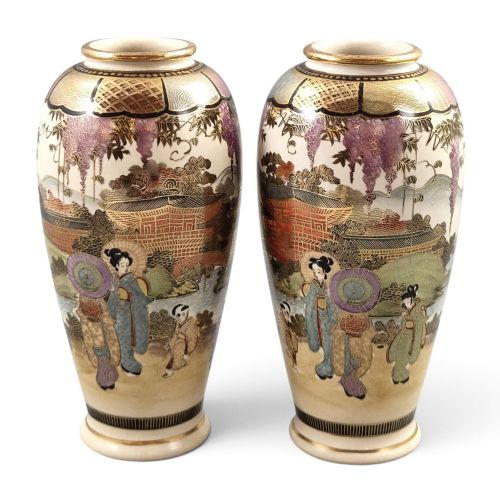
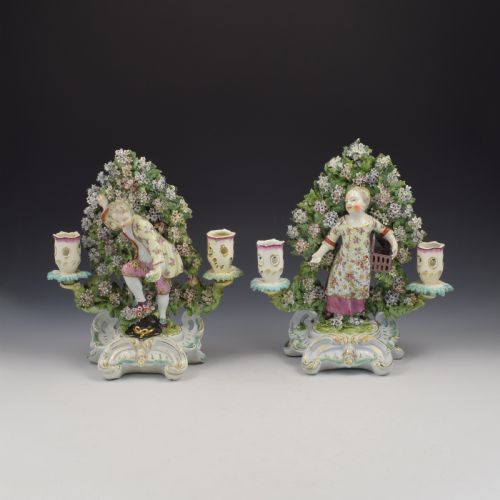
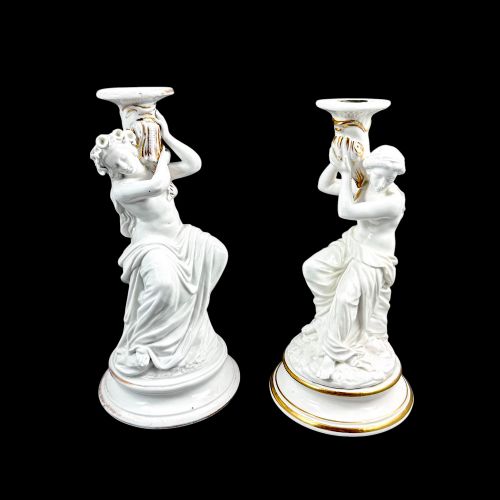
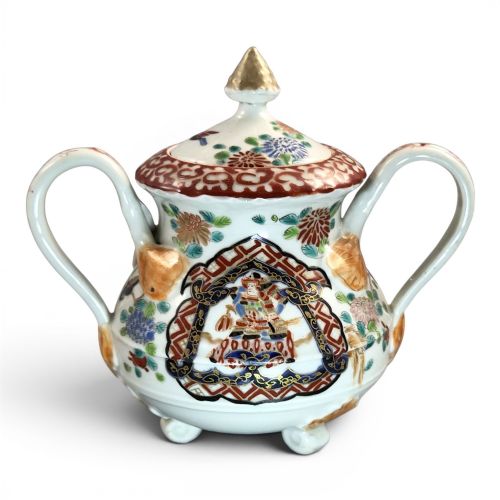
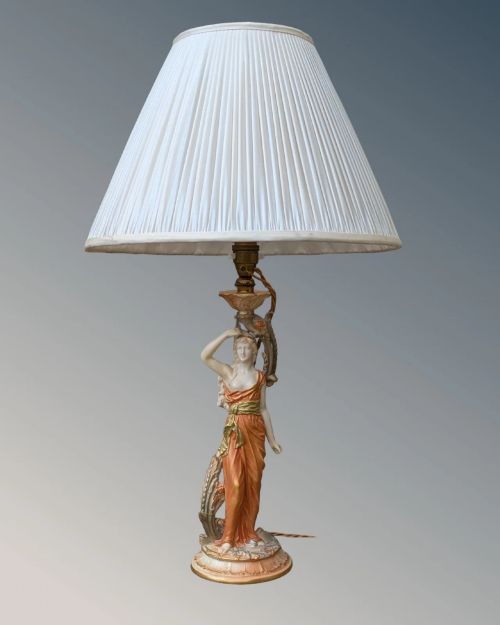
The pieces appearing on this page most frequently take the form of nineteenth-century European porcelain figures and Japanese Satsuma wares. Buyers will encounter allegorical groups, figural candlesticks, and decorative vessels adorned with gold leaf, enamel, and gilt details.
Materials and Techniques
Potters shaped these figures using soft-paste porcelain, hard-paste porcelain, earthenware, or terracotta, often forming them in moulds before hand-finishing details such as drapery and facial expressions. Once fired, artisans applied painted enamels alongside gold leaf or liquid gold to highlight garments, hair, and architectural elements.
The application of gilding required a secondary firing to bond the metal to the glazed ceramic surface, after which craftsmen burnished the gold to create a contrasting matte and reflective finish.
Materials represented across the catalogue include hard-paste porcelain, earthenware, terracotta, enamel, and gold leaf.
Distinctions in Quality
The quality of the gilding itself creates a distinct hierarchy, with burnished gold leaf offering a richer depth than flat, unburnished metallic paint. Furthermore, the complexity of the composition and the reputation of the factory distinguish standard production pieces from exceptional works.
Flight and Barr Worcester·Meissen Porcelain Factory·Royal Dux Bohemia·Royal Worcester·Bow Porcelain Factory·Derby Porcelain·Carl Thieme Dresden
The Gilded Ceramic Figure Glossary
- Bocage
- An applied background of ceramic leaves and branches often found behind eighteenth-century figures. This leafy arbor surrounds the subject to create a wooded effect.
- Gilding
- The application of gold leaf or gold dust to the surface of ceramics. This process enhances decorative borders, garments, and architectural motifs.
- Hard-Paste Porcelain
- A dense, vitrified ceramic compound composed of kaolin and petuntse. It fires at extremely high temperatures and resists scratching.
- Moriage
- A decorative technique used in Japanese ceramics where slip is piped onto the surface to create raised designs. These textured details are frequently gilded or enamelled.
- Soft-Paste Porcelain
- An artificial ceramic body made from glass and clay mixtures. It possesses a warmer lustre and softer glaze than hard-paste porcelain.
Gilded Ceramic Figure: Frequently Asked Questions
What are gilded ceramic figures?
These pieces are three-dimensional ceramic sculptures made from porcelain, earthenware, or terracotta that feature applied gold leaf or metallic paint. They represent human subjects, animals, and allegorical scenes.
Craftsmen across Europe and Japan produced them as decorative objects for mantlepieces, sideboards, and drawing rooms.
How were they used historically?
Historically, wealthy households displayed these figures on dining tables as part of elaborate dessert services or arranged them on decorative furniture. Some double as functional objects such as candlesticks, vases, or jardinières.
They served as conversational centrepieces that demonstrated the owner's taste and appreciation for fine craftsmanship.
How should I display them?
Display these figures in stable environments away from direct sunlight and heavy foot traffic to protect fragile elements like protruding fingers or applied floral work. Enclosed cabinets provide the best protection against dust and accidental knocks.
Ensure adequate spacing around each piece so the gilded highlights catch the room's light effectively.
How do I distinguish different periods?
Distinguishing periods relies on examining paste types, glaze textures, factory marks, and stylistic traits such as Rococo curves or Victorian ornamentation. Eighteenth-century pieces often feature hand-modelled elements and soft glazes.
Nineteenth-century works tend to display heavier industrial moulding and brighter, more varied colour palettes.