


Gilded Cabinet Cup Saucer
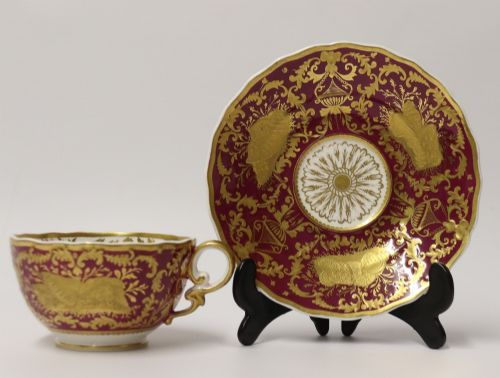
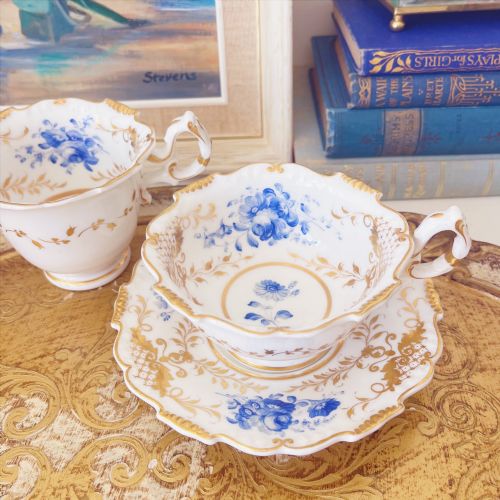
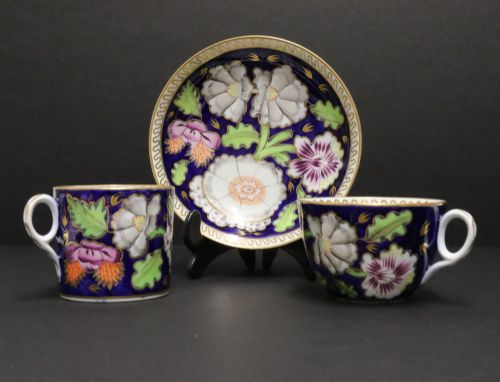
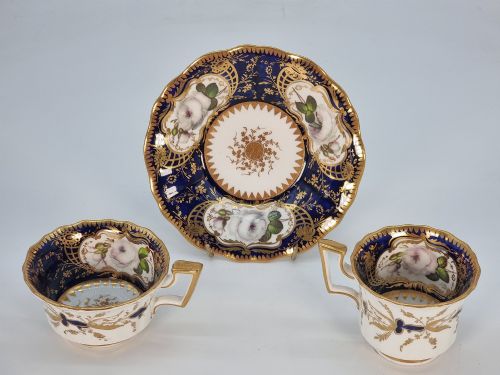
A gilded cabinet cup saucer is a decorative porcelain tea vessel meant for display rather than morning tea, prized for intricate hand-painted detail and rich gold leaf.
Gilded Cabinet Cup Saucer
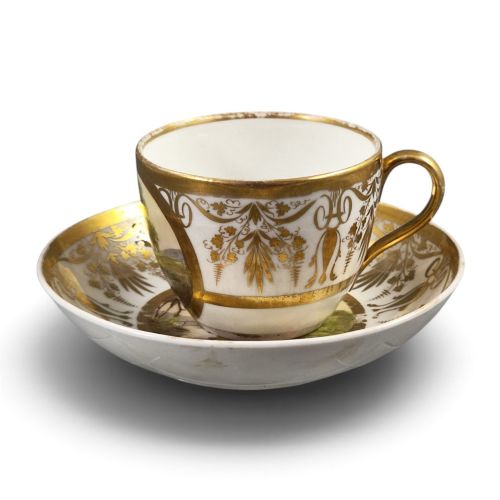
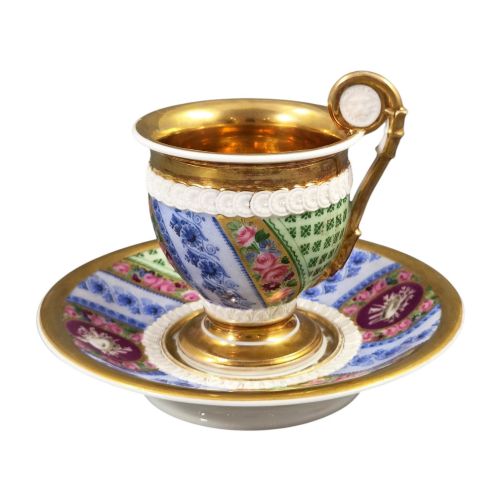
When you search for a gilded cabinet cup saucer, you are looking at small porcelain display pieces created to sit inside glass-fronted furniture rather than for daily use at the breakfast table. The examples available here span the Georgian and Regency eras through to the early twentieth century, taking the form of cabinet trios, demitasse cups, and pedestal vessels.
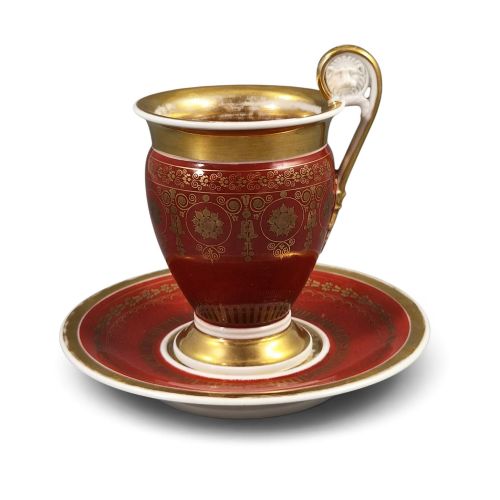
The English and continental pieces on this page originate from notable factories such as Coalport, Spode, and KPM Berlin. You will frequently encounter forms featuring hand-painted landscapes, figural scenes, or bold classical handles like the lion mask.
These items are defined by their delicate scale and ornamental purpose, distinguishing them from standard utility teaware. The surviving pieces often retain their matching saucers or stands, forming complete cabinet sets that demonstrate the height of ceramic design in their respective periods.
Judging quality in cabinet porcelain
Quality in these porcelain vessels rests upon the crispness of the moulding and the precision of the hand-painted decoration. Superior pieces display finely detailed miniatures, such as painted landscapes or portraits, executed with clear brushwork and controlled colour palettes.
The application of the gold leaf and gilding marks another division between ordinary production and high-end output. Finer items feature raised, burnished gold work that catches the light cleanly, whereas lesser examples show flat, rubbed application with little depth.
Several cups feature fierce lion mask handles, glaring down at anyone daring to sip from a display piece.
H & R Daniel·Newhall·Coalport John Rose·KPM Berlin·Spode·Hutschenreuther·Hirsch Dresden·Royal Worcester·Barr flight Barr Worcester·Davenport·Ridgeway
The Gilded Cabinet Cup Saucer Glossary
- Cabinet cup
- A decorative porcelain cup intended for display in a cabinet rather than functional drinking. These pieces usually feature elaborate hand-painting and substantial gilding.
- Demitasse
- A small cup used for serving strong black coffee or espresso. They appear frequently in nineteenth-century and later porcelain selections.
- Hard-paste porcelain
- A durable ceramic composition made from kaolin and petuntse fired at high temperatures. It produces a dense, bright white body standard in continental and English factories.
- Bone china
- A type of porcelain incorporating bone ash, which yields a translucent body with a warm white tone. English makers utilised this material extensively.
- Gilding
- The application of gold leaf or gold powder to the surface of porcelain. Artisans burnish the metal to create a reflective, metallic finish.
Gilded Cabinet Cup Saucer: Frequently Asked Questions
What is a cabinet cup and saucer?
A cabinet cup and saucer is a decorative porcelain set made for display rather than everyday use. Makers in the nineteenth century produced them specifically to showcase fine painting and gilding inside glass-fronted furniture.
These pieces tend to be smaller than standard teacups and often feature delicate handles, pedestals, and intricate landscape or floral scenes.
How were cabinet cups used?
These vessels were primarily ornamental, designed to demonstrate the wealth and refined taste of the owner inside a drawing-room cabinet. They were rarely used for drinking tea or coffee due to their delicate handles and heavy gilding.
Collectors displayed them singly or in matching trios alongside other high-status ceramics.
How do I date a porcelain cup?
Dating involves examining the factory marks, the composition of the porcelain body, and the painting style. Regency and Georgian pieces often feature hand-written pattern numbers and distinctive neo-classical shapes.
Later nineteenth-century examples introduce printed factory stamps and different enamel formulations that help narrow down the decade of manufacture.
Can I use antique cups for tea?
Using these items for hot drinks is generally discouraged because of their age, delicate structure, and the presence of gold leaf. Hand-washing is essential if they are handled at all, though most owners prefer to keep them safely on display.
Thermal shock from boiling water can also crack nineteenth-century hard-paste and bone china bodies.