

Gilded Bronze Sconce Pair
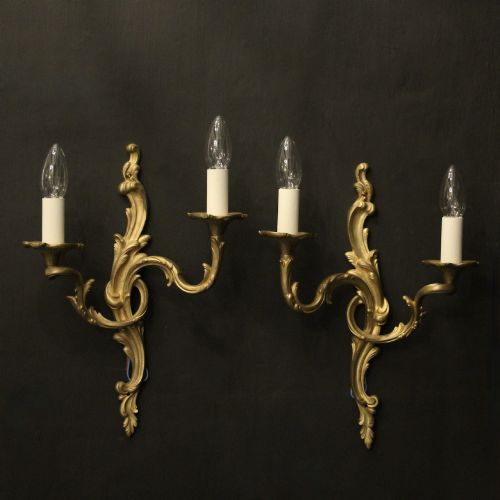
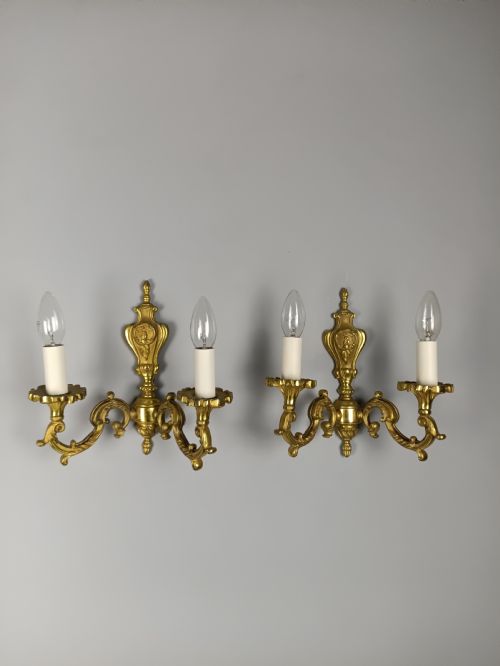
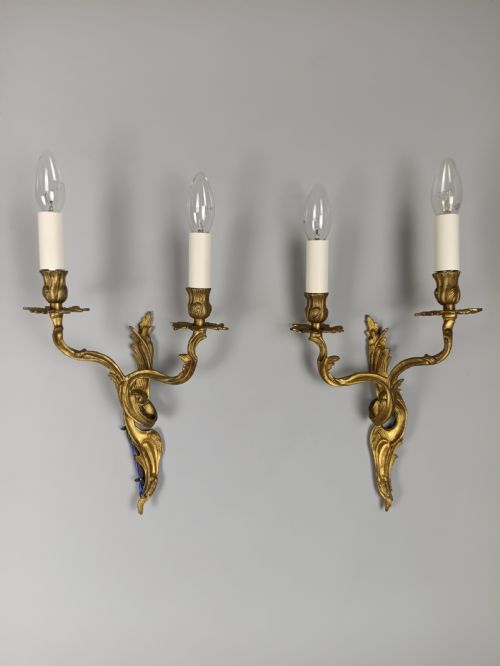
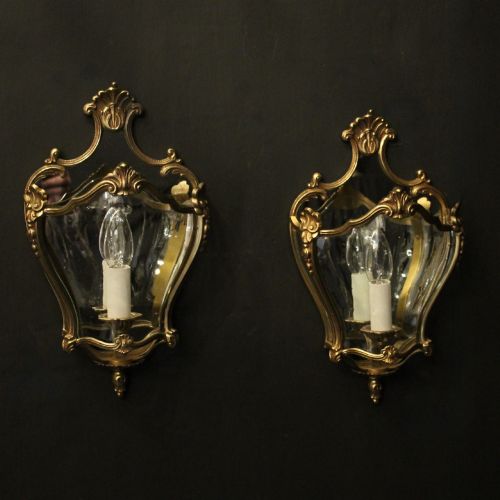
A gilded bronze sconce pair brings historical French illumination and decorative metalwork directly to an interior wall.
Gilded Bronze Sconce Pair
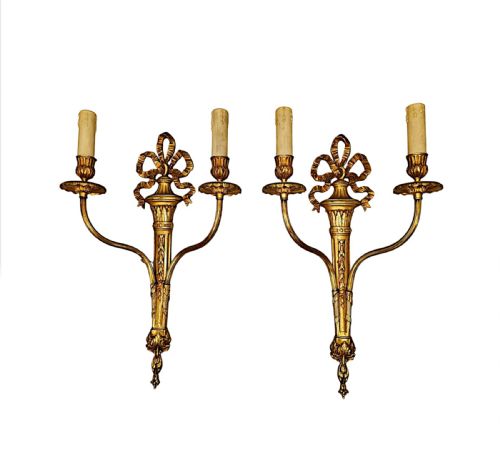
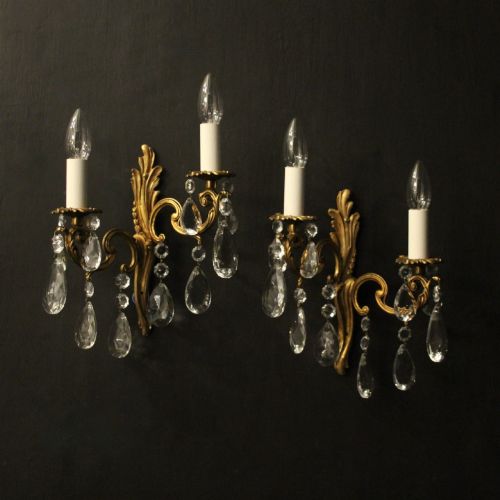
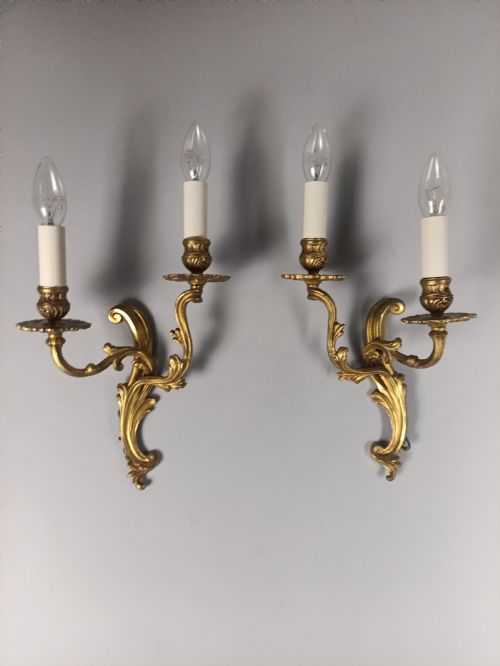
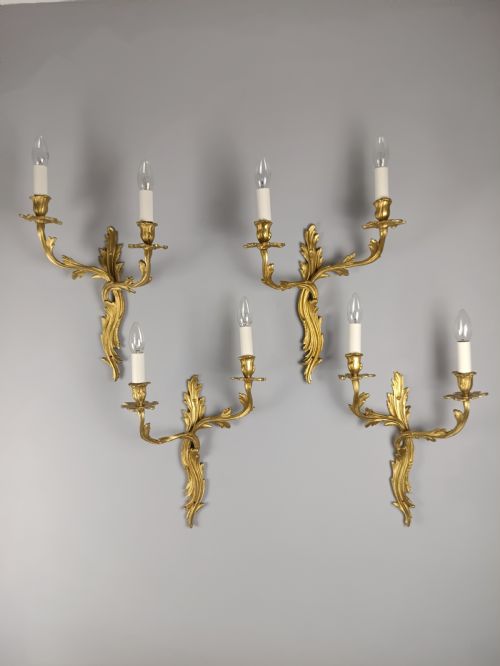
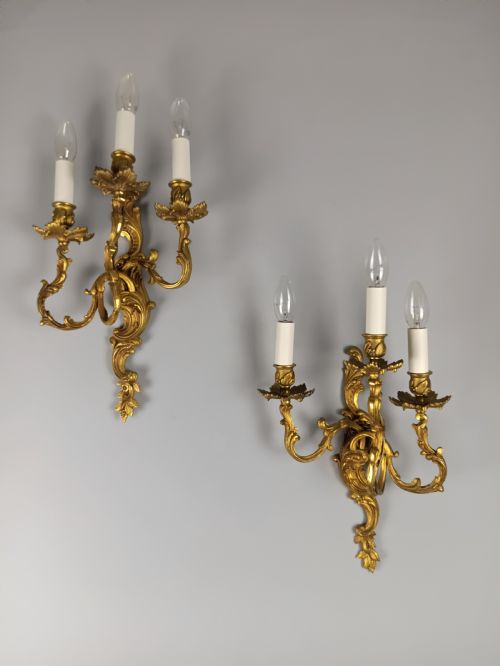
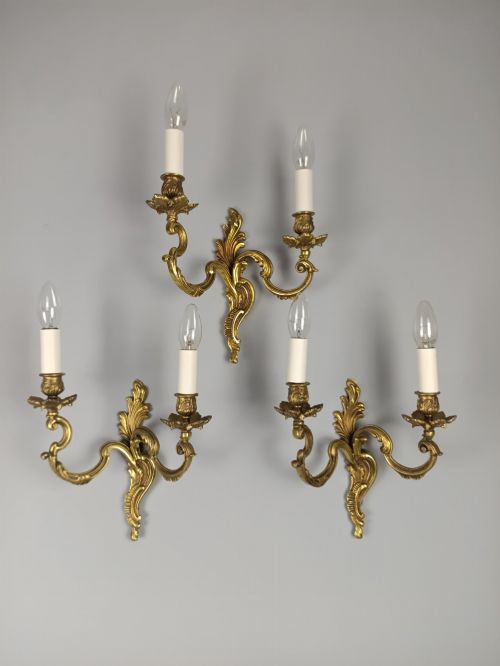
A gilded bronze sconce pair consists of matching wall-mounted light fittings designed to hold candles or electric lamps. These fixtures illuminate rooms while adding sculptural elegance to flanking spaces like mirrors, fireplaces or doorways.
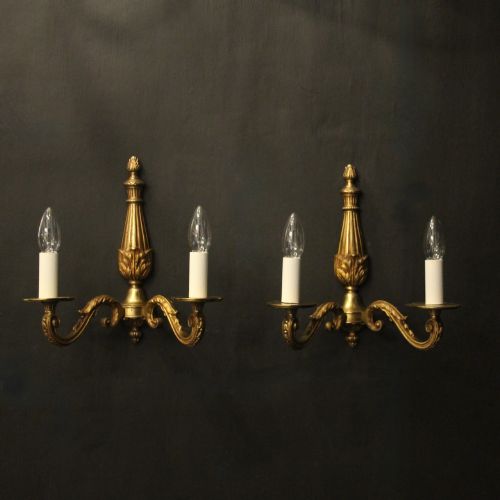
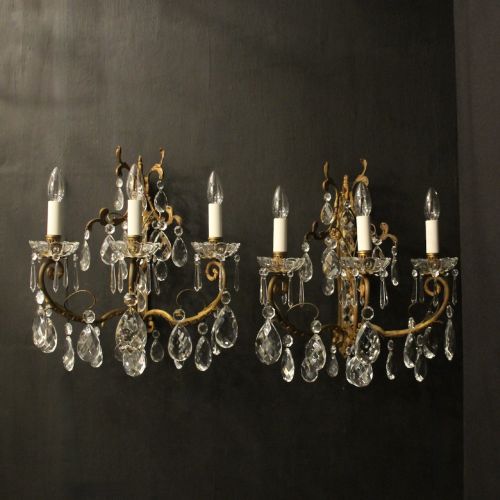
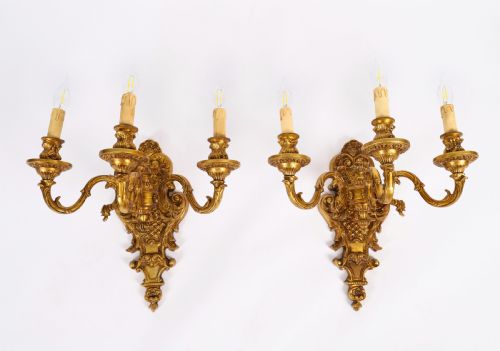
Buyers most frequently encounter French examples featuring twin or triple arms. The designs span from the nineteenth century into the early twentieth century, reflecting enduring historical revivals.
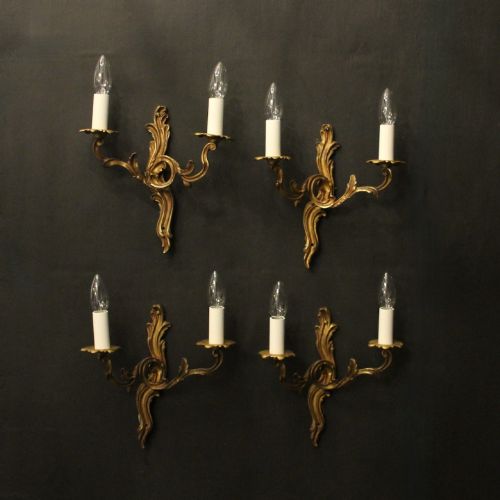
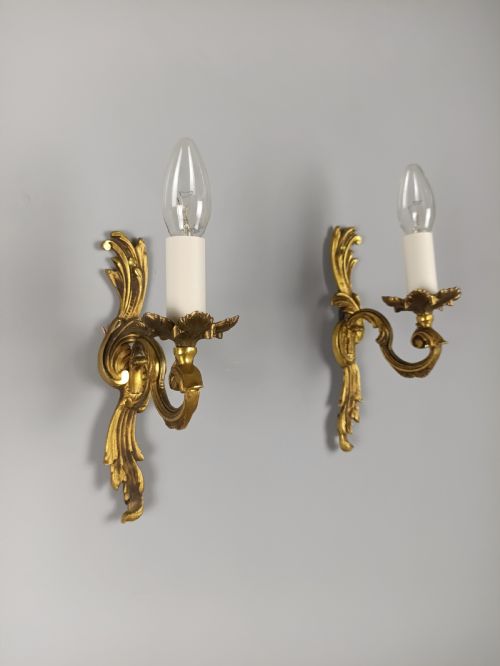
The configurations vary from simple single-arm brackets to elaborate multi-branch appliques and wall chandeliers. Many pieces incorporate ornamental backplates shaped with scrolling foliage, ribbons or figural motifs.
What varies in quality
Quality rests in the crispness of the metal casting and the depth of the chased surface detail. Superior examples display sharply defined acanthus leaves, cherubs or scrollwork rather than softened outlines.
The richness and preservation of the original gilding dictate the overall visual impact of the pair. Heavier cast weight and integrated elements like cut crystal prisms also separate standard production from exceptional pieces.
The recorded periods span from the nineteenth century through the 1930s, encompassing multiple revival styles.
The Gilded Bronze Sconce Pair Glossary
- Ormolu
- Gilded bronze produced by applying a mercury and gold amalgam to a cast bronze base before heating. This historic technique creates a warm, durable golden finish found on fine French lighting.
- Applique
- A wall-mounted decorative light fixture designed to reflect light into a room. These fixtures often feature ornamental backplates fixed directly to the wall surface.
- Rococo Revival
- A nineteenth-century design style mimicking the asymmetric curves, C-scrolls and natural motifs of the eighteenth century. Pieces in this style emphasise elaborate, flowing ornamentation.
- Neo-Classical
- A decorative style drawing inspiration from classical antiquity, featuring symmetry, urns, torches and geometric restraint. This aesthetic contrasts sharply with the asymmetry of Rococo forms.
- Champleve
- An enamelling technique where troughs are dug into a metal surface and filled with vitreous enamel before firing. It appears on decorative metalwork and candelabras from the nineteenth century.
Gilded Bronze Sconce Pair: Frequently Asked Questions
How are these wall lights powered?
Many vintage and antique wall fixtures arrive with modern electrical wiring installed for domestic use. Others retain their original candle-holder configurations for display purposes.
Buyers should check individual listings to determine whether the pieces are ready for professional installation or require rewiring by a qualified electrician.
How do I distinguish Rococo from Neoclassical styles?
Rococo pieces feature asymmetric scrolls, flowing floral motifs and organic asymmetry. They embrace playful and dramatic movement across the metal surface.
Neoclassical designs rely on strict symmetry, urns, flaming torches and classical architectural details. This style prioritises order and balanced proportion over flowing curves.
What is the difference between bronze and brass fixtures?
Bronze is a heavier copper and tin alloy that accepts fire gilding exceptionally well, producing deep ormolu finishes. Brass is a copper and zinc alloy that tends to have a brighter, slightly different metallic tone when polished.
Both materials appear frequently across historic lighting, with bronze typically reserved for higher-end decorative commissions.