



German Art Painting
When you search for a german art painting, you enter a tradition spanning solemn seventeenth-century portraiture to expressive twentieth-century canvases.
German Art Painting
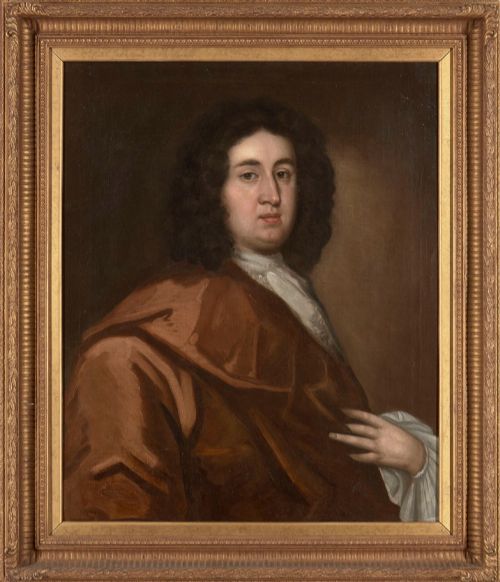
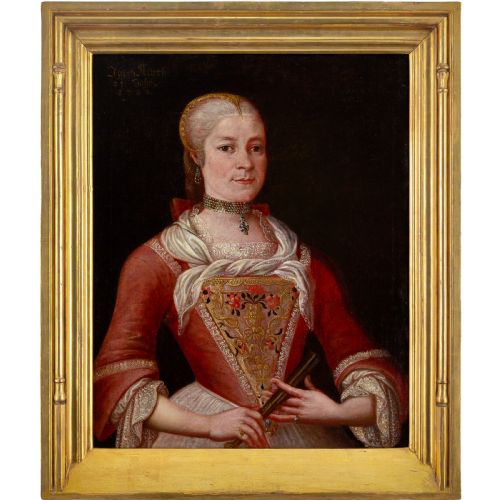
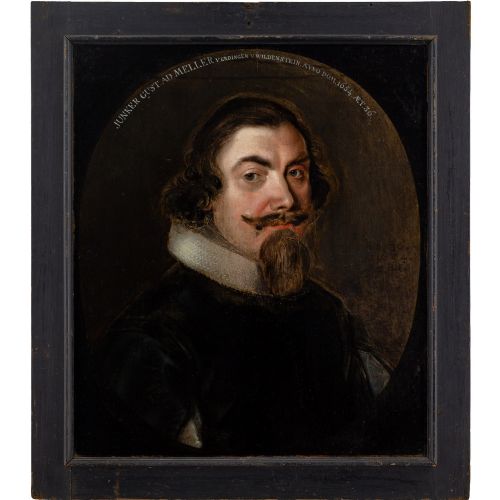
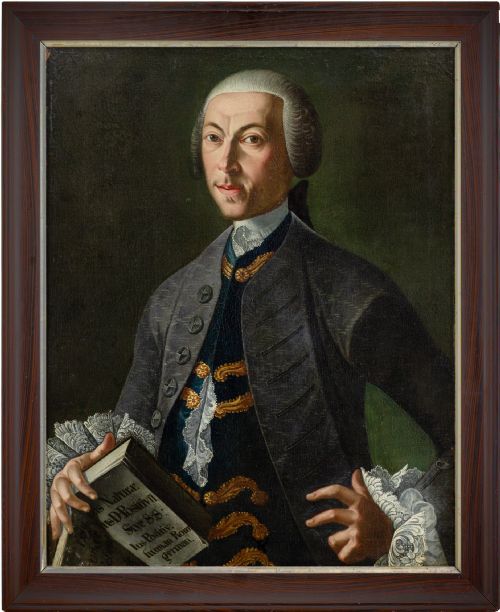
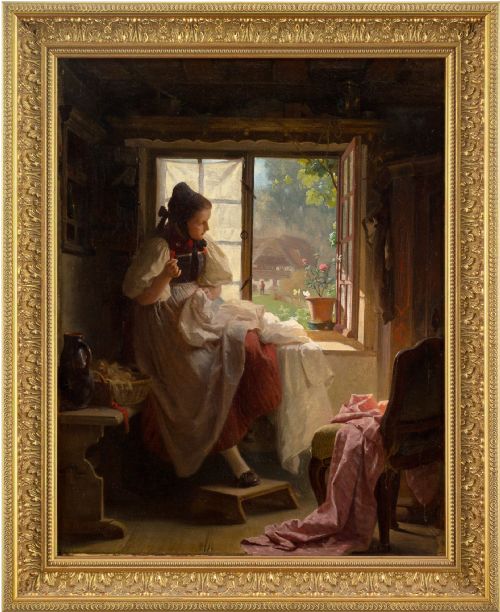
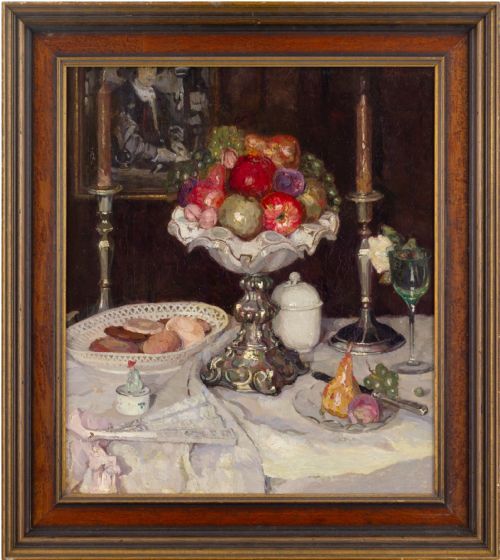
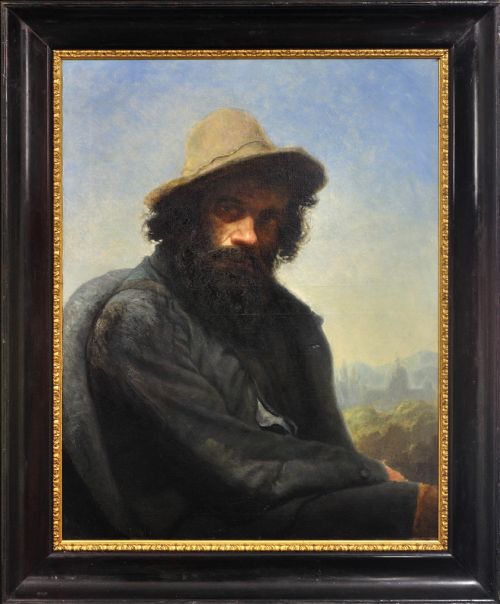
German art painting encompasses works originating from regional schools and individual artists across the seventeenth, eighteenth, nineteenth, and twentieth centuries. Buyers frequently encounter oil paintings on canvas depicting portraits of aristocrats, religious subjects, or rural landscapes.
The selection ranges from mid-eighteenth-century Bavarian school portraits to German Expressionist works from the 1940s. Alongside framed oil paintings, watercolours and gouache works appear in the record.
How they were made
Painters utilised oil paint applied to stretched canvas or wooden panels, often finishing works within traditional wooden frames ornamented with gold leaf.
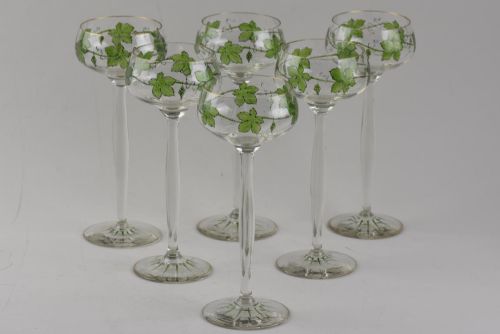
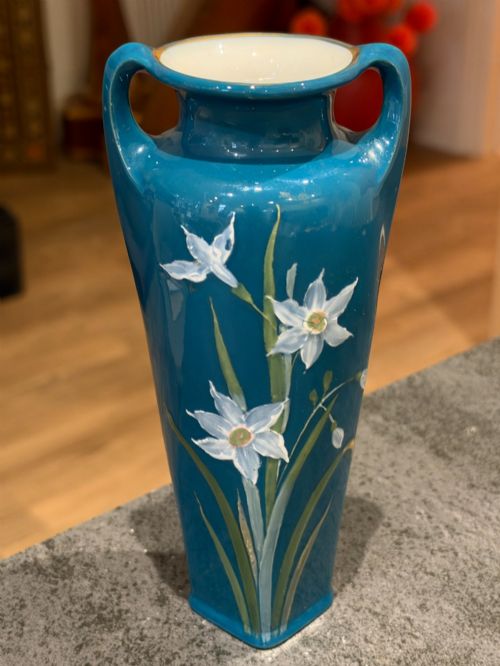
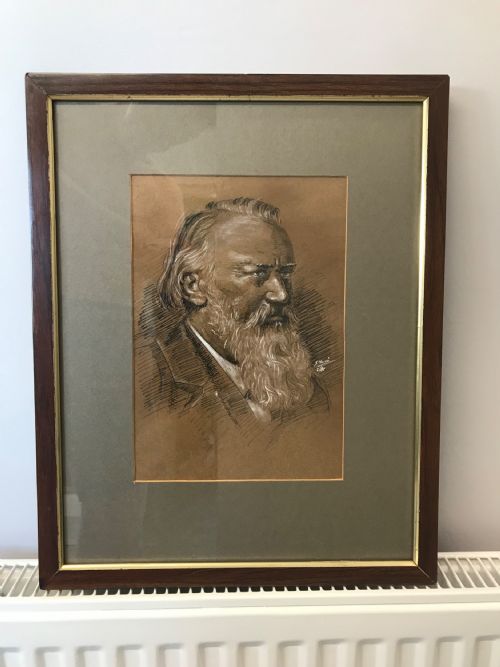
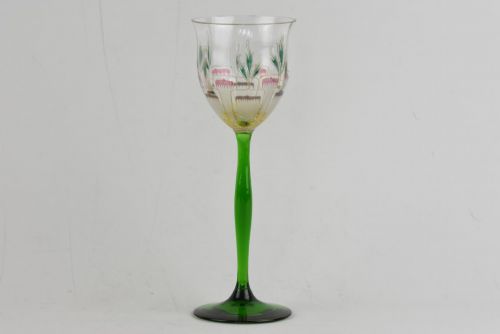
Watercolours and pen ink wash on paper record preparatory studies and smaller illustrations, while related decorative objects incorporate glass, enamel, and porcelain plaques.
German Art Painting Retail Price Guide 2026
Typical asking prices for german art painting among the pieces listed under this phrase on Sellingantiques today, from the lower quarter to the upper quarter. They describe what is for sale here now, not the wider market.
Listings feature oil on canvas, watercolours, and porcelain plaques across periods spanning the seventeenth century to 1940.
What varies in quality
The distinction between standard works and superior examples rests upon the fidelity of the draughtsmanship, the handling of light in portraiture, and the preservation of the original paint surface.
Identified works by documented artists command greater attention than anonymous regional school pieces, while the integrity of the original canvas and frame enhances the physical survival of the object.
Max Kaltenmoser·Albin Mattenheimer·Johann Friedrich Voltz·Paul Ehrenberg·Bernd Funke
The German Art Painting Glossary
- Oil on Canvas
- A traditional painting technique where pigments suspended in oil are applied to a woven fabric support. This method allows for subtle blending and rich colour depth.
- German Expressionism
- An early twentieth-century modernist movement focused on evoking emotional states rather than physical reality. Practitioners utilised bold brushwork and striking colour palettes.
- Bavarian School
- A regional collective of artists working within Bavaria, known particularly for producing detailed portraits and pastoral landscapes during the eighteenth and nineteenth centuries.
- Gouache
- An opaque water-based paint medium that yields flat, vibrant colour fields. It often appears combined with pen, ink, and wash on paper supports.
German Art Painting: Frequently Asked Questions
What periods do these paintings cover?
The listings span from the seventeenth century through to the 1940s, capturing shifts from Baroque portraiture to twentieth-century Expressionism.
Earlier centuries are represented by regional school portraits and religious scenes, while later decades introduce still lifes and modernist landscapes.
Are all the paintings oils?
While oil on canvas forms a large portion of the selection, the record also includes watercolours, pen, ink wash, and gouache paintings on paper.
Related visual art items such as painted porcelain plaques are also present.
How do I identify regional schools?
Regional schools, such as the Bavarian or Hessian schools, are typically identified through historical attribution and stylistic markers tied to specific German territories.
These works often depict local aristocracy, clergy, or landscapes unique to those areas.
How should I care for an antique canvas?
Keep painted canvases away from direct sunlight and fluctuating humidity to prevent the oil paint and canvas from cracking or warping.
Dust the surface gently with a soft, dry brush and avoid liquid cleaners.